The Light at the End of the Tunnel
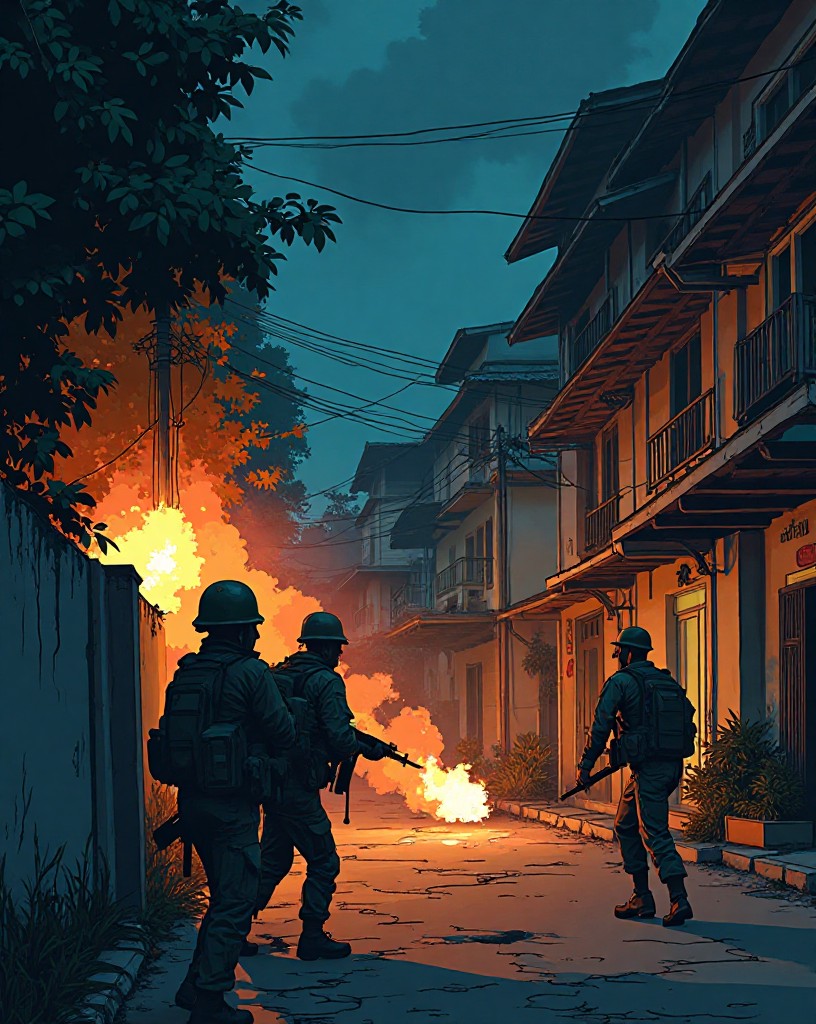
The night the war America thought it was winning came everywhere at once.
Vietnam · 1968
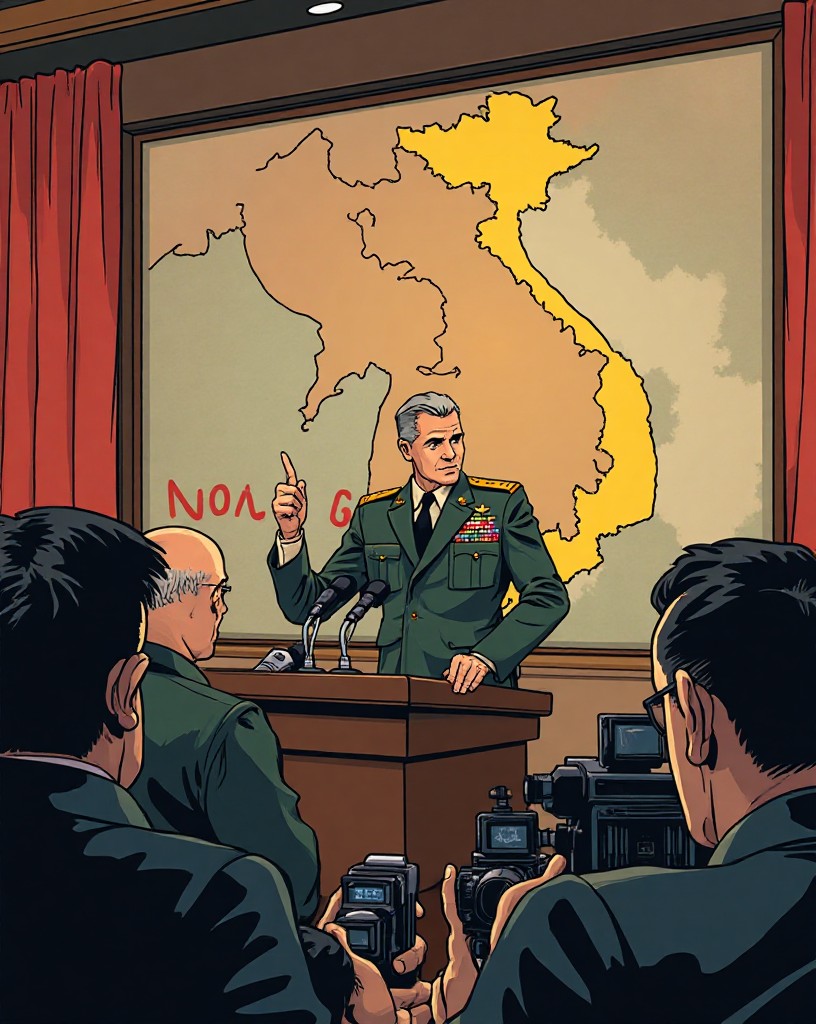
January 1968. The Vietnam War has dragged on for years, and America's leaders keep promising the public there is "light at the end of the tunnel." The enemy is being beaten, they say. Victory is near.

Tet, the lunar new year, is Vietnam's most sacred holiday. Both sides have honored a ceasefire for it every year. In 1968, the North turns that trust into a weapon.
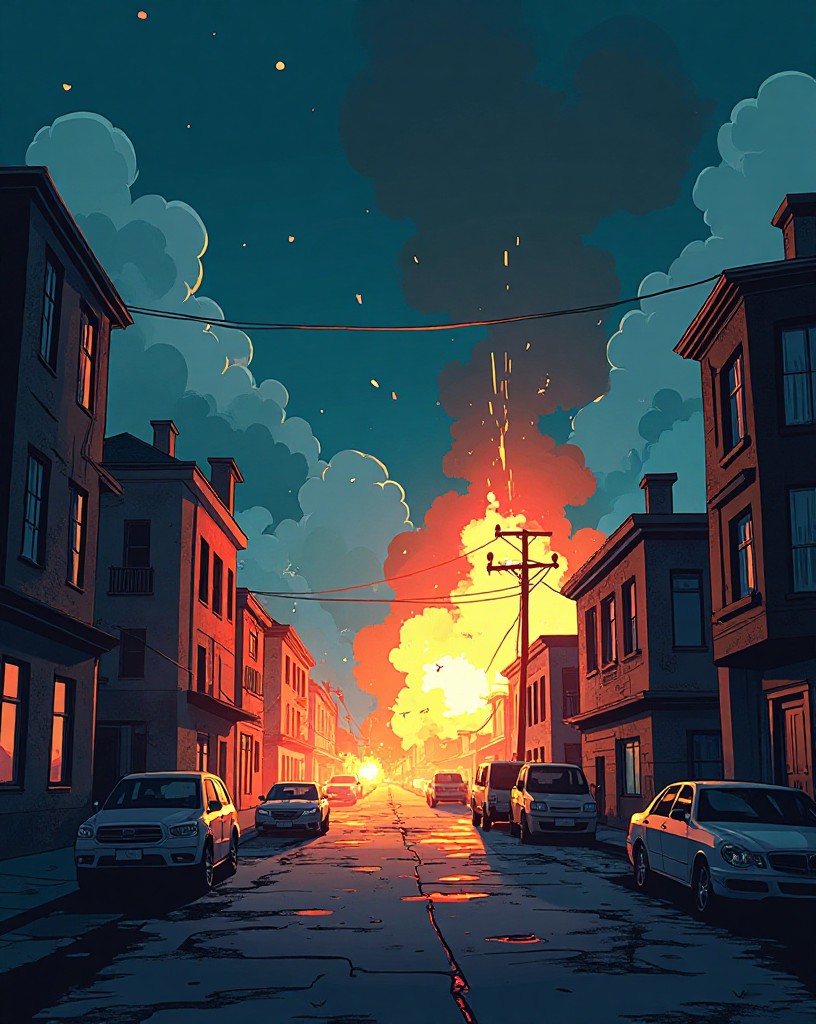
In the dark hours of the truce, some eighty thousand fighters strike at once — across more than a hundred cities, towns, and bases the length of South Vietnam.
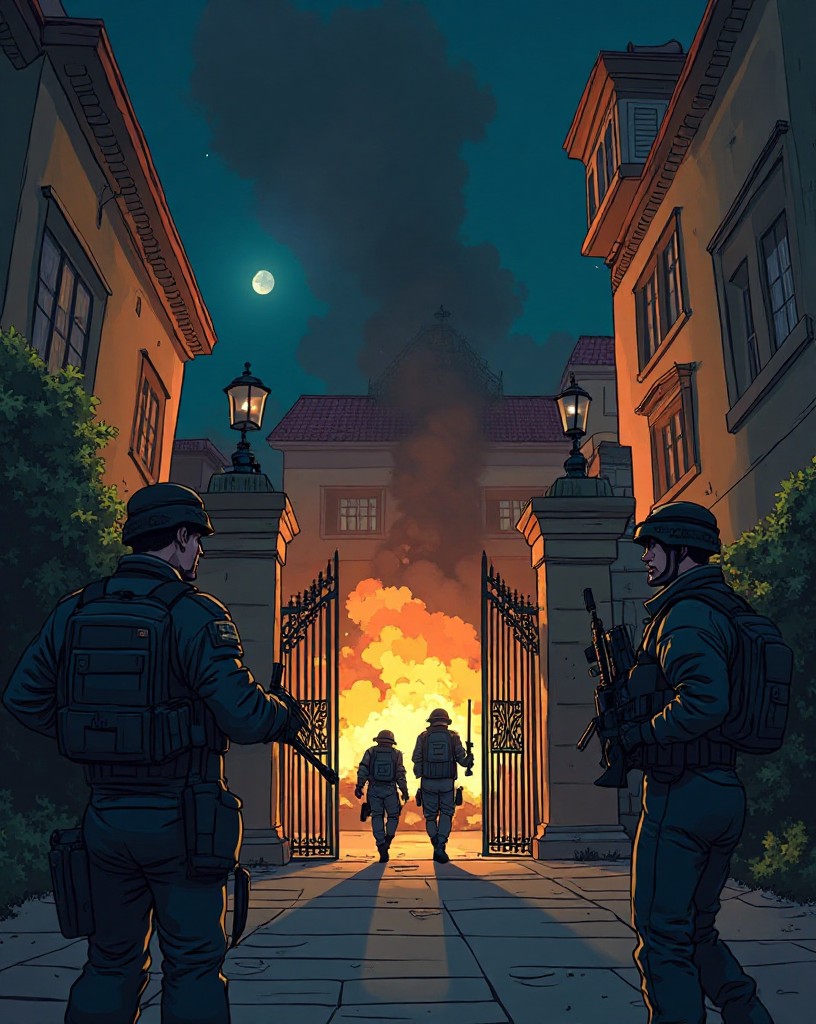
In Saigon, a commando team blasts its way into the grounds of the US Embassy itself — the very symbol of American power — and fights on for hours as the world's cameras roll.
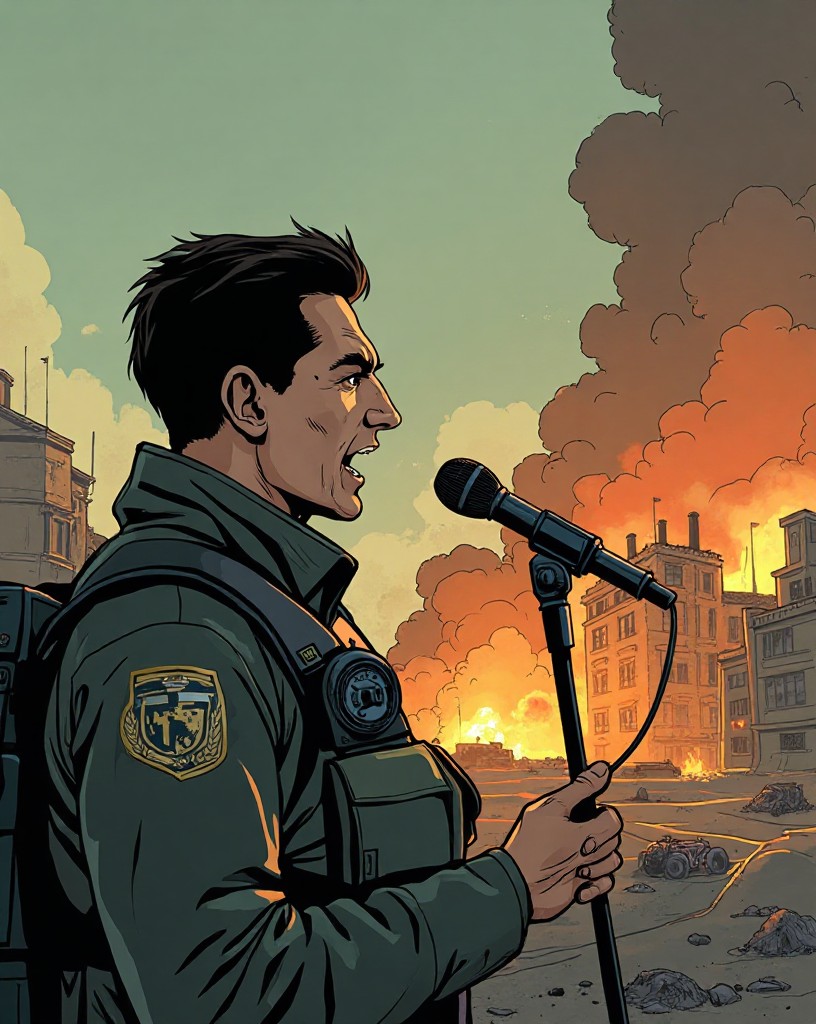
A stunned reporter
“They told us the enemy was finished. They are inside the embassy.”
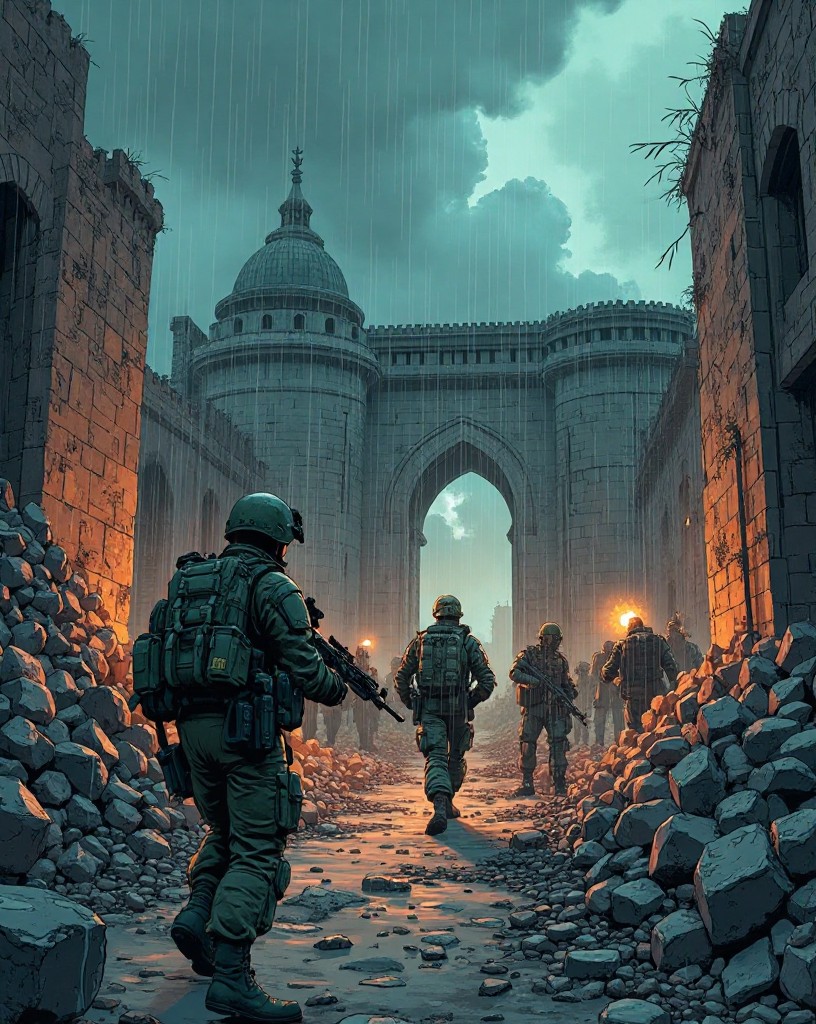
The ancient imperial city of Hue is overrun. Retaking it takes nearly a month of the war's most savage house-to-house fighting, block by block among temples and old stone walls.
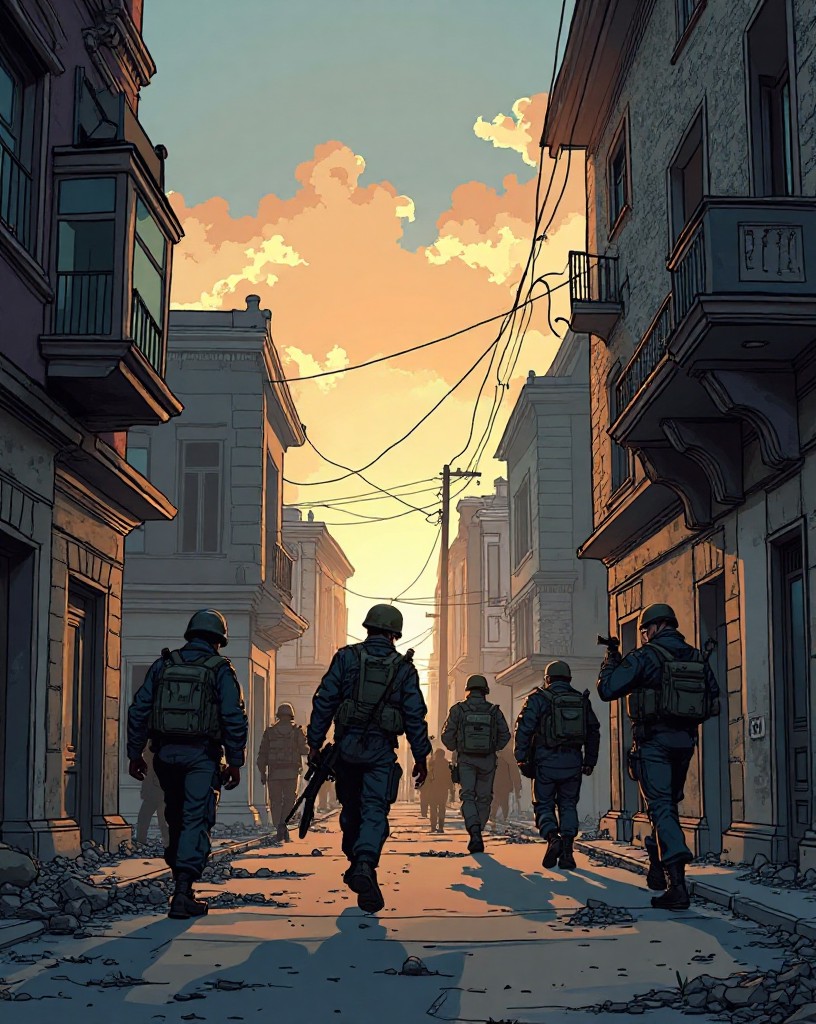
Militarily, the offensive is a gamble that fails. The hoped-for popular uprising never comes; the attackers are thrown back almost everywhere, with terrible losses.
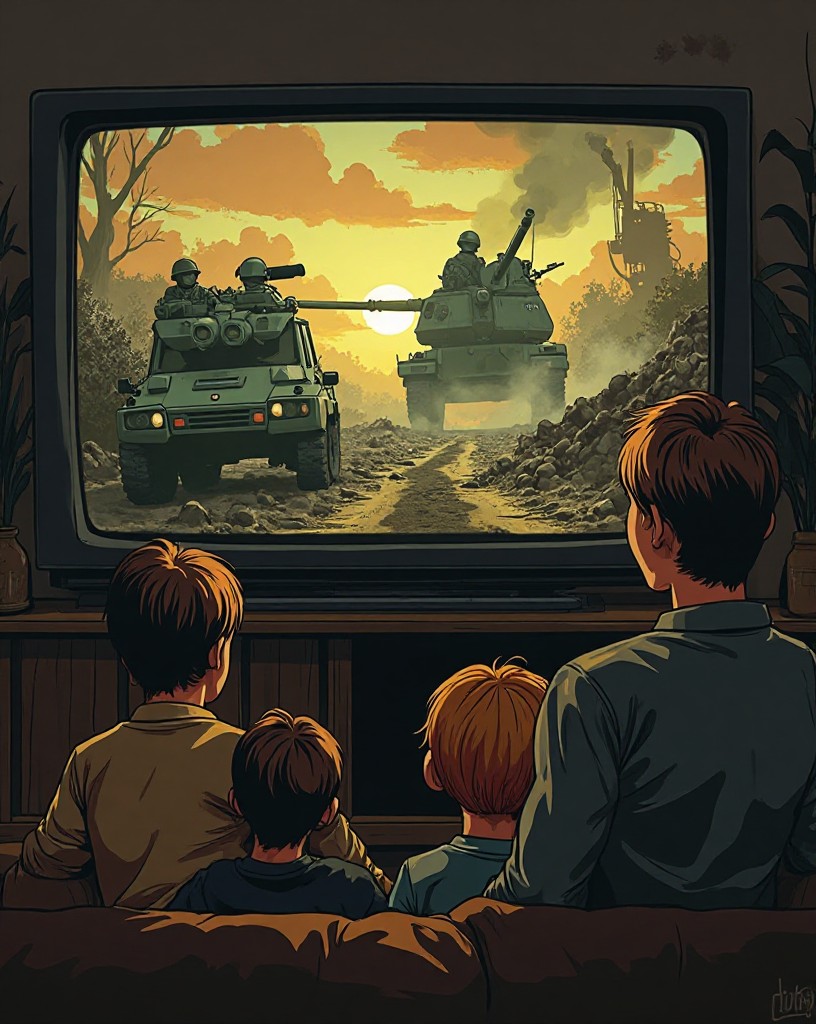
But this war was never only military. It was being fought, every night, on television screens in American living rooms.
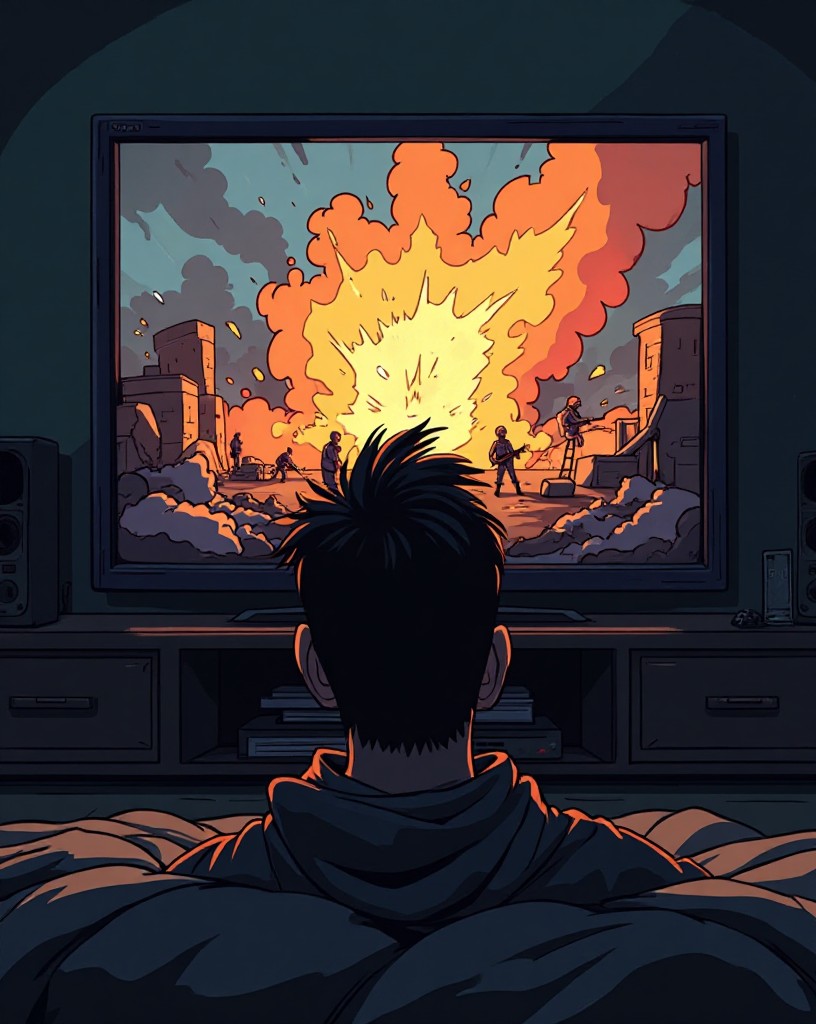
And what Americans saw was not a war being won. They saw an enemy supposedly on its last legs strike everywhere at once — even into the embassy.
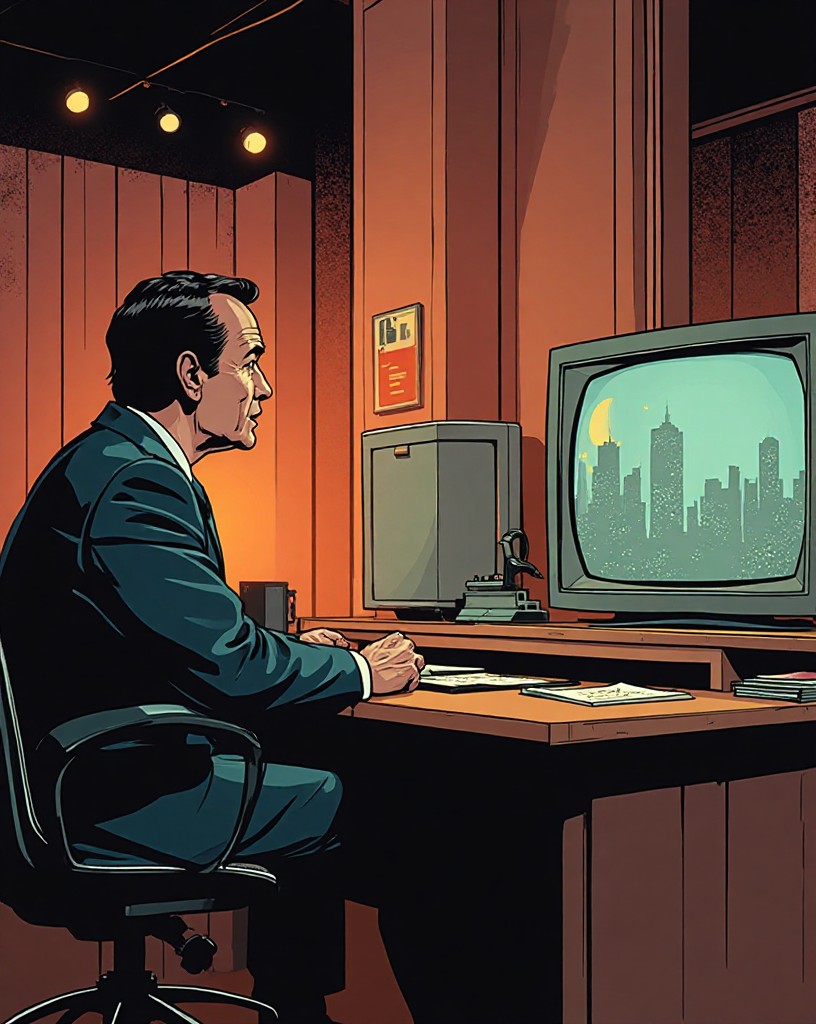
Walter Cronkite
“It seems now more certain than ever that this bloody experience of Vietnam is to end in a stalemate.”
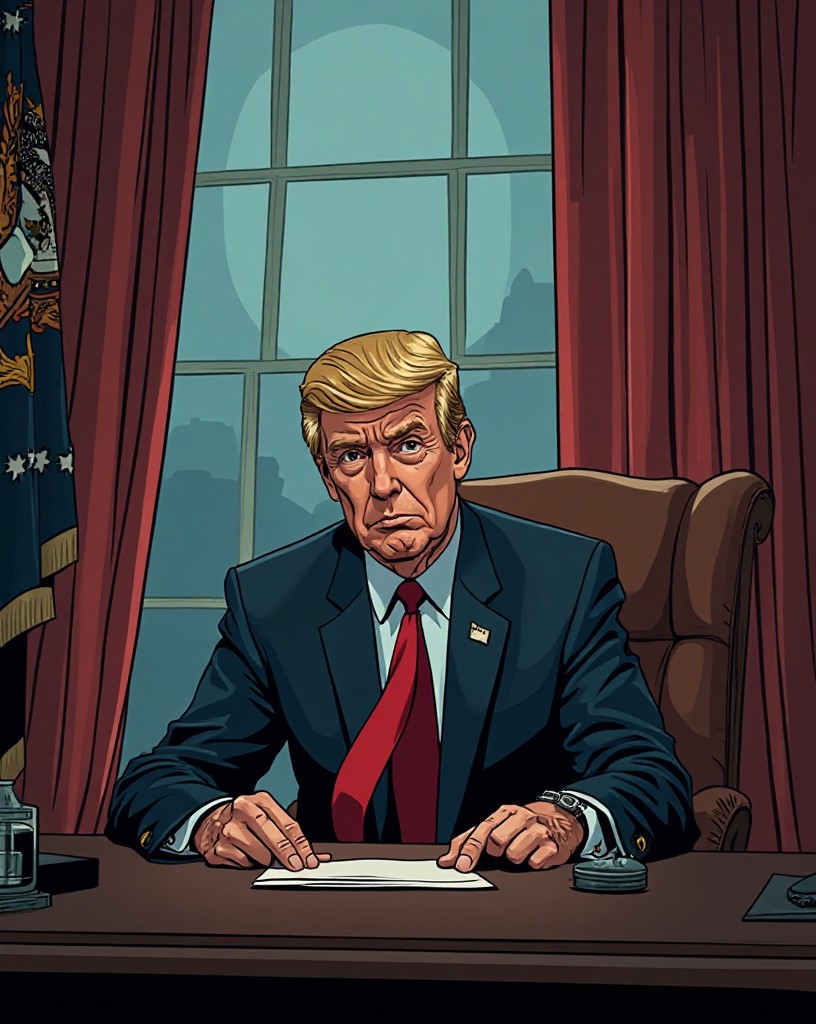
When America's most trusted voice said the war could not be won, something broke. Support drained away, and within weeks the President, Lyndon Johnson, announced he would not seek re-election.
Tet was a battlefield defeat that became a strange kind of strategic victory. It did not beat the American army — it ended America's belief in the war. From that night on, the United States was looking for a way out.
Sources
This story was adapted from the following. The illustrations are stylized depictions, not photographs of the events.
“Tet Offensive”, Wikipedia
Overview, Saigon and Hue, and political impact.
Vietnam: A History, Stanley Karnow (1983)
Standard history of the war and Tet's significance.
That’s the story.
More are in the studio. Head back to the collection to see what’s coming.