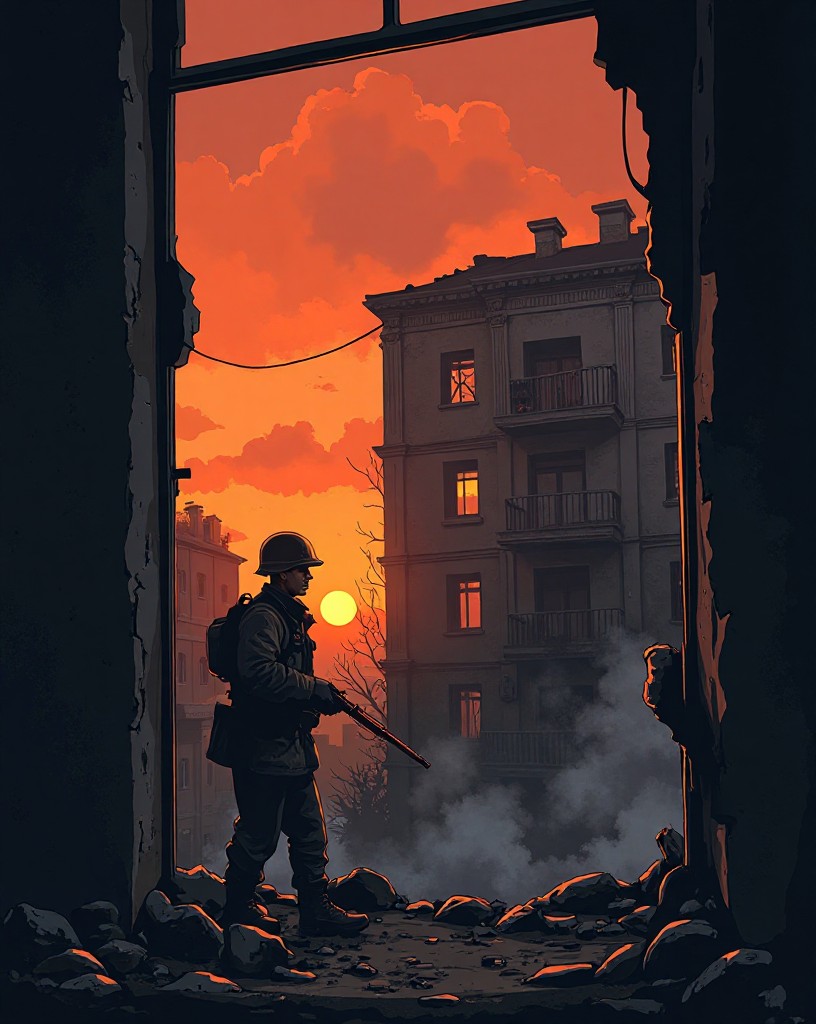
Battle of Stalingrad
Inside Pavlov's House — fifty-eight days the city would not give up.
Stalingrad · 1942–43

Autumn 1942. Stalingrad, once a city of half a million people, is being ground into rubble. The German Sixth Army has pushed the Soviet defenders back to a thin strip of ruins along the west bank of the Volga.
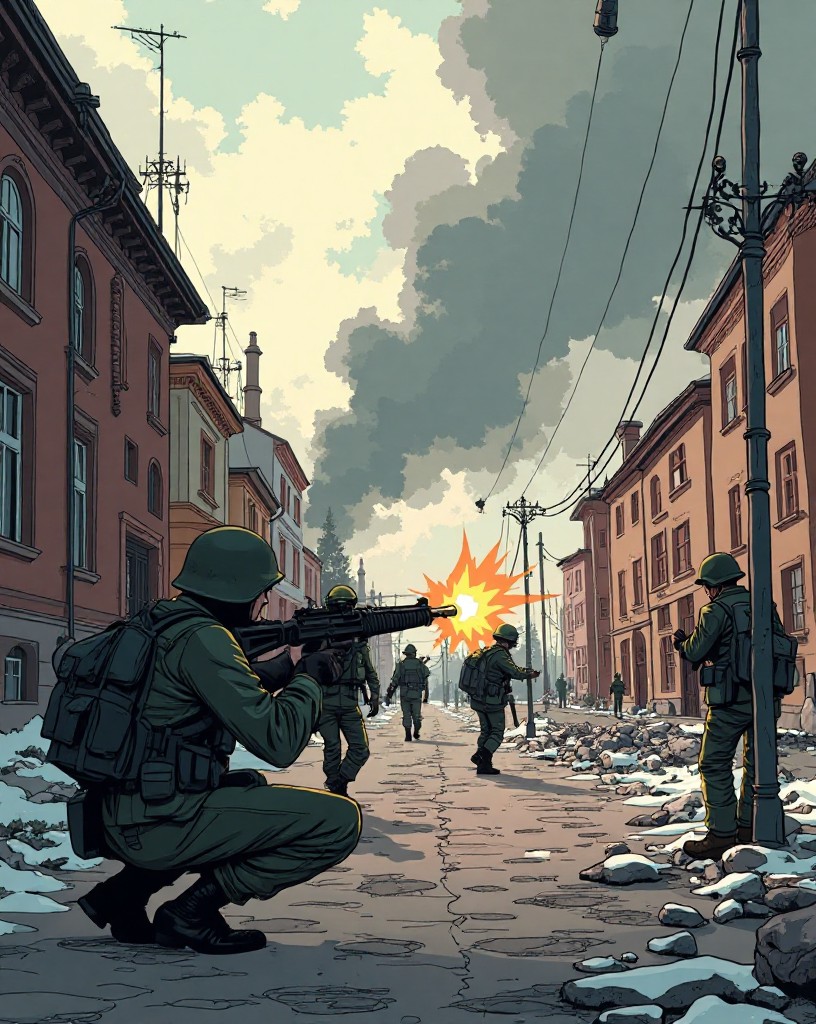
The Soviet 62nd Army, under General Vasily Chuikov, has one order: hold the bank. The fighting is no longer about cities or even streets. It is about single houses, single floors, single rooms.
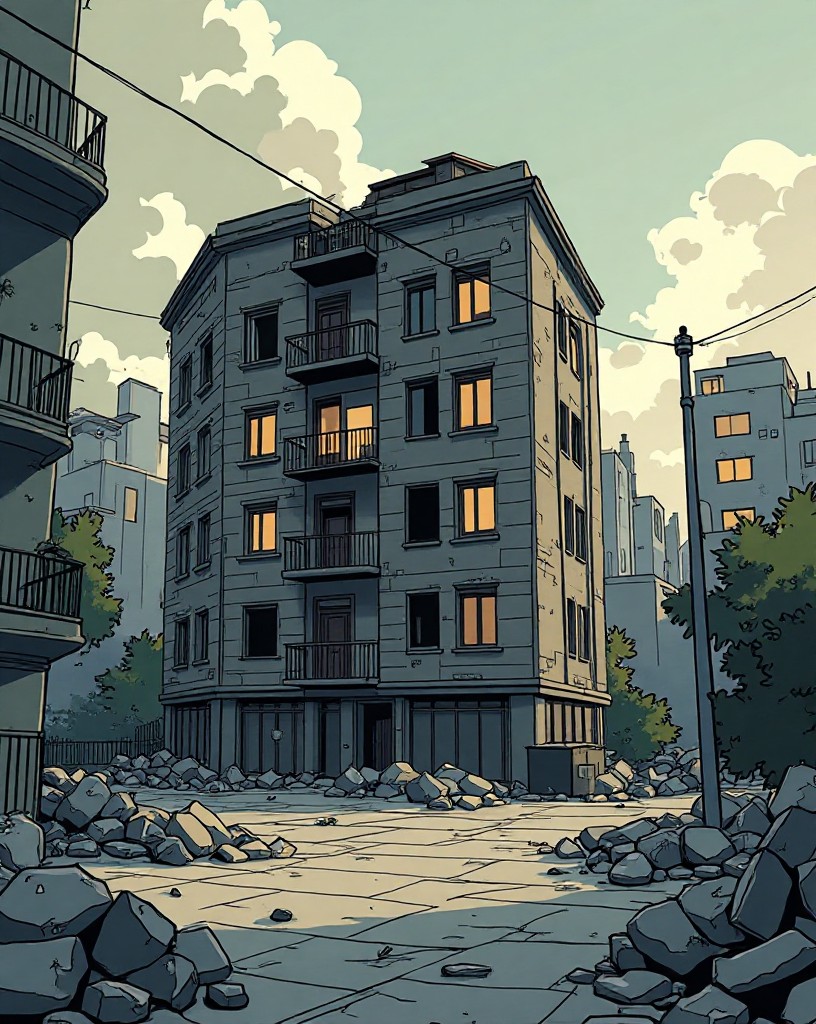
Near the river stands a four-story apartment building on a wide plaza called 9 January Square. It is an ordinary block of flats, except for one thing.
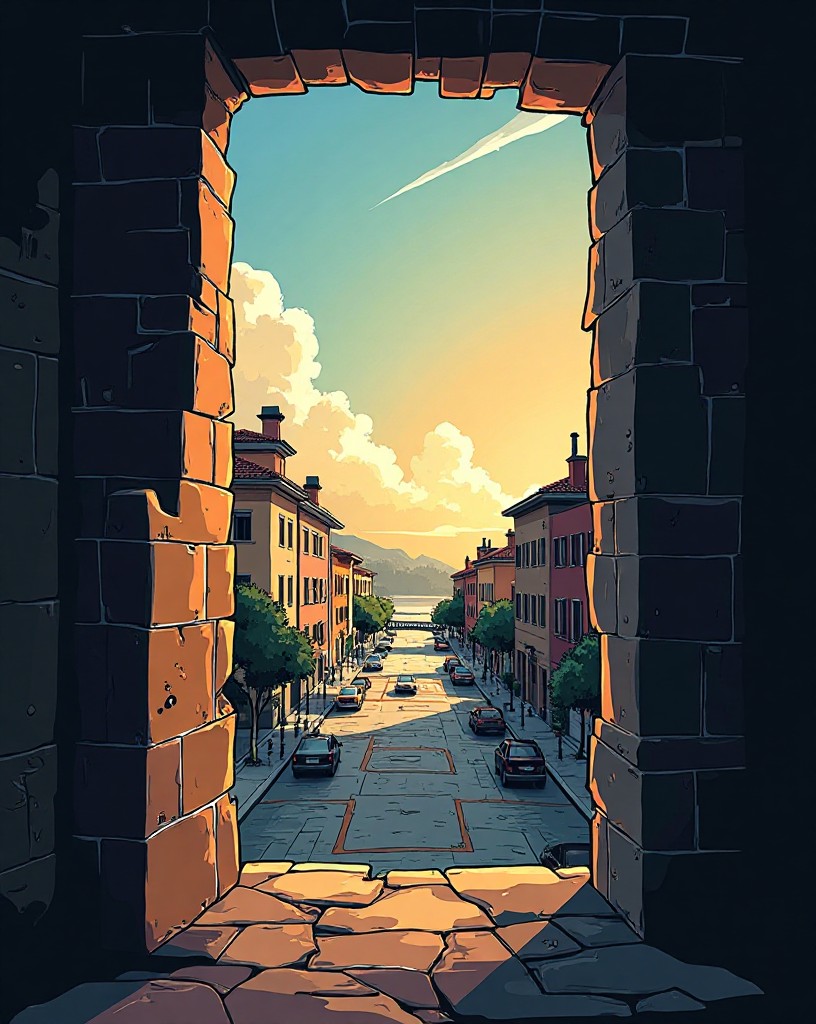
From its windows, a defender can see clear across the open square in every direction. And just beyond it lie the river landings where the Soviets ferry in every reinforcement and every crate of ammunition. Whoever holds the building holds the approach to the Volga.
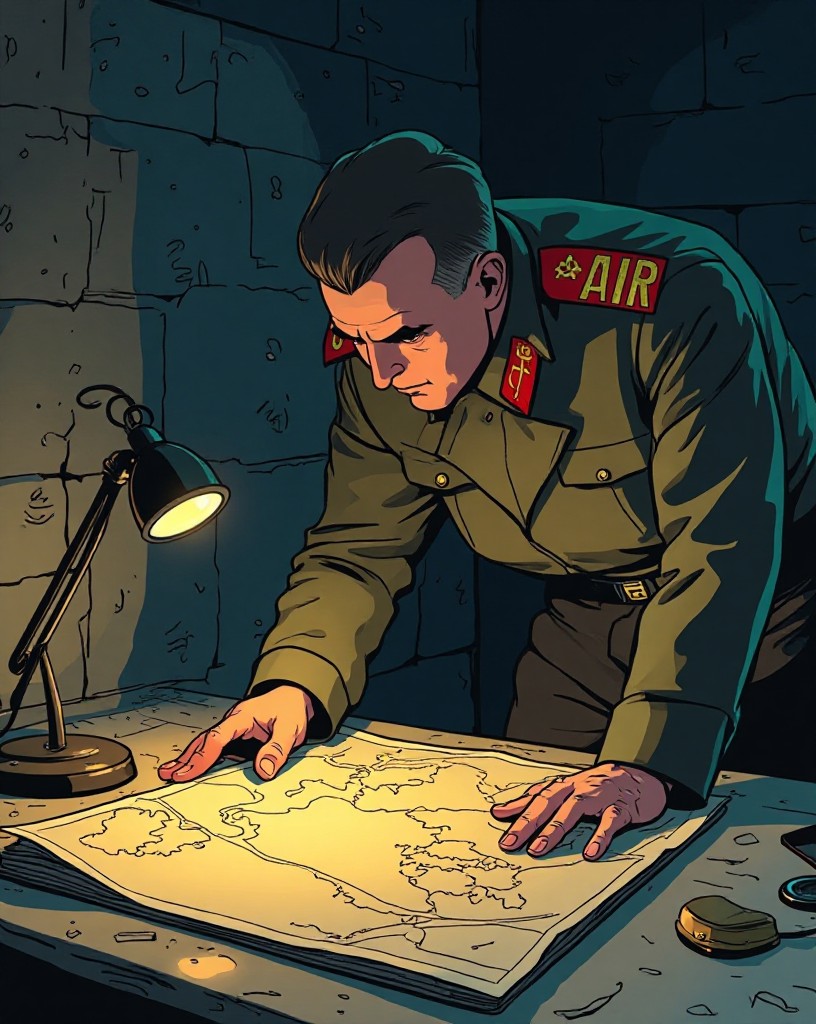
Gen. Chuikov
“That building is the key to this sector. Take it, and hold it whatever it costs.”
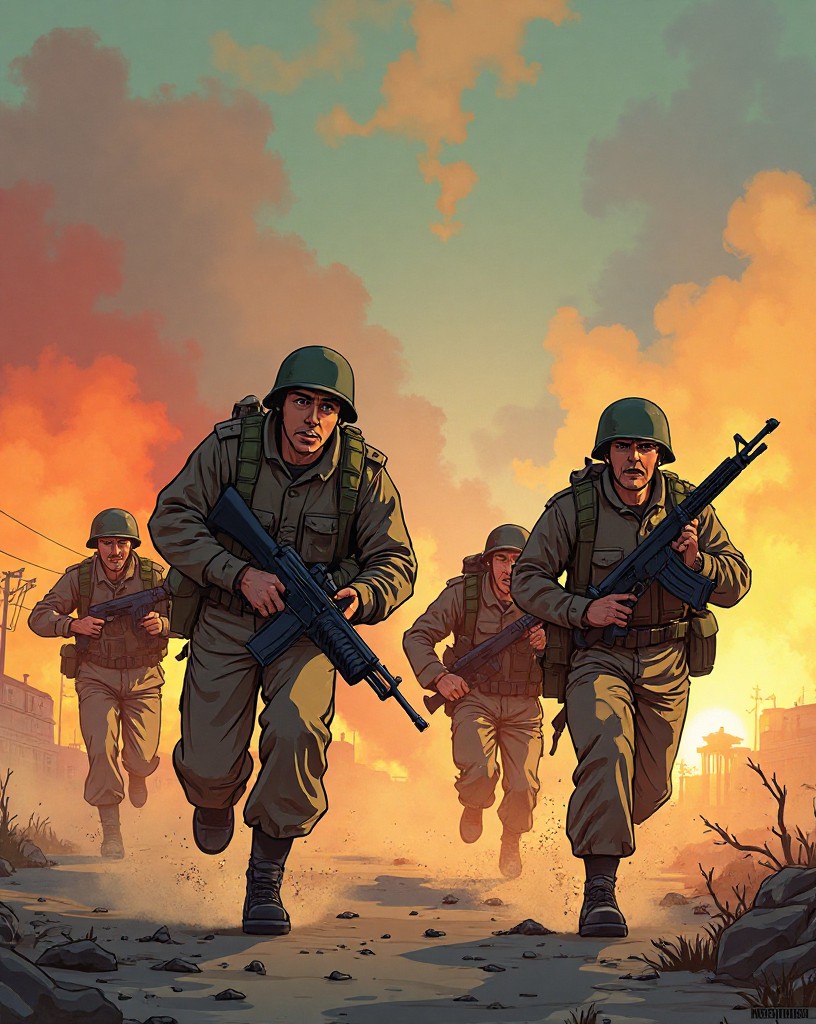
Late September. A small reconnaissance group is sent out across the square under fire. It is led by a junior sergeant named Yakov Pavlov.
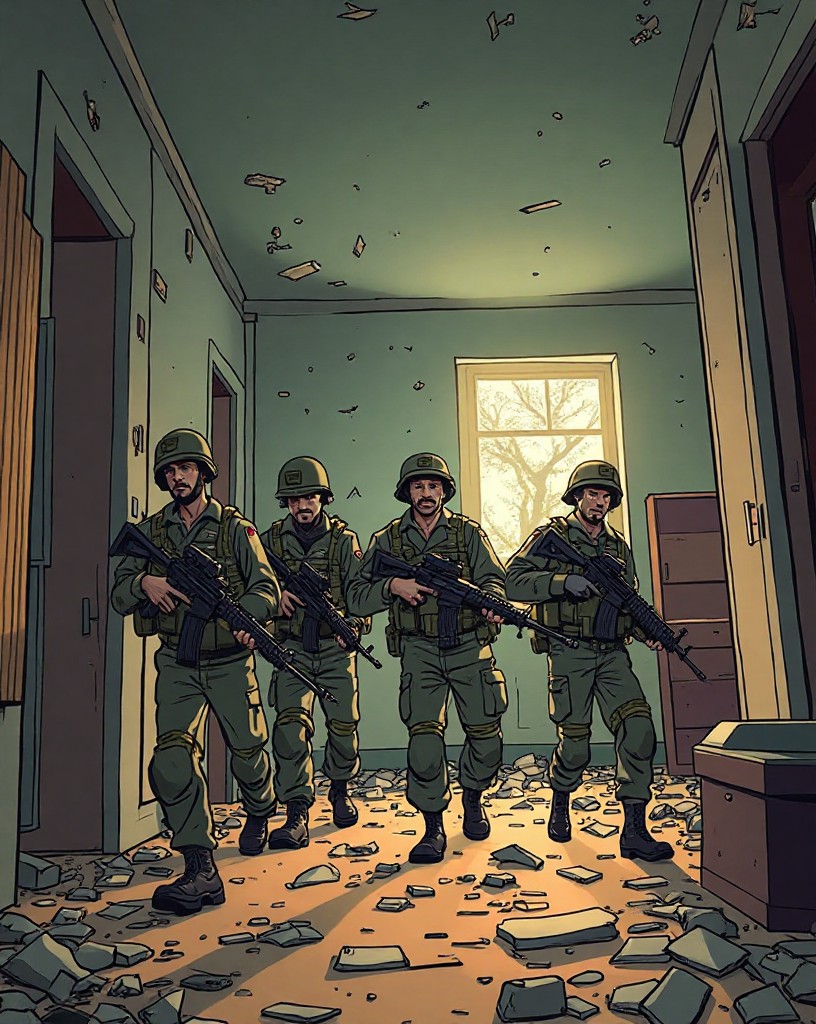
They reach the building and clear it room by room. When the shooting finally stops, only a handful of them are still standing. But the house is theirs.
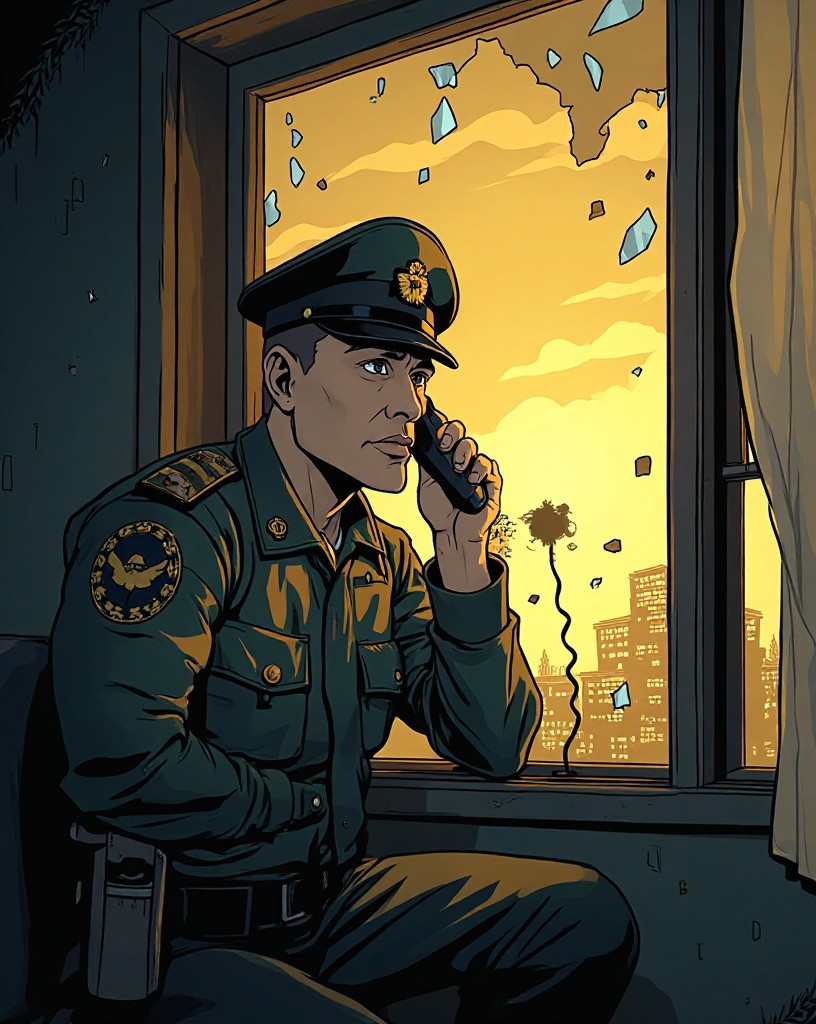
Sgt. Pavlov
“Signal the regiment. Tell them the house is ours. Tell them to send men, and for God's sake send ammunition.”
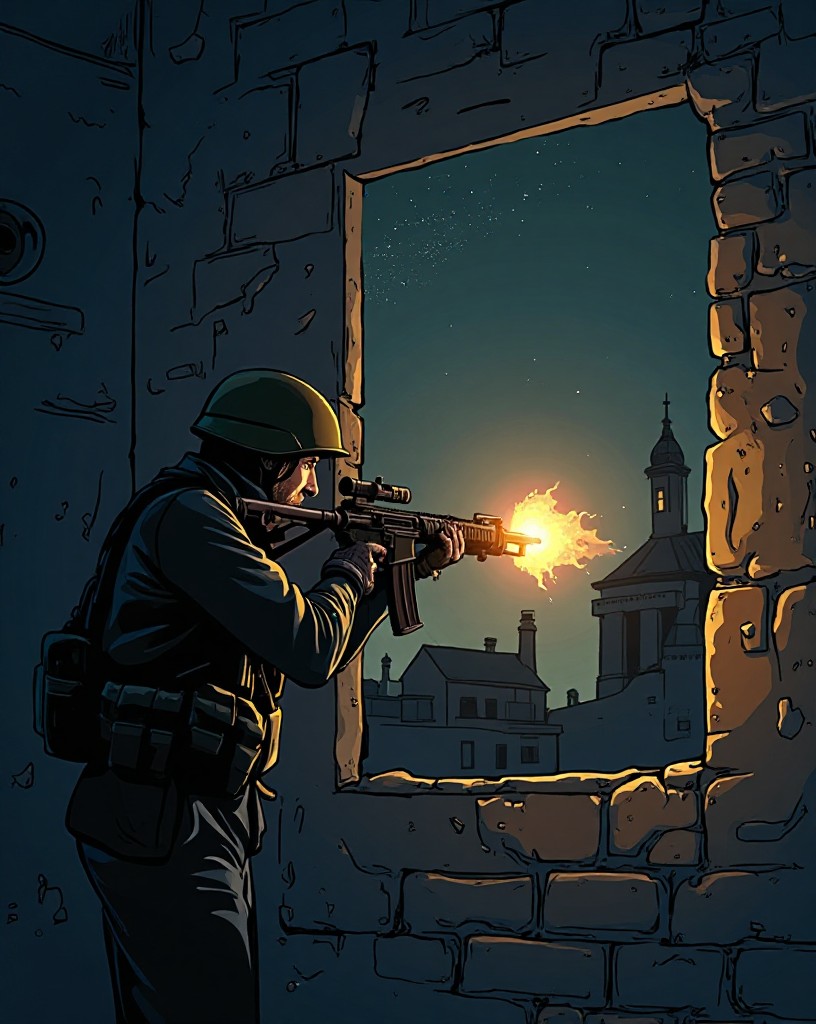
For two days, four men hold the building alone, beating back probing attacks through the night while they wait for help to cross the square.
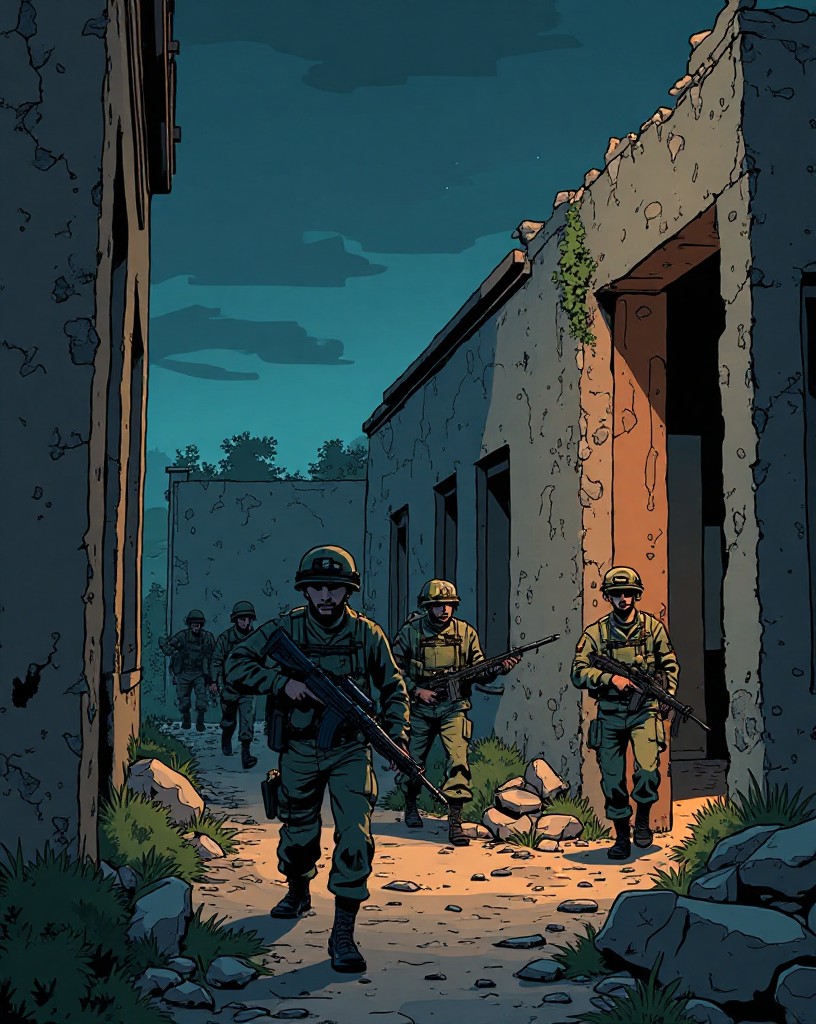
Then reinforcements come: a machine-gun platoon under Lieutenant Ivan Afanasyev, carrying anti-tank rifles and mortars. The garrison grows to roughly two dozen men.
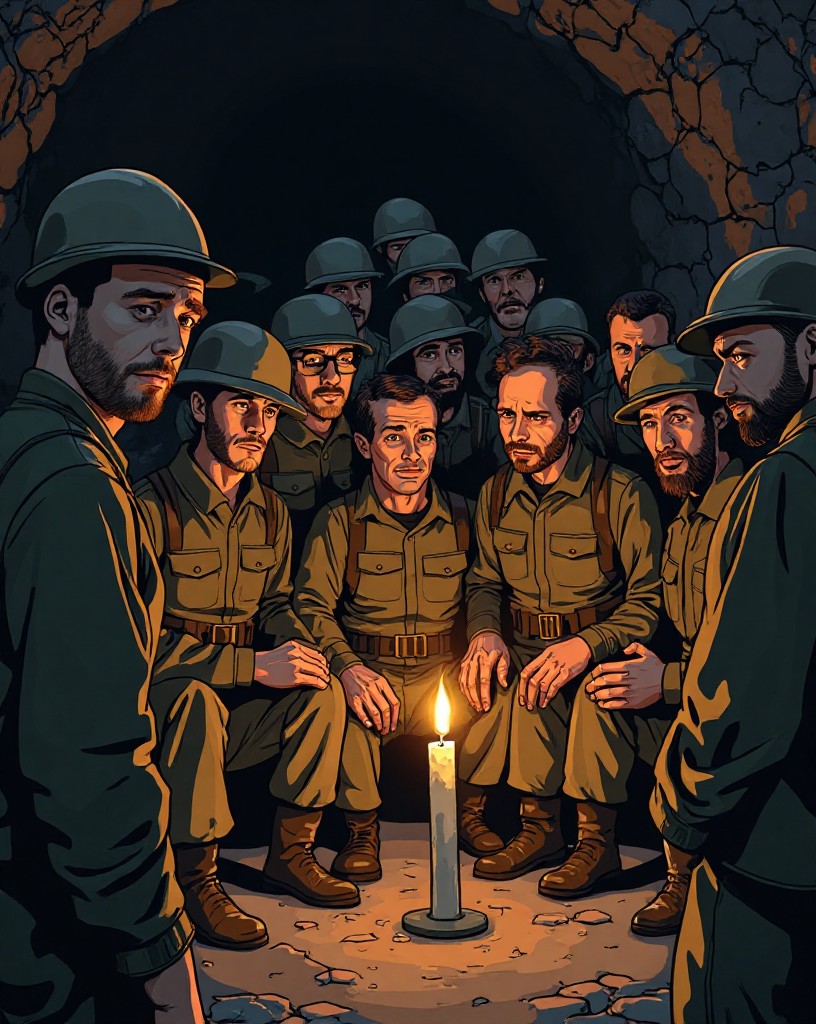
They come from all across the Soviet Union — Russians and Ukrainians, a Georgian, an Uzbek, a Kazakh, a Tajik. In the rubble of this one building, none of that matters. They are simply the men who hold the house.
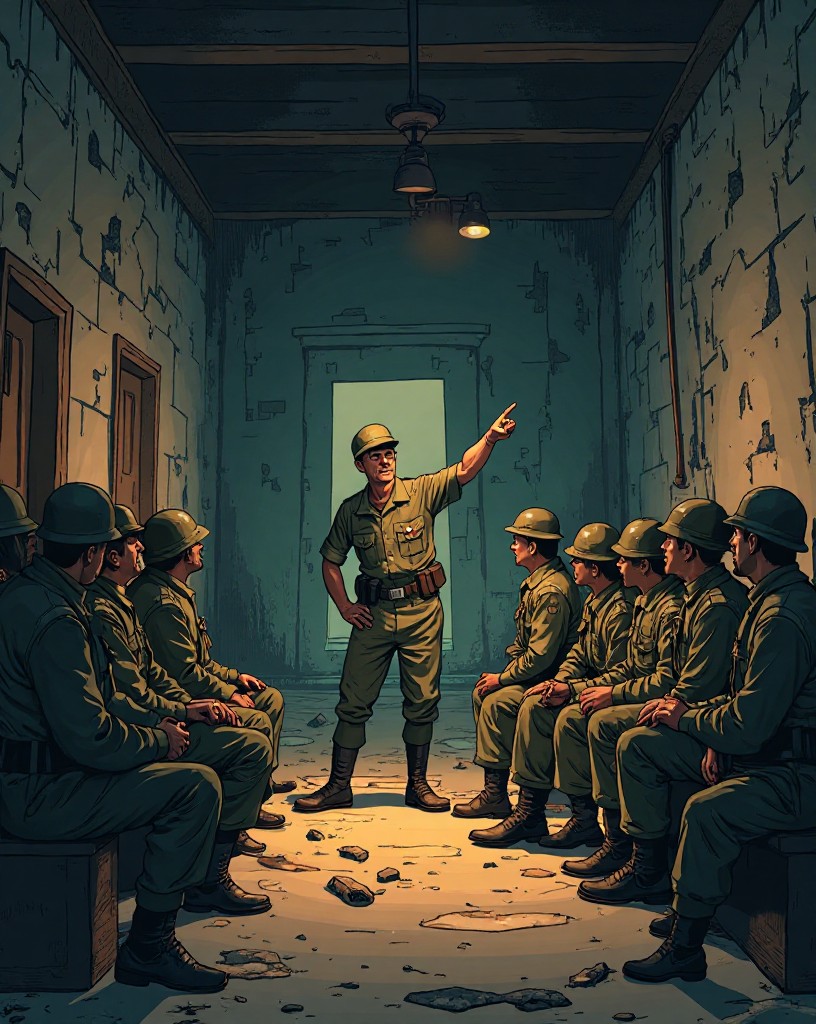
Lt. Afanasyev
“We are not leaving. So we make this place impossible to take. Every wall, every window, every doorway — we turn the whole building into a weapon.”
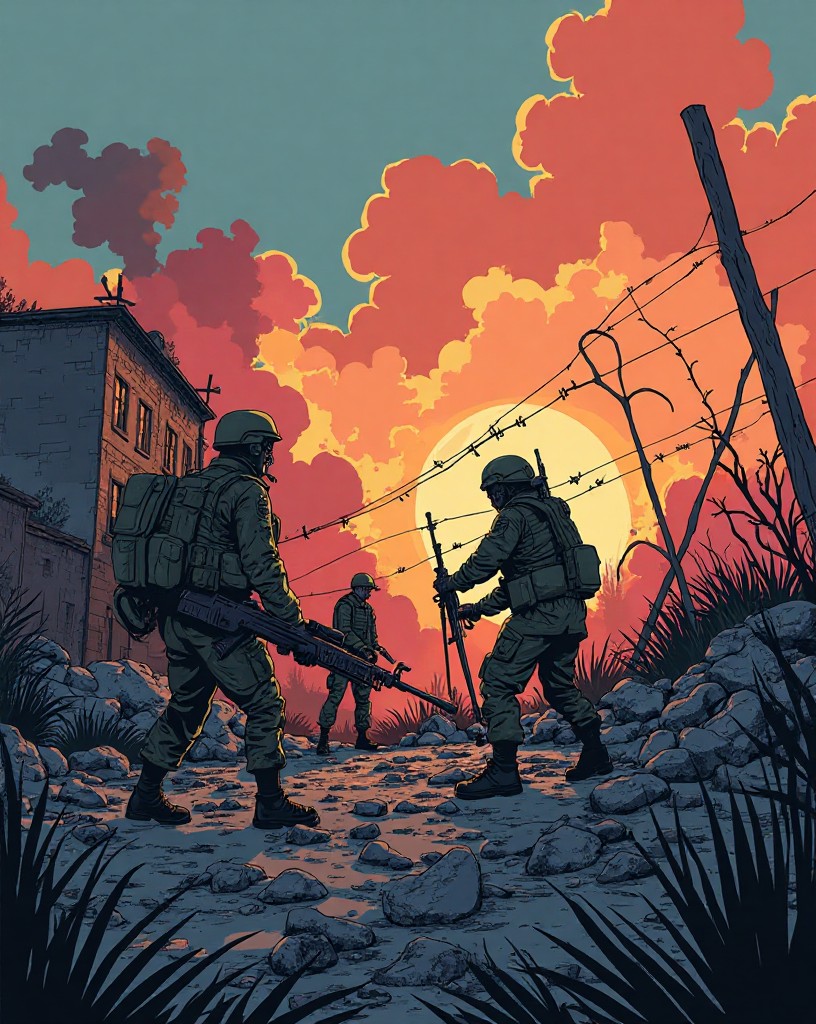
They mine the open ground in front of the building and string barbed wire across every approach, until the square itself becomes a killing field.
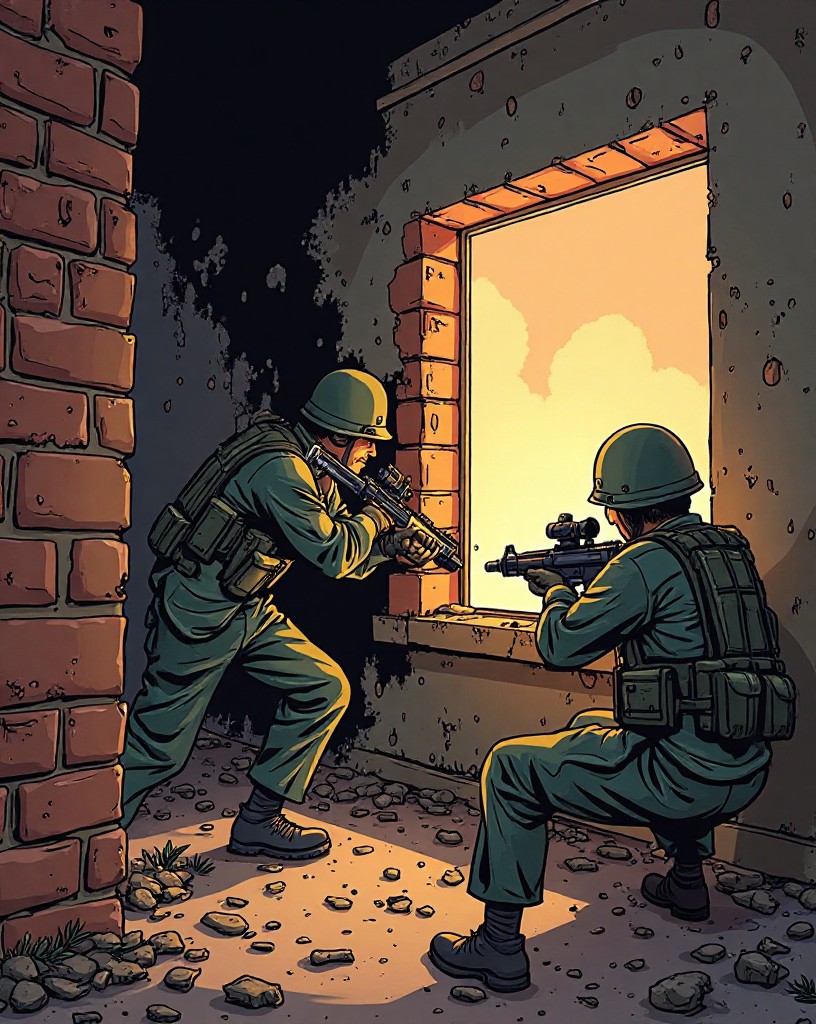
They set machine guns in the windows and anti-tank rifles on the upper floors. Inside, they knock holes through the walls so they can move from room to room without ever stepping into the open.
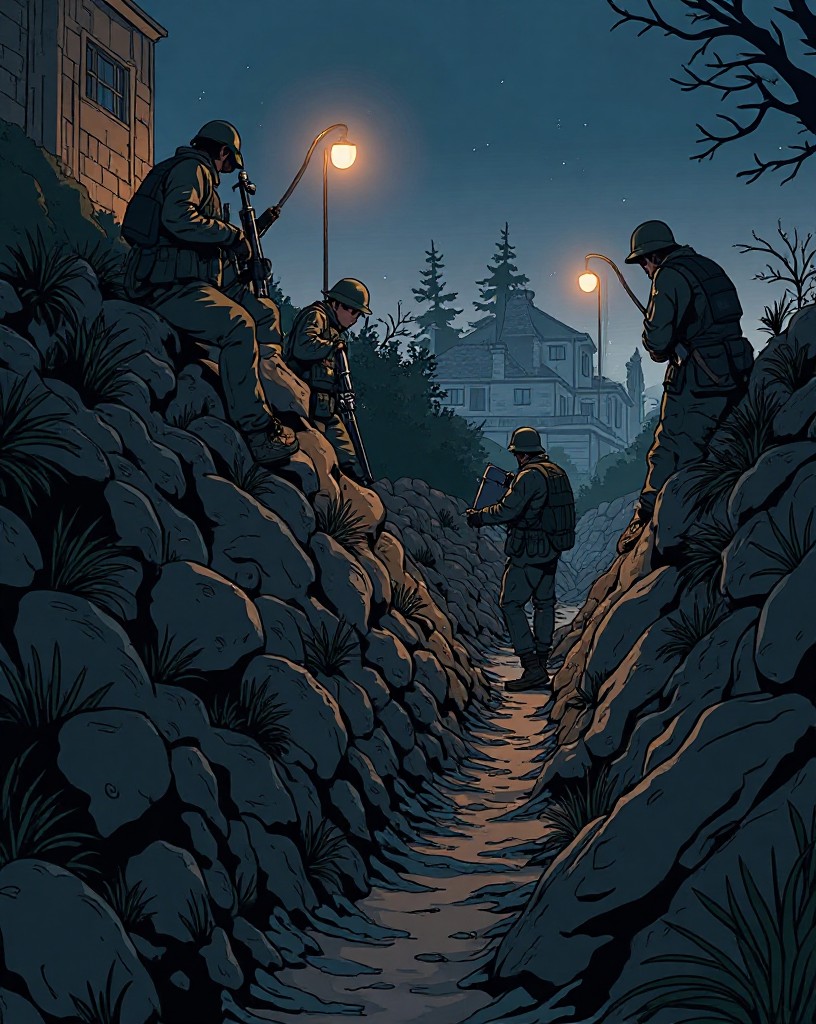
Engineers dig a communication trench from the cellar back toward the Soviet lines — a fragile lifeline for ammunition, food, and orders, crawled through in the dark.
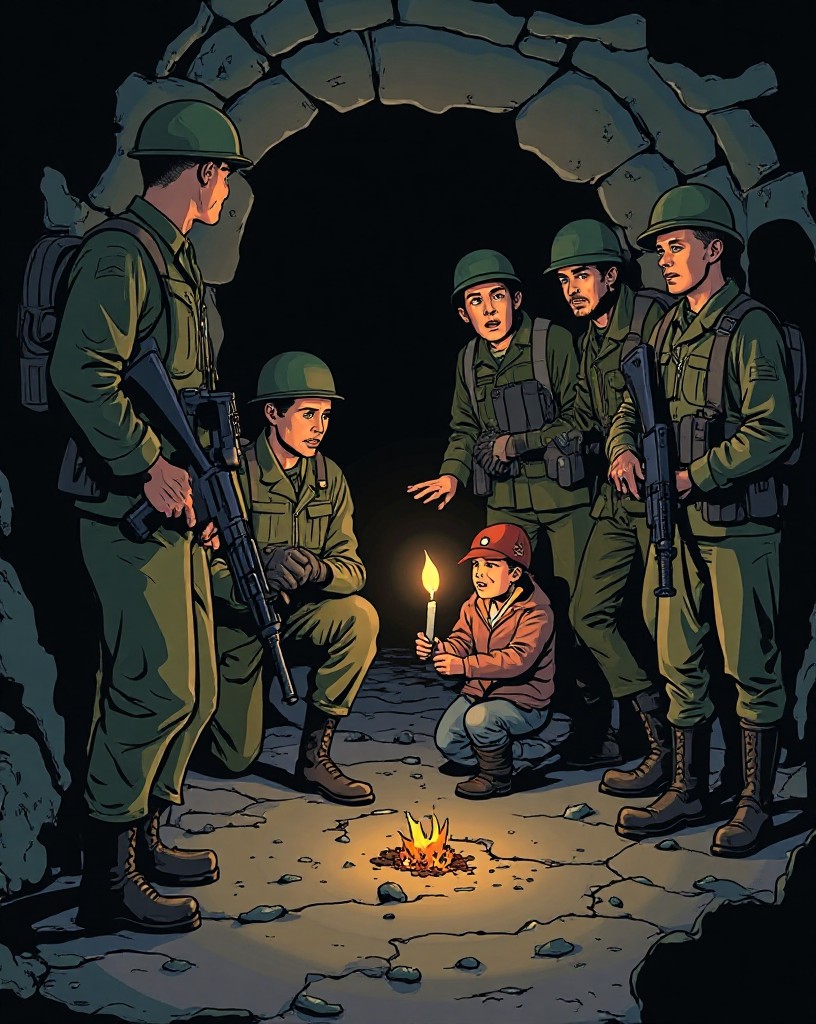
In the basement, civilians who never managed to flee the city shelter among the soldiers — families with nowhere left in the world to go.
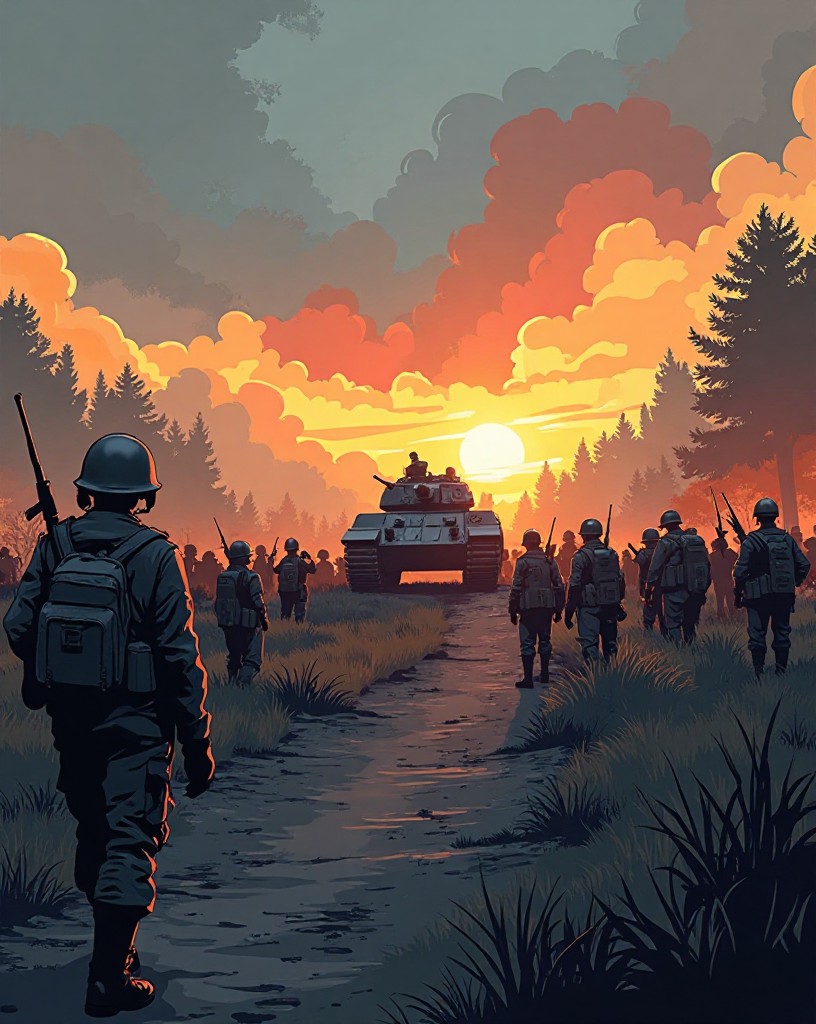
And then the attacks begin in earnest.
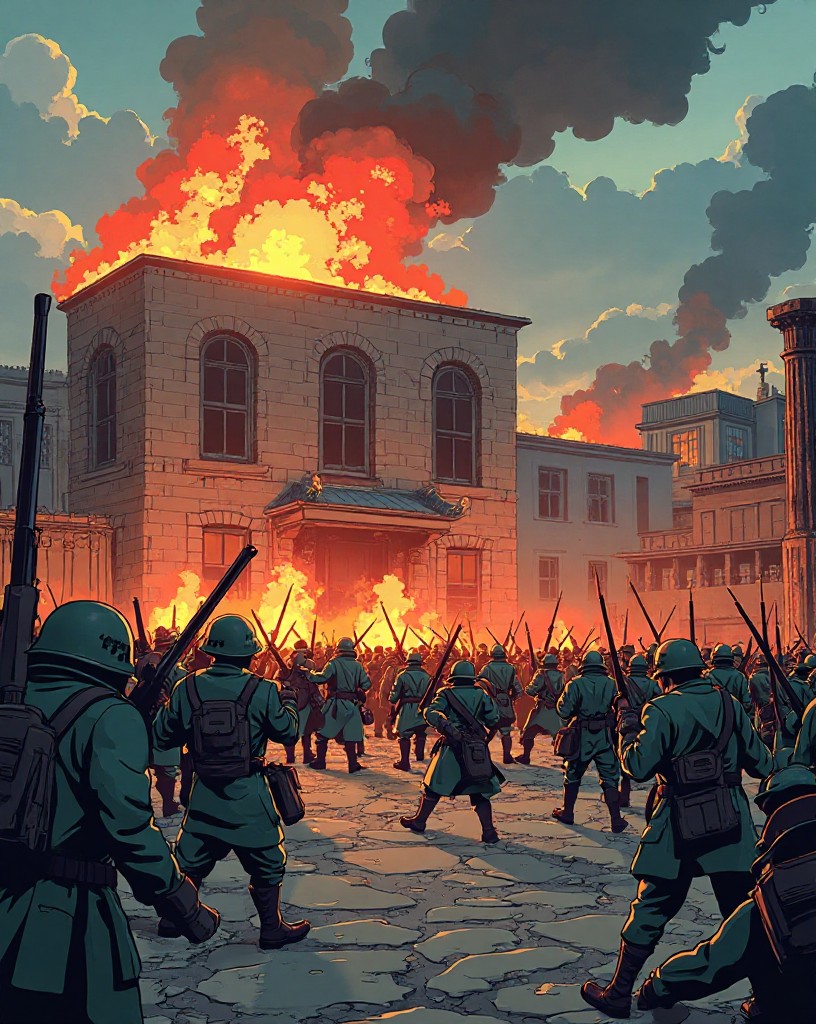
They come by day and by night, sometimes two or three times in a single day — infantry sprinting across the square, tanks grinding up toward the walls.
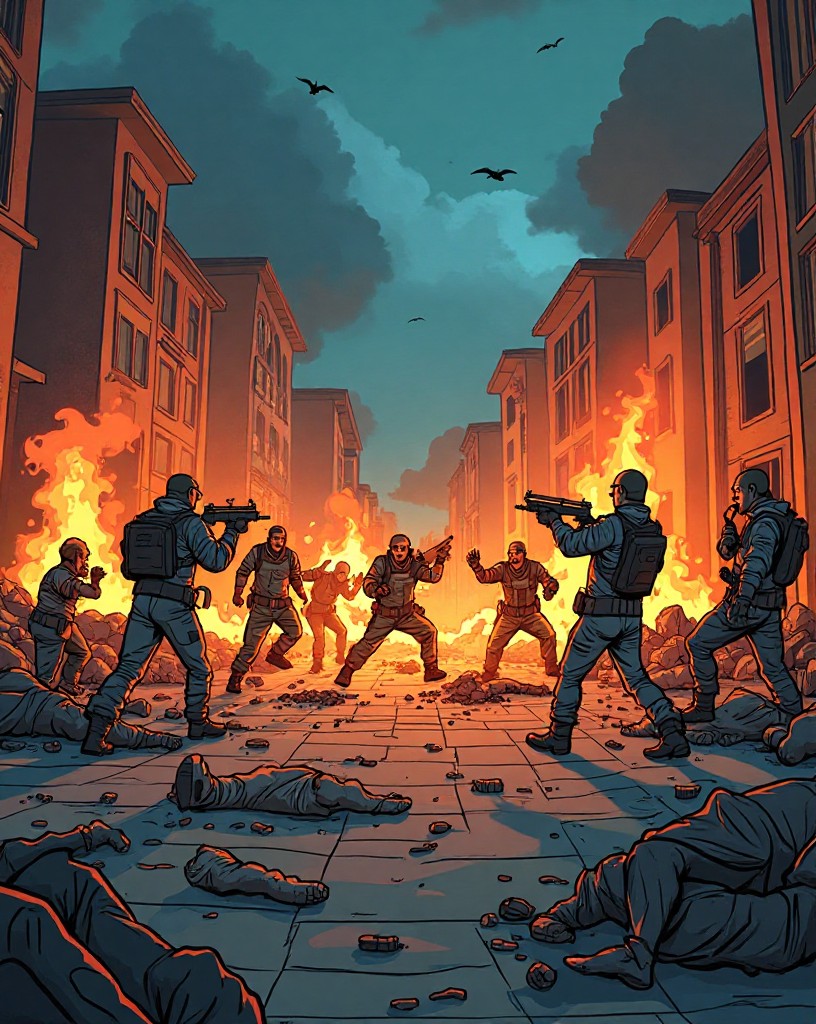
Each time, the fire from the windows catches them in the open. Each time, they fall back across the same scarred ground, leaving it more crowded than before.
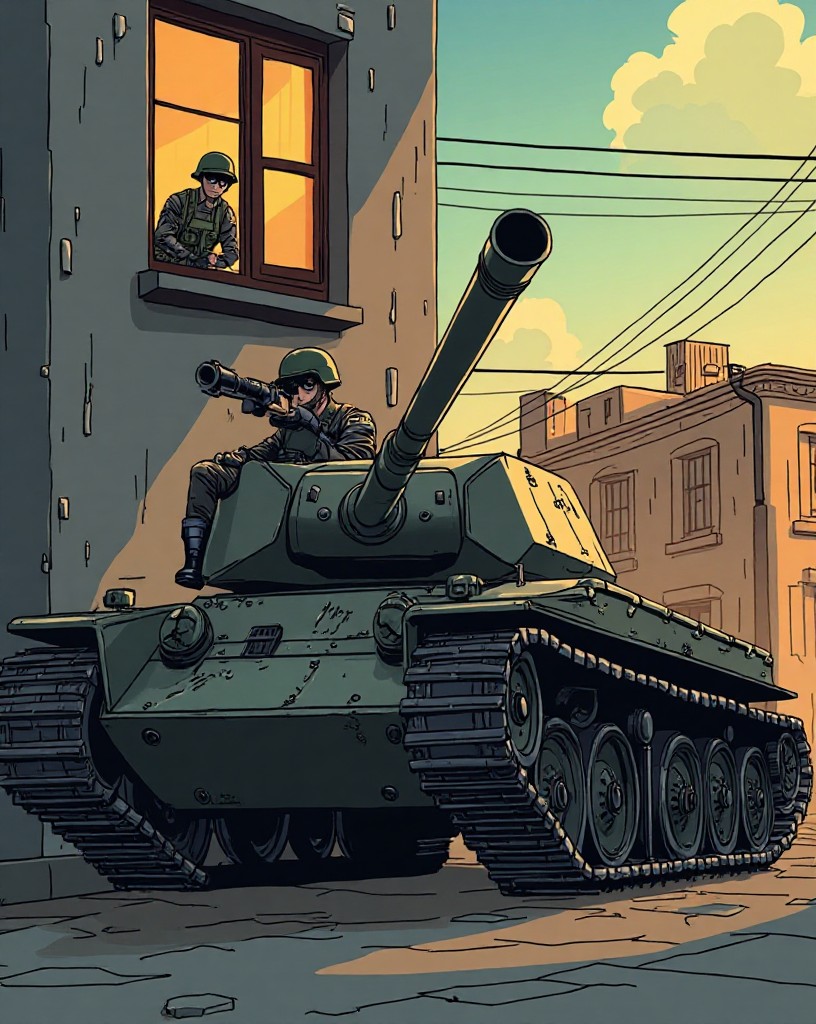
The defenders discover the building's hidden advantage. A tank that drives right up against the walls cannot raise its gun high enough to hit the upper floors.
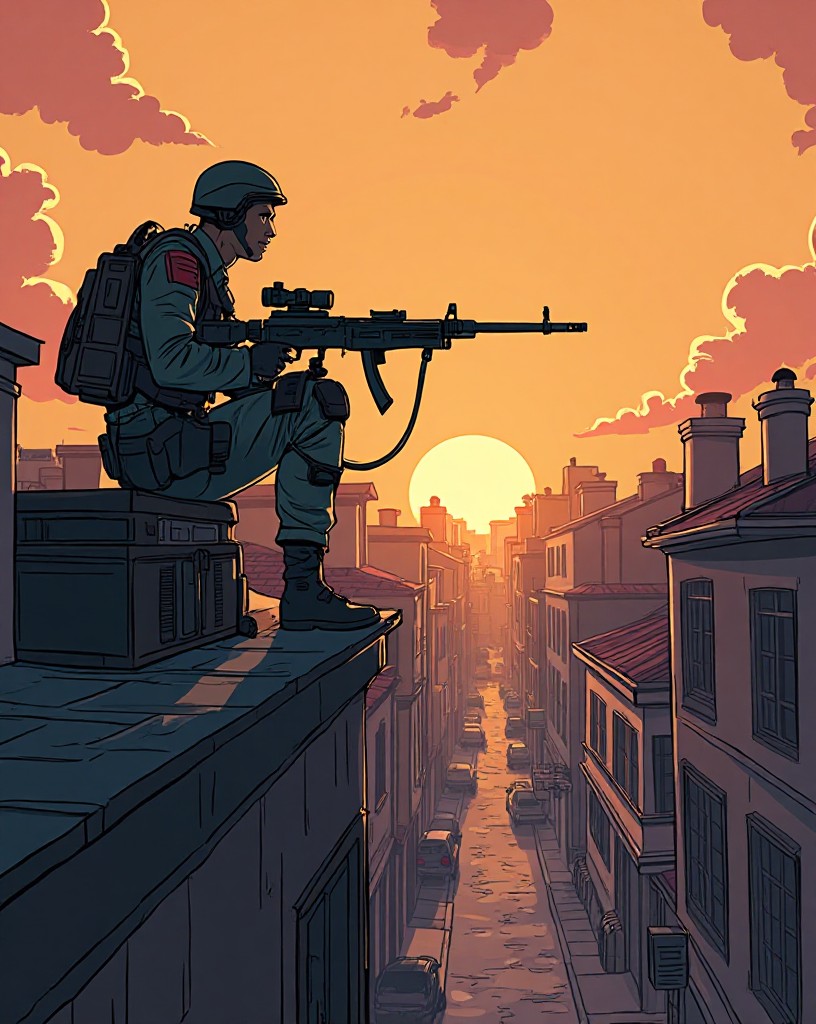
Sgt. Pavlov
“Let them come close. The closer they get, the less they can do to us — and the more we can do to them. Take them from the roof.”

From the upper floors and the roof, anti-tank rifles and grenades knock out tank after tank in the square below. The wrecks pile up where they fall.
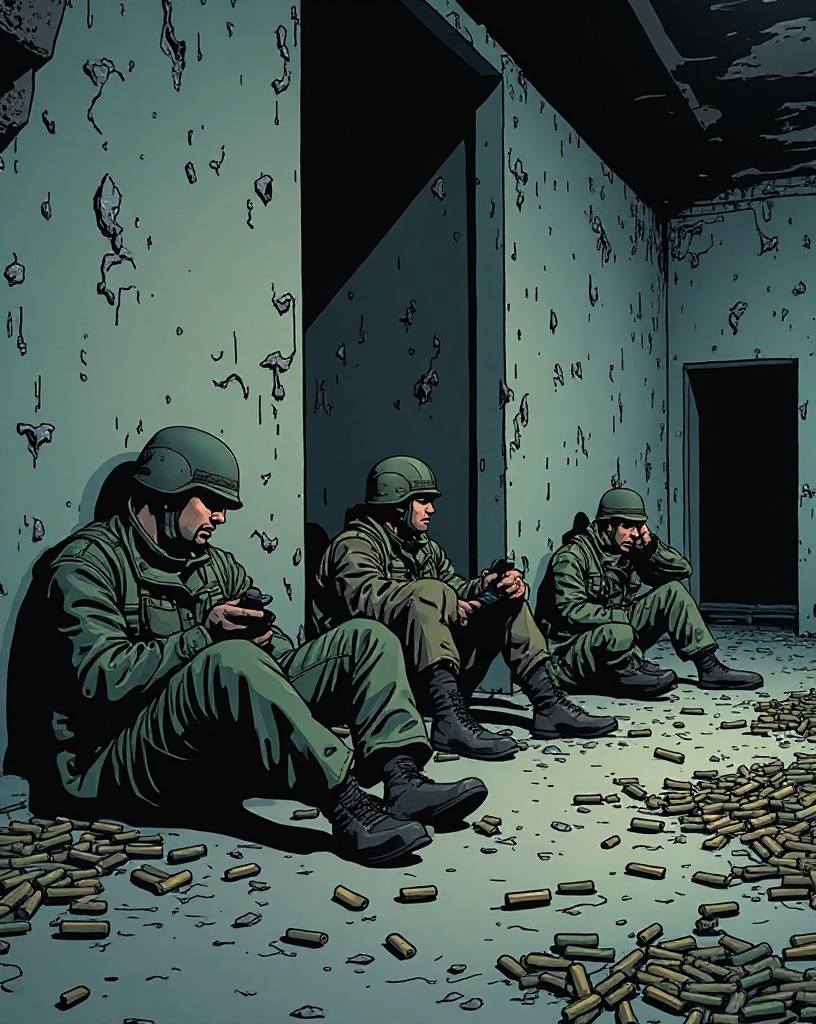
Days blur into weeks. The men sleep in shifts, eat whatever comes up the trench, and hold. Scarred and smoking at the edges, the building does not fall.
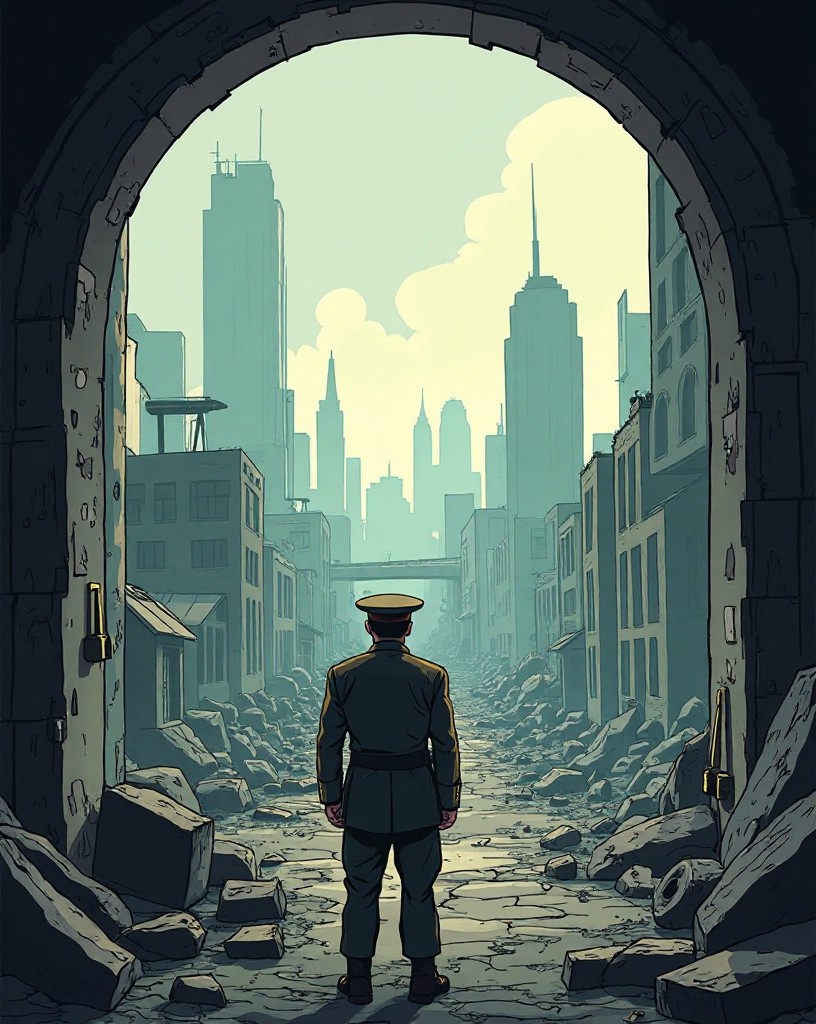
Gen. Chuikov
“The enemy lost more men trying to take this one house than they lost taking the whole of Paris.”
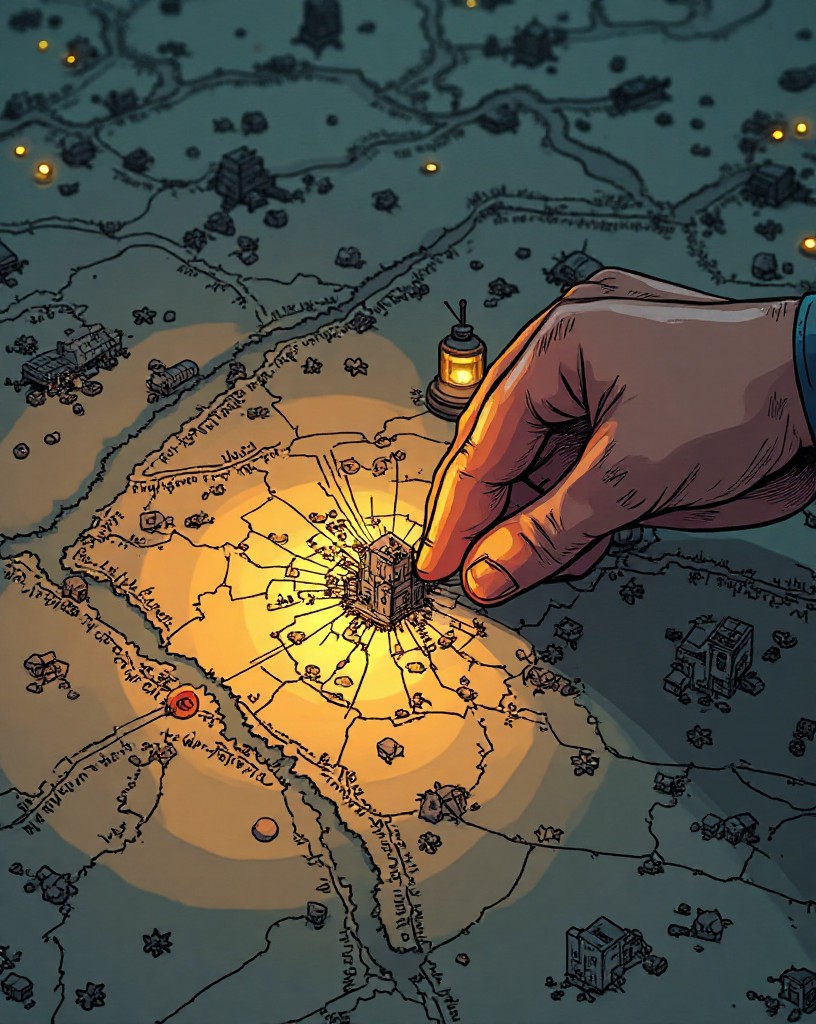
On the German maps of Stalingrad, the building is no longer marked as an address. It is marked as a fortress.

Fifty-eight days. Then, on the nineteenth of November, the Soviet counteroffensive erupts to the north and south of the city, and the great encirclement of the German Sixth Army begins.
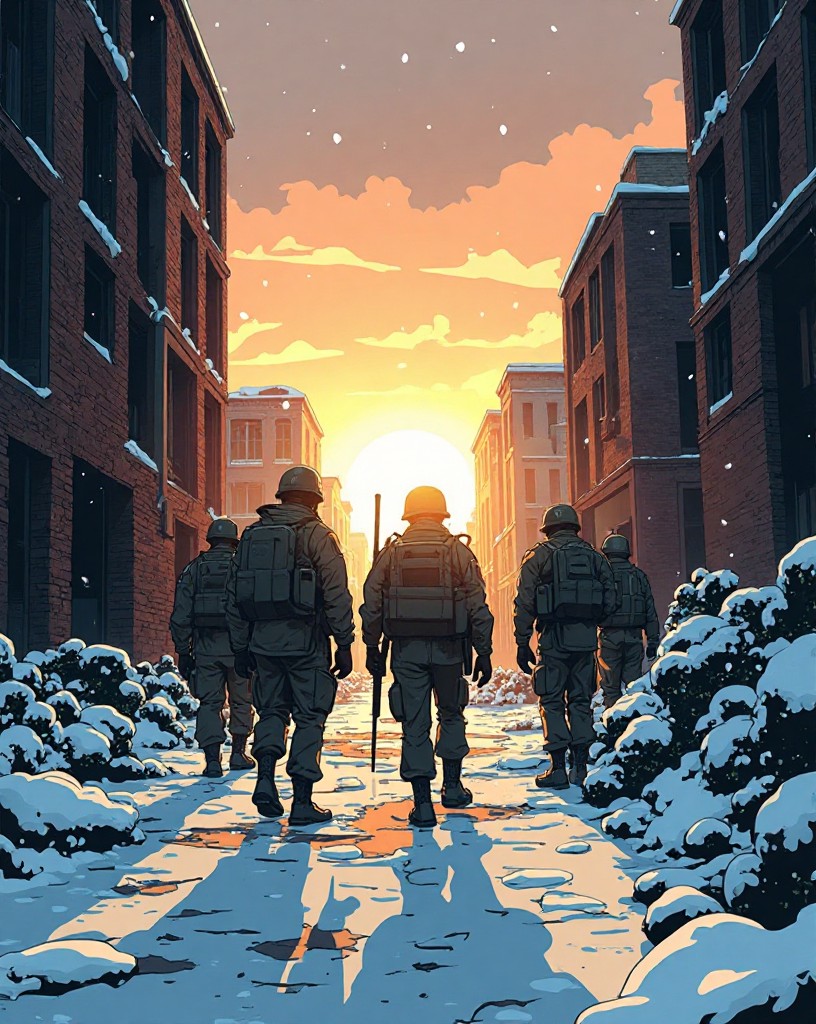
The pressure on the house finally eases. The men who held it walk out alive — most of them. They had not given up a single floor.
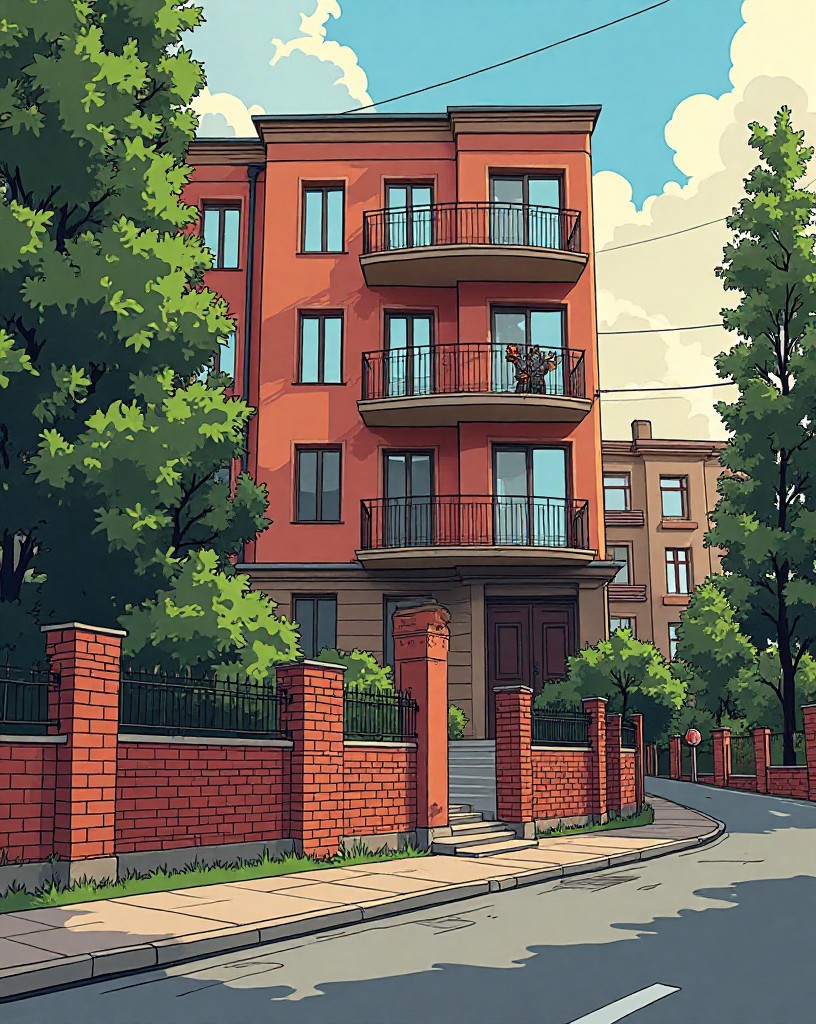
The building was rebuilt after the war. One end was left scarred and bare on purpose — a memorial in brick to the handful of men who turned a Stalingrad apartment block into a fortress that an army could not take.
Sources
This story was adapted from the following. The illustrations are stylized depictions, not photographs of the events.
Stalingrad: The Fateful Siege, 1942–1943, Antony Beevor (1998)
Standard narrative history of the battle; covers the defence of the house.
The Battle for Stalingrad (memoir), Vasily Chuikov (1964)
Account by the commander of the Soviet 62nd Army.
“Pavlov's House”, Wikipedia
Overview and references for the timeline, garrison, and figures.
That’s the story.
More are in the studio. Head back to the collection to see what’s coming.