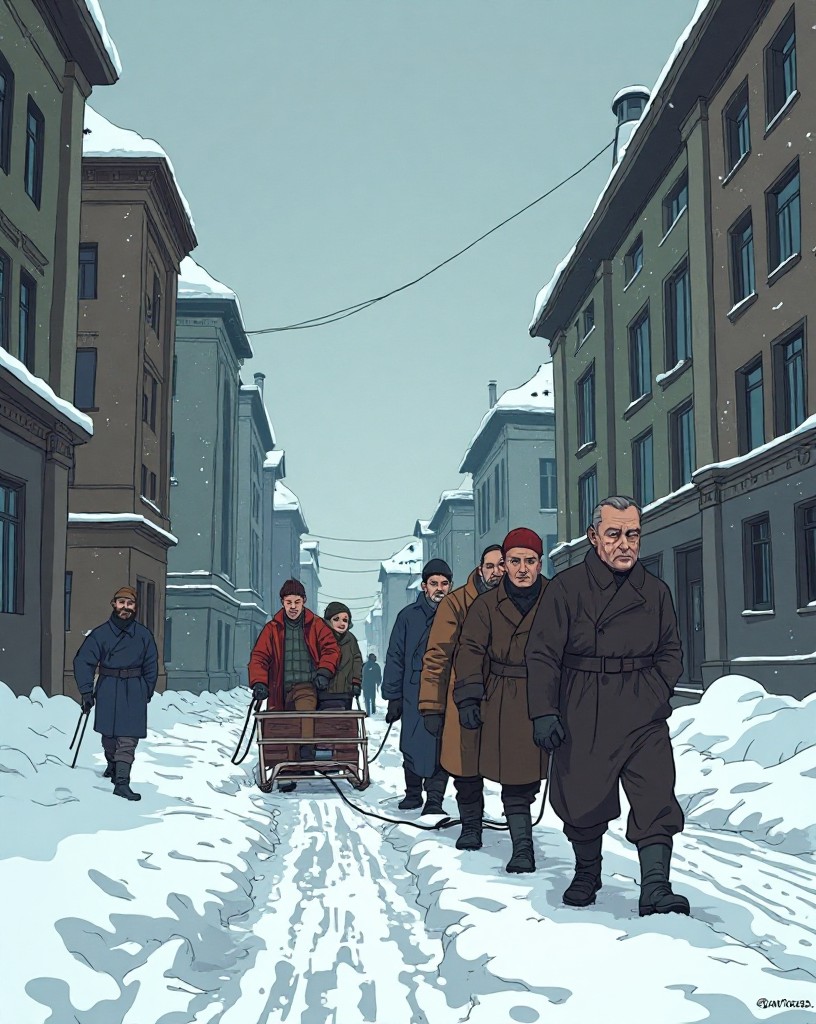
The Siege of Leningrad
Eight hundred and seventy-two days of hunger, and a city that would not fall.
Leningrad · 1941–44
1941. Hitler's armies have swept deep into the Soviet Union, and one of their great prizes is the city of Leningrad — cradle of the Russian Revolution. But the Germans decide not to storm it. They will do something colder: encircle it, and starve it to death.
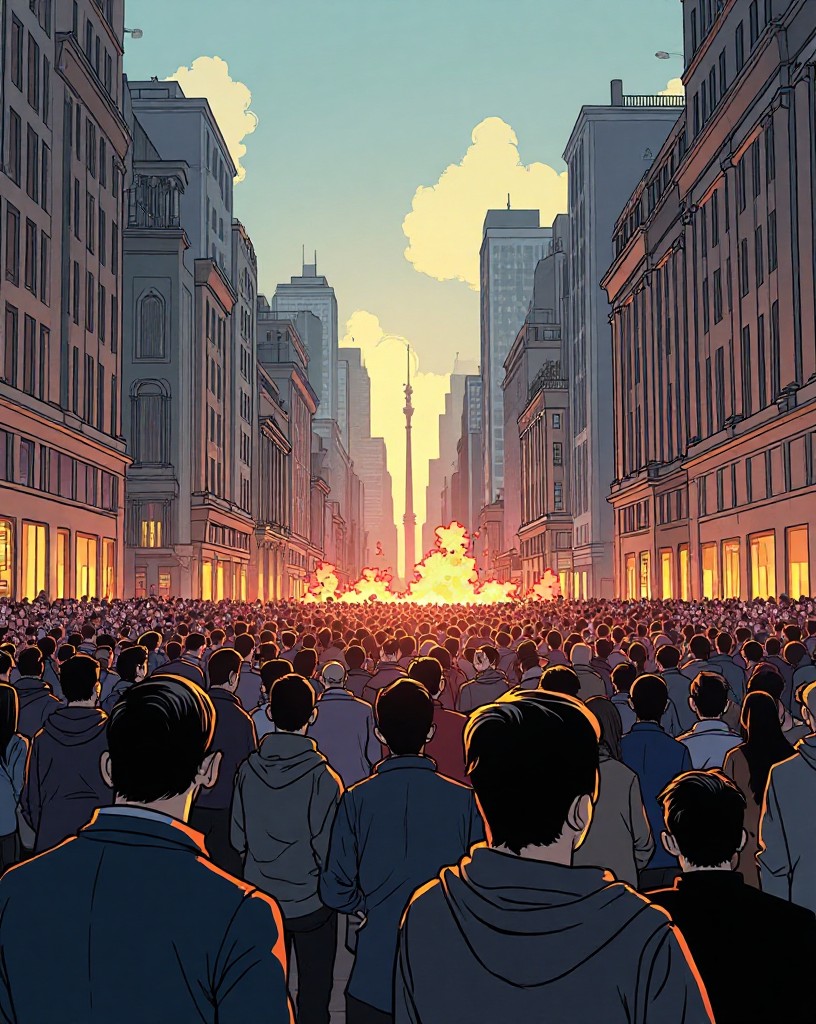
By September the ring is closed. Nearly three million people — soldiers and civilians, including hundreds of thousands of children — are trapped inside, cut off from the world.
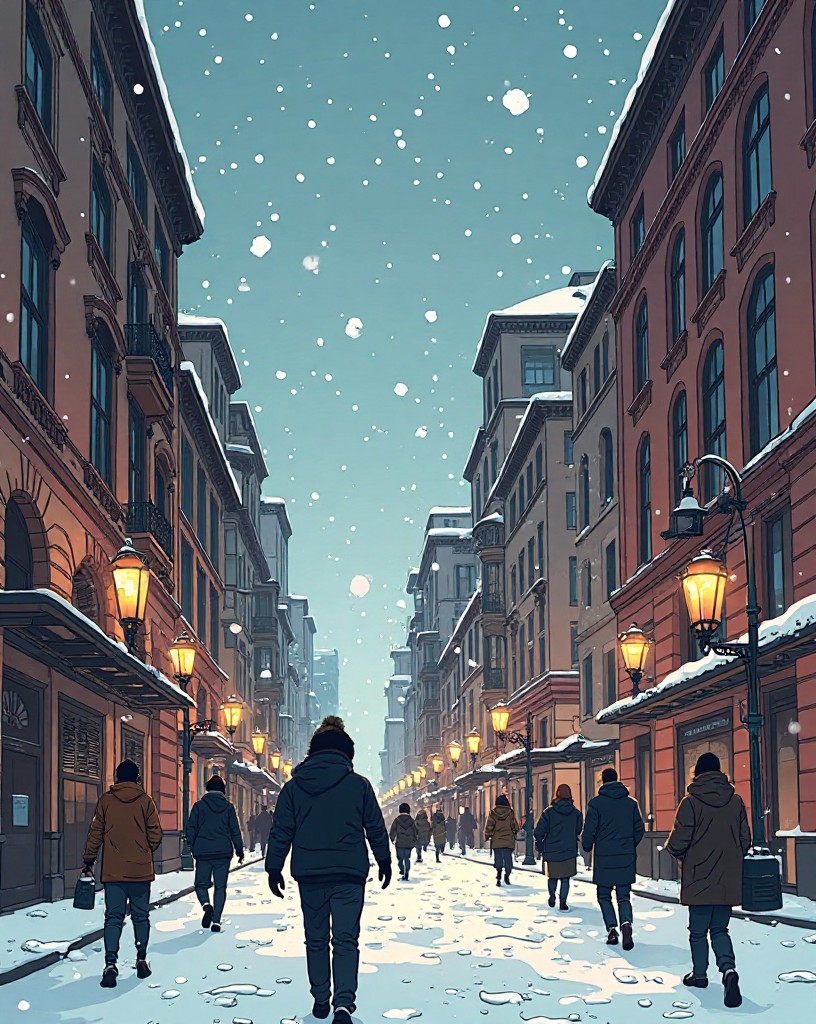
The Germans shell the city and wait. Then the first winter comes — one of the coldest on record — and with it, hunger such as a modern city has never known.
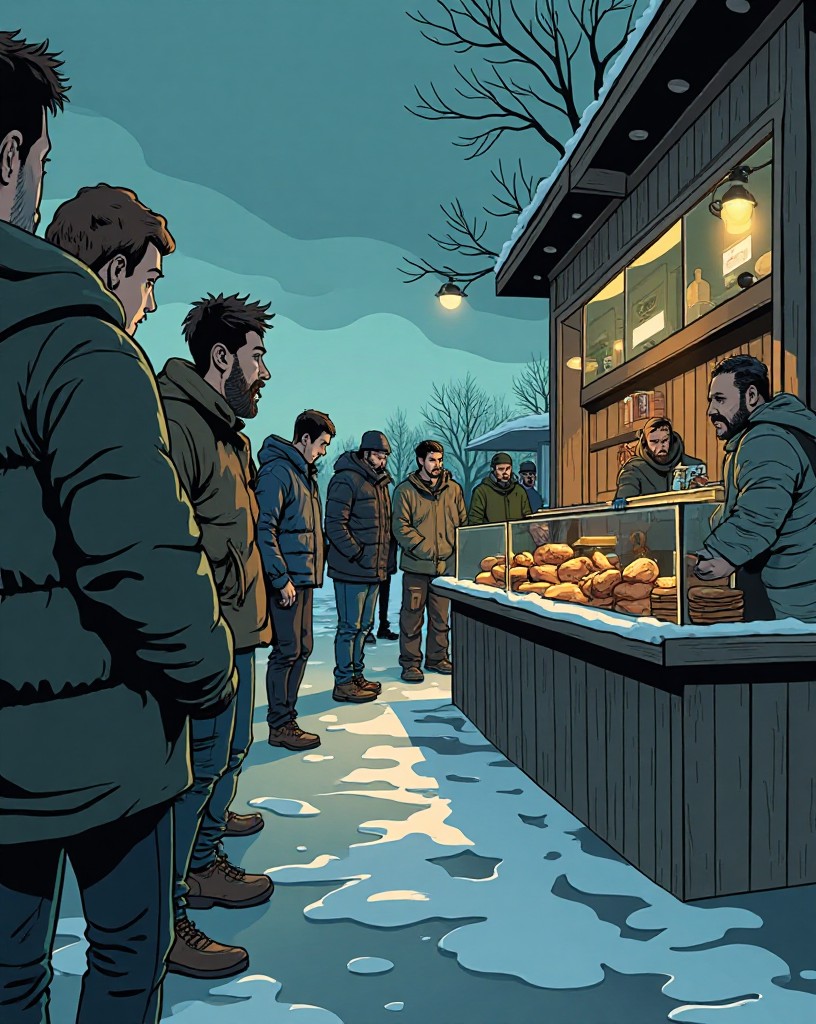
The bread ration shrinks to a few ounces a day, eked out with sawdust. People burn furniture and books to survive the cold. The starving die in the streets and in their beds.
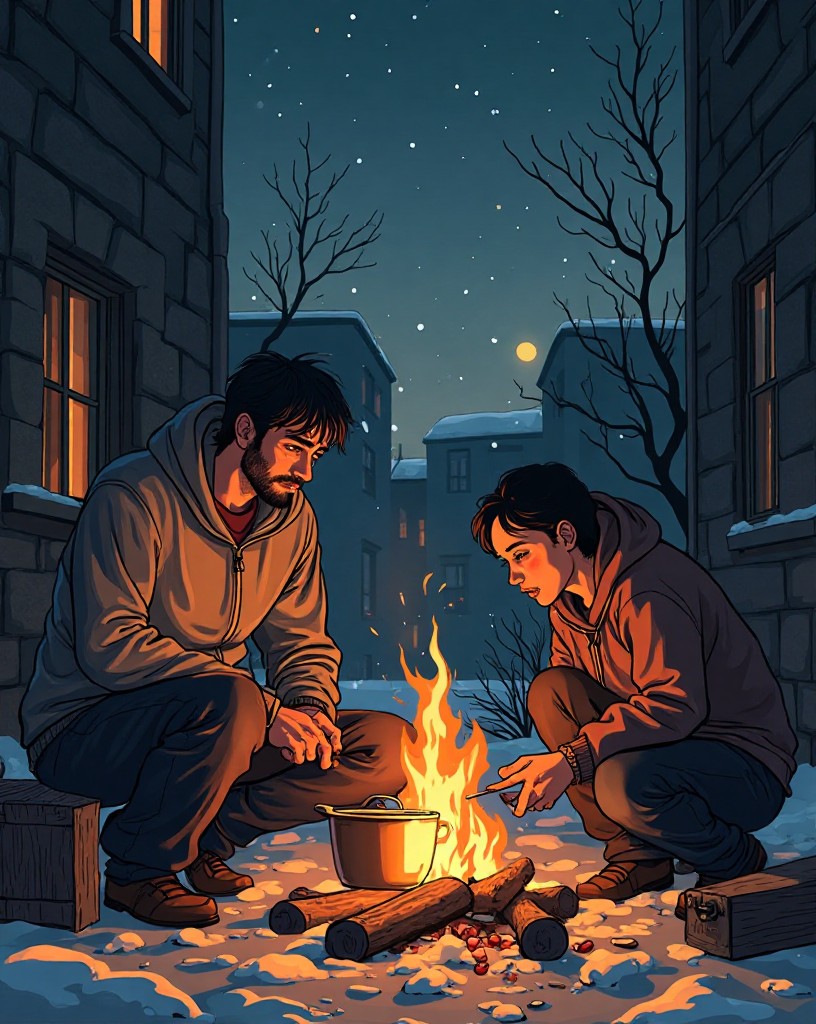
A Leningrader
“We have nothing. So we will share the nothing. And we will not give them the city.”
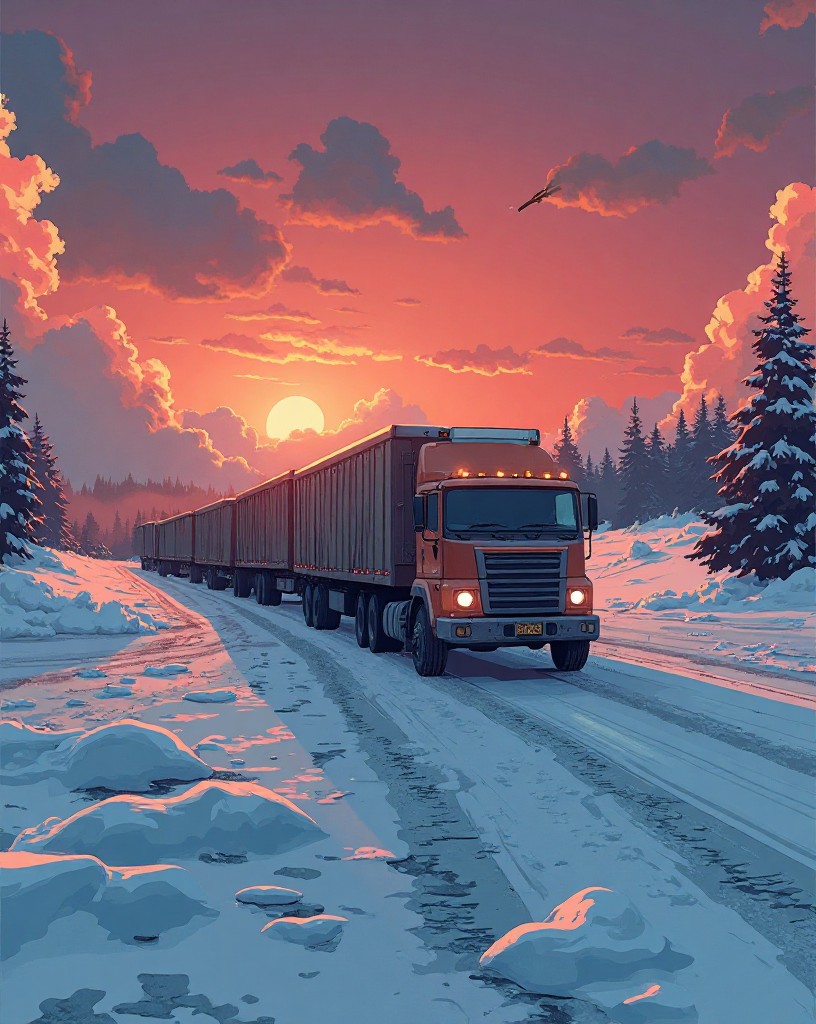
There is one fragile lifeline. In winter the vast Lake Ladoga freezes solid, and across the ice the Soviets run a perilous supply route — trucks driving through shellfire and cracking ice. They call it the Road of Life.
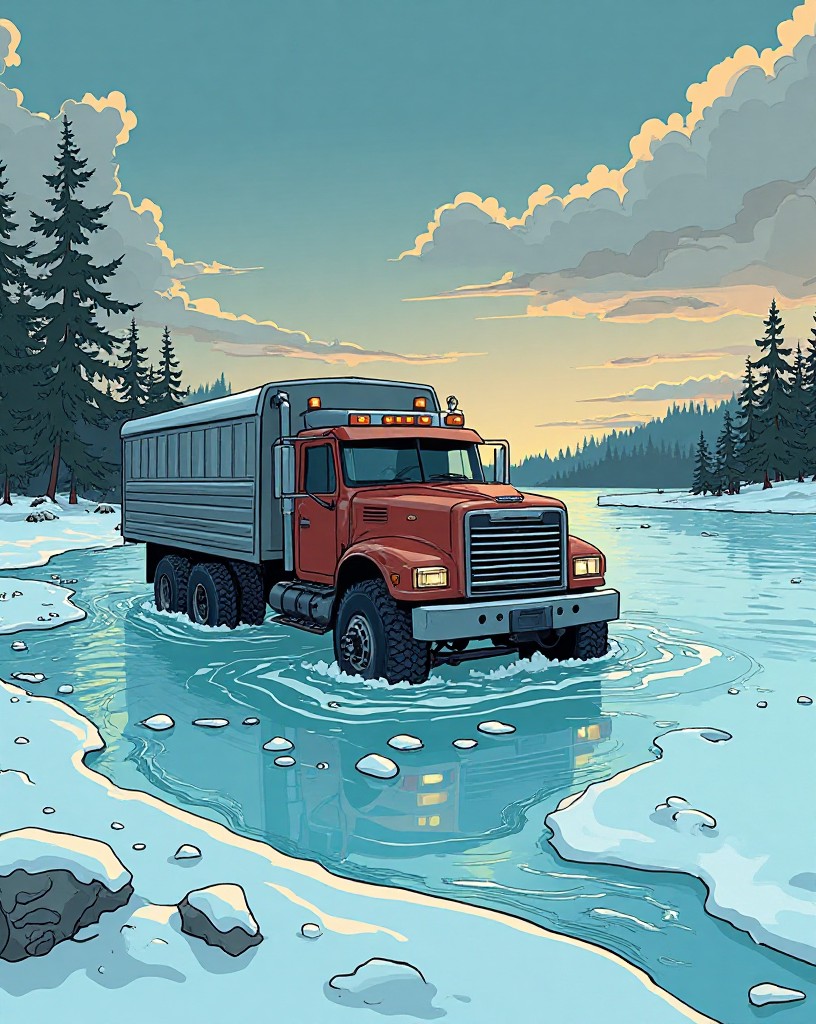
Over the ice come a trickle of food, and out go the weakest — children and the sick — though many trucks vanish through the ice into the freezing water below.
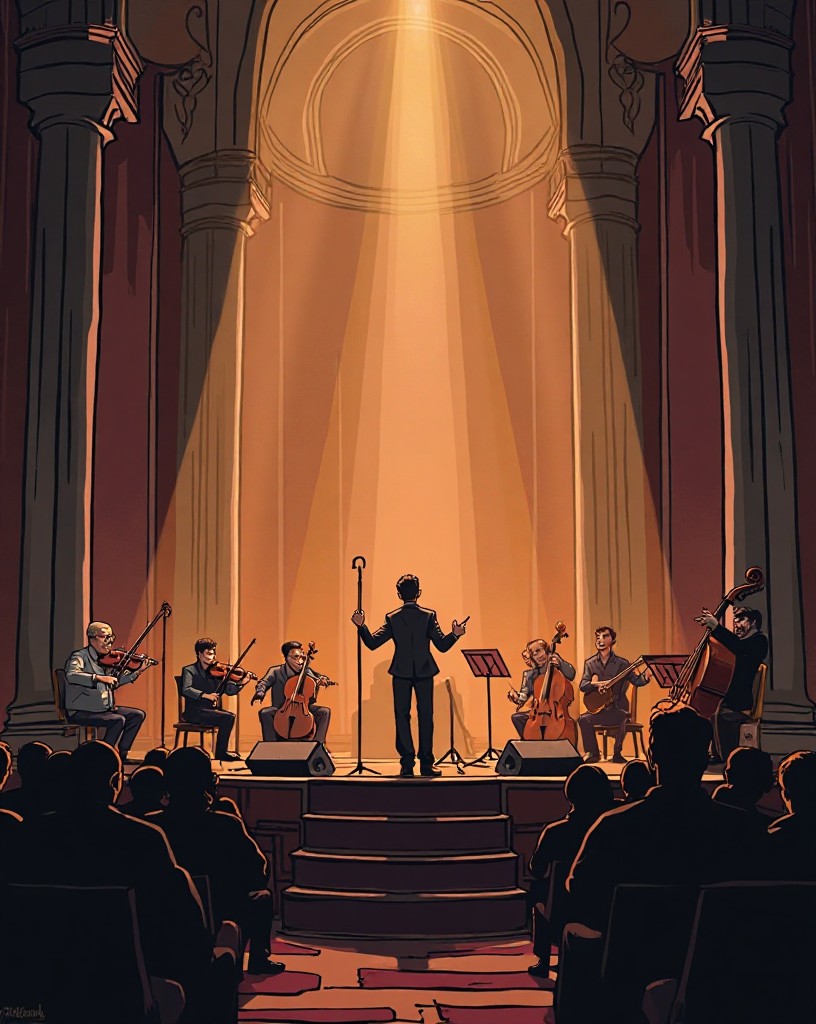
Inside the city, life refuses to stop. Factories keep working. And in the starving, shell-battered city, an orchestra of half-dead musicians performs a new symphony — broadcast by loudspeaker toward the German lines, proof that Leningrad still lives.
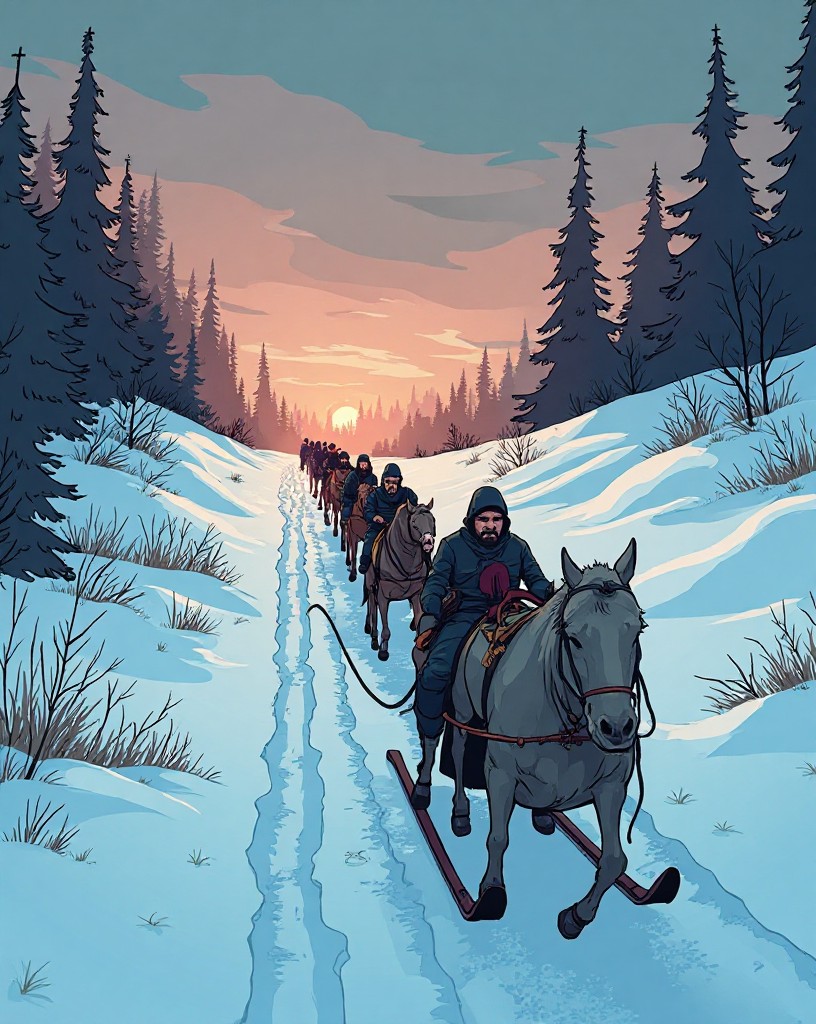
Month after month, winter after winter, the siege grinds on. The death toll climbs into the hundreds of thousands, then past a million — most of them starved.
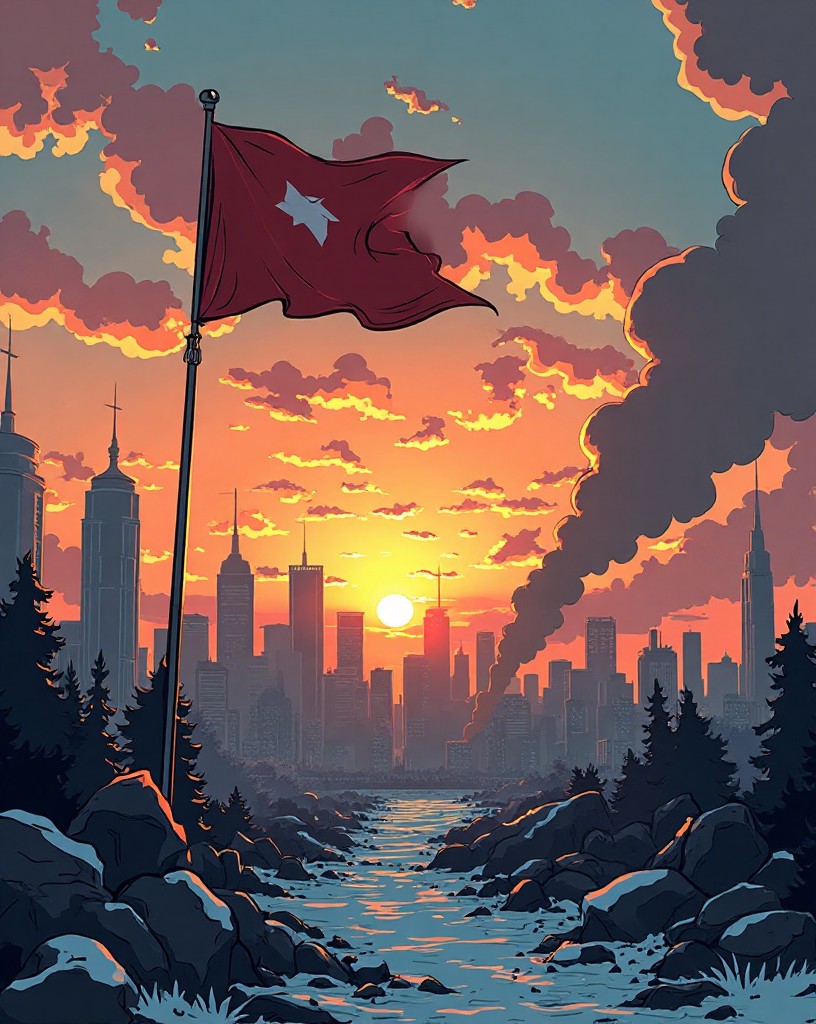
But the city holds. Through nearly nine hundred days of hunger and shellfire, Leningrad never surrenders.
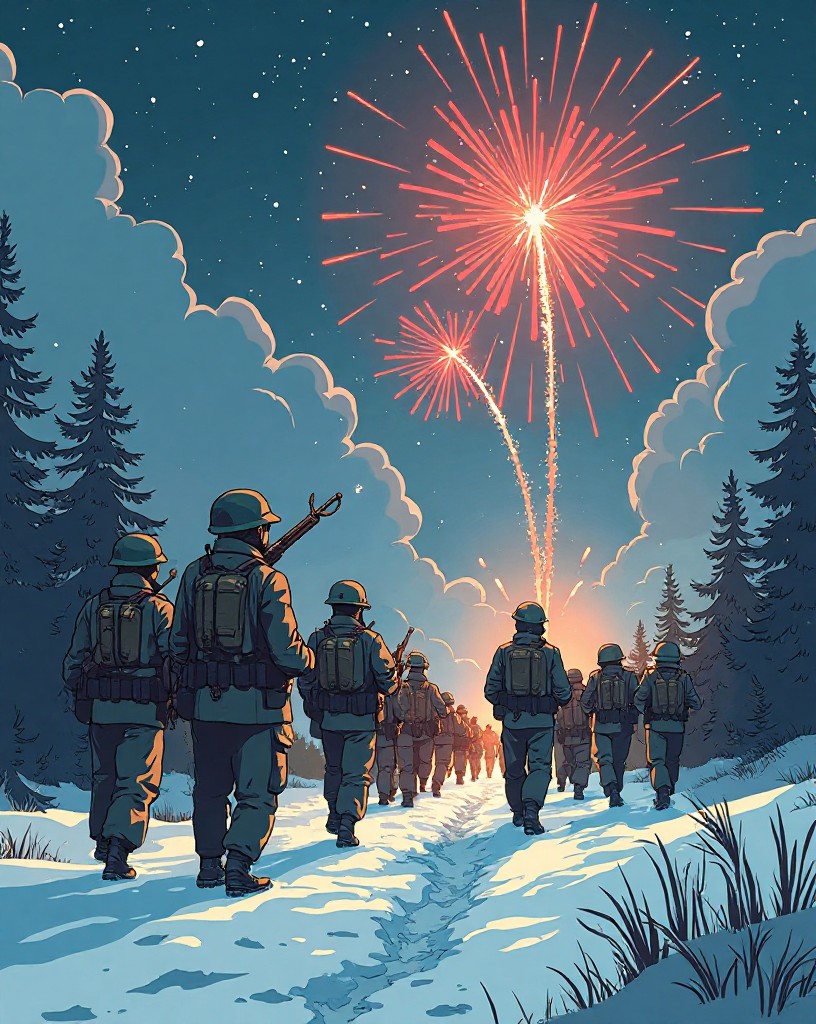
In January 1944, a Soviet offensive finally smashes the ring and lifts the siege for good.
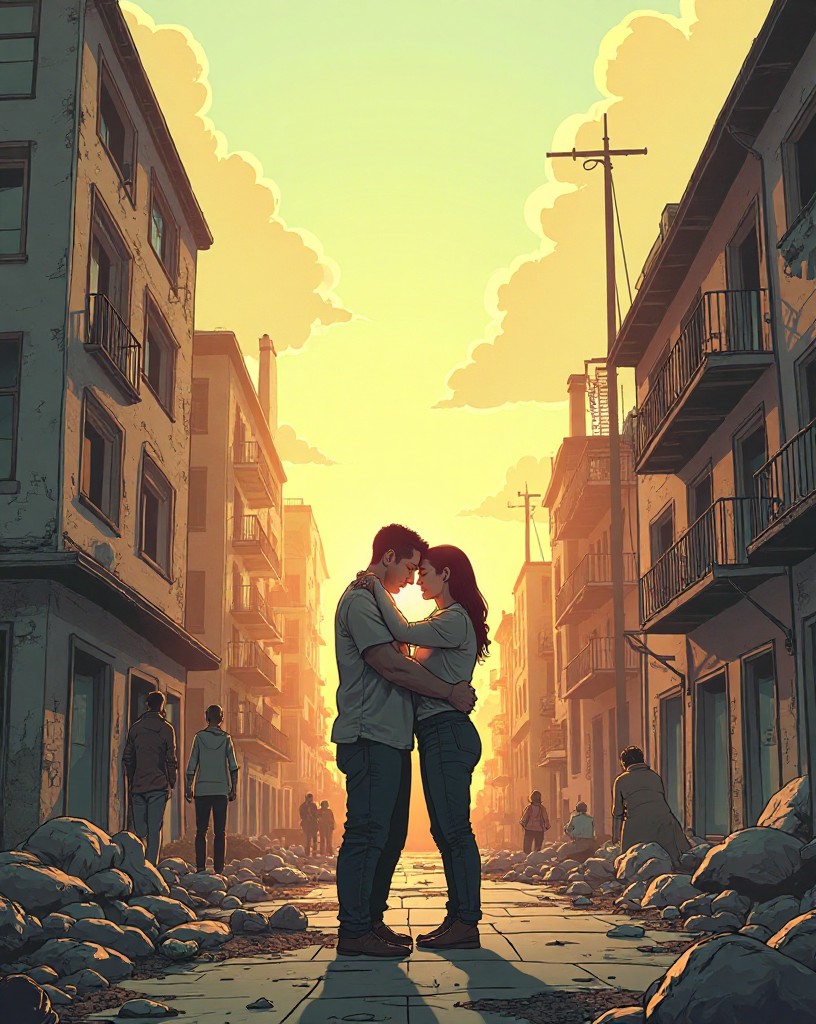
The siege lasted some eight hundred and seventy-two days — one of the longest and deadliest in all of history. More died here, mostly of hunger, than in many entire wars. Leningrad had been starved, frozen, and shelled for nearly three years — and it had not fallen.
Sources
This story was adapted from the following. The illustrations are stylized depictions, not photographs of the events.
“Siege of Leningrad”, Wikipedia
Overview, the Road of Life, and the death toll.
The 900 Days: The Siege of Leningrad, Harrison E. Salisbury (1969)
Classic history of the siege.
That’s the story.
More are in the studio. Head back to the collection to see what’s coming.