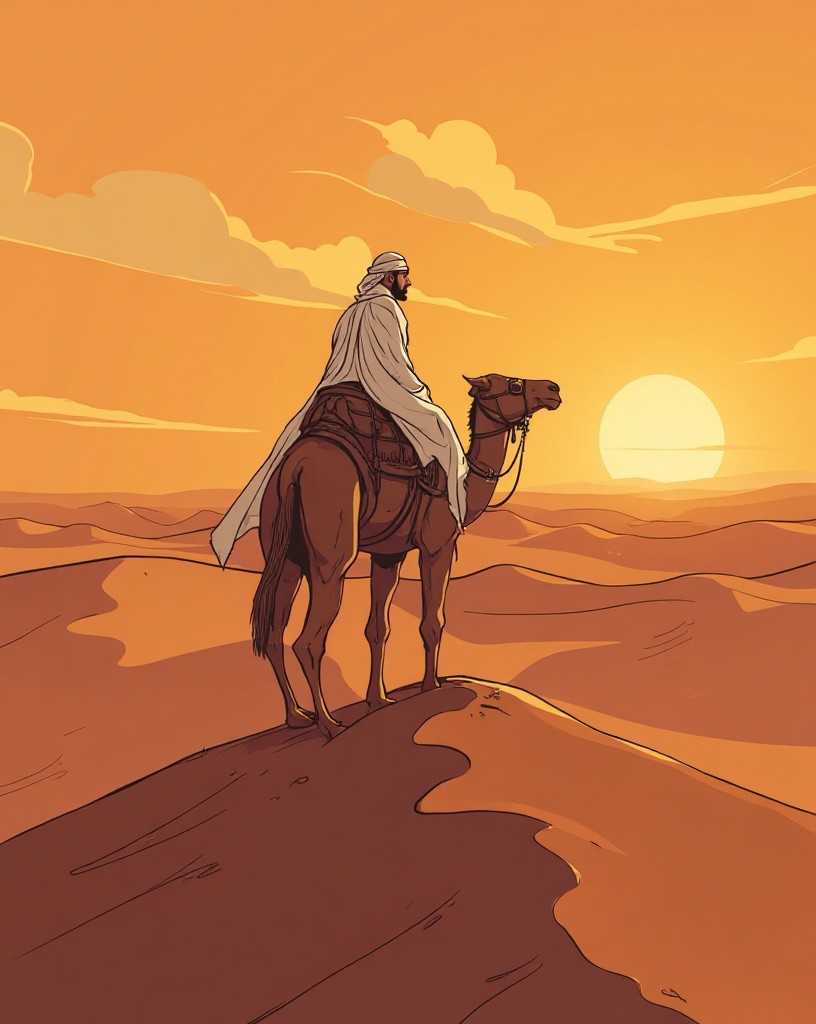
Lawrence of Arabia
A bookish officer, a desert revolt, and a city taken from the wrong direction.
Arabia · 1916–1918
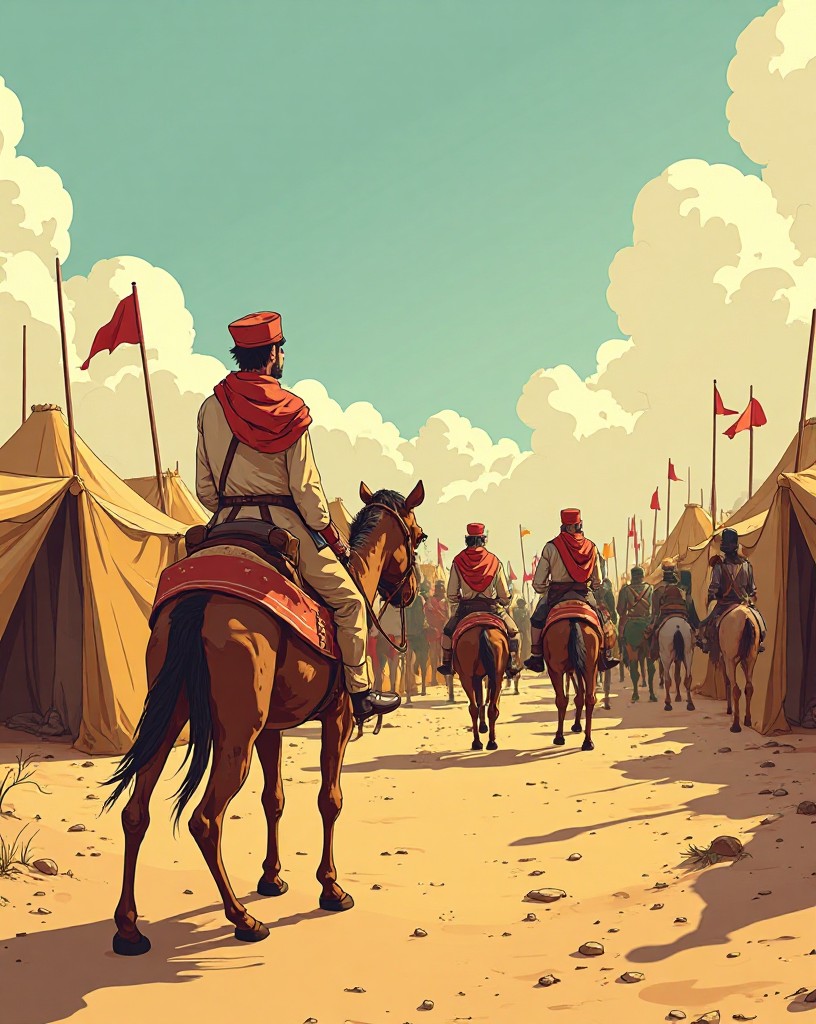
1916. The First World War has set the world alight, and its edges reach deep into the Arabian desert, where the Ottoman Empire rules. A young British officer named T. E. Lawrence is sent to make sense of an Arab uprising against the Turks.
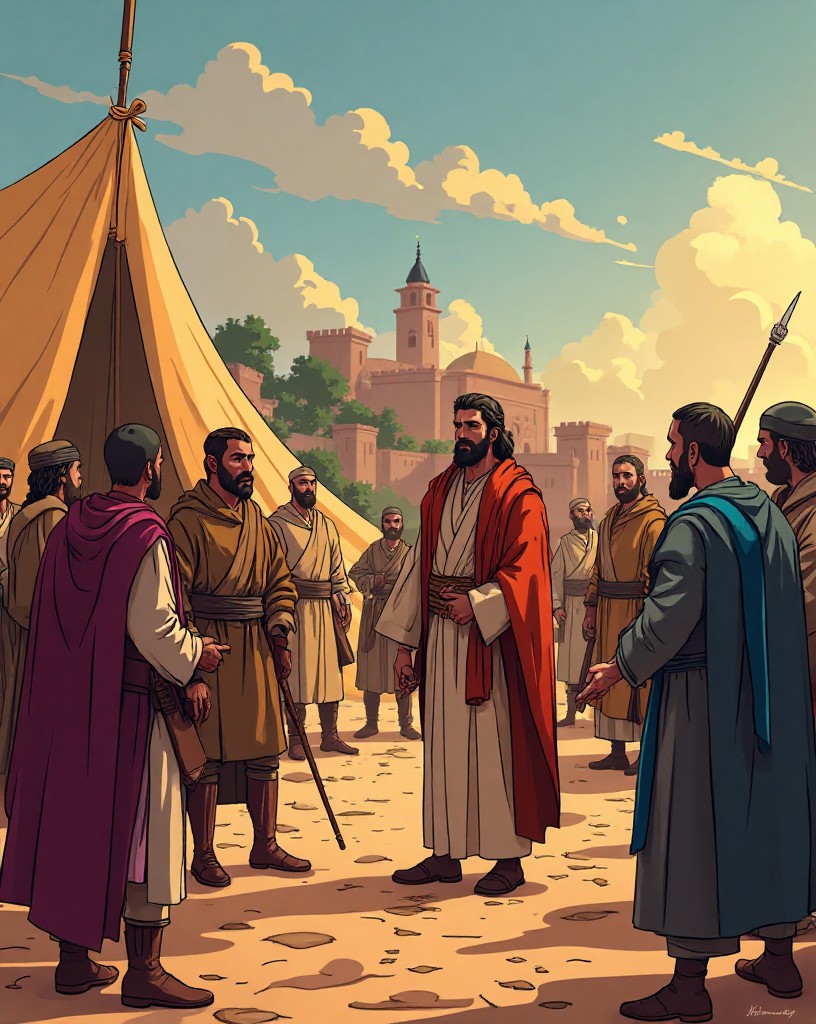
He finds a scattered revolt led by Emir Faisal — brave tribesmen, but no match for Ottoman artillery and railways in open battle.
T. E. Lawrence
“We cannot beat them gun for gun. So we will not fight their war. We will fight ours — strike, vanish into the desert, and strike again where they least expect it.”
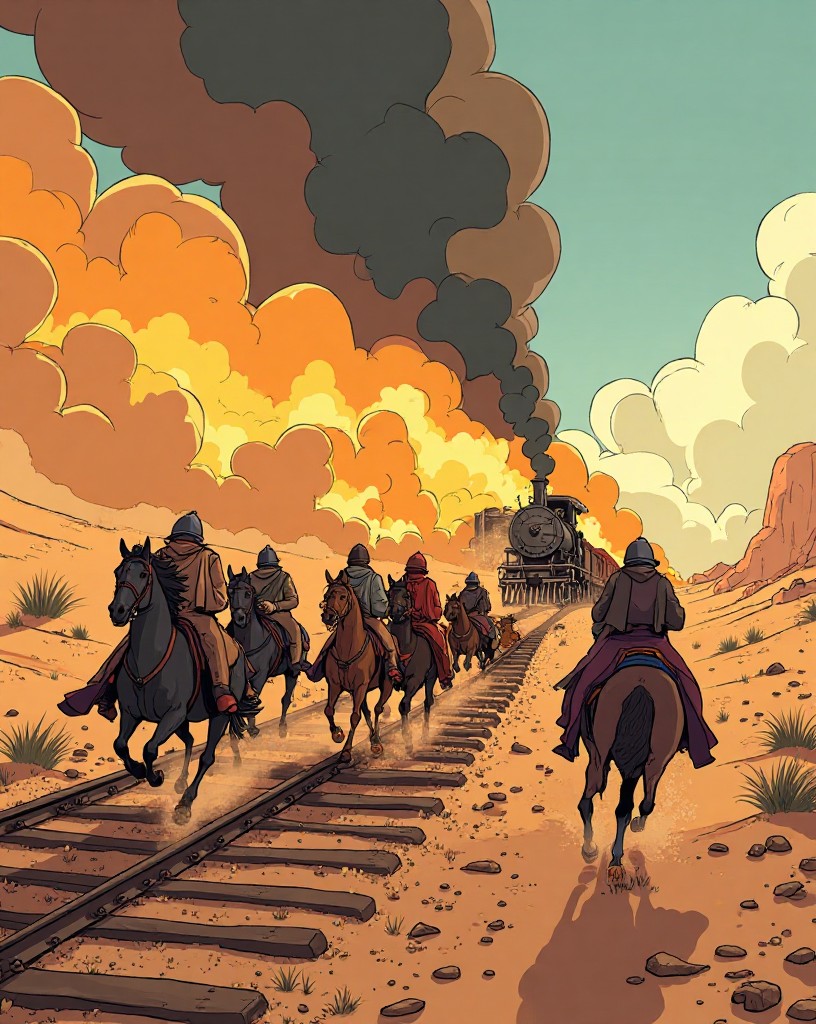
Lawrence takes up Arab dress and ways, and helps turn the revolt into a campaign of raids — blowing up the Hejaz railway that feeds the Turkish garrisons, again and again.
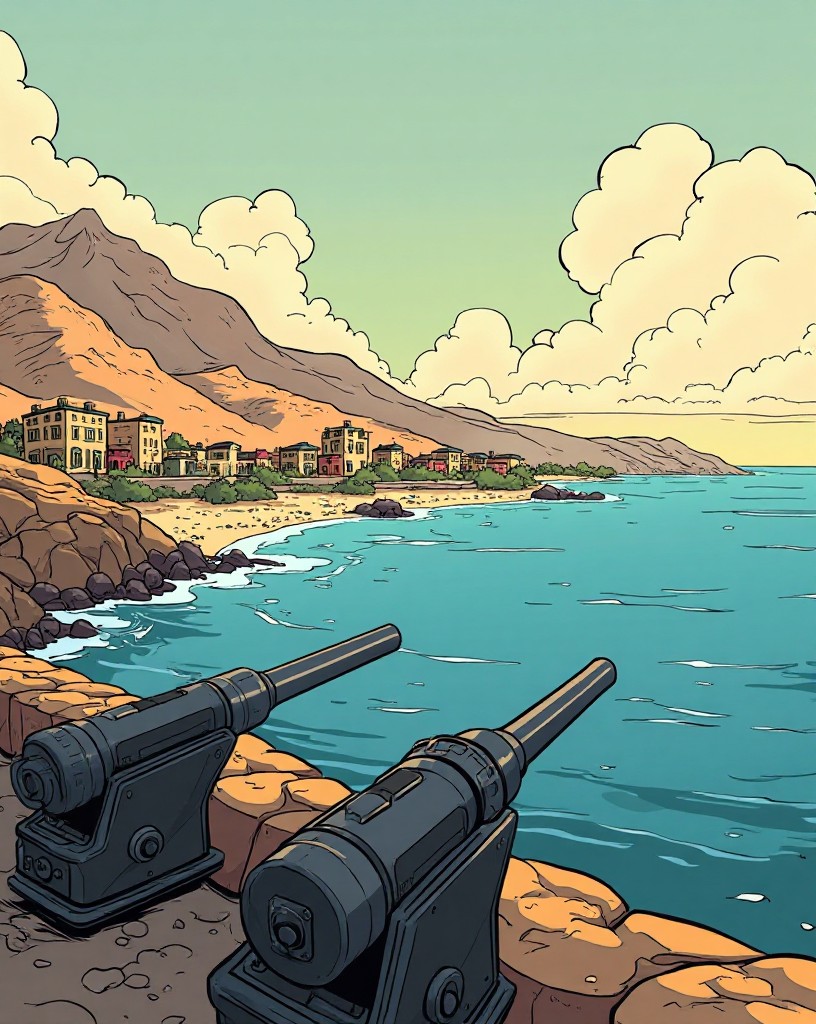
His boldest idea is the port of Aqaba. Its guns face the sea, braced for any attack from the water. Lawrence proposes the impossible: take it from behind, across the open desert.
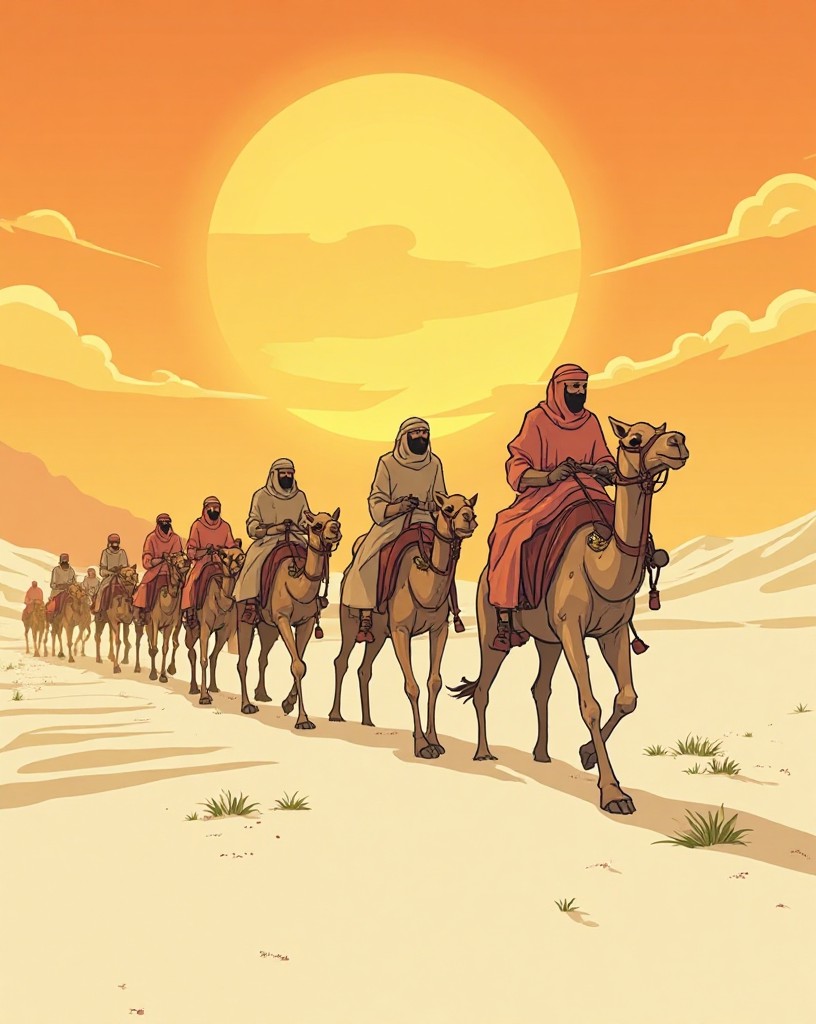
To get there, they must cross the Nefud — a furnace of sand so brutal that even the Bedouin go around it.
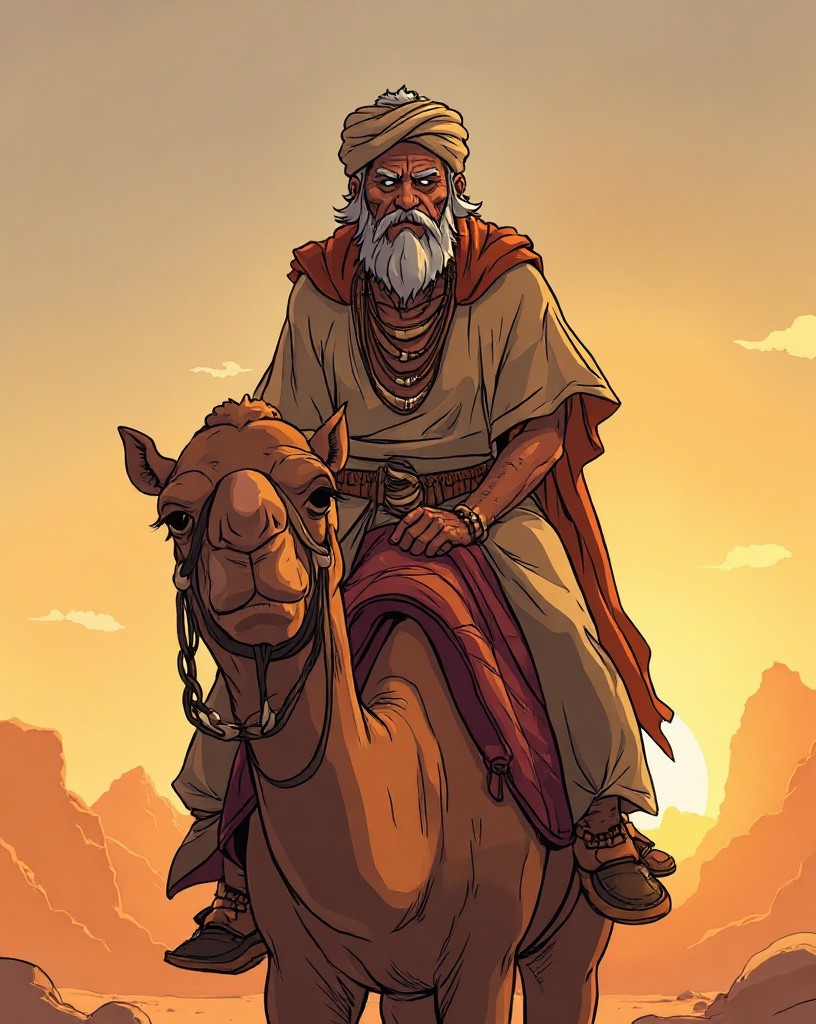
Auda abu Tayi
“Across that? No army has ever come at Aqaba from the land.”

"That," Lawrence answers, "is exactly why it will work." They cross. Men and camels push through waterless days and blistering heat, and emerge behind the unsuspecting town.
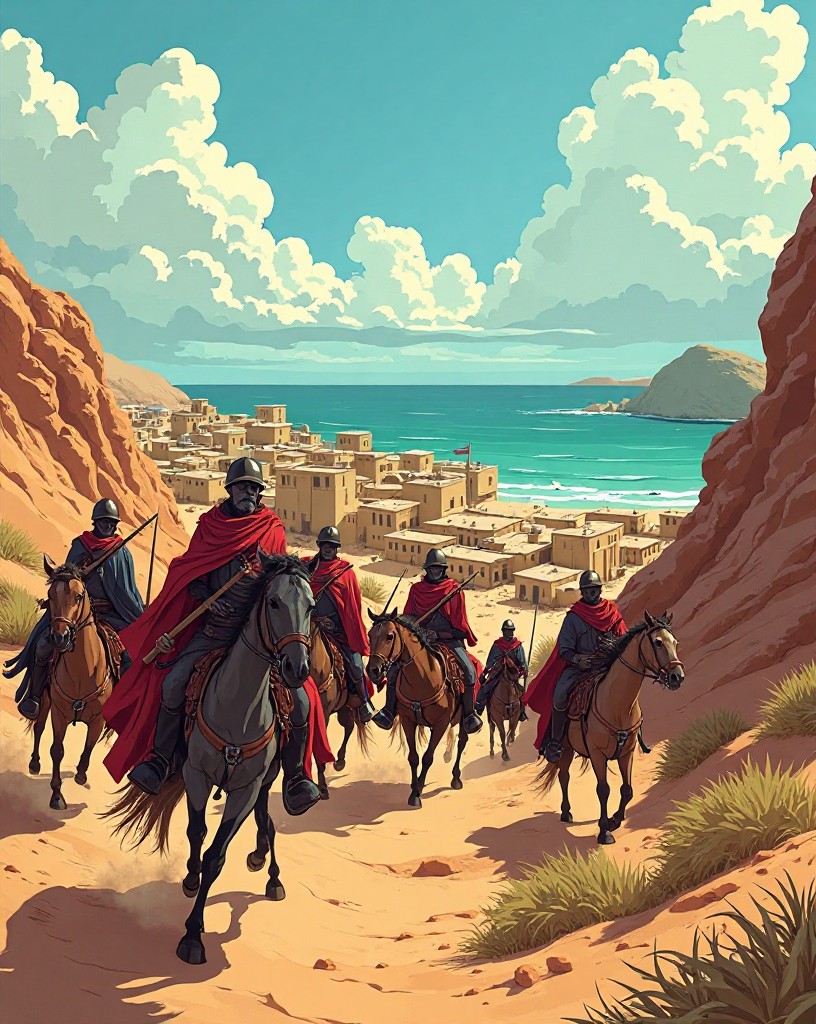
On the 6th of July, 1917, the Arab force sweeps down on Aqaba from the landward side. The great seaward guns are useless, aimed at an enemy that never came by water. The town falls.
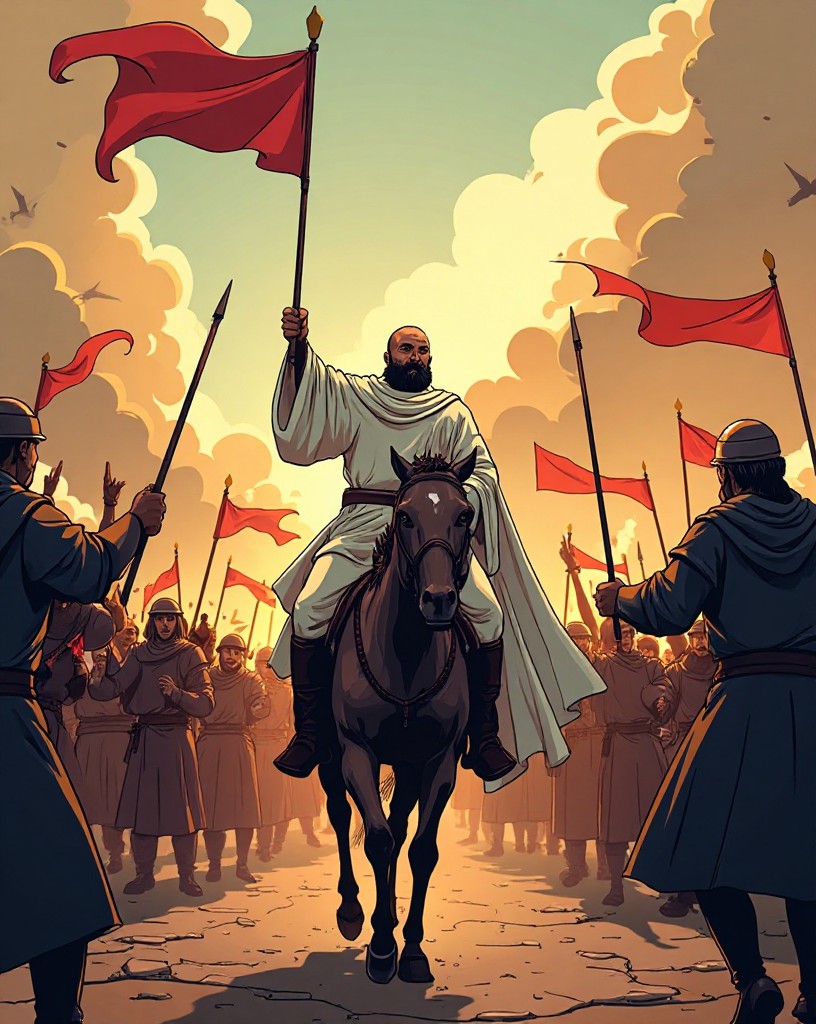
The victory transforms the revolt. Lawrence becomes its restless, driving spirit — and, to the world's newspapers, a legend in white robes.
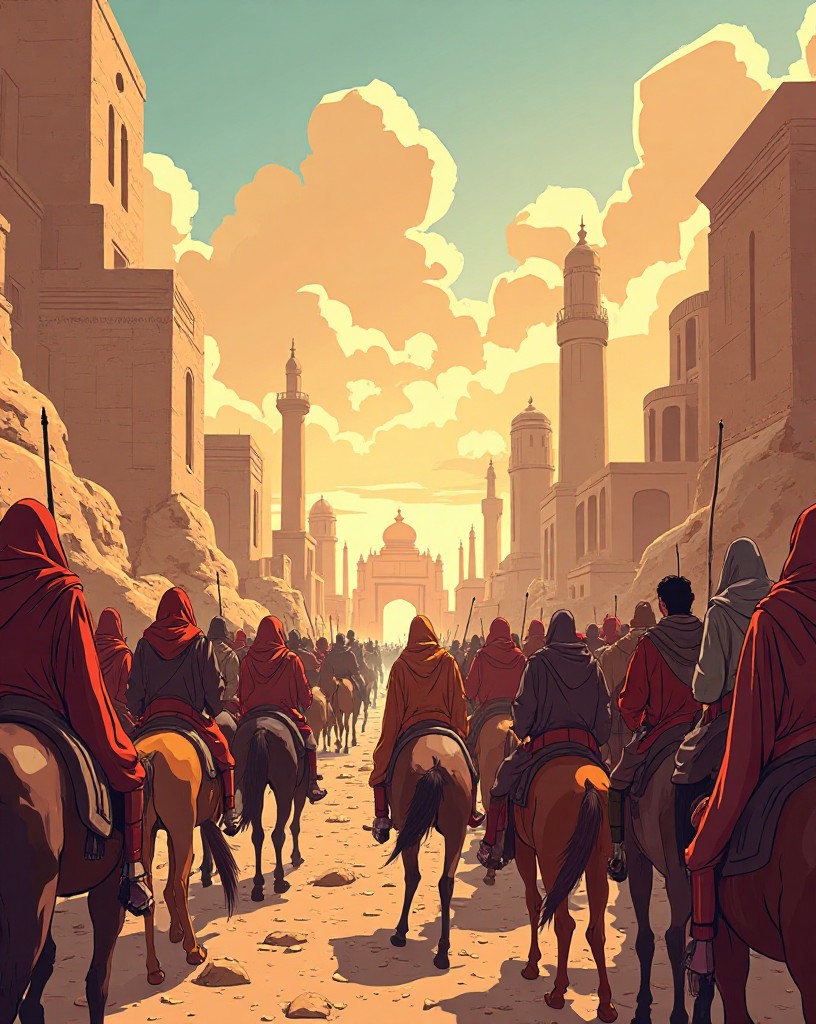
Through 1918 the raids tighten around the Turks, and in October the Arab forces enter Damascus as the Ottoman grip on Arabia falls apart.
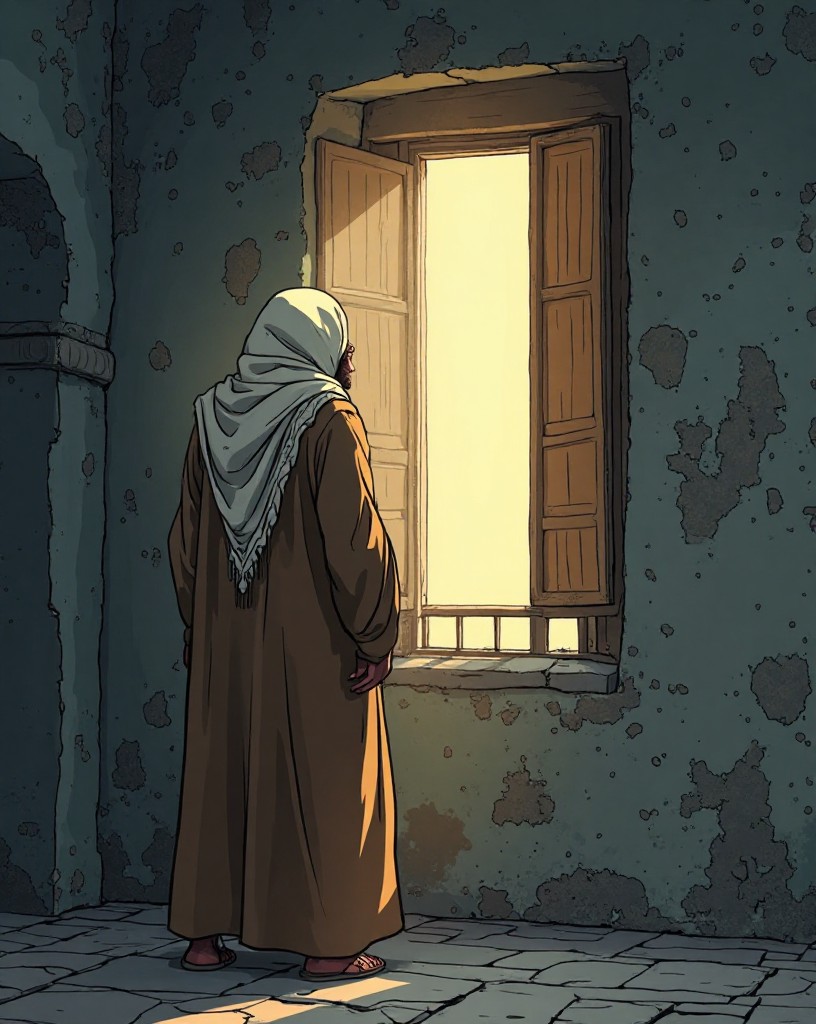
Lawrence went home uneasy with his own fame, haunted by promises made to the Arabs that the empires would not keep. He set it all down in a book, Seven Pillars of Wisdom — and the desert war became one of the great, troubling legends of the age.
Sources
This story was adapted from the following. The illustrations are stylized depictions, not photographs of the events.
Seven Pillars of Wisdom, T. E. Lawrence (1926)
Lawrence's own account of the Arab Revolt.
“T. E. Lawrence” and “Capture of Aqaba”, Wikipedia
Overview and timeline of the campaign.
That’s the story.
More are in the studio. Head back to the collection to see what’s coming.