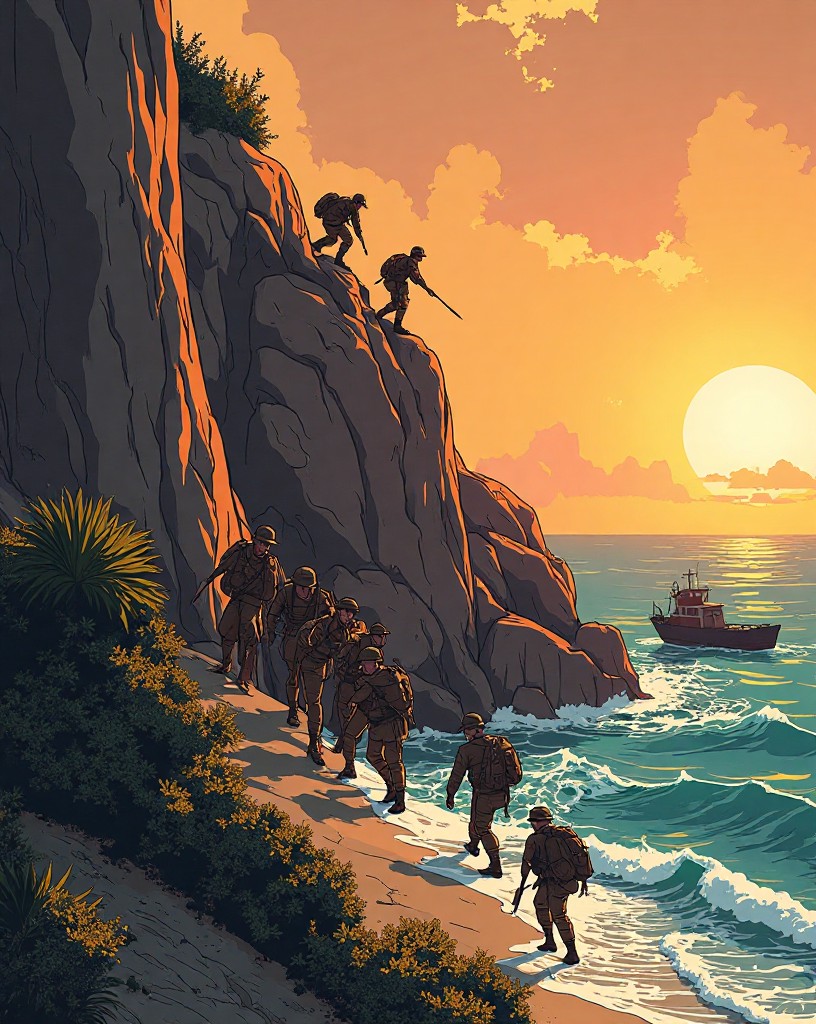
Gallipoli
A bold gamble on a far shore that forged three nations.
Dardanelles · 1915–16
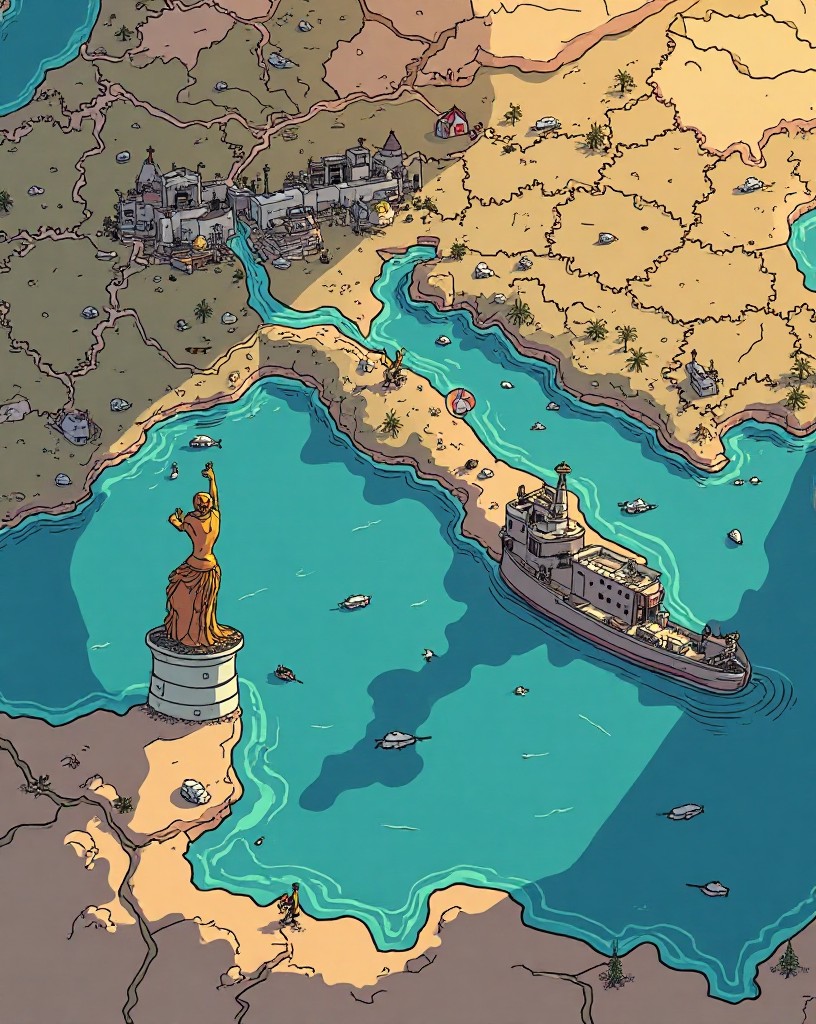
1915. The First World War is frozen in the trenches of the Western Front. Looking for another way to win, the Allies gamble on a bold stroke far to the east: punch through the Dardanelles straits, capture Constantinople, and knock the Ottoman Empire out of the war.
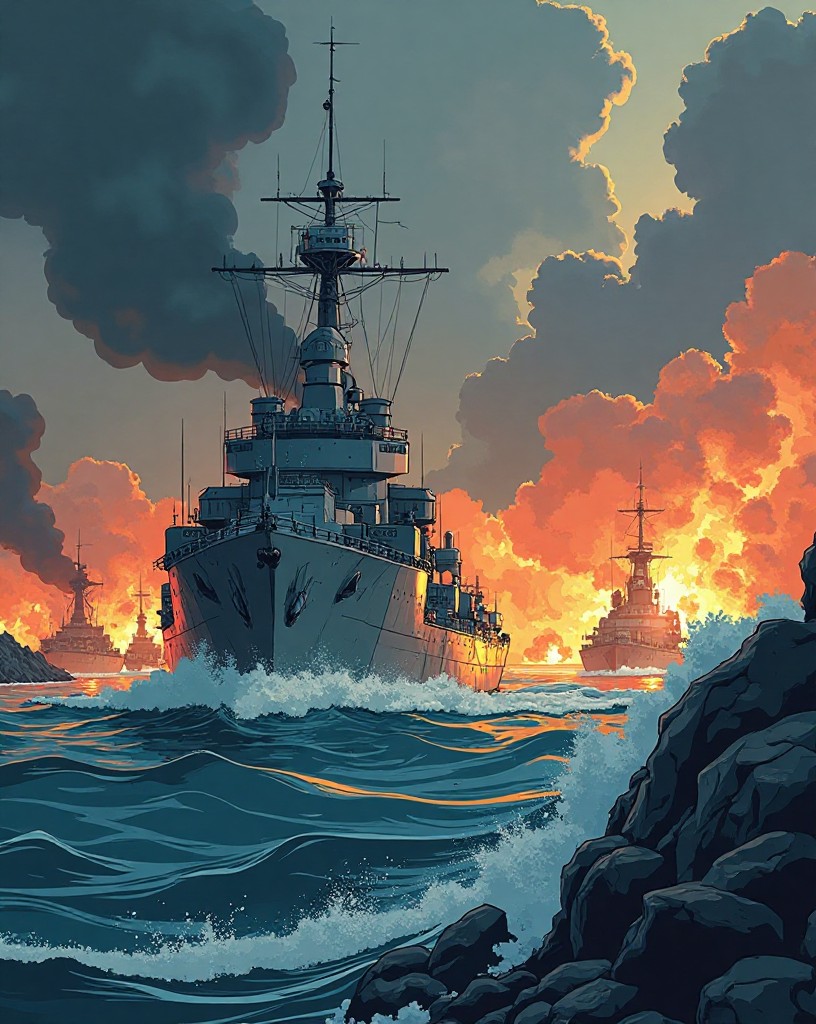
First they try with ships alone. But the narrow straits are mined and lined with guns, and the great fleet is turned back with losses. So the Allies decide to land an army.
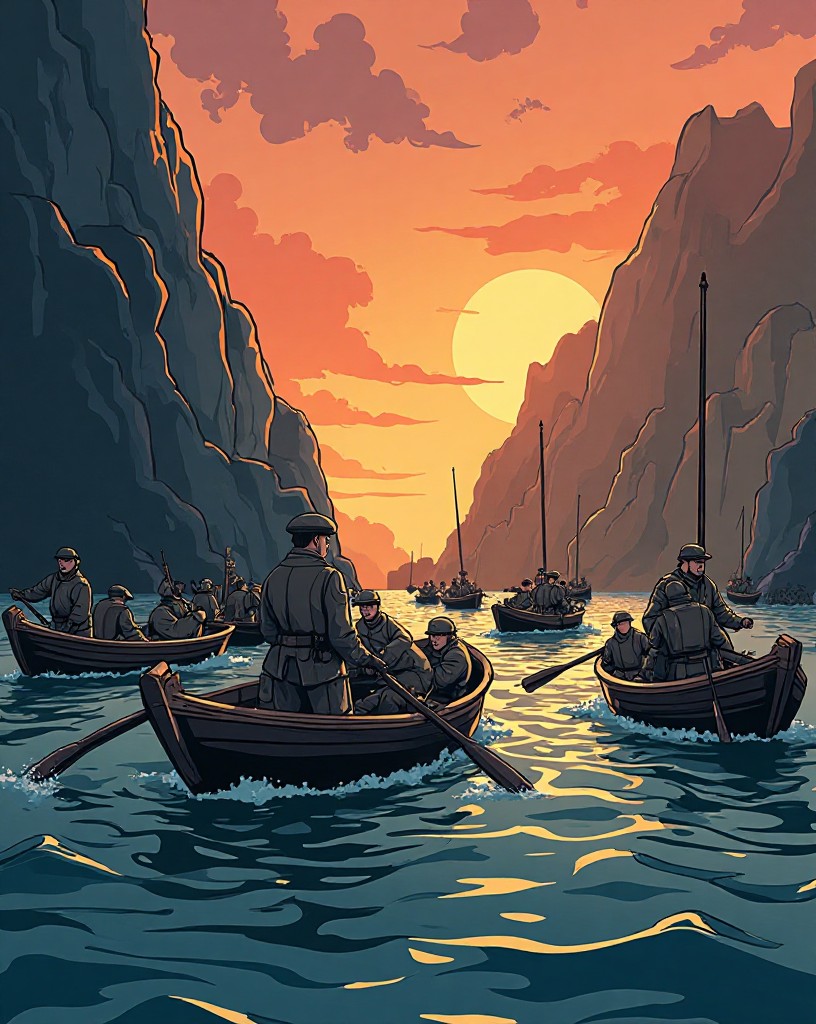
April 25th, 1915. British, French, and the soldiers of Australia and New Zealand — the ANZACs — storm ashore on the Gallipoli peninsula.
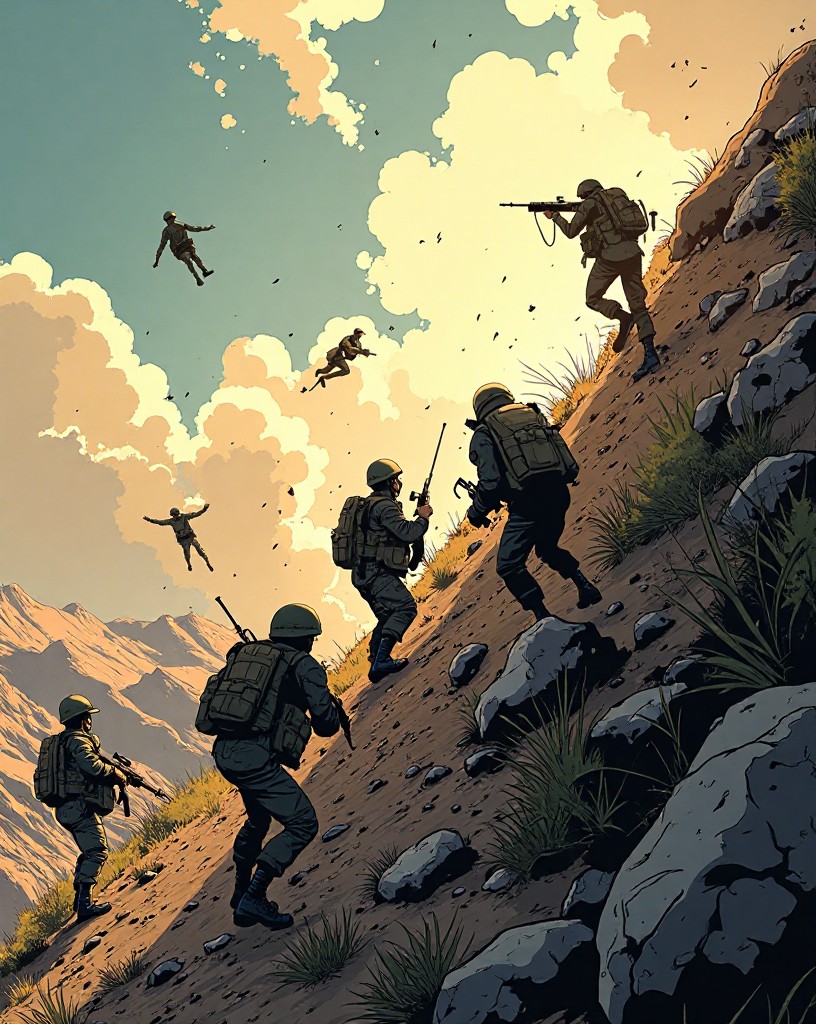
The ANZACs land at the wrong beach, beneath steep cliffs, into withering fire. Those who survive the shore claw their way up the heights and dig in.
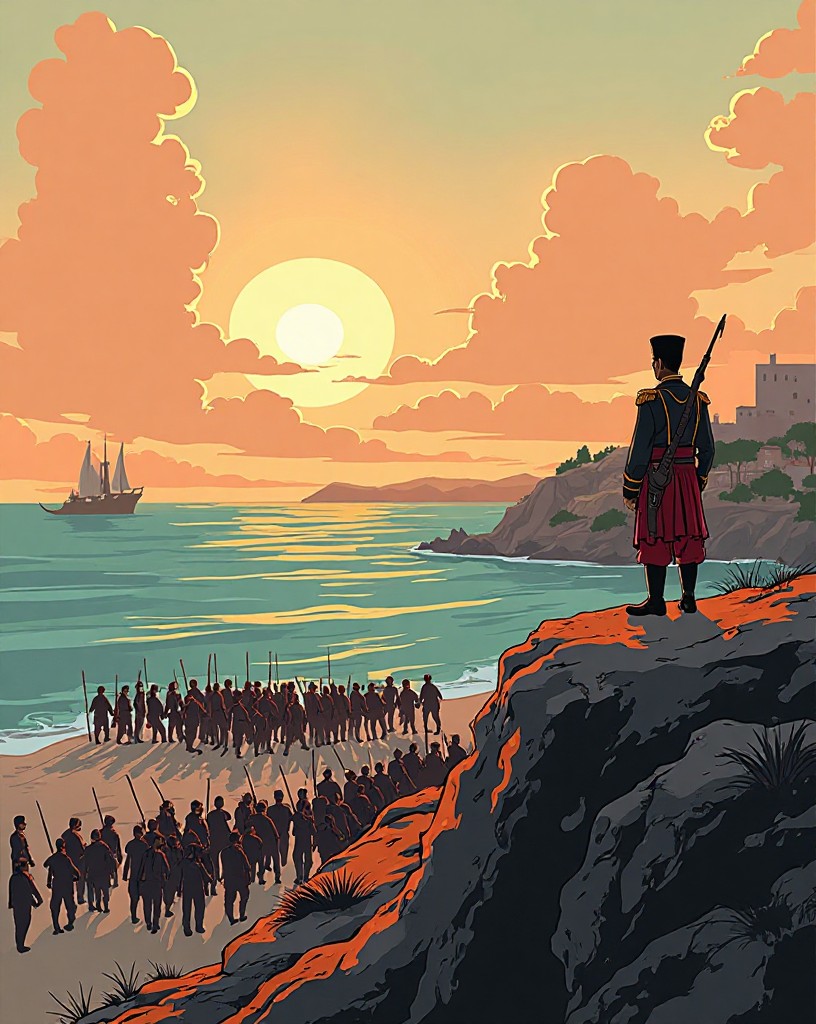
Waiting above them is an Ottoman army, and a determined young commander named Mustafa Kemal.
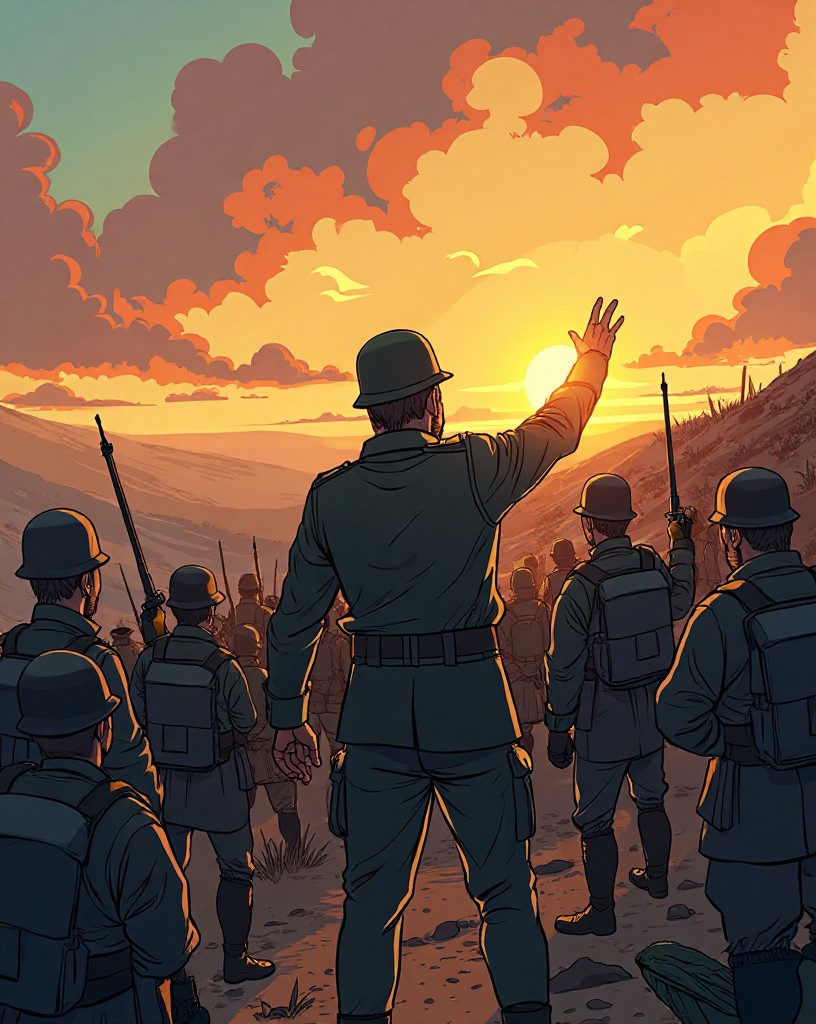
Mustafa Kemal
“I do not order you to attack. I order you to die. In the time it takes us to die, others can come and take our places.”
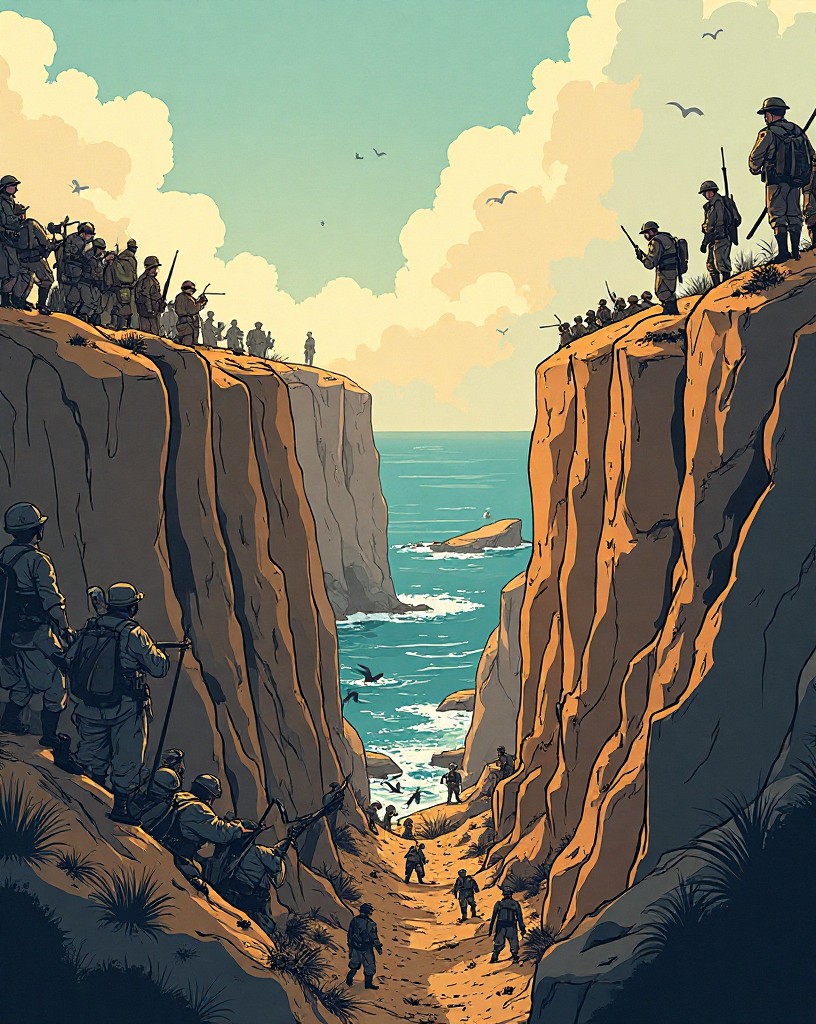
The invasion freezes into the same trench stalemate the Allies had hoped to escape — only now on baking, fly-blown cliffs, with the sea at their backs.
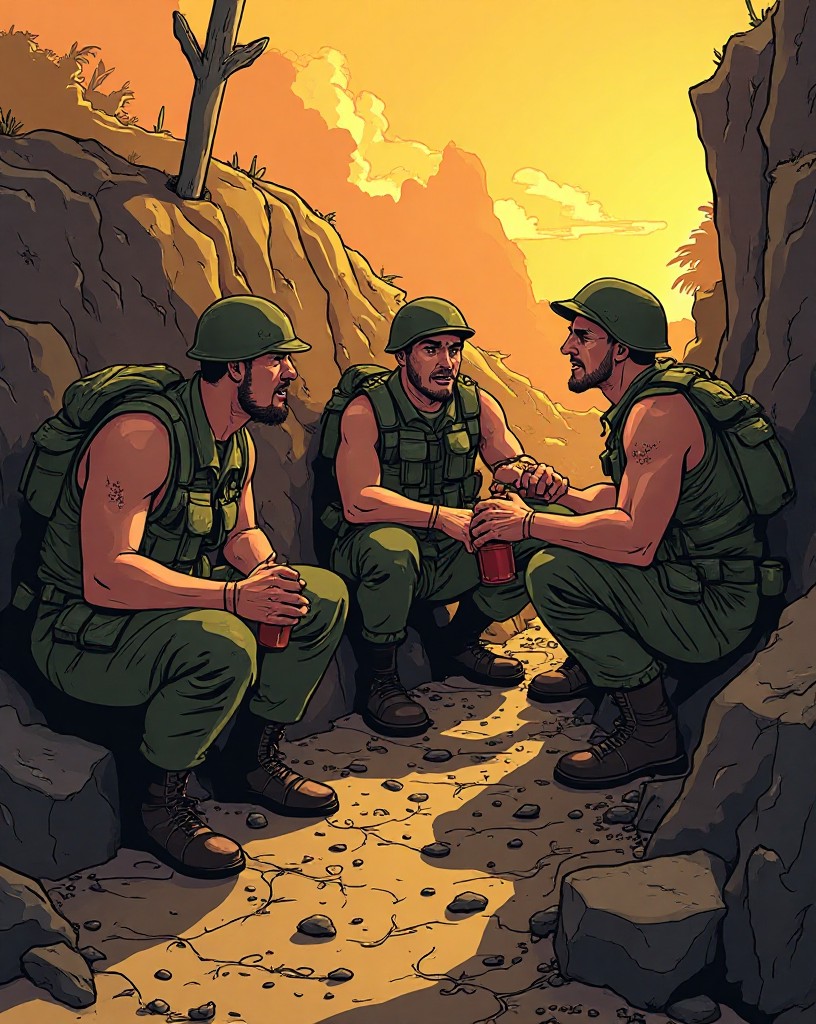
Through the summer the two sides fight and die over a few hundred yards of scrub and ridge. Heat, thirst, and disease kill as surely as bullets.
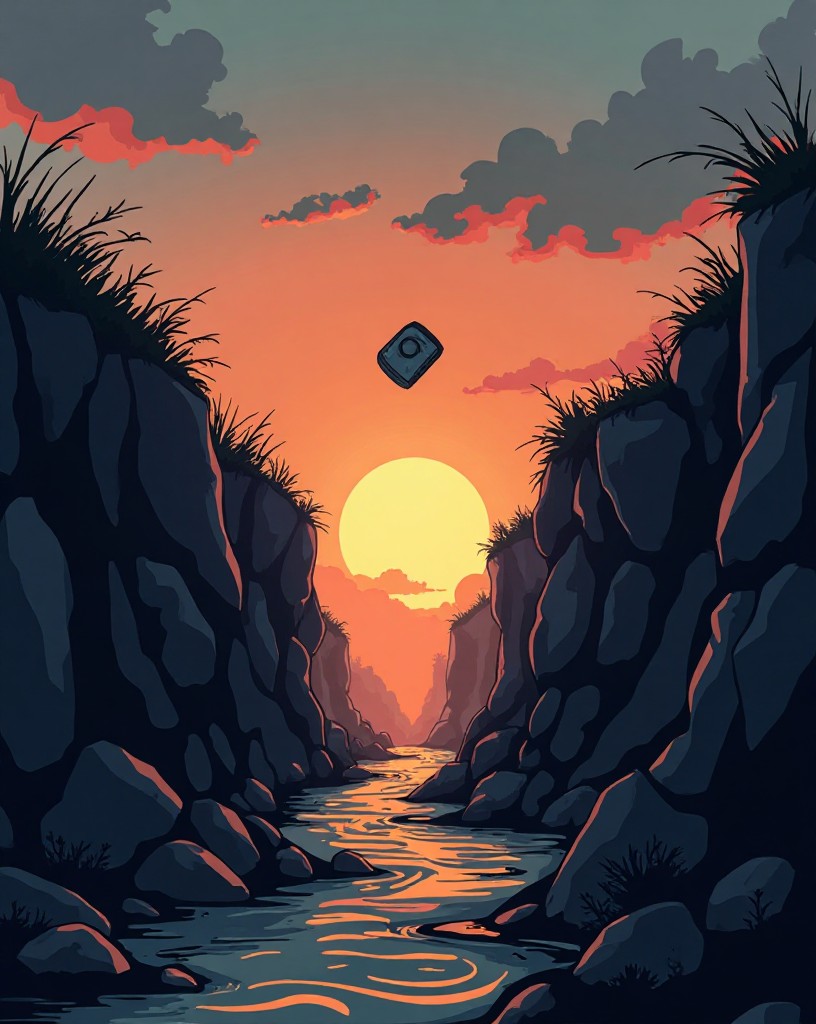
In the trenches, separated sometimes by only a few meters, a strange respect grows between the ANZACs and the Turks — enemies who come to know each other's voices.
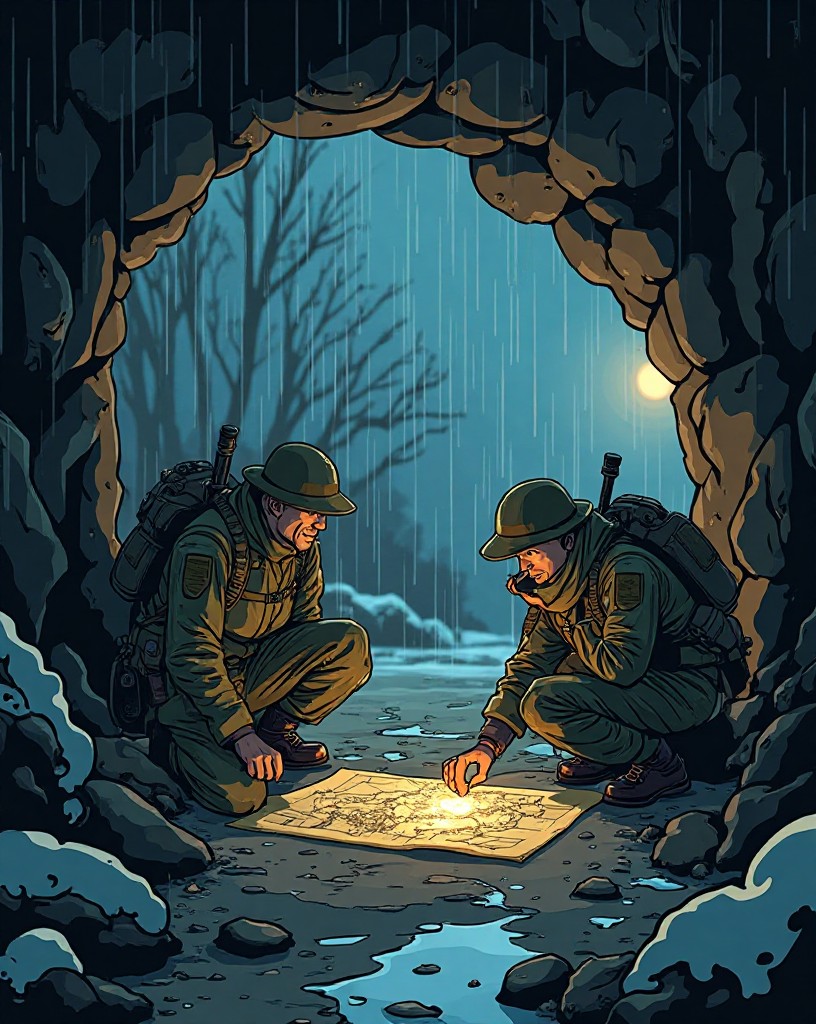
By winter it is clear the campaign has failed. The Allies will not break through. The order comes to evacuate.
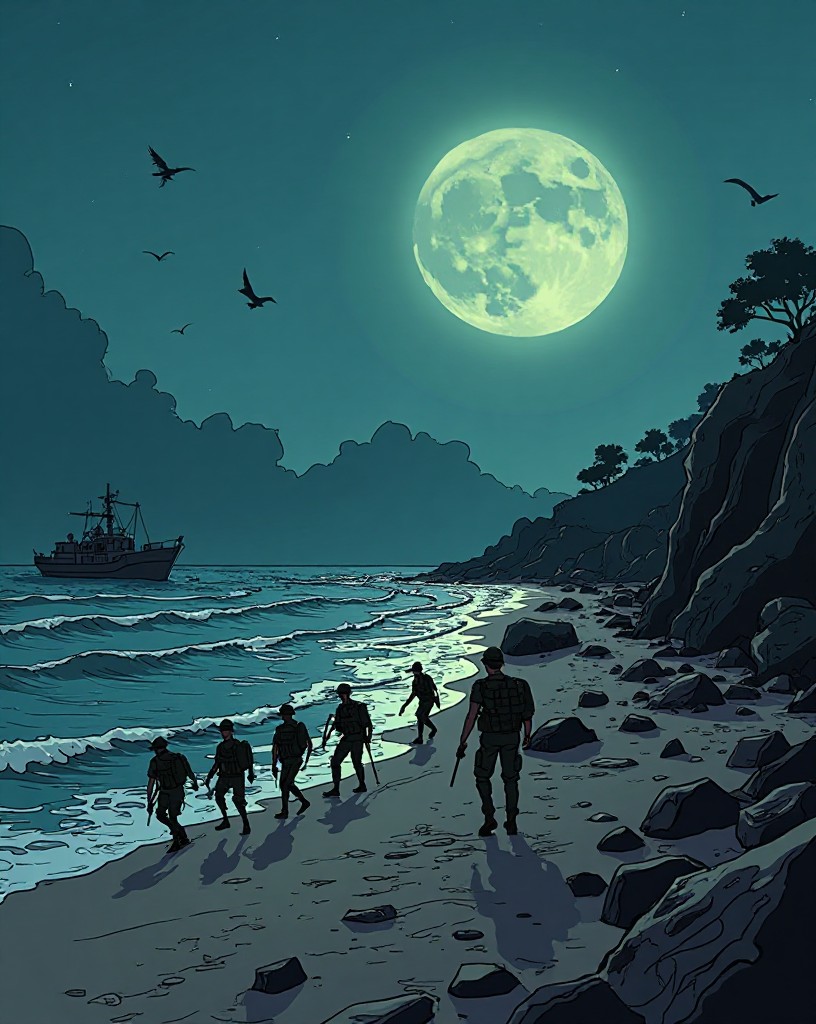
The evacuation becomes the one masterpiece of the campaign: using tricks and self-firing rifles rigged to drip water, the Allies slip almost their entire army away by night without the Ottomans realizing, losing barely a man.
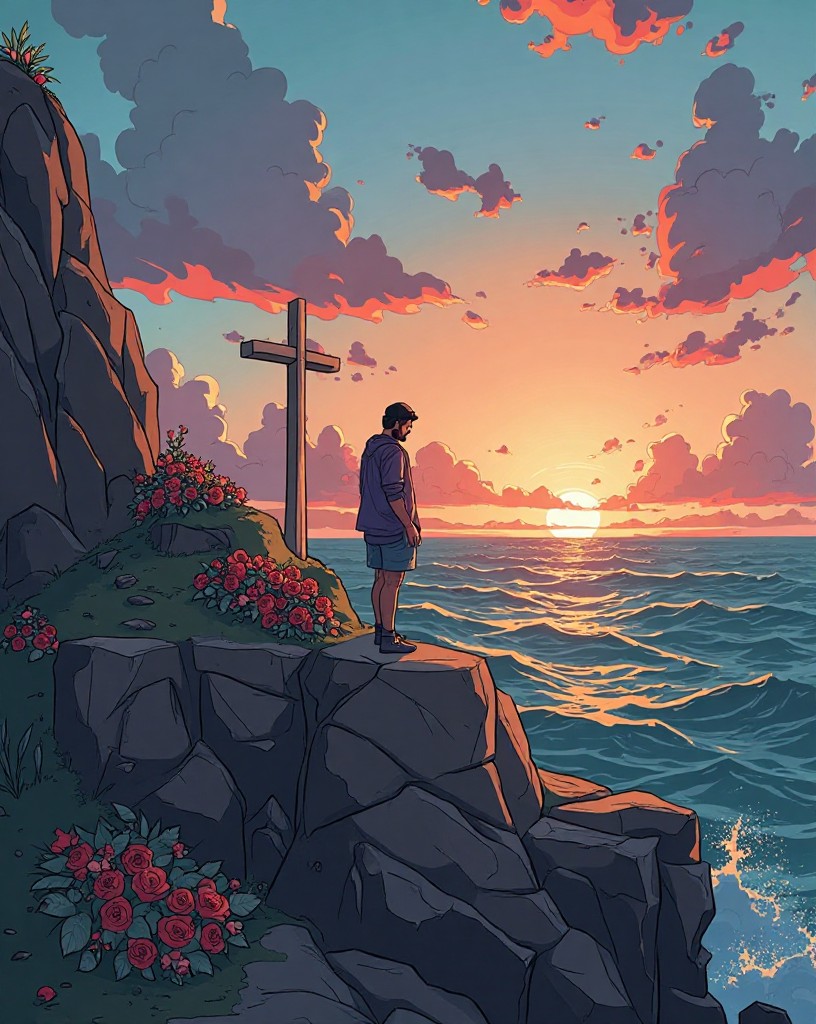
Gallipoli changed little in the war, but it forged nations. For Australia and New Zealand it became a founding legend, marked every year on ANZAC Day. And the commander who held the cliffs, Mustafa Kemal, would go on to found modern Turkey as Atatürk.
Sources
This story was adapted from the following. The illustrations are stylized depictions, not photographs of the events.
“Gallipoli campaign”, Wikipedia
Overview, the landings, stalemate, and evacuation.
Gallipoli, Les Carlyon (2001)
Detailed narrative history of the campaign.
That’s the story.
More are in the studio. Head back to the collection to see what’s coming.