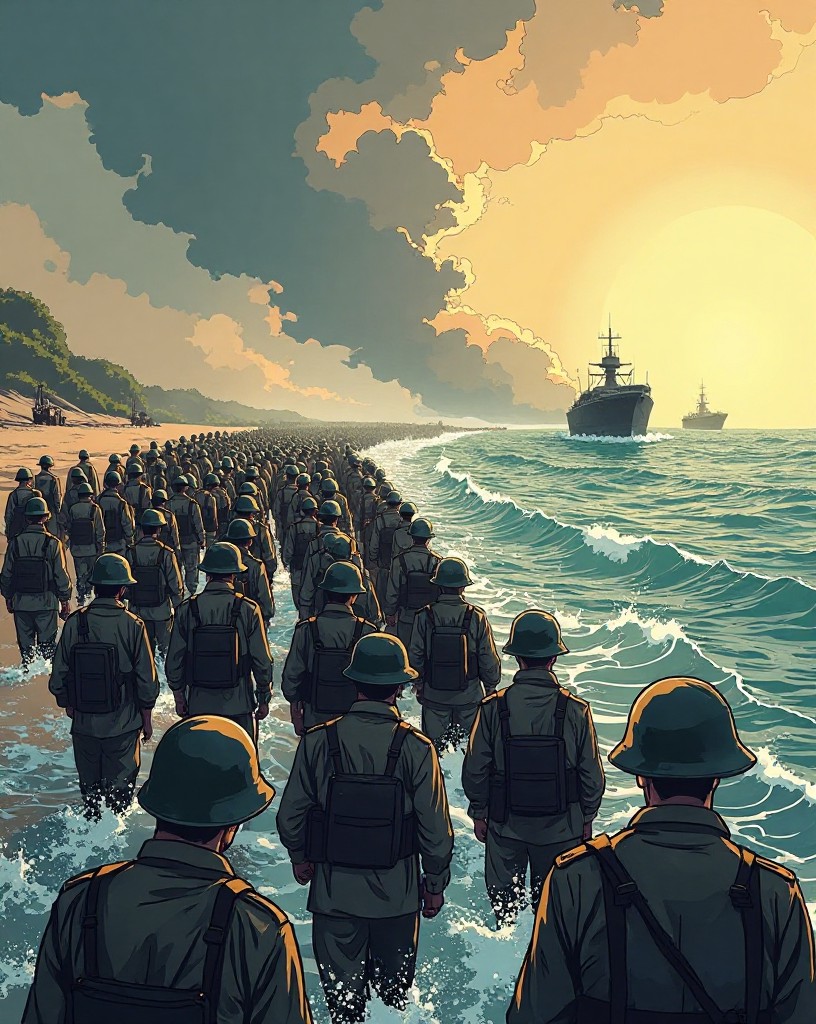
Dunkirk
An army trapped against the sea, and a fleet of little ships.
France · 1940
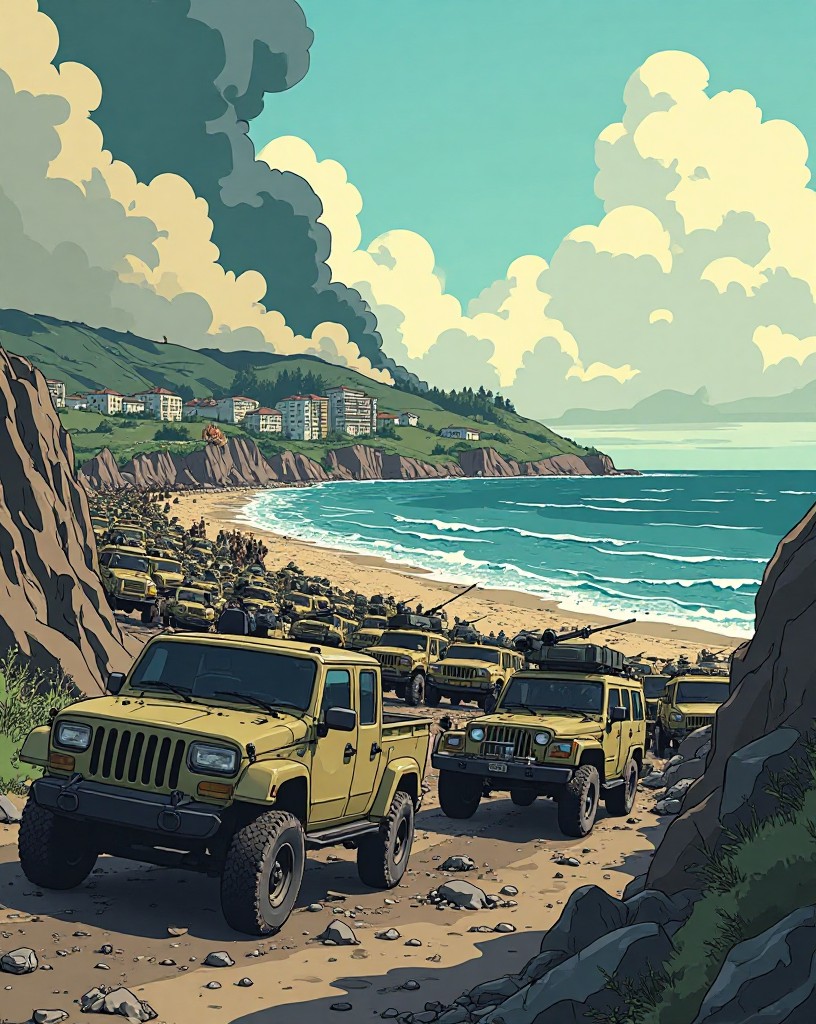
May 1940. In a matter of weeks, Hitler's blitzkrieg has torn through France. German tanks have raced to the Channel coast, and the entire British army in Europe — and much of the French — is suddenly trapped, with its back to the sea, around a port called Dunkirk.
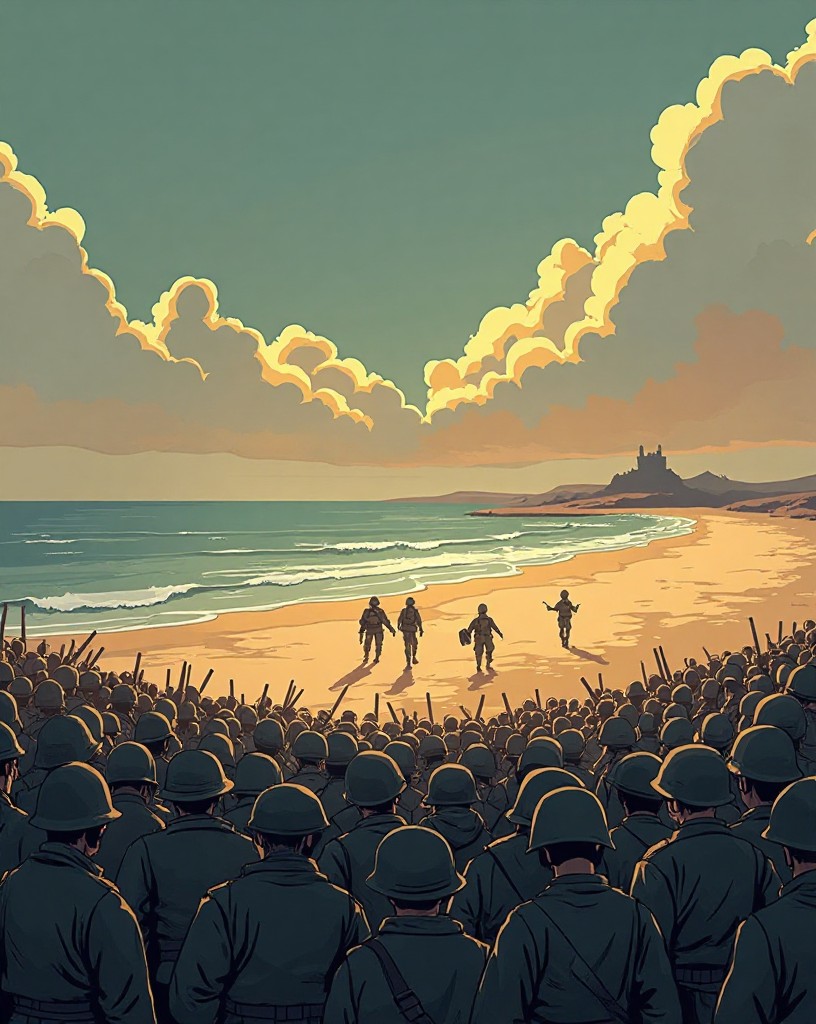
Nearly four hundred thousand men are pinned on the beaches, the enemy closing in, the sea at their backs. It looks like the British army is about to be destroyed in a single stroke.
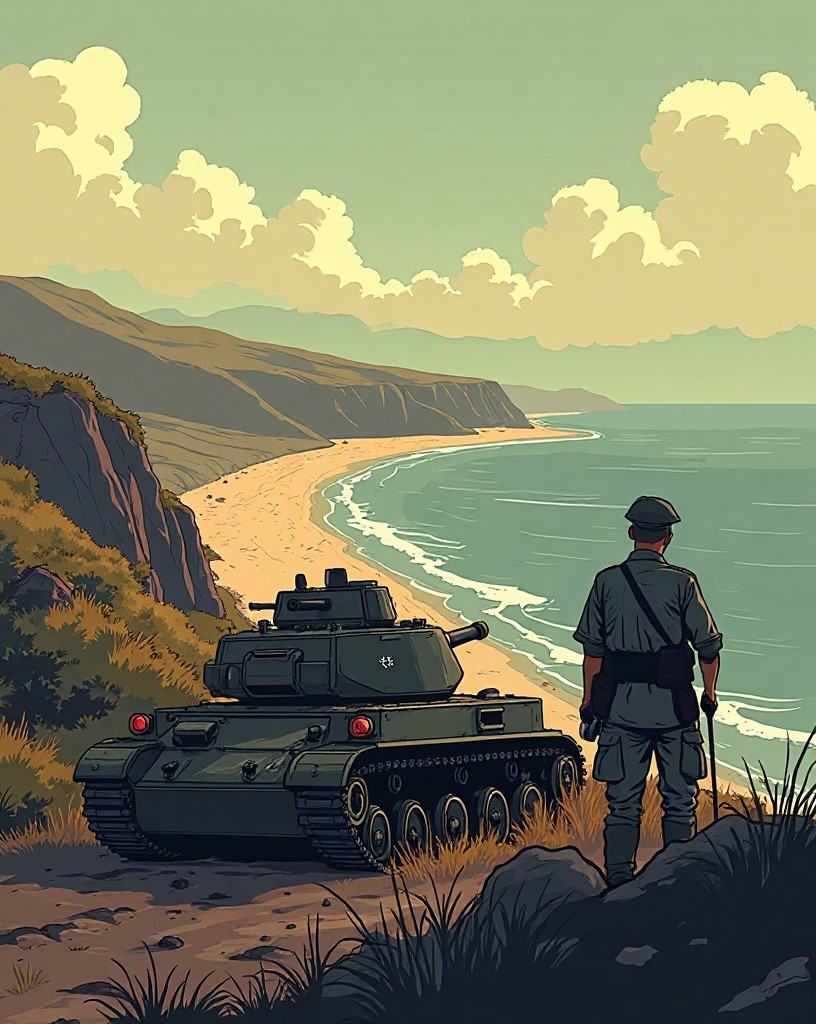
Then, a reprieve. For reasons still argued over, the German tanks halt for three days. It is just enough time to attempt the impossible: get the army home across the Channel.
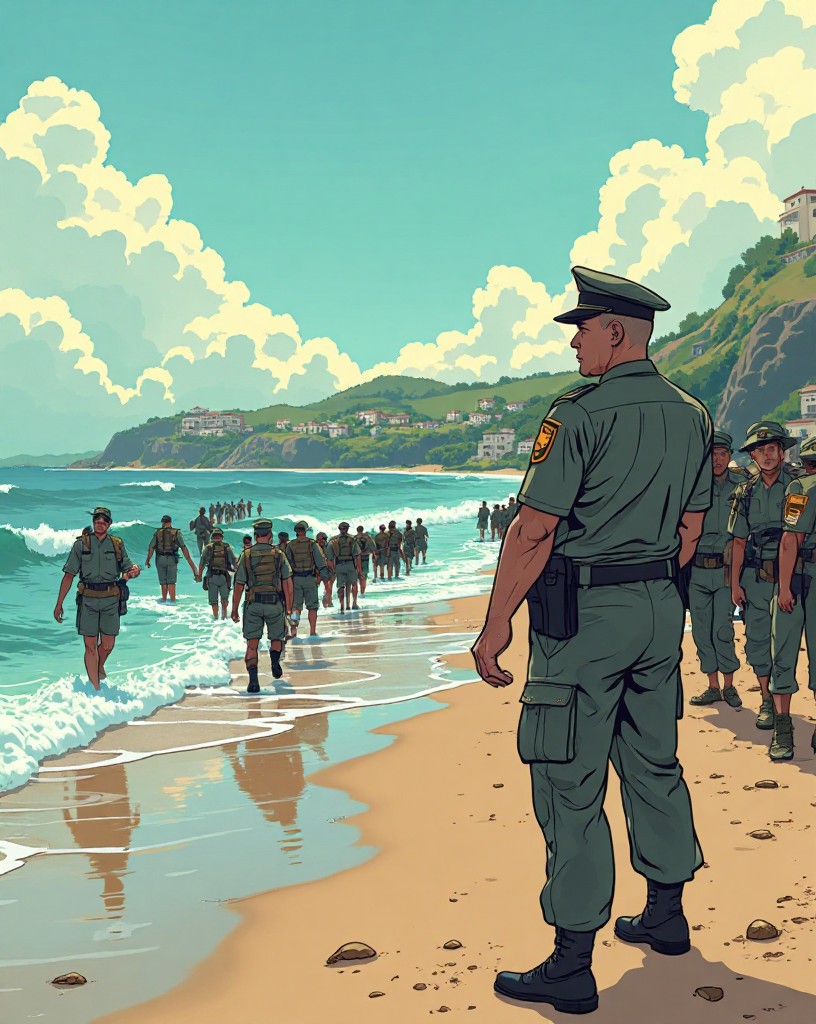
An officer on the beach
“Form up. Stay in your lines. The boats are coming. They are coming.”
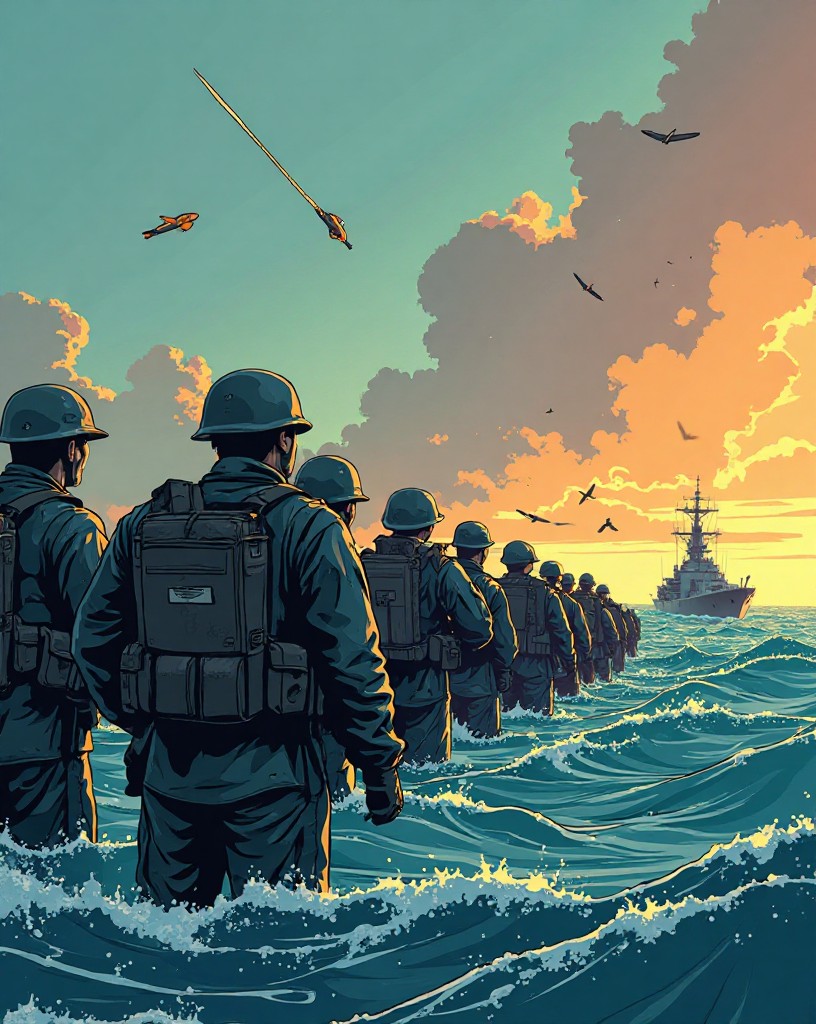
The men wait in long queues stretching into the surf, under bombing and strafing, as the Royal Navy's ships come in to lift them off.
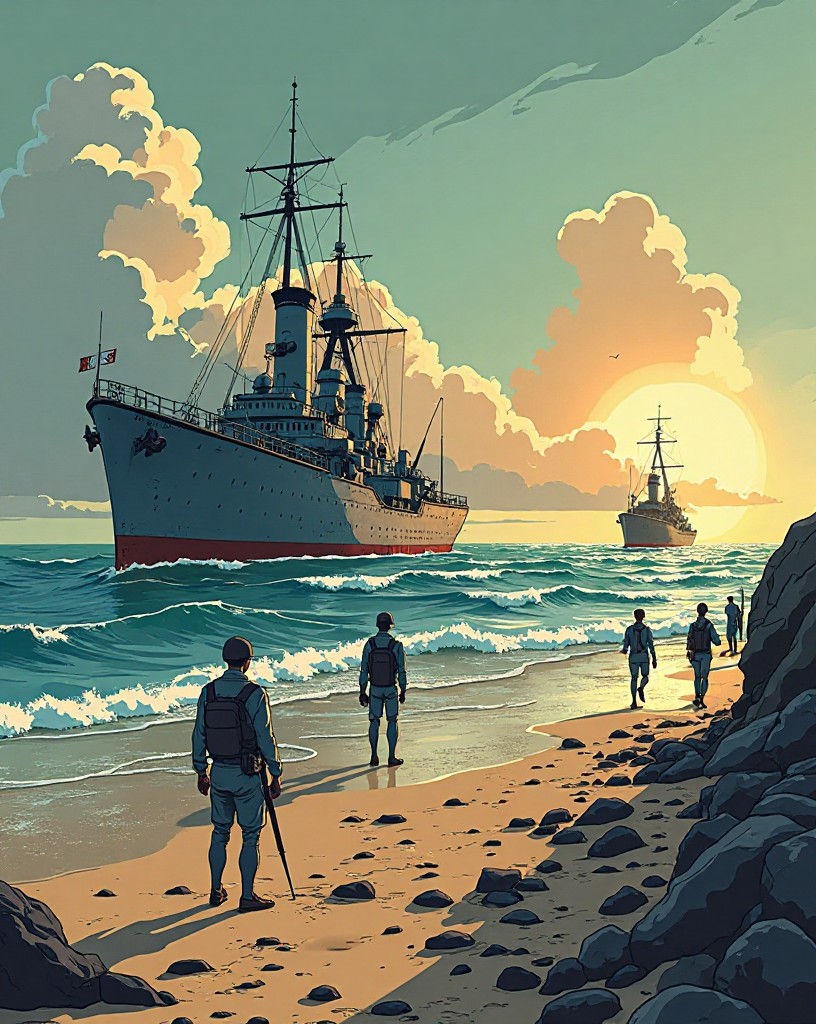
But the harbor is wrecked and the water is shallow — the big ships can't get close to the beaches. So Britain calls on something extraordinary.
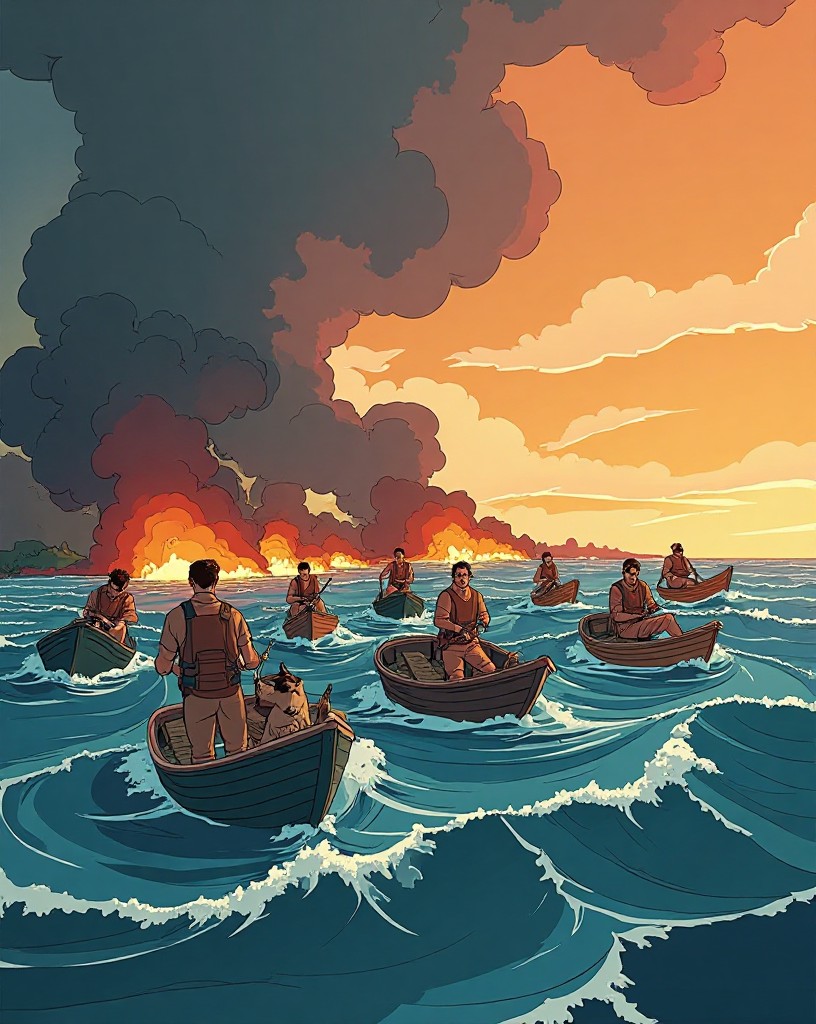
A fleet of little ships — fishing boats, pleasure yachts, ferries, lifeboats — crewed by ordinary civilians, sails across the Channel to ferry soldiers from the shallows out to the waiting warships.
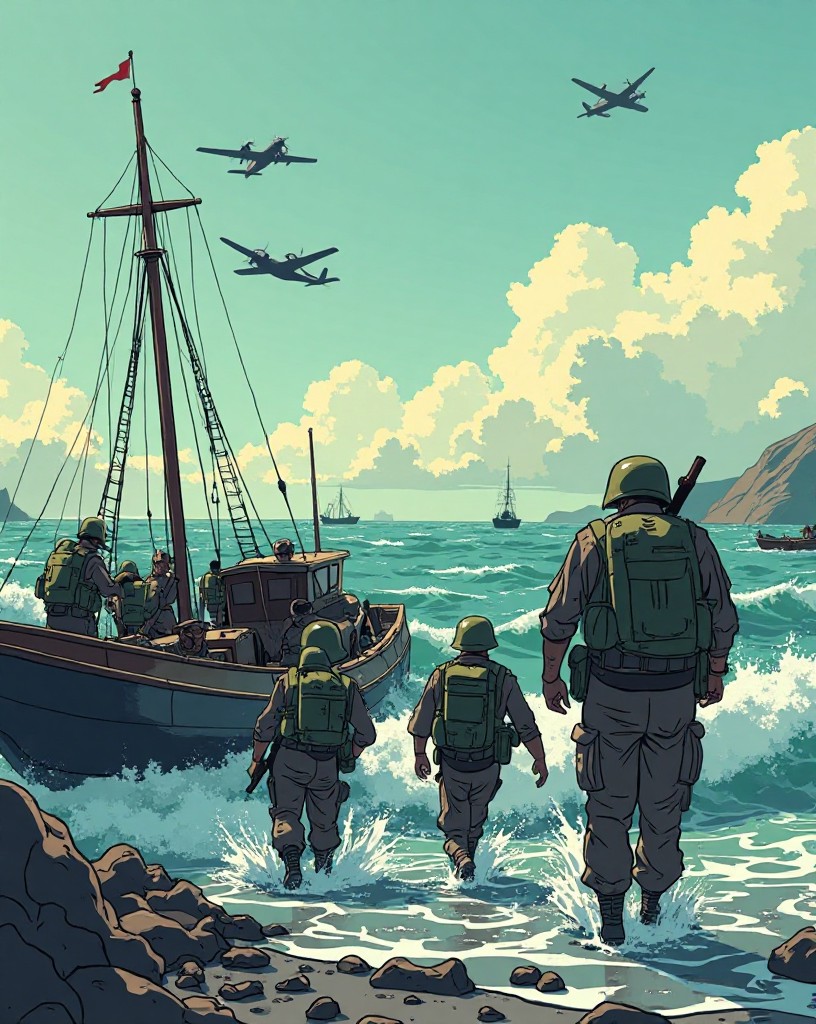
Day after day, under air attack, the little ships shuttle back and forth, plucking men off the sand a few at a time.
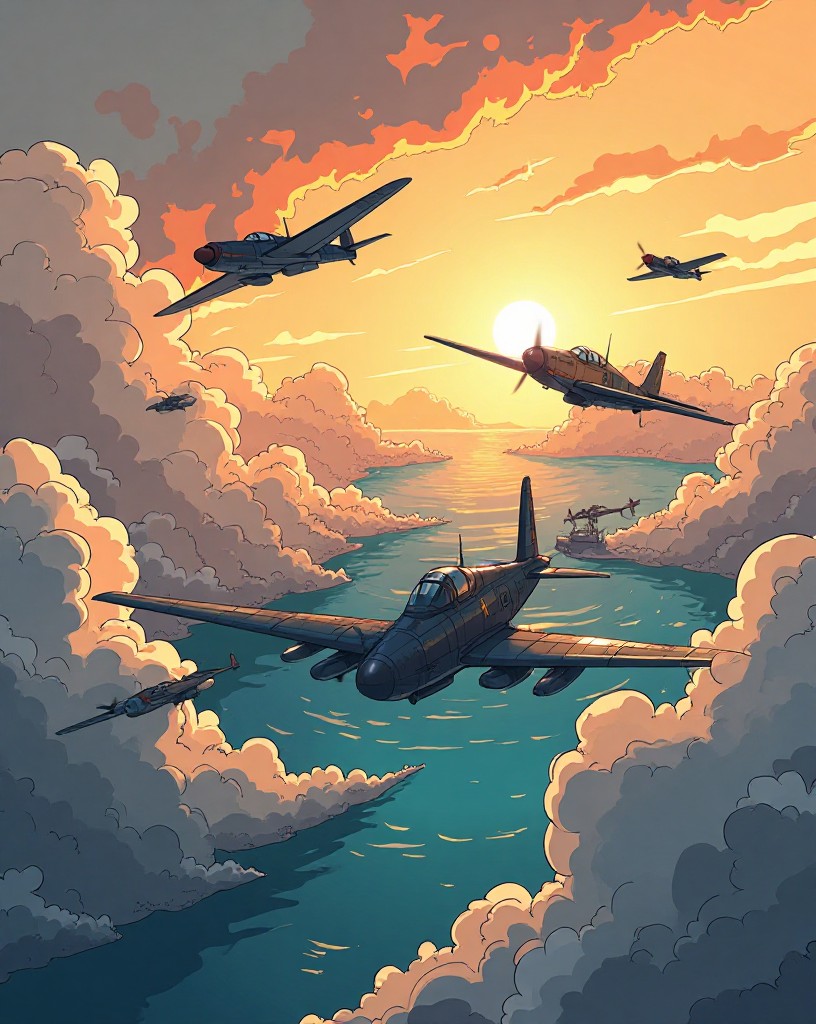
Overhead, the RAF fights to keep the bombers off the beaches — often out of sight of the soldiers below, who curse them for not being there.
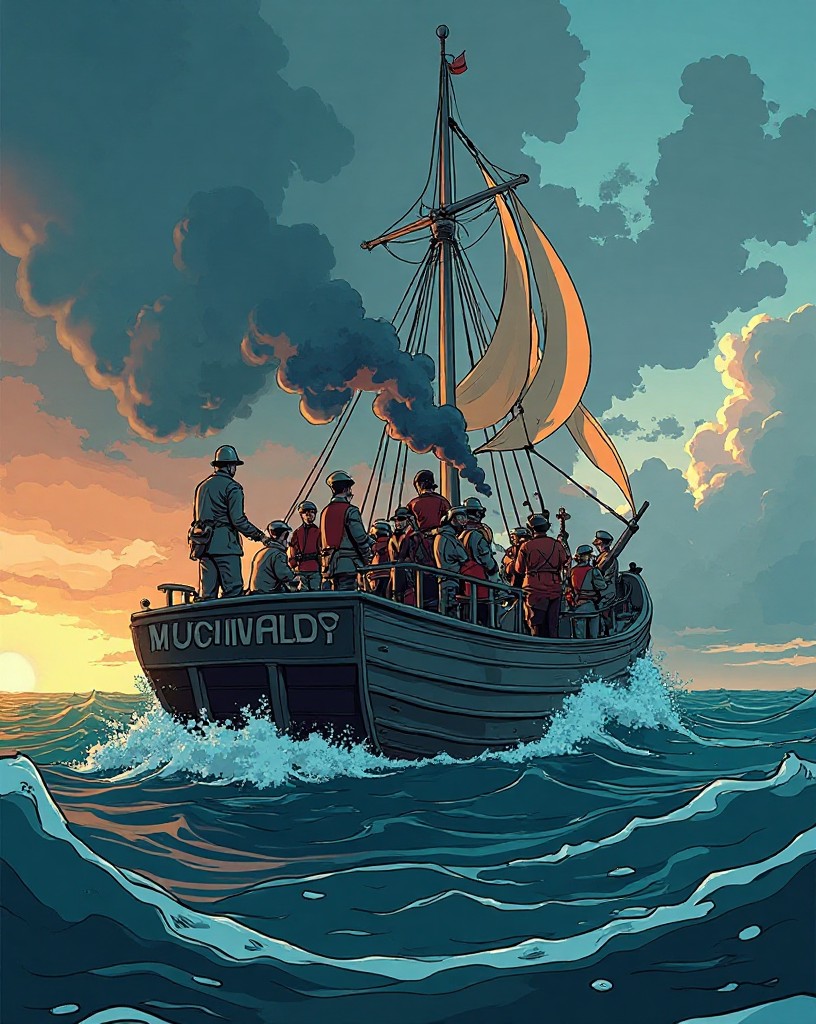
Against every expectation, the numbers climb — a hundred thousand rescued, then two hundred thousand, then more.
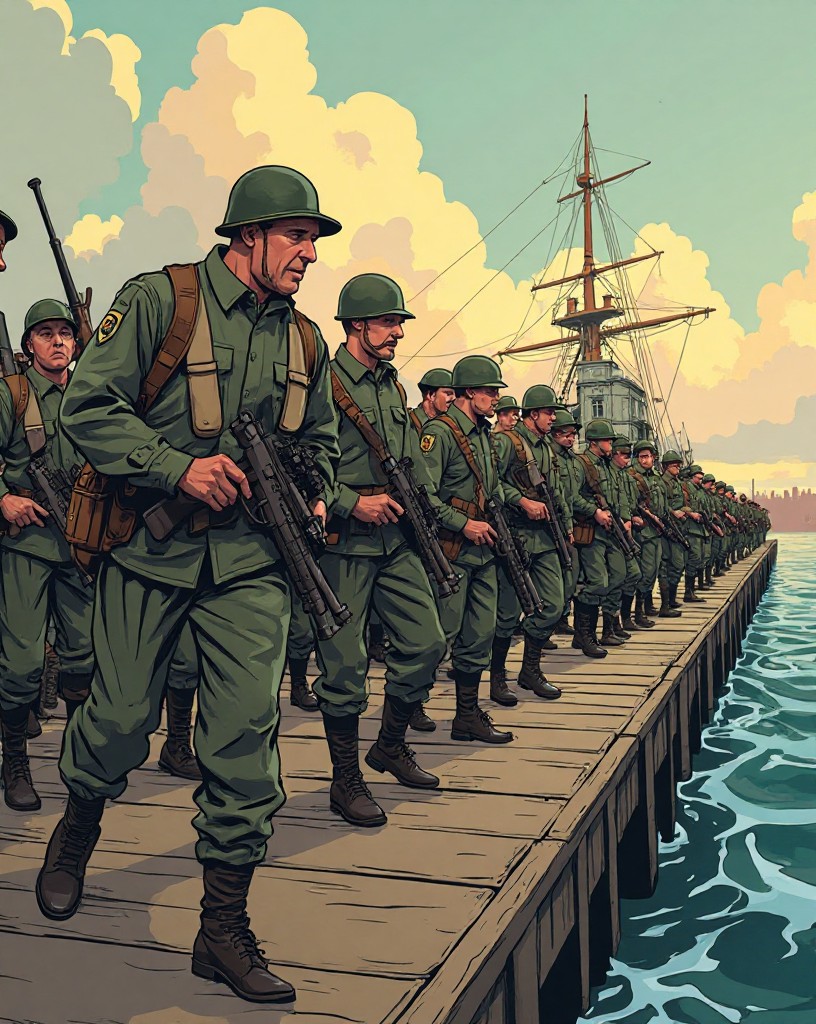
By the end, some three hundred and thirty thousand men have been carried home. The army that should have been lost has been saved.
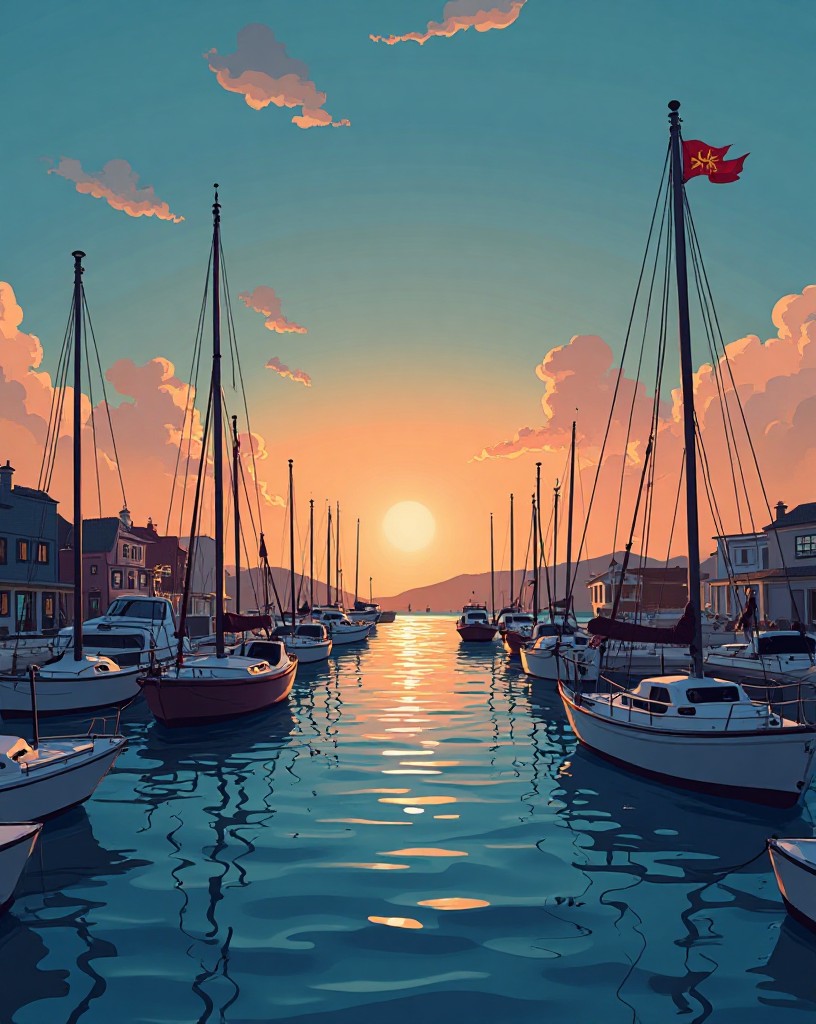
It was a crushing defeat dressed as a deliverance — Britain had been thrown off the continent, but its army survived to fight on. As Churchill told the nation: "We shall fight on the beaches... we shall never surrender." Dunkirk became the word for snatching survival from disaster.
Sources
This story was adapted from the following. The illustrations are stylized depictions, not photographs of the events.
“Dunkirk evacuation”, Wikipedia
Overview, the halt order, the little ships, and the numbers.
The Miracle of Dunkirk, Walter Lord (1982)
Narrative history of the evacuation.
That’s the story.
More are in the studio. Head back to the collection to see what’s coming.