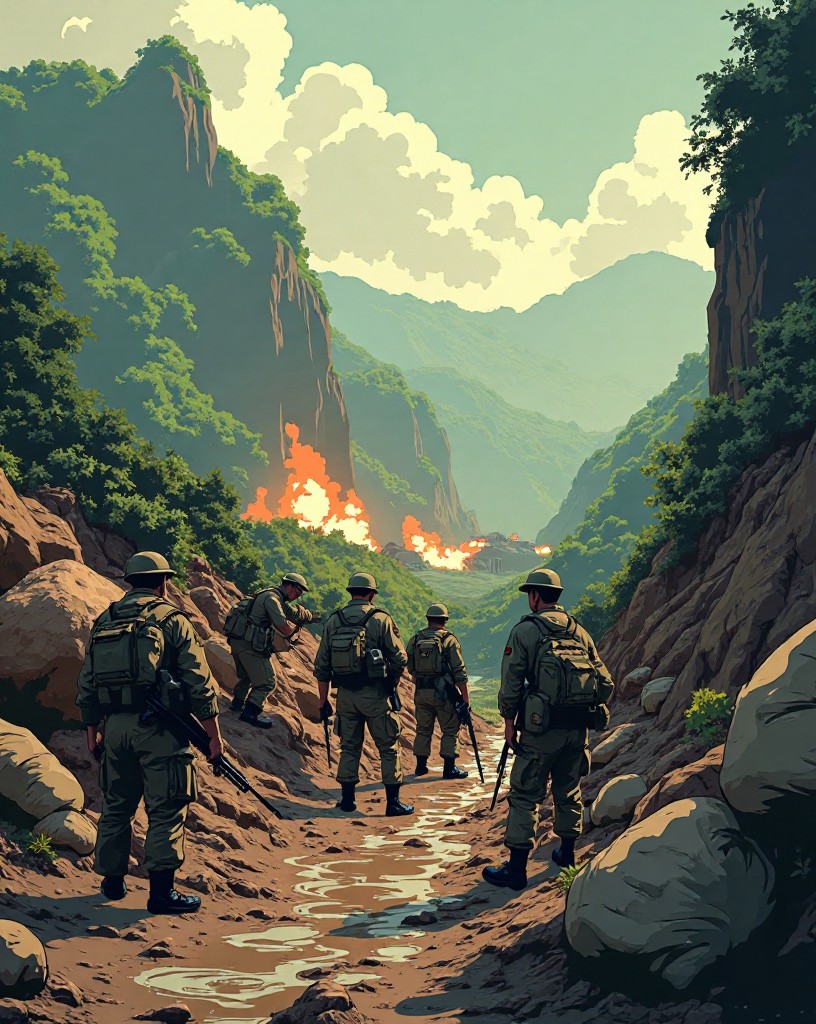
Dien Bien Phu
A fortress in a valley, and the guns that no one believed could reach the hills.
Vietnam · 1954

1954. France has fought for years to hold its colony in Indochina against the Viet Minh — communist-led independence forces under Ho Chi Minh. To force a decisive battle, the French plant a fortress deep in a remote valley near the Laos border: Dien Bien Phu.
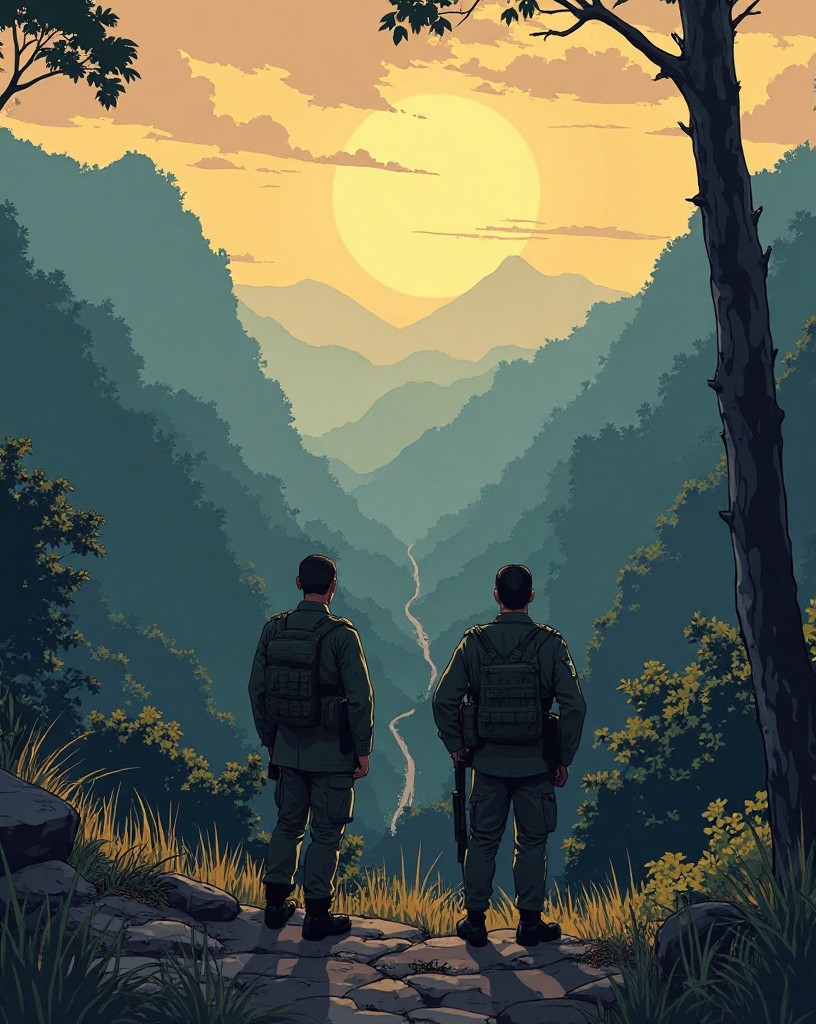
The plan is bait. The French sit in the valley, supplied by air, daring the Viet Minh to attack across open ground into their guns. They are certain no enemy could ever get heavy artillery up the steep jungle mountains around them.
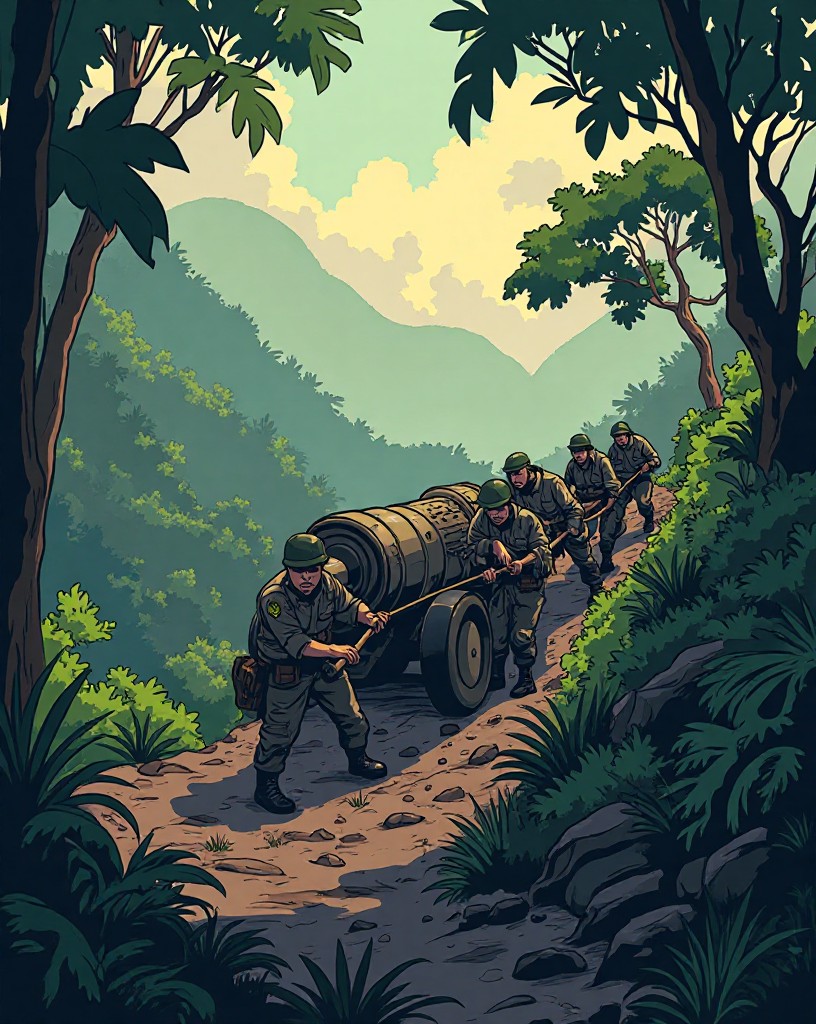
They are wrong. The Viet Minh general, Vo Nguyen Giap, does the impossible — his men haul artillery piece by piece up the mountains by hand, on ropes and bicycles, and dig the guns into the high slopes overlooking the valley.
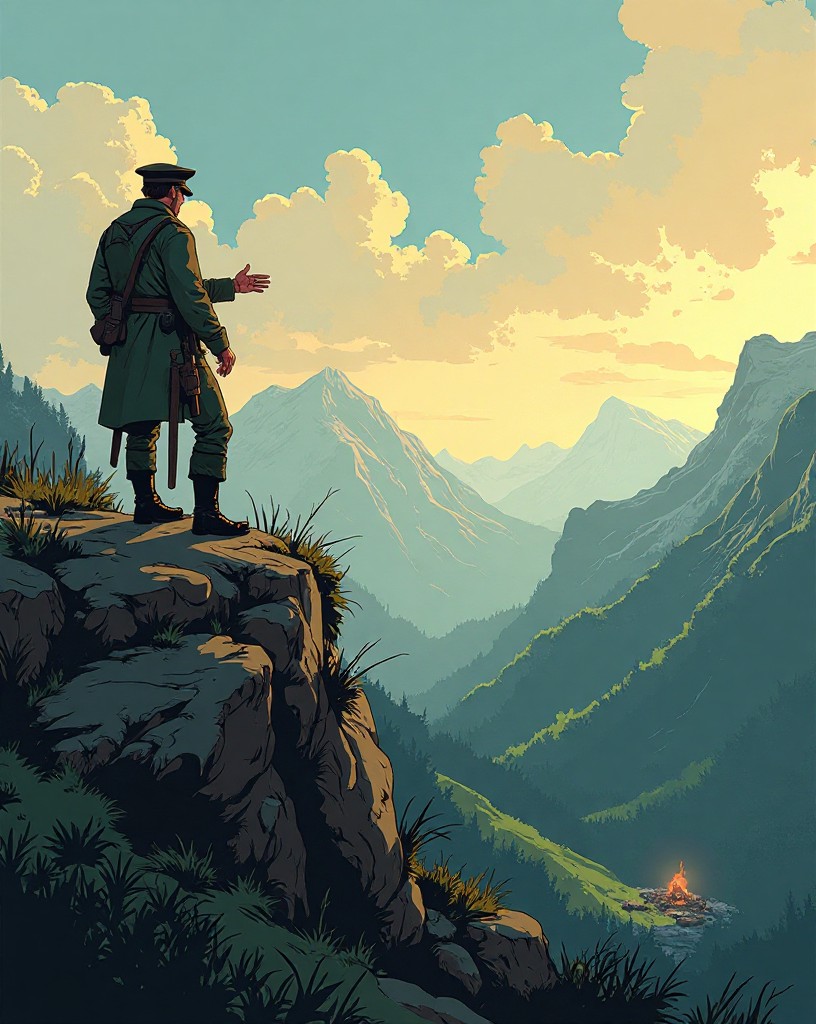
Gen. Giap
“They think the mountains protect them. We will put our guns on the mountains. The valley they chose will become their trap, not ours.”
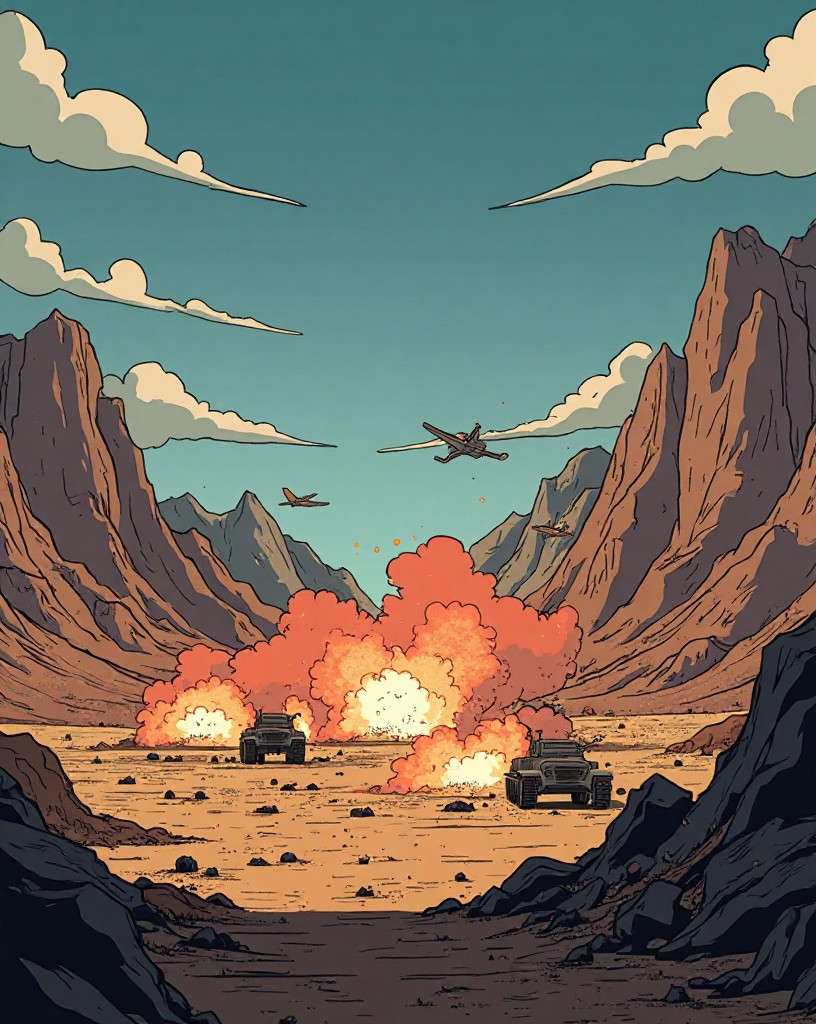
In March, the hills erupt. Viet Minh artillery, hidden and dug in above, pours fire down onto the French base — and onto its lifeline, the airstrip.

The guns wreck the runways. Now nothing can land. The French garrison can only be supplied by parachute — and much of it drifts into enemy hands.

The Viet Minh dig a web of trenches toward the French strongpoints, squeezing the perimeter tighter night after night, taking the outlying positions one by one.
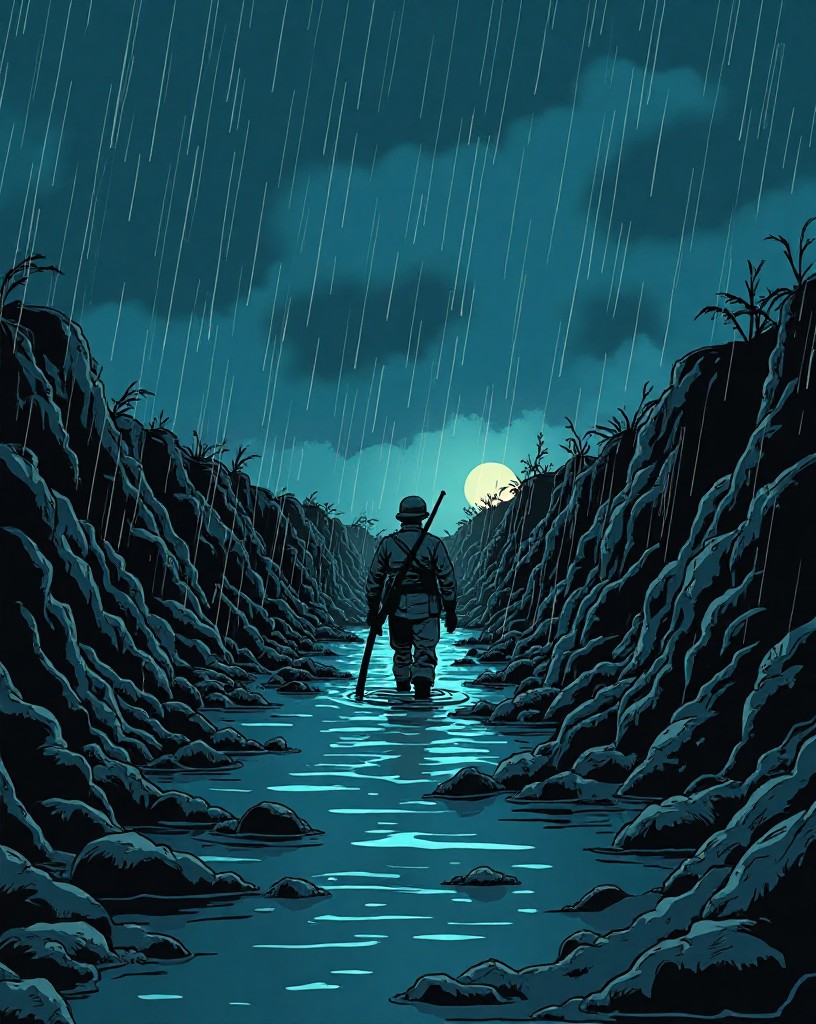
Then the monsoon comes. The trenches and bunkers fill with water and mud, the wounded lie in the flooded dark, and still the shells fall.

Cut off, outgunned, and slowly drowning in their own valley, the French fight on for fifty-seven days, their shrinking pocket pounded from the heights.

A French radio operator
“We've blown up everything. The ammunition is gone. We're finished. Adieu.”
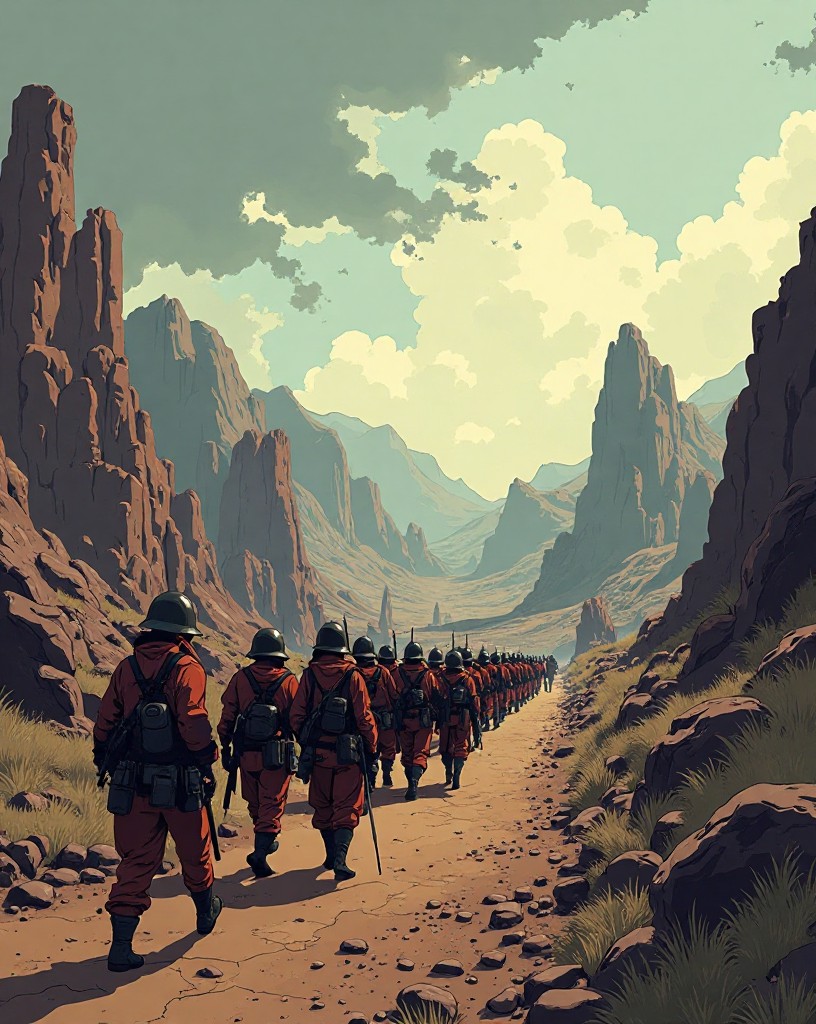
On May 7th, 1954, the fortress falls. The surviving garrison surrenders. It is a total, humiliating defeat — and the end of French rule in Indochina.

Dien Bien Phu didn't just lose a battle; it lost an empire's war. At the peace talks, Vietnam was split in two — and into that division, a few years later, would step the United States, beginning the road to its own long war.
Sources
This story was adapted from the following. The illustrations are stylized depictions, not photographs of the events.
“Battle of Dien Bien Phu”, Wikipedia
Overview, Giap's artillery, the siege, and consequences.
Hell in a Very Small Place: The Siege of Dien Bien Phu, Bernard B. Fall (1966)
Classic history of the battle.
That’s the story.
More are in the studio. Head back to the collection to see what’s coming.