The World Turned Upside Down
Trapped against the sea, the British army that lost America.
Yorktown · 1781
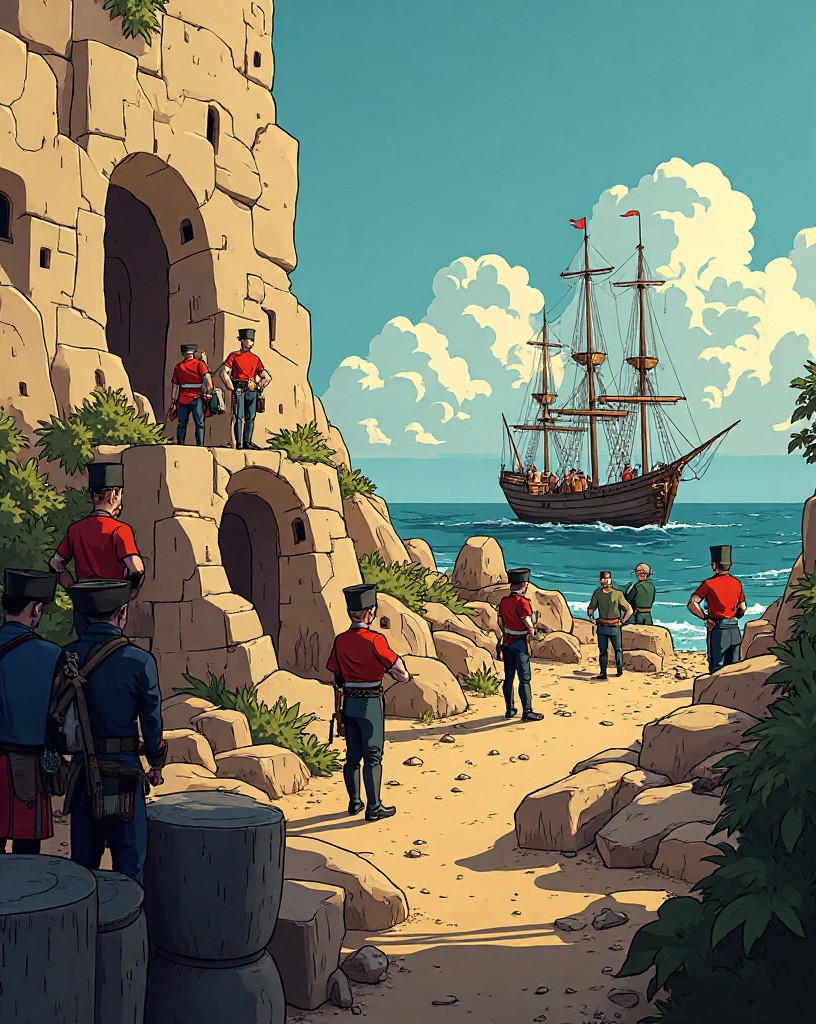
1781. Six years of revolution have ground toward stalemate. Then the British commander in the south, Lord Cornwallis, makes a fateful choice: he digs his army in at a small Virginia tobacco port called Yorktown, beside the sea, to await resupply by the Royal Navy.
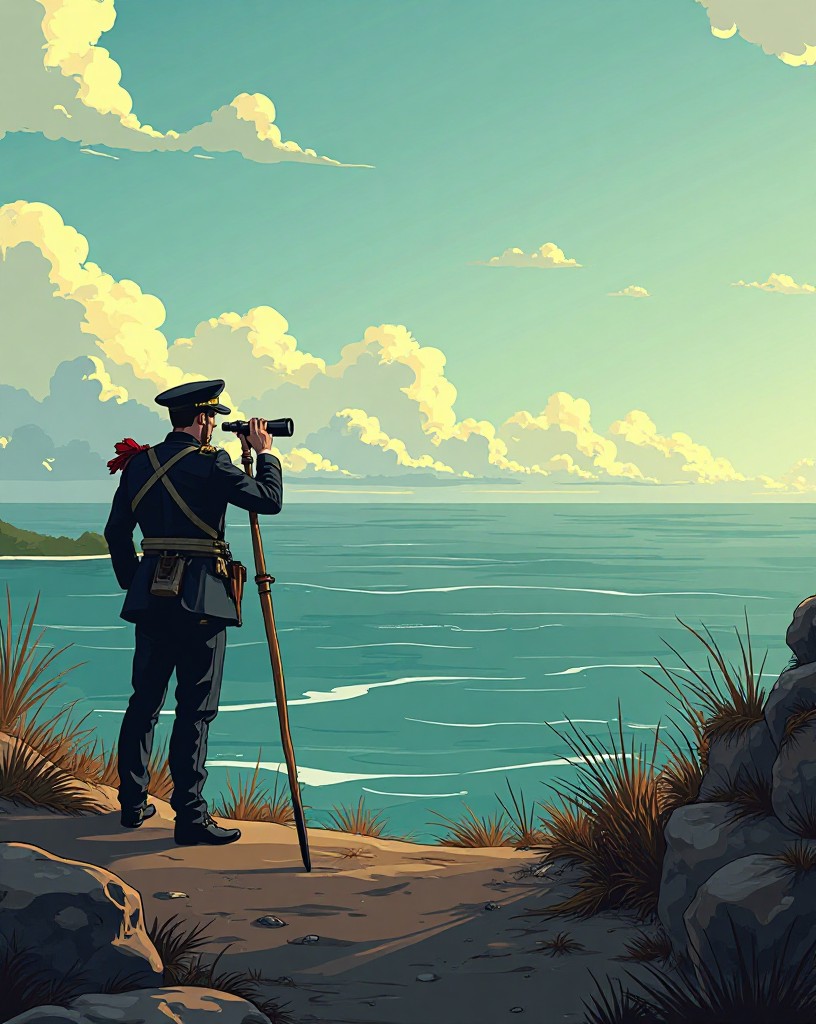
He is counting on Britain's command of the ocean. It is about to fail him.
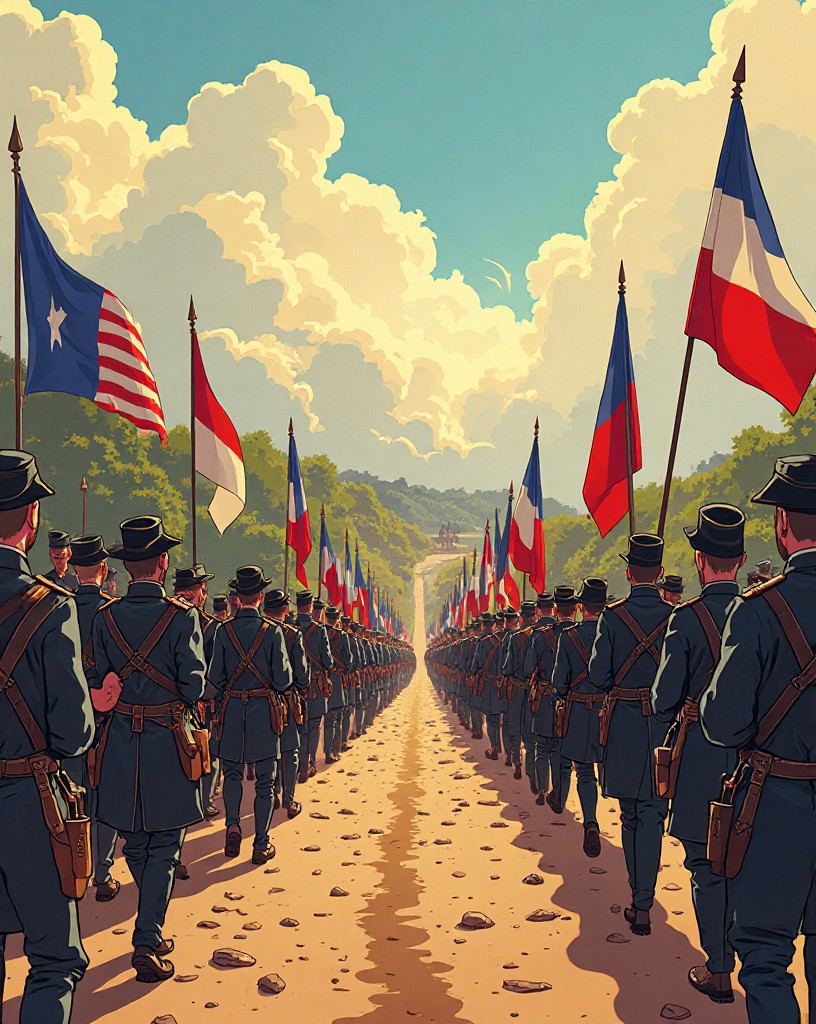
George Washington, with a French army under Rochambeau, is hundreds of miles to the north. He sees the trap and moves with rare speed, marching the combined army south in secret.
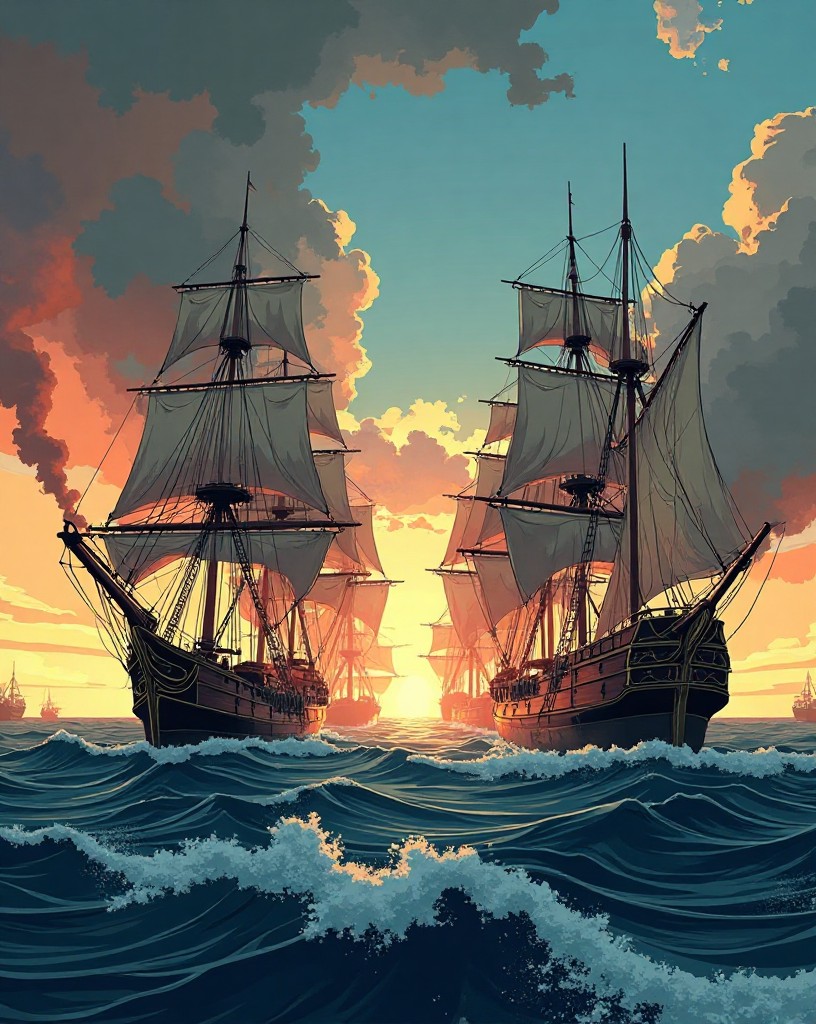
Off the Virginia capes, a French fleet under Admiral de Grasse fights the Royal Navy in the Battle of the Chesapeake — and wins, slamming the sea door shut behind Cornwallis.
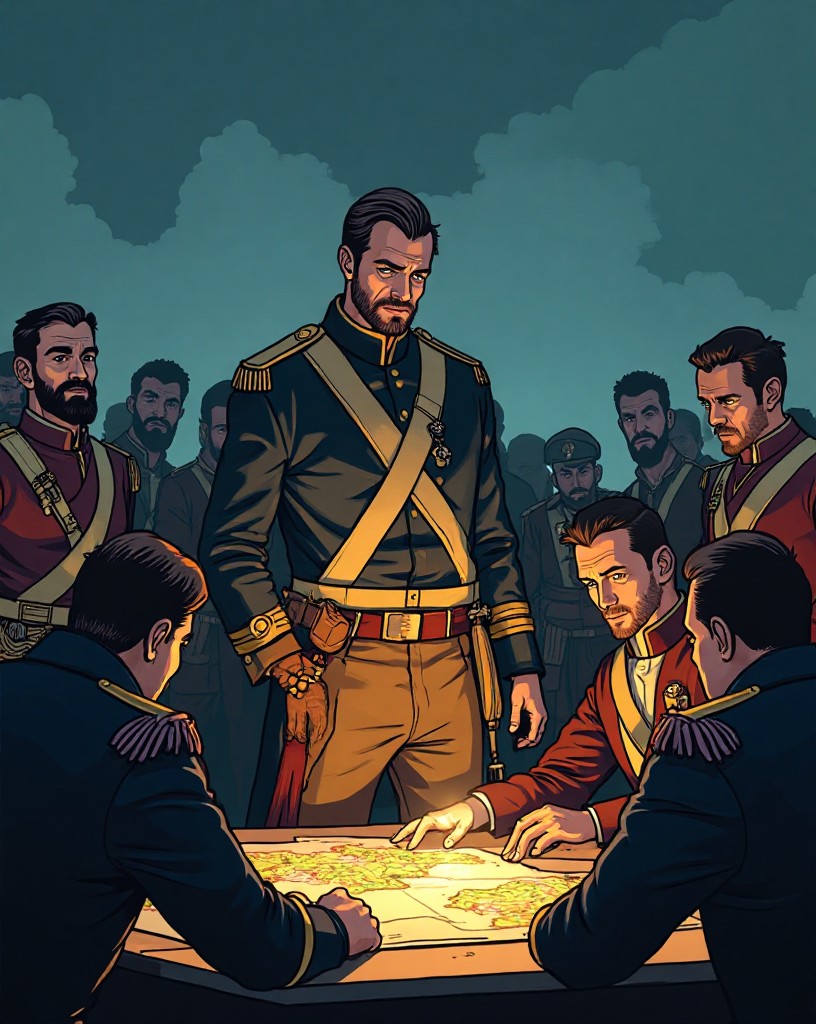
Gen. Washington
“The British fleet is beaten back. His escape by sea is gone, and his rescue with it. Now we close the ring on land.”
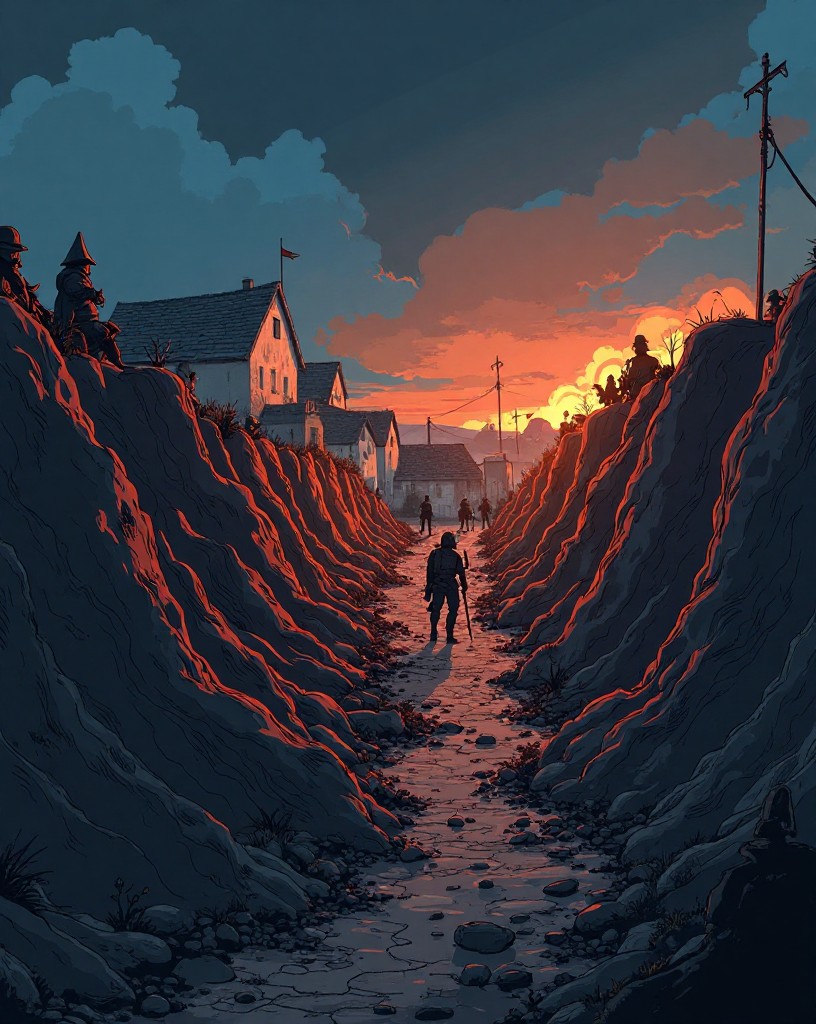
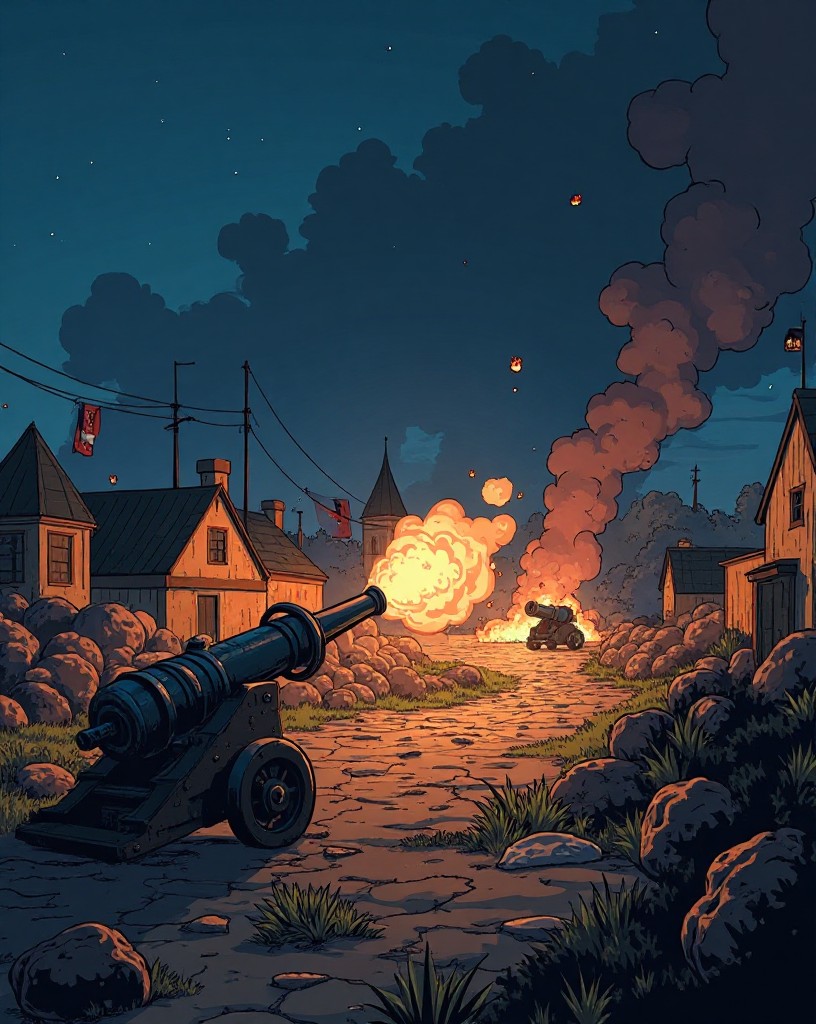
The allied army digs siege lines around Yorktown, hauling heavy cannon into place. Night after night the trenches creep closer, and the bombardment never stops.
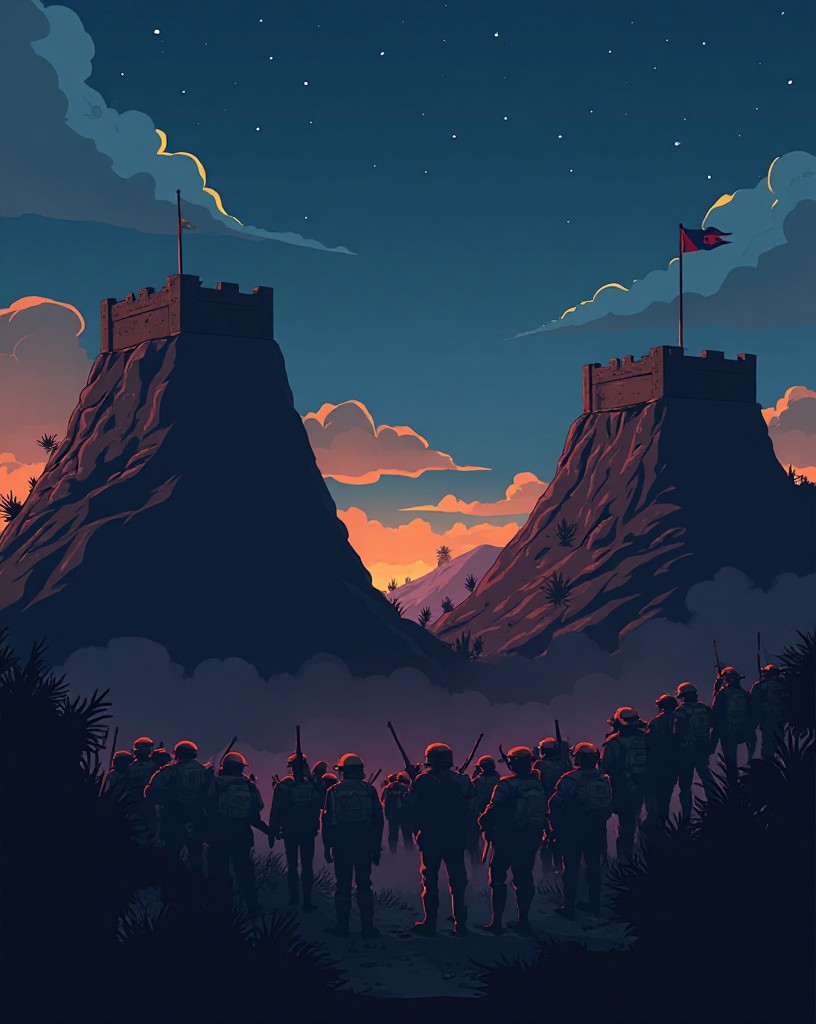
Two British strongpoints — Redoubts 9 and 10 — block the final approach. They must be taken by storm, in the dark, with bayonets alone.
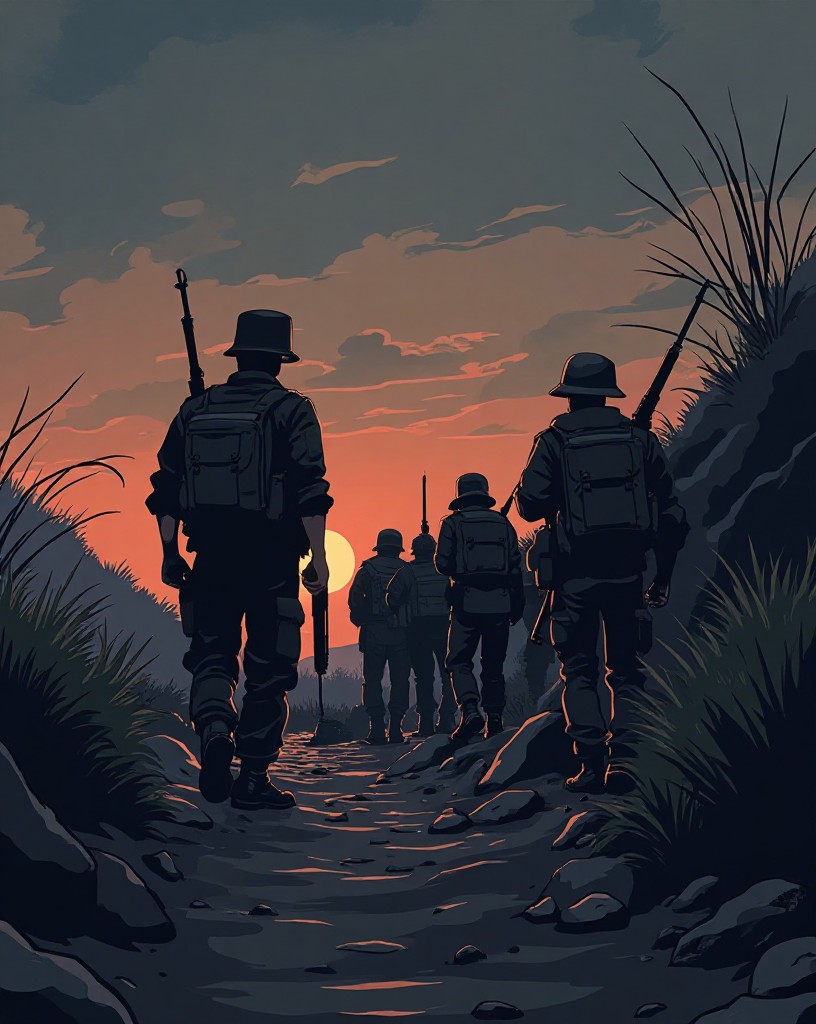
Alexander Hamilton
“Unloaded muskets. Bayonets only. We go in silence, and we go now.”
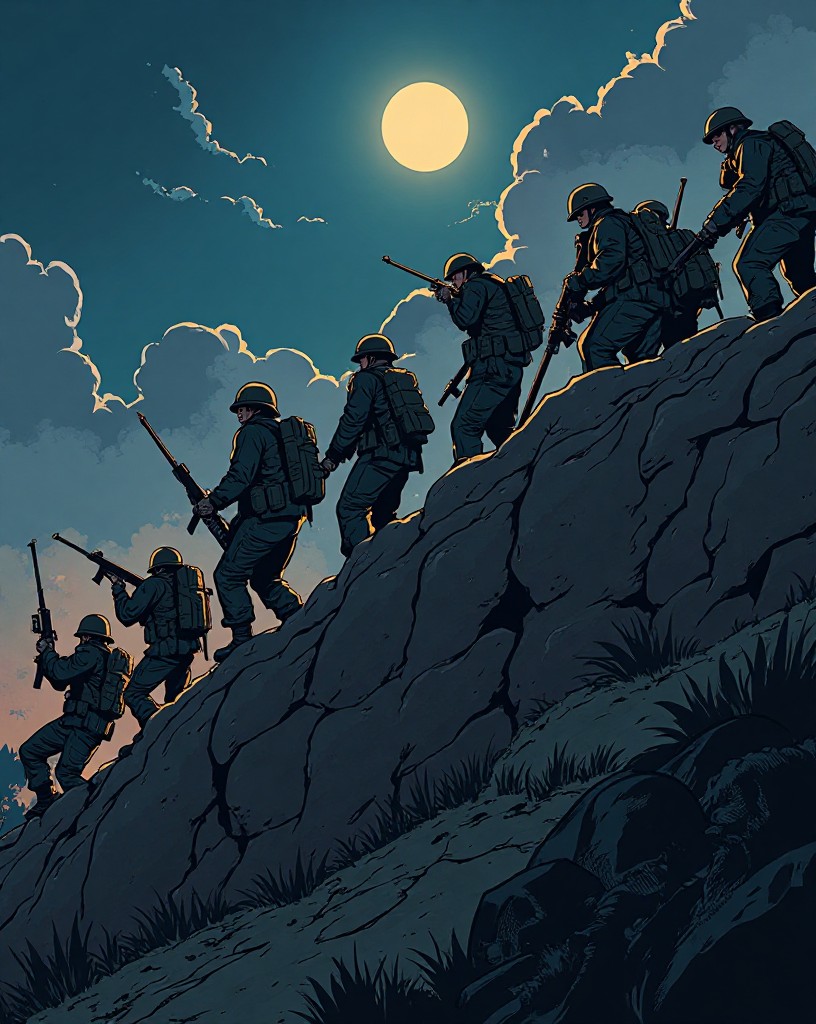
In a swift night assault, French and American troops overrun both redoubts. The siege guns roll up to point-blank range.
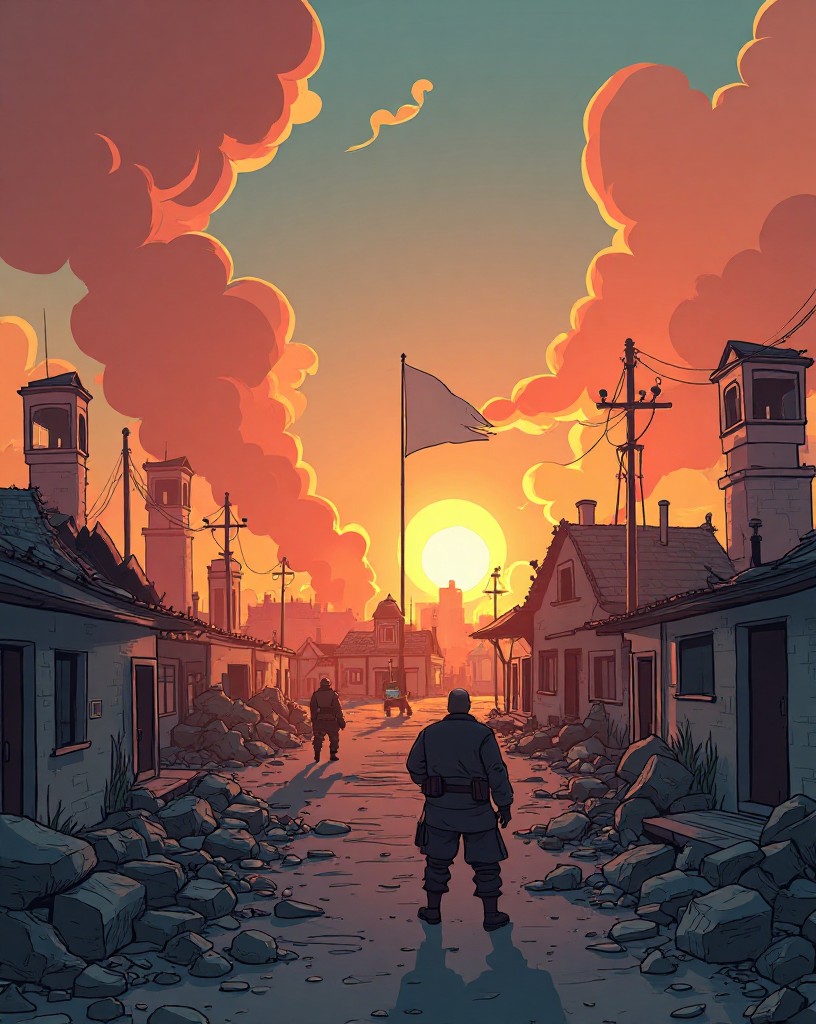
Trapped, pounded, with no fleet coming and no way out, Cornwallis asks for terms.
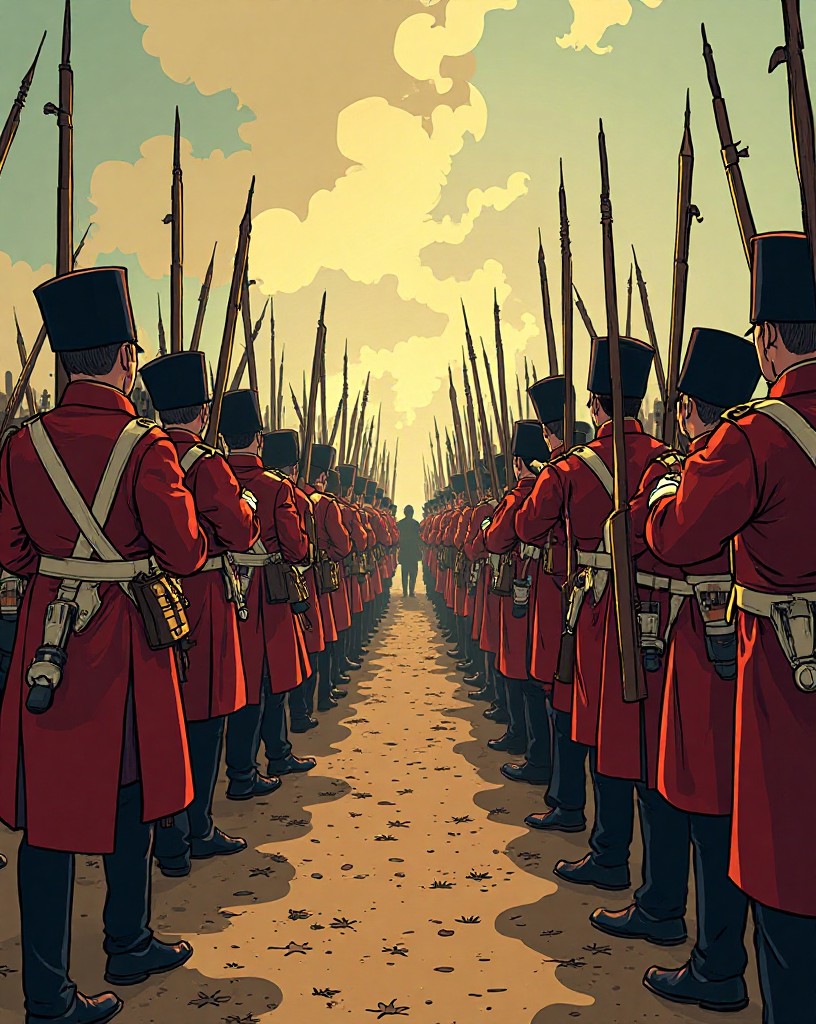
On October 19th, 1781, the British army marches out to surrender. A British band, the story goes, plays a tune called "The World Turned Upside Down."
It was the last great battle of the Revolution. Within two years Britain recognized the independence of the United States. A ragged rebellion had, against every expectation, won.
Sources
This story was adapted from the following. The illustrations are stylized depictions, not photographs of the events.
“Siege of Yorktown”, Wikipedia
Overview, the Chesapeake, the redoubts, and the surrender.
His Excellency: George Washington, Joseph J. Ellis (2004)
Context on Washington and the campaign.
That’s the story.
More are in the studio. Head back to the collection to see what’s coming.