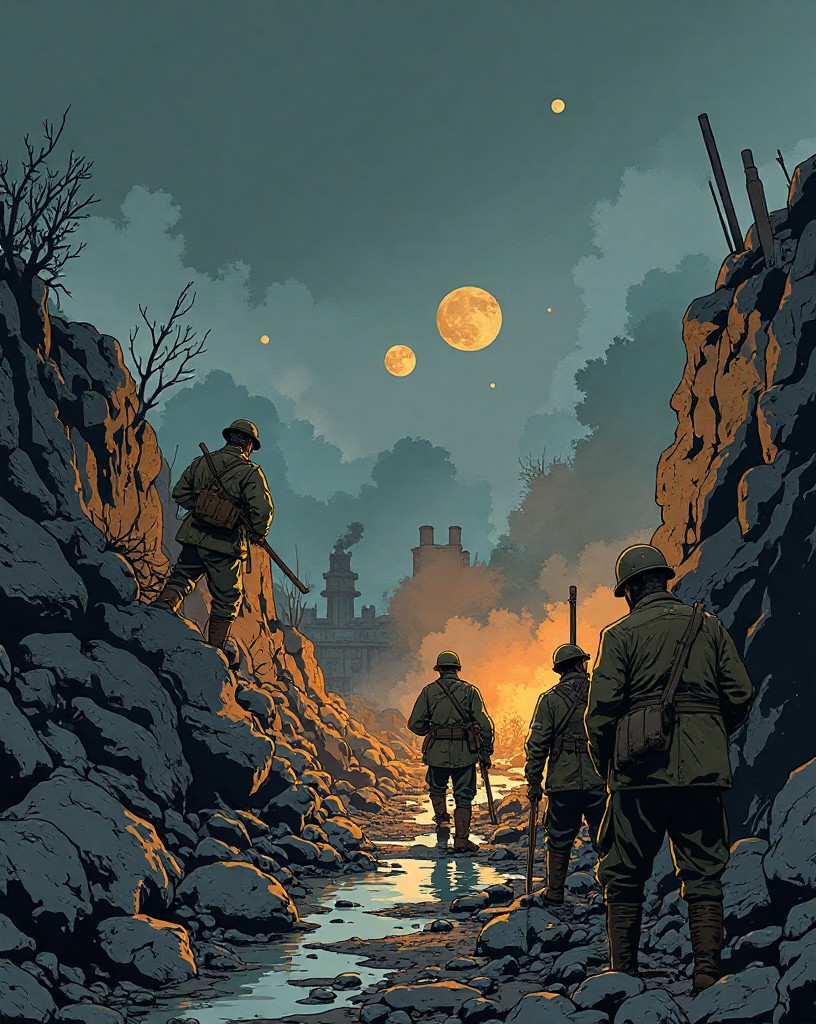
Verdun
Ten months in the mud, to bleed a nation white.
Western Front · 1916
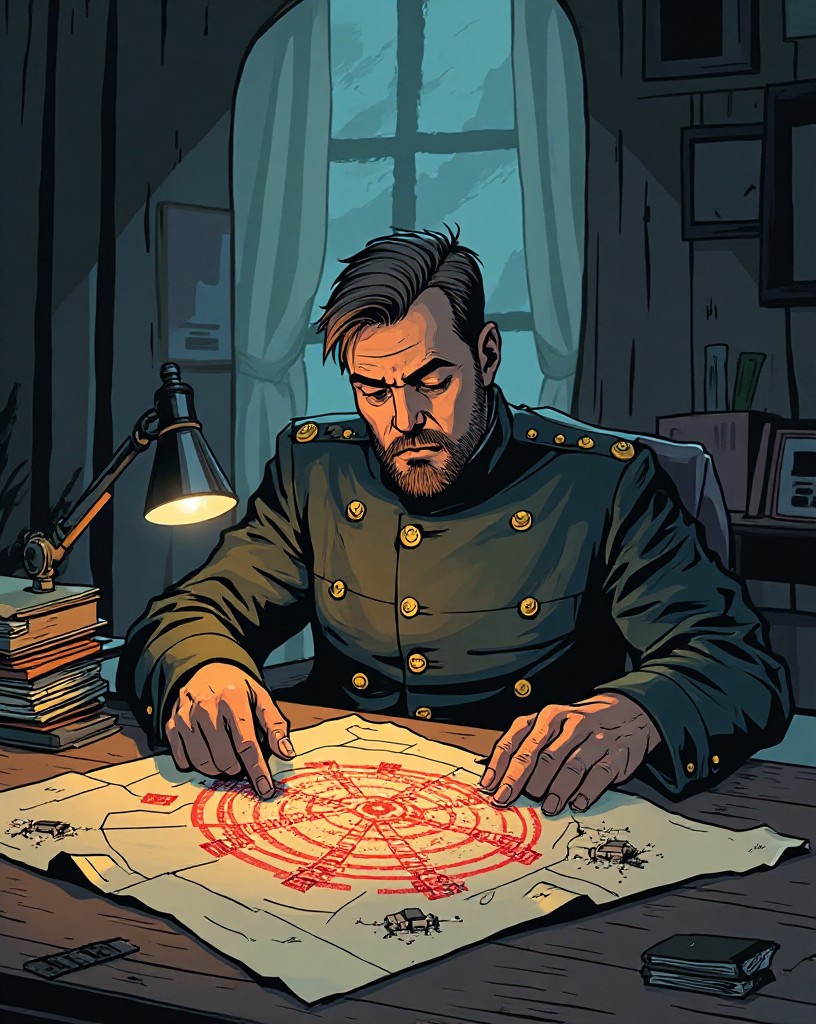
1916. The First World War has bogged down into trench stalemate. The German commander, Falkenhayn, devises a cold new kind of plan: not to break through, but to pick a place France must defend to the last man — and bleed her army white there. He chooses the fortress city of Verdun.
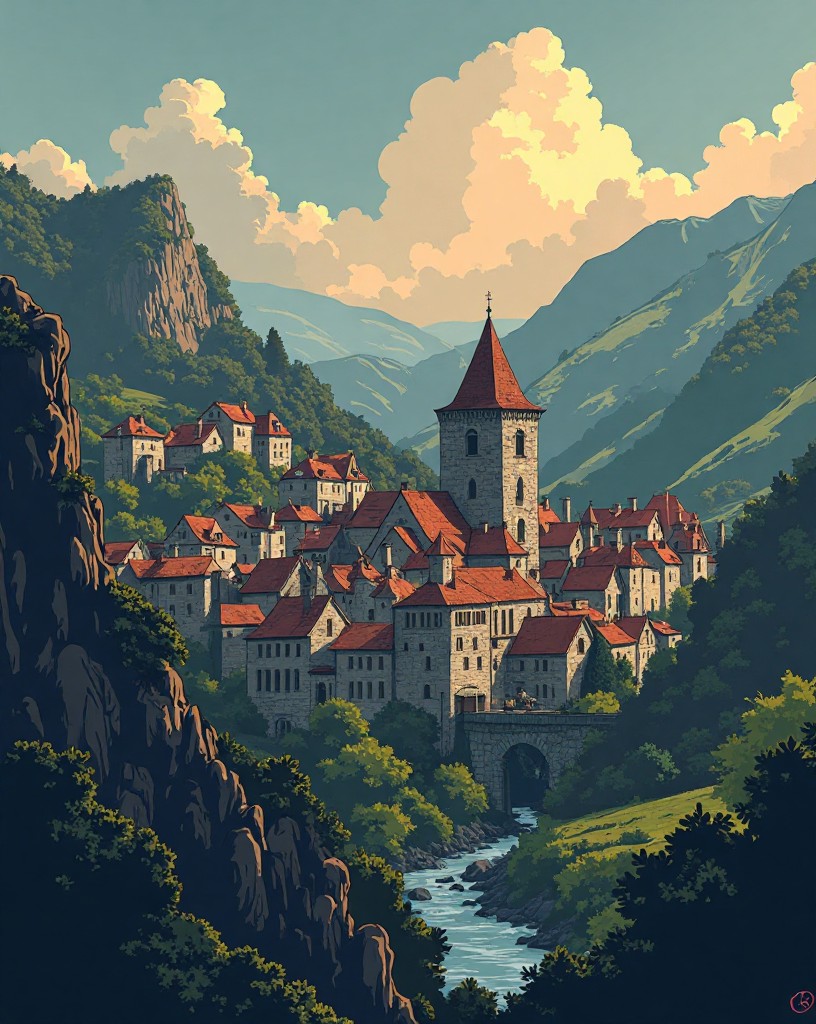
Verdun is ringed by forts and heavy with history. France, the Germans rightly guess, will never give it up. That is exactly the point.

In February, the Germans open with the heaviest bombardment the world has yet seen — a million shells in a single day, turning the forts and forests around Verdun into a moonscape.
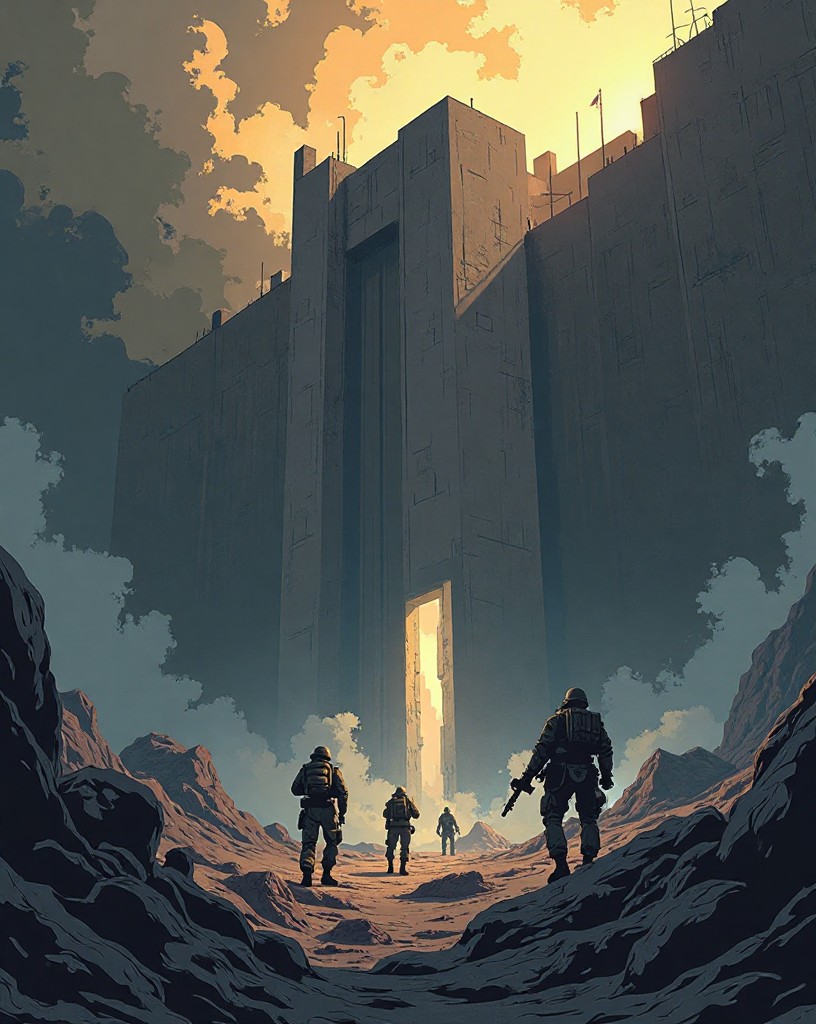
Within days the great Fort Douaumont, the strongest in the ring, falls almost without a fight — captured by a handful of German soldiers. France is stunned.
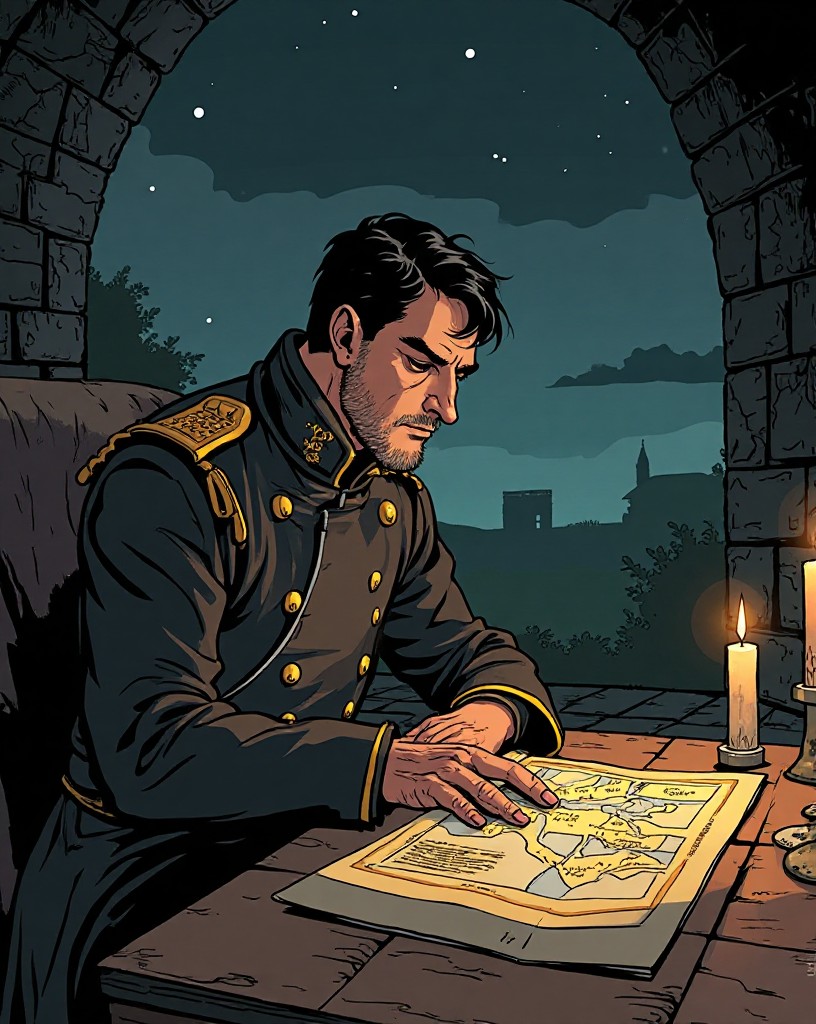
France pours men into the gap and names a new commander to hold the line: General Philippe Pétain.
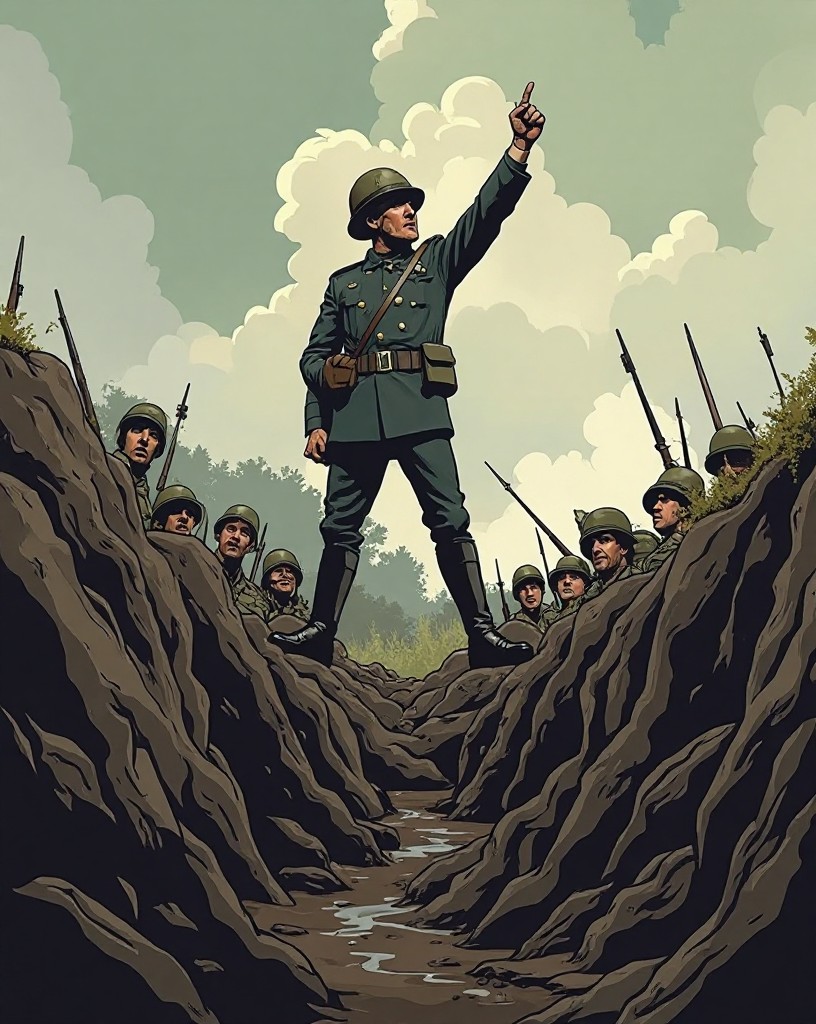
The cry of Verdun
“Ils ne passeront pas. They shall not pass.”
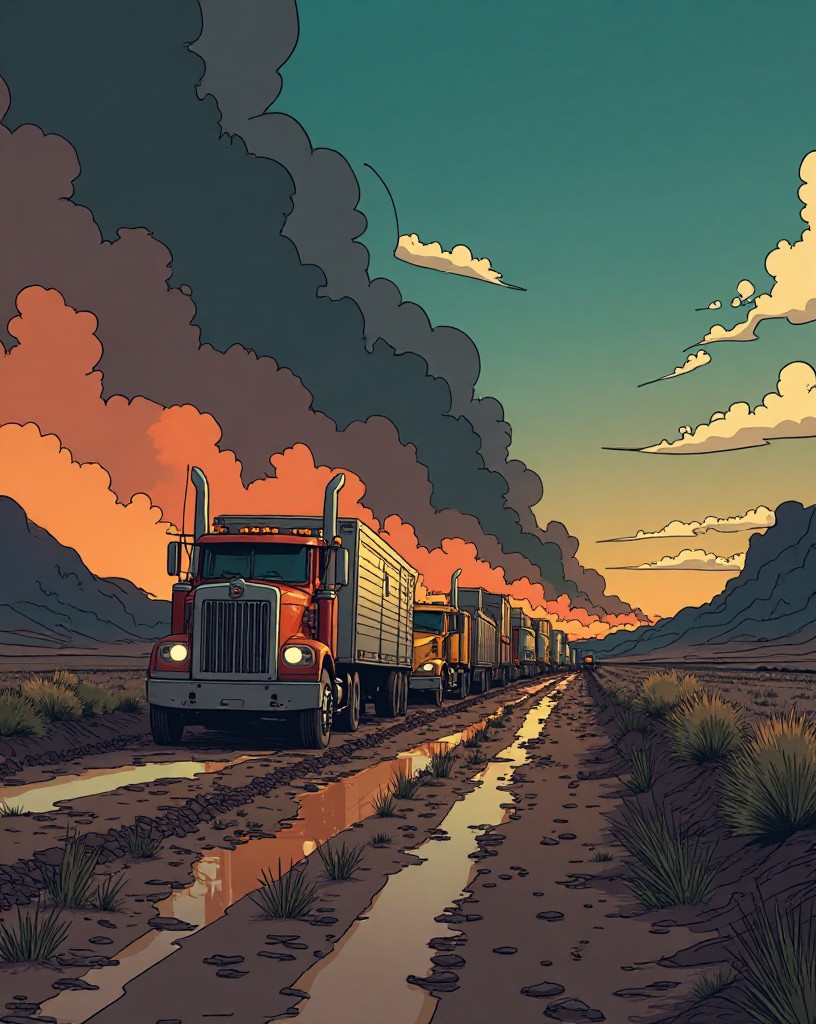
There is only one road into Verdun. Along it, day and night, an endless stream of trucks carries men and shells to the front. The French call it La Voie Sacrée — the Sacred Way.
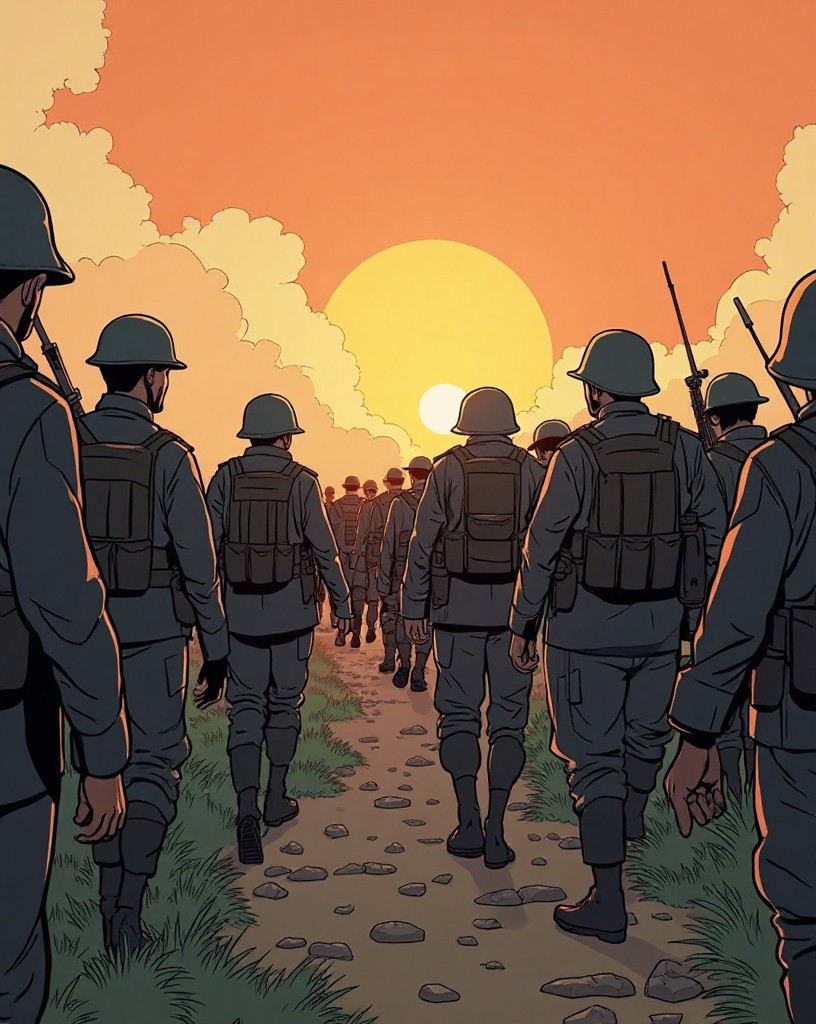
To share the suffering, France rotates almost its entire army through Verdun — division after division — so that nearly every French soldier of the war comes to know its hell.
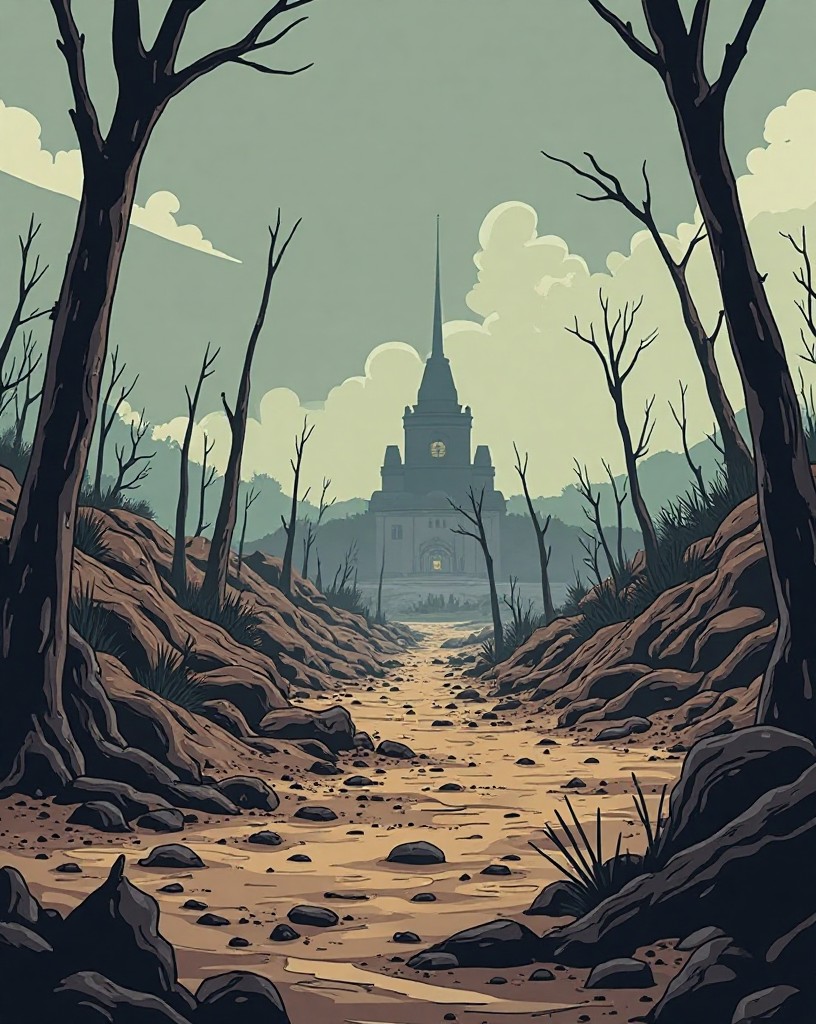
The battle becomes a meat grinder. Forts are taken and retaken. The dead lie unburied in the churned earth, and the shelling never stops for ten months.
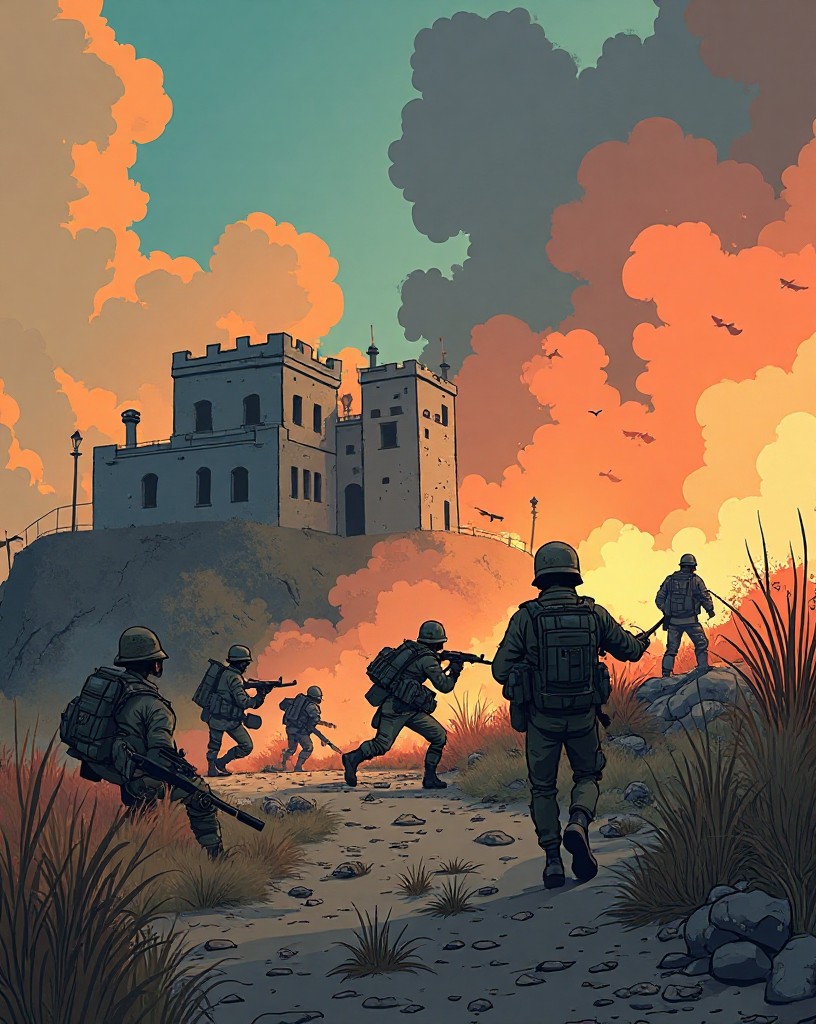
Slowly, terribly, the French hold — and then push back, retaking Fort Douaumont in the autumn.
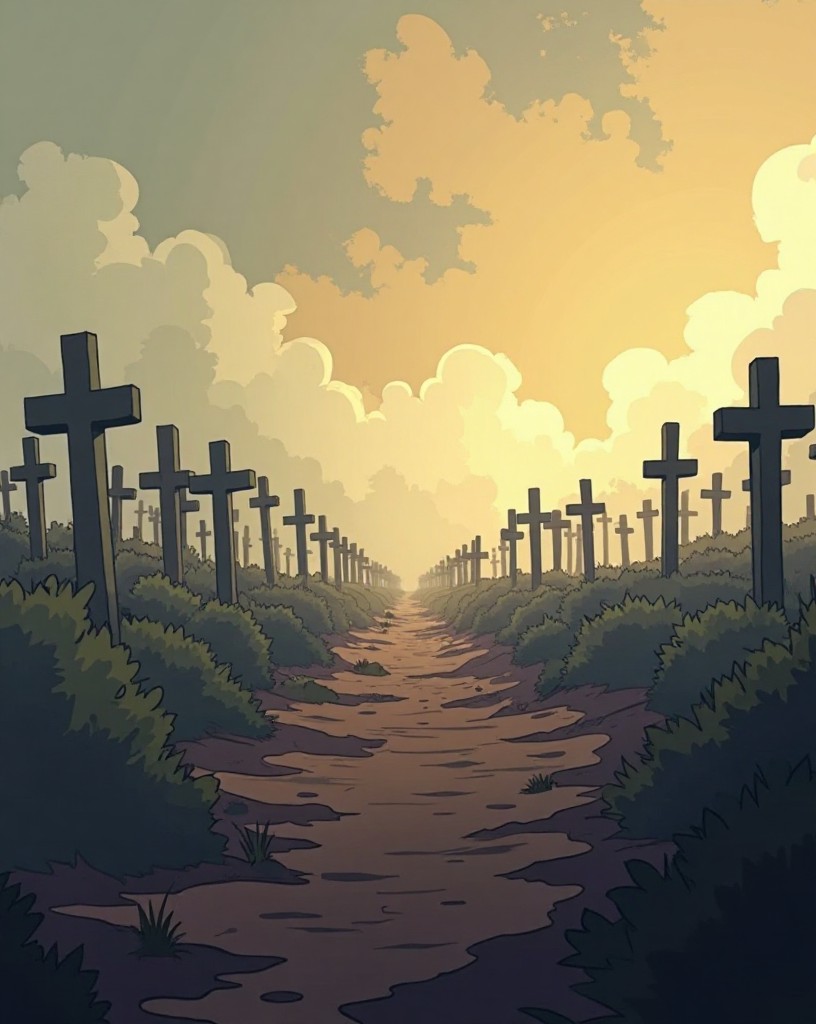
By December the Germans call it off. The front has barely moved. But the cost is almost beyond counting: together the two sides suffer some seven hundred thousand casualties.
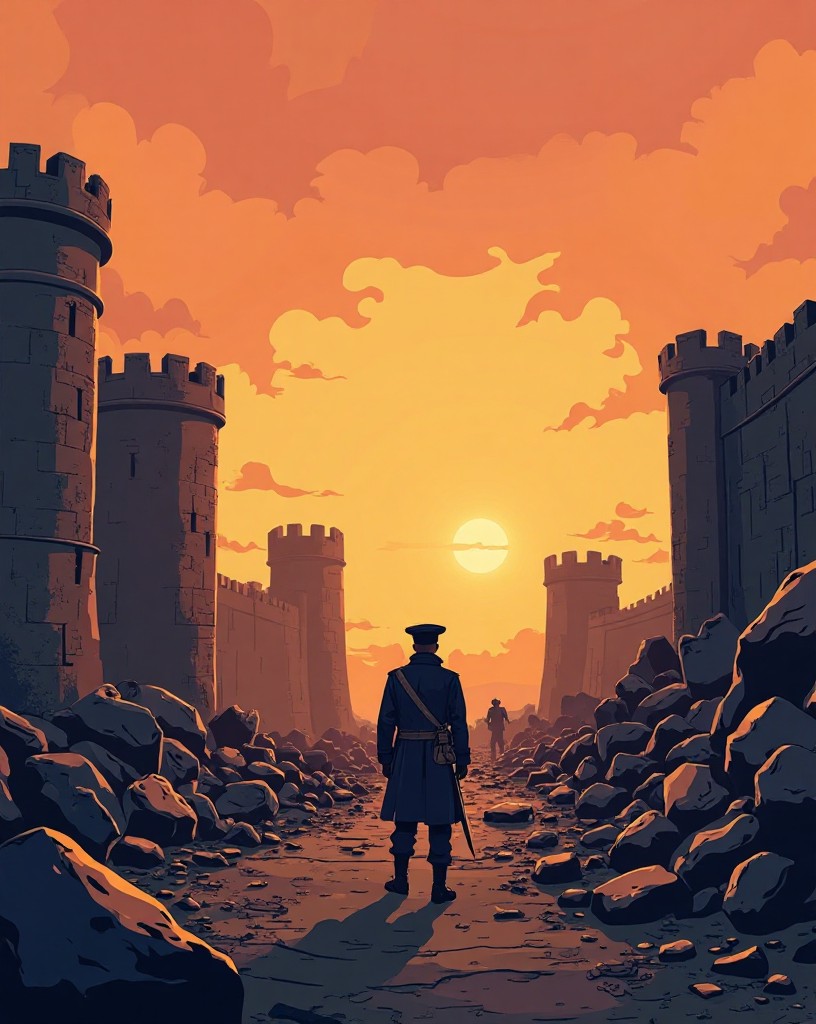
Falkenhayn had meant to bleed France white. He bled both armies to the bone, changed nothing on the map, and made Verdun a word that, to France, still means the place the nation refused to fall.
Sources
This story was adapted from the following. The illustrations are stylized depictions, not photographs of the events.
“Battle of Verdun”, Wikipedia
Overview, the Sacred Way, Douaumont, and casualties.
The Price of Glory: Verdun 1916, Alistair Horne (1962)
Classic history of the battle.
That’s the story.
More are in the studio. Head back to the collection to see what’s coming.