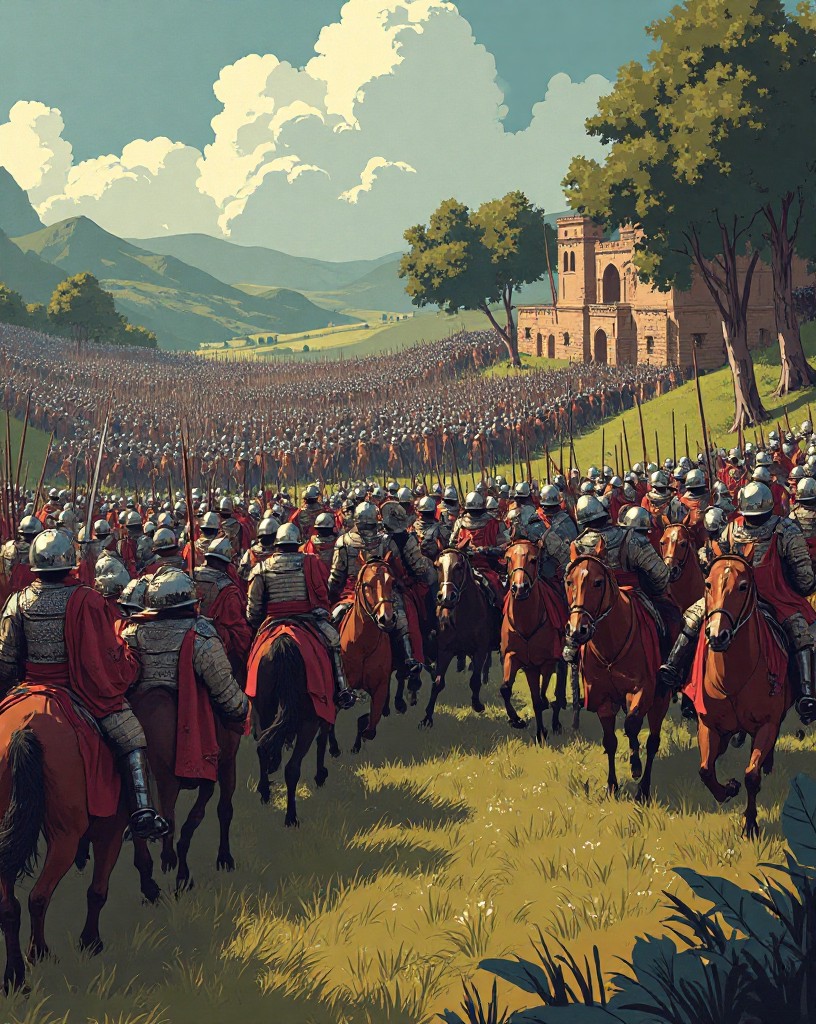
The Battle of Tours
A wall of Frankish shields that turned back an empire's tide.
Frankish Gaul · 732 AD
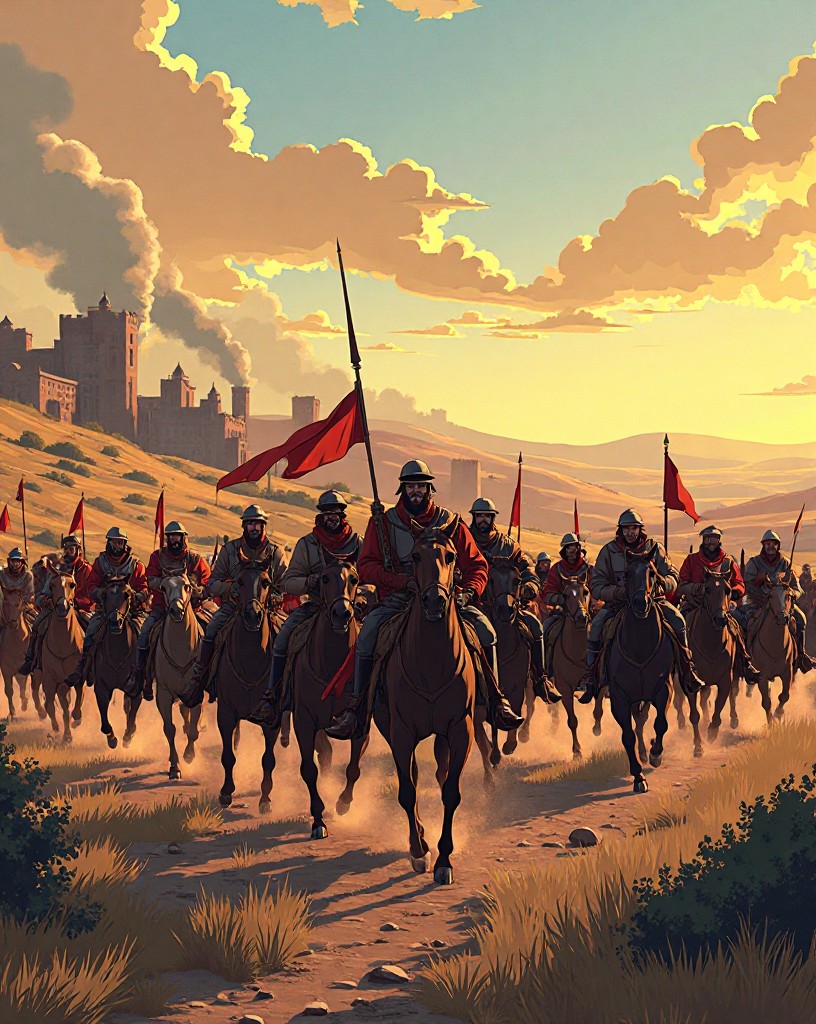
732 AD. A century after the rise of Islam, the Umayyad Caliphate has swept across North Africa and Spain, and now its armies are raiding north into the heart of Frankish Gaul — what is now France. Few forces have been able to stop them.
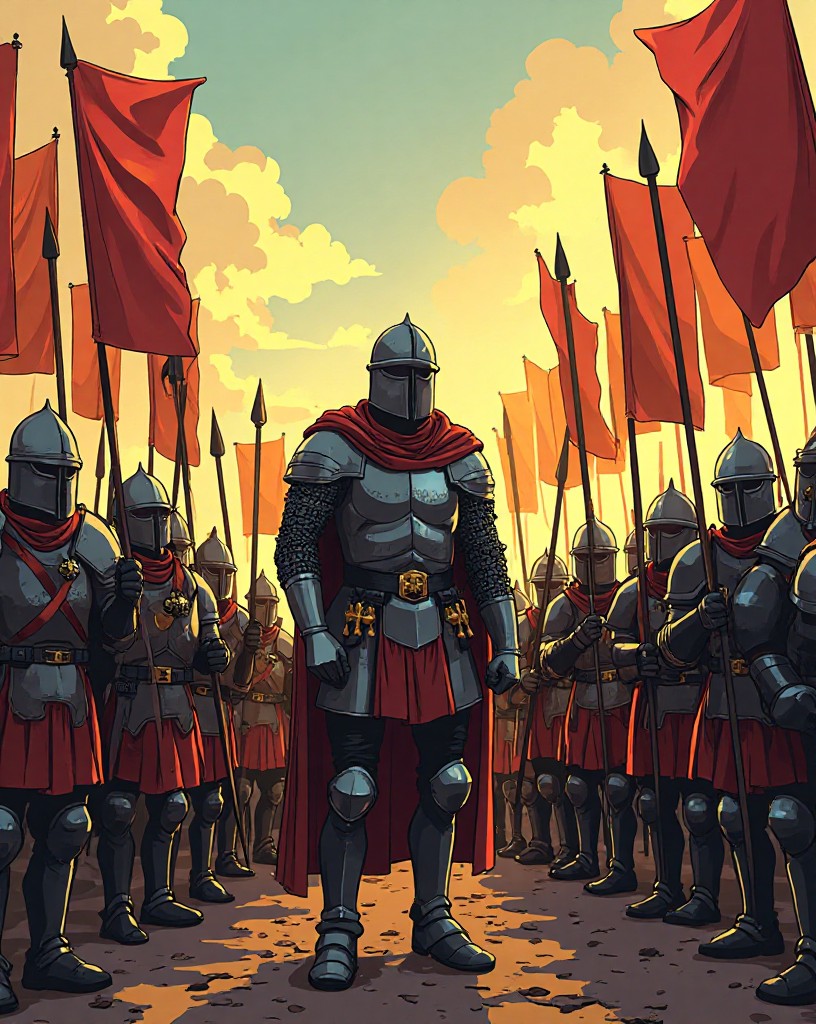
Riding to meet them is Charles Martel, the most powerful man among the Franks — a hardened warrior who has spent years forging a disciplined army.
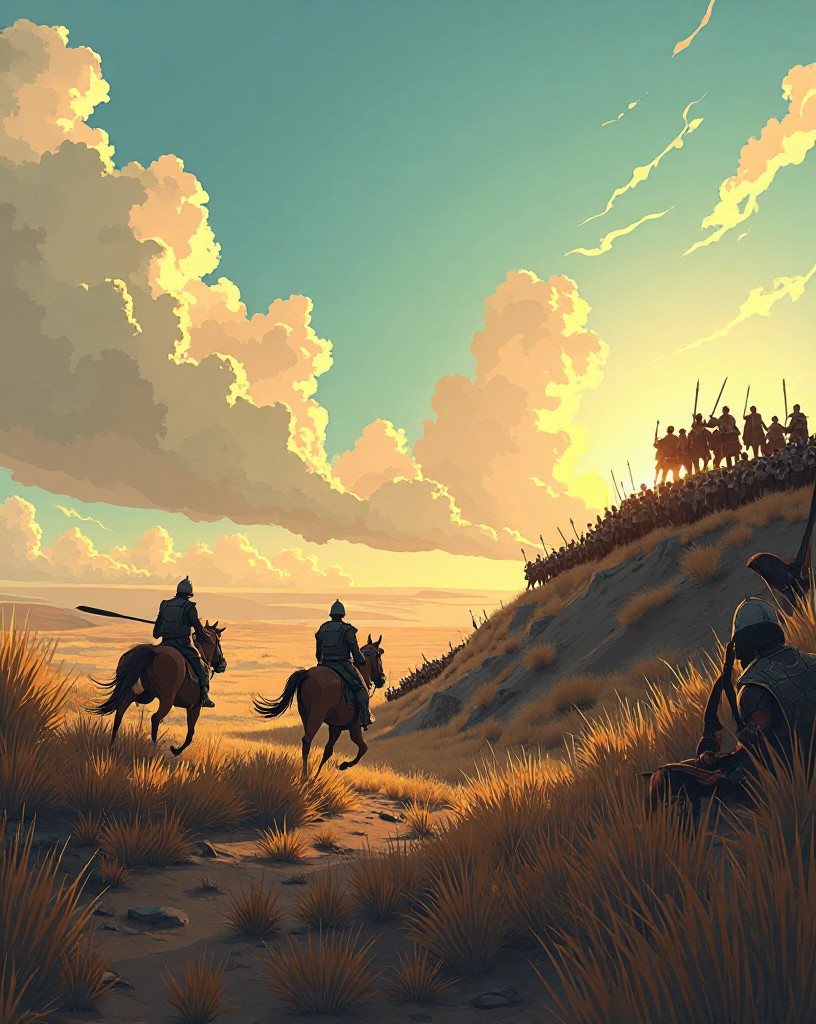
The two forces meet between the cities of Tours and Poitiers. The Umayyad army is built around fast, hard-hitting cavalry; Charles has chosen to fight with massed, heavily armed infantry on foot.
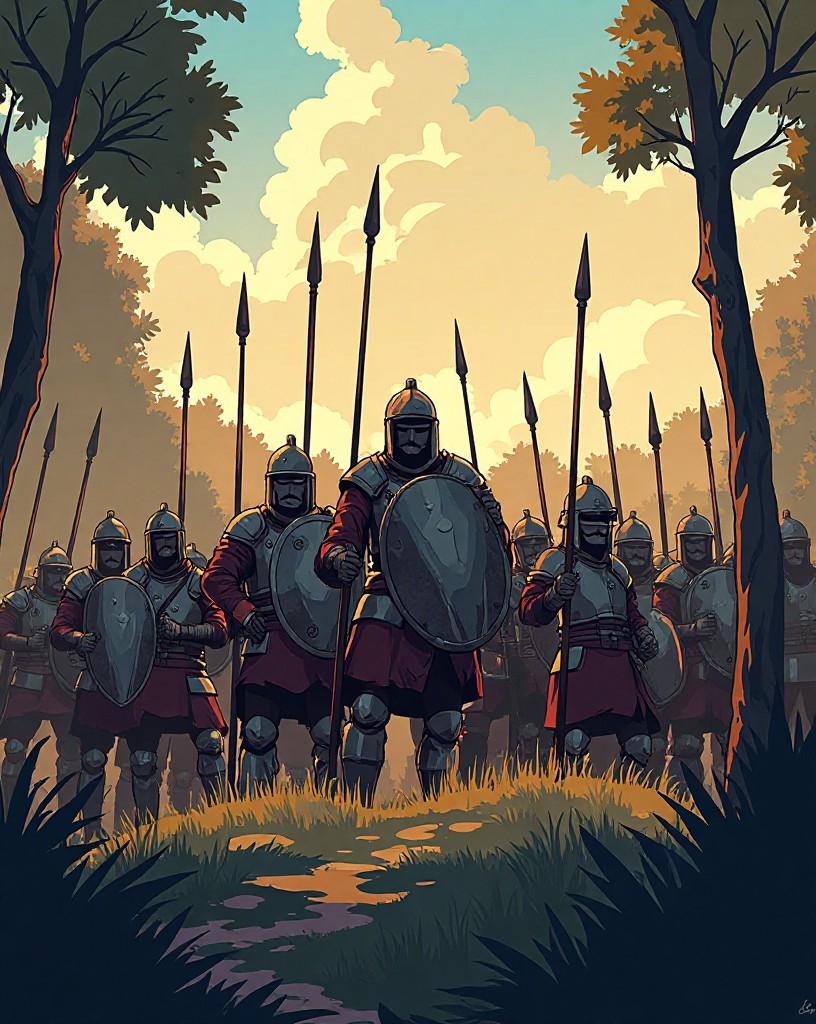
Charles takes the high, wooded ground and forms his men into a dense, disciplined square — a wall of shields and spears — and waits for the enemy to come to him.
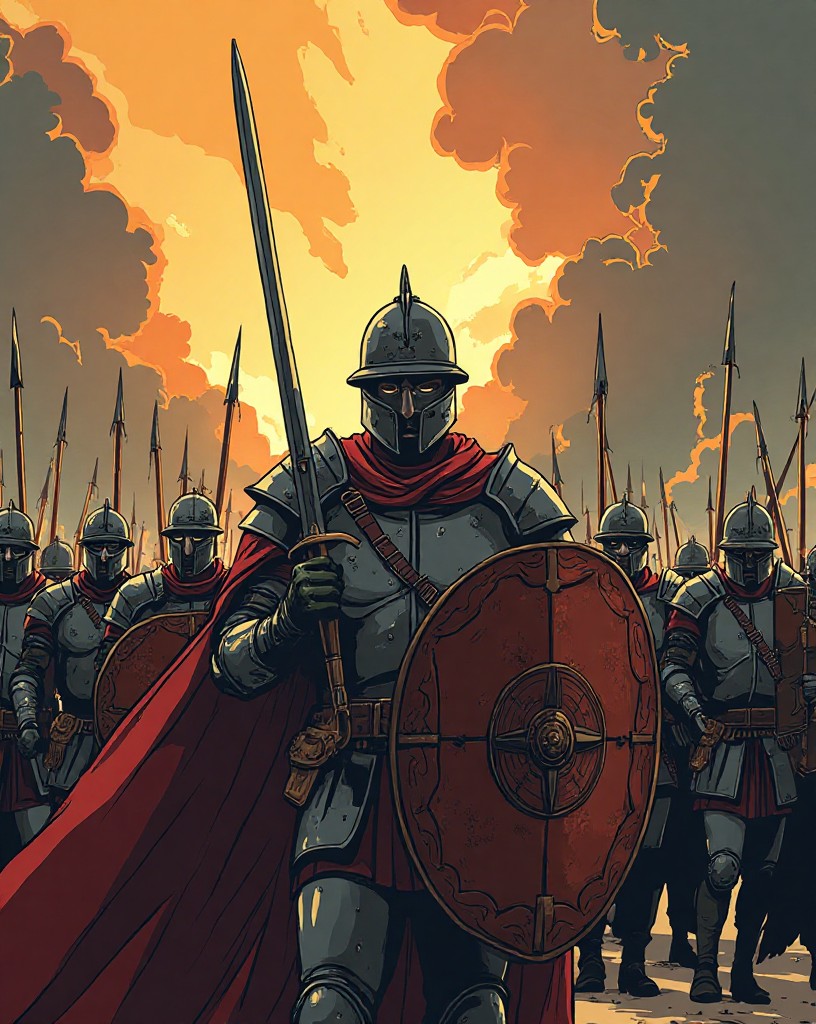
Charles Martel
“We do not charge. We stand. Hold the square like a wall of ice, and let their horses break upon us.”
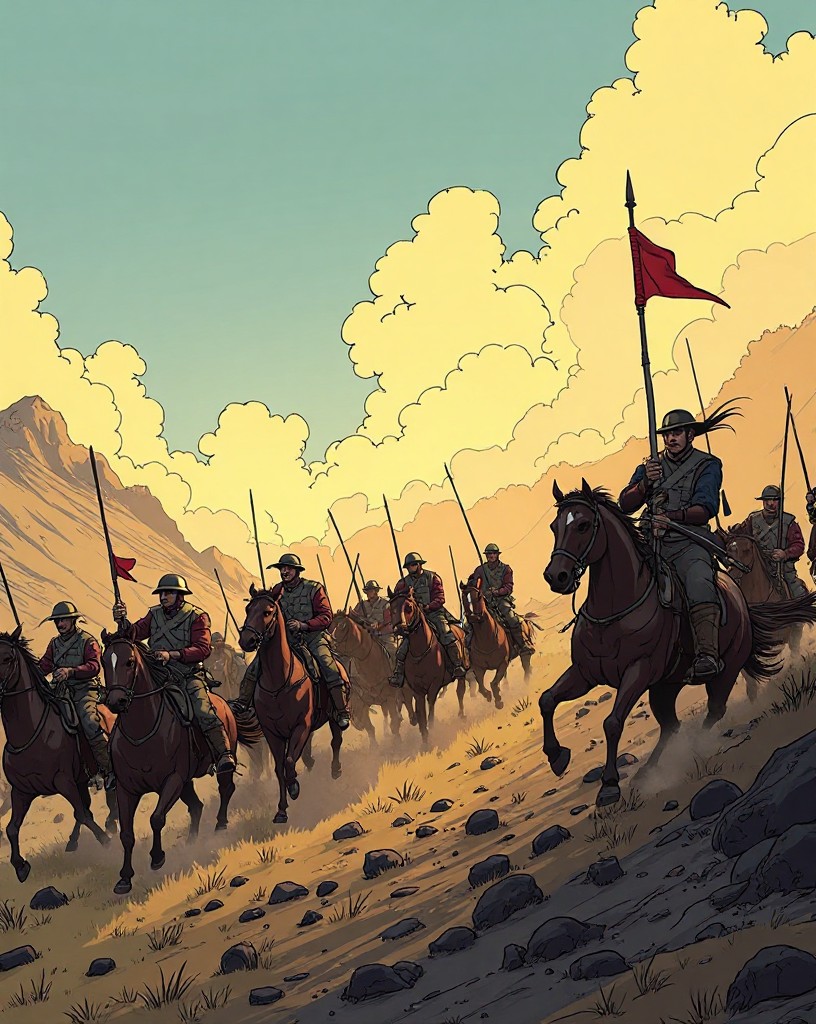
For days the two armies watch each other. Then the Umayyad cavalry charges — again and again — into the Frankish wall.
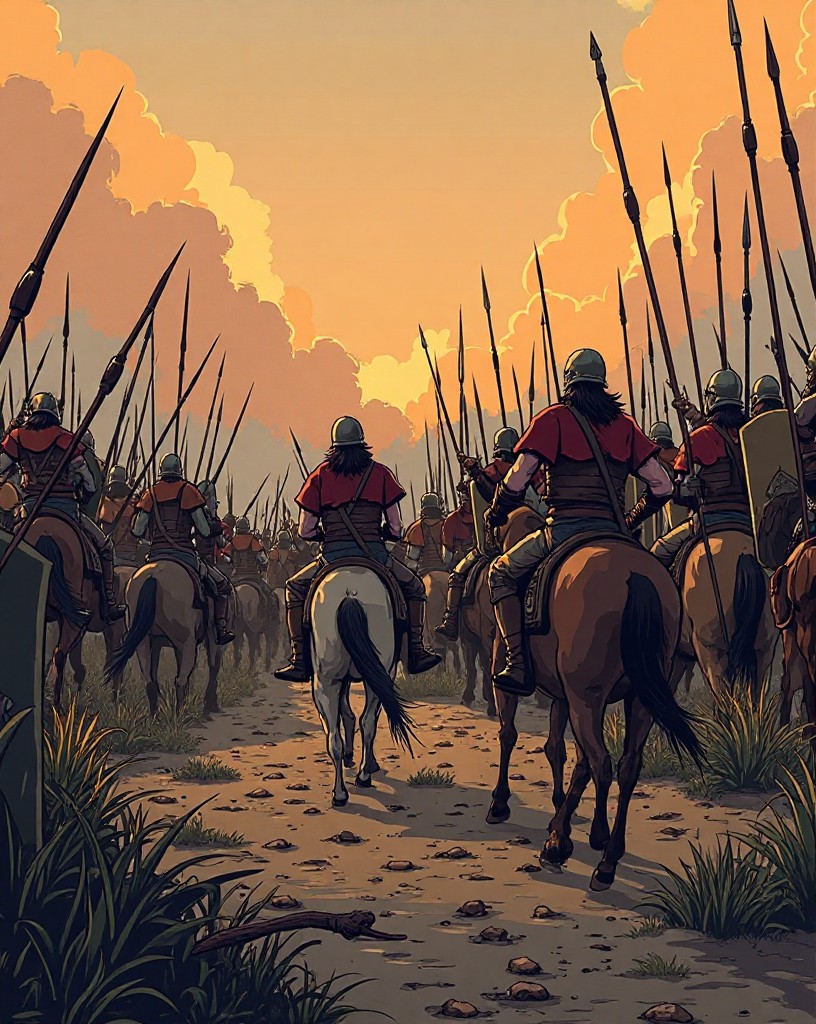
The horsemen crash against the shield wall and cannot break it. The Franks stand firm, the square holding through charge after charge, the slope before them filling with the fallen.
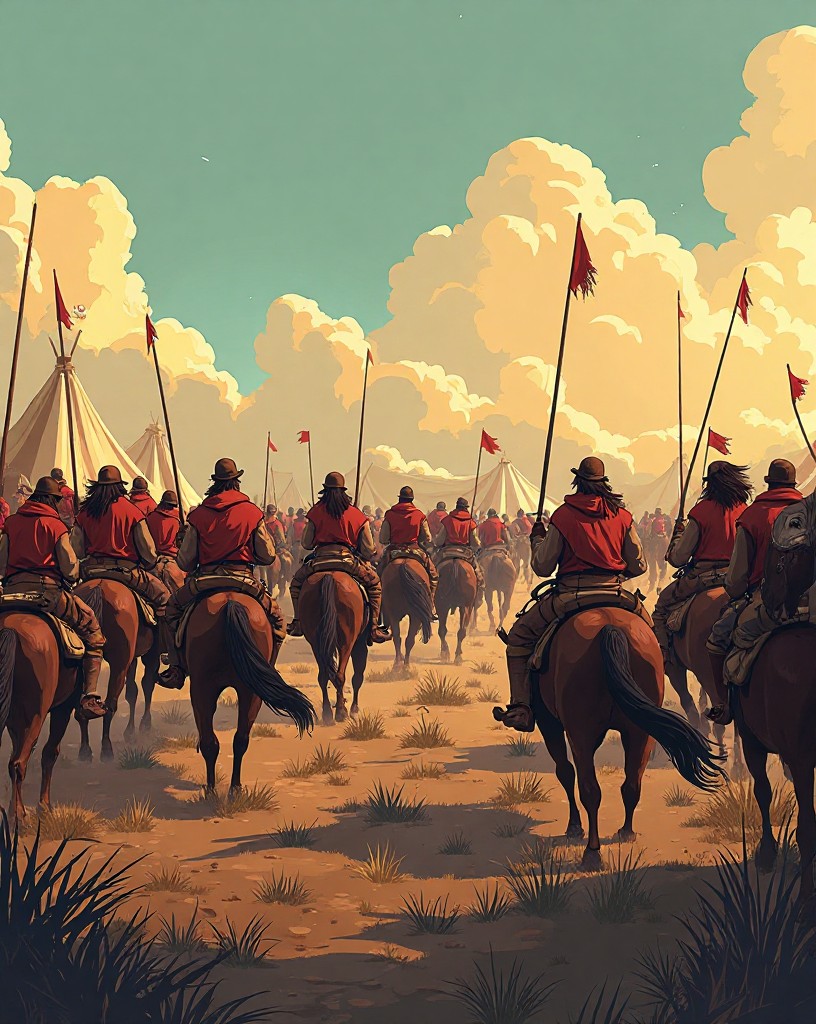
In the thick of the fighting, a rumor races through the Umayyad ranks that the Franks are raiding their camp and the plunder they have gathered. Part of the cavalry breaks off to defend it.
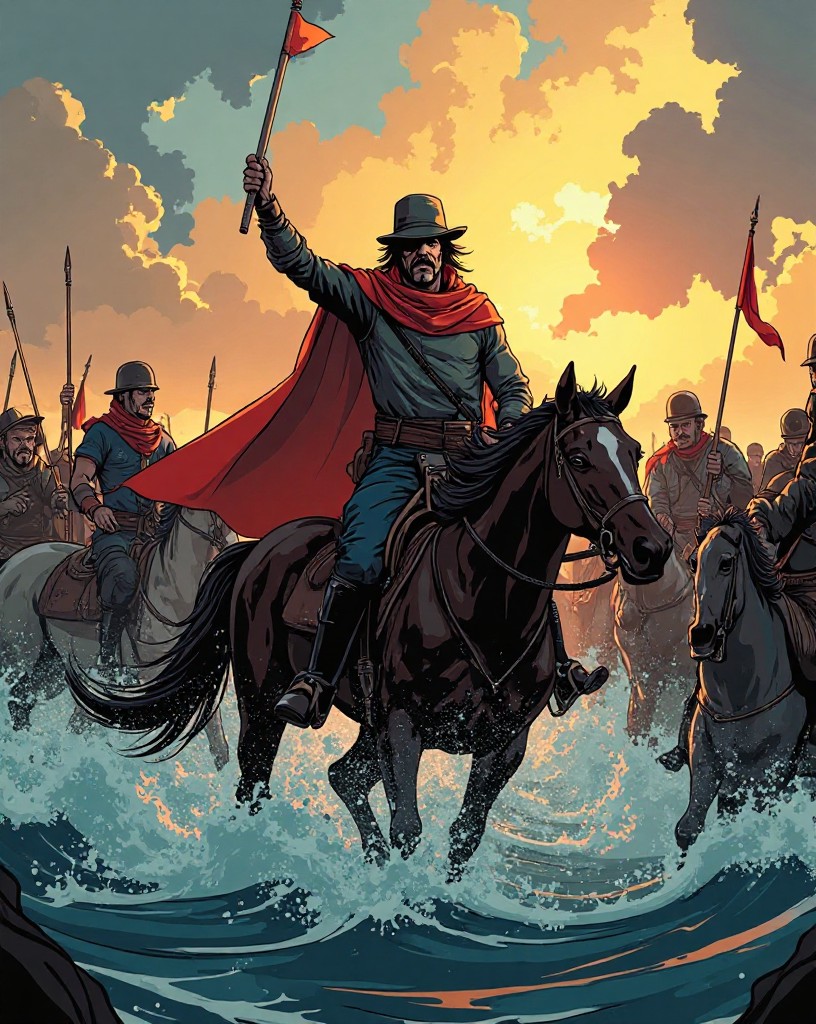
The withdrawal turns to confusion, and in the chaos the Umayyad commander, Abd al-Rahman, is surrounded and killed.
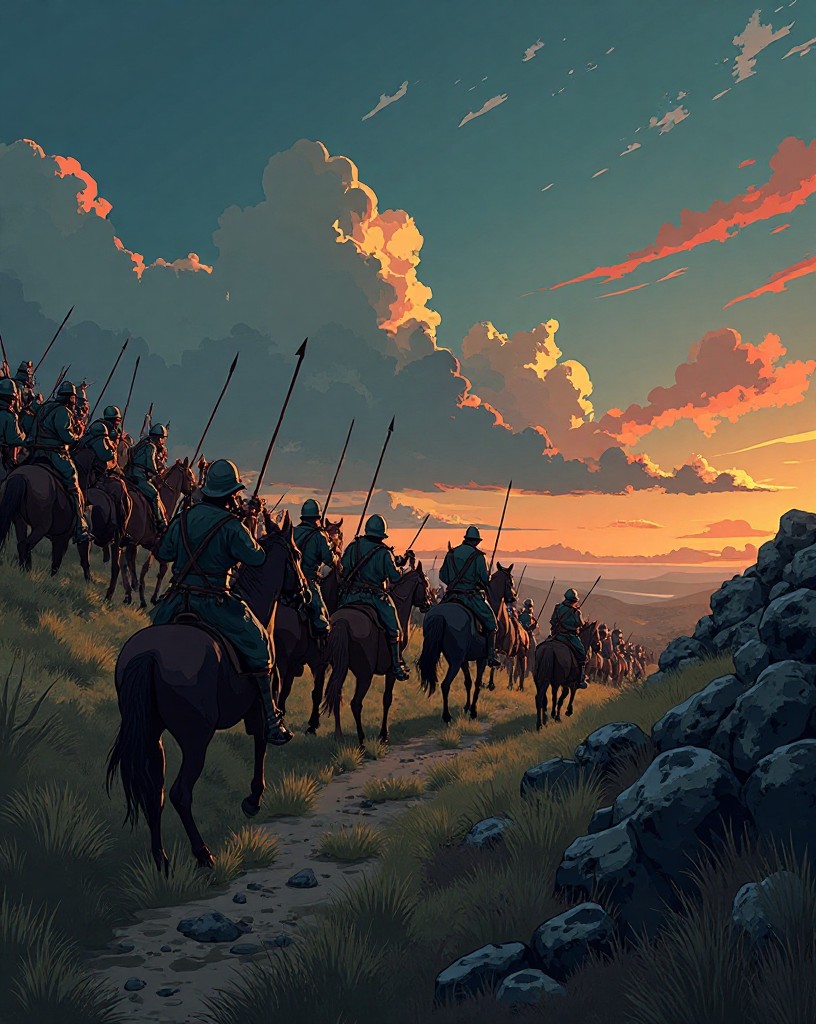
With their leader dead and their lines wavering, the Umayyad army falls back to its camp as night comes.
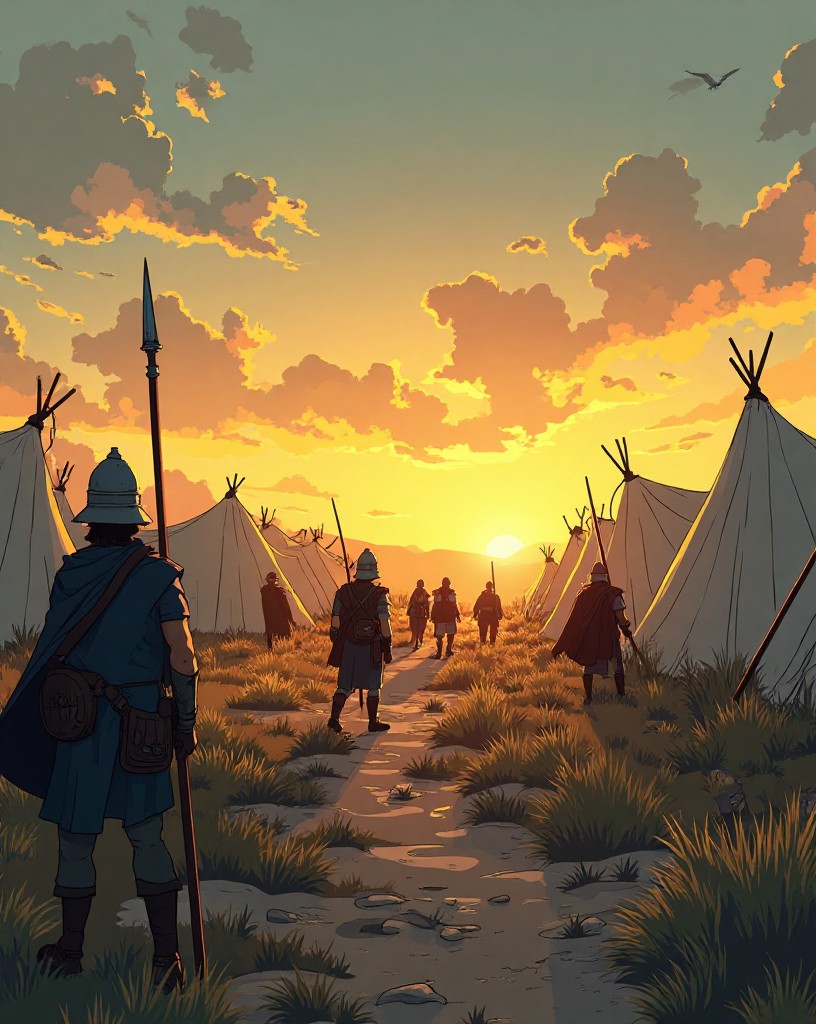
In the morning, the Franks brace for another assault — but the enemy is gone, slipped away in the night, leaving their tents behind. The great raid into the north is over.
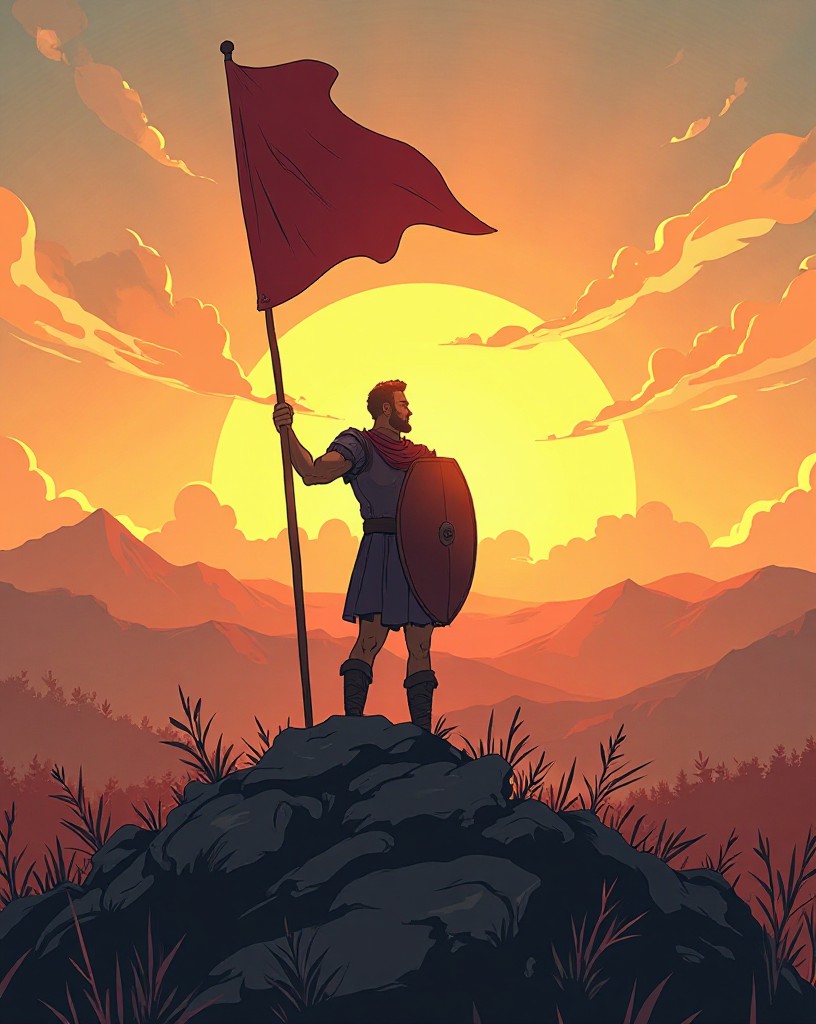
For his stand, Charles earned the name Martel — the Hammer. Later generations called Tours the battle that turned back Muslim expansion into Western Europe. Historians still debate how decisive it truly was — but few doubt it was a turning point, and Charles's house would soon produce an emperor: his grandson, Charlemagne.
Sources
This story was adapted from the following. The illustrations are stylized depictions, not photographs of the events.
“Battle of Tours”, Wikipedia
Overview, the shield wall, and the debate over its significance.
Mozarabic Chronicle of 754, contemporary chronicle
One of the earliest sources for the battle.
That’s the story.
More are in the studio. Head back to the collection to see what’s coming.