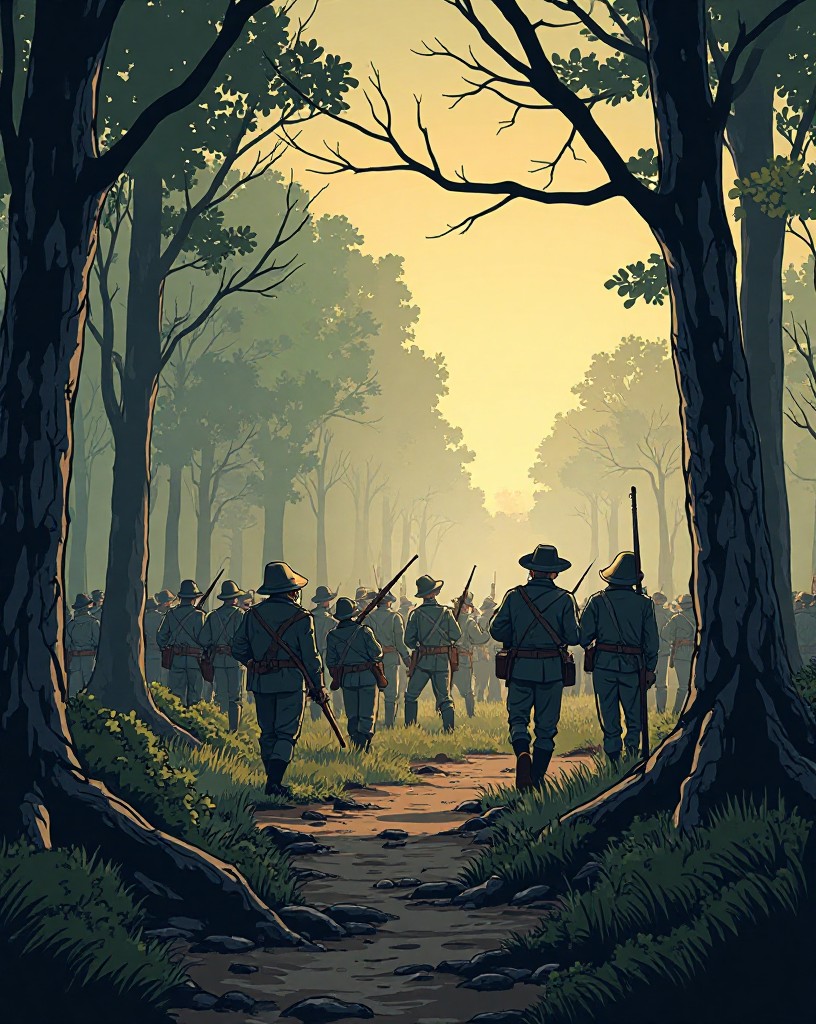
Shiloh
The two days that killed the dream of a short, glorious war.
Tennessee · 1862
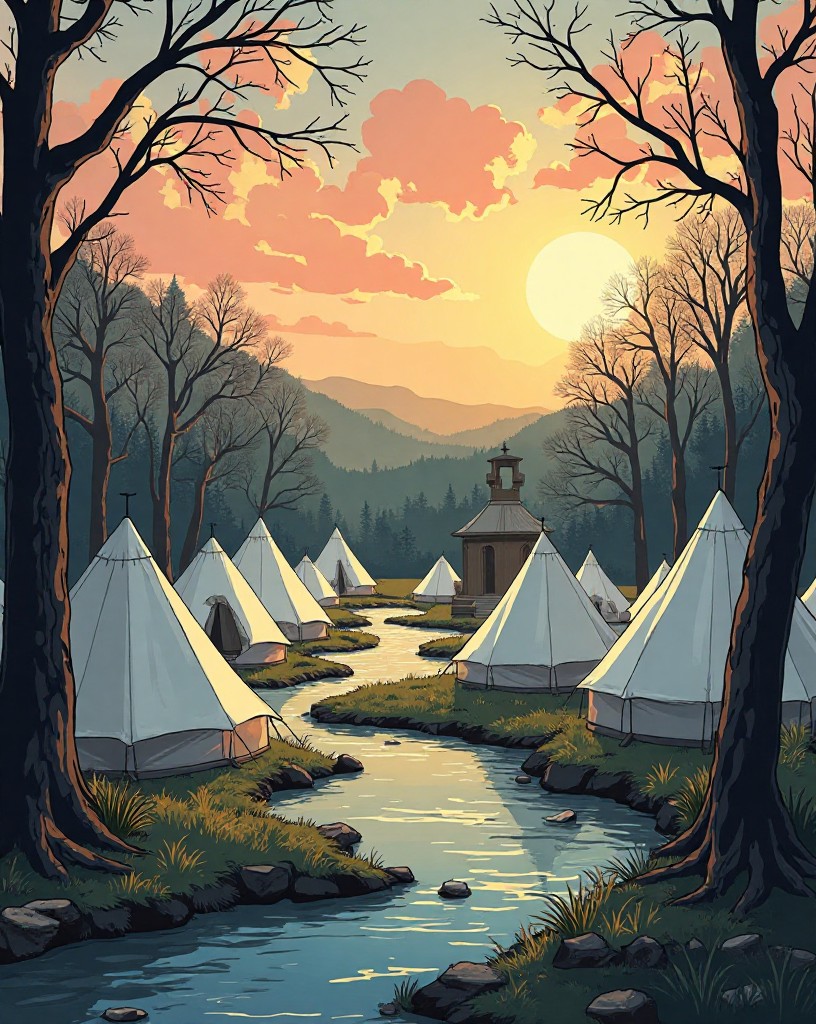
April 1862. The Civil War is young, and many on both sides still believe it will be short and glorious. In the woods of Tennessee, beside a small country church called Shiloh, Ulysses S. Grant's Union army camps by a river, waiting to advance.
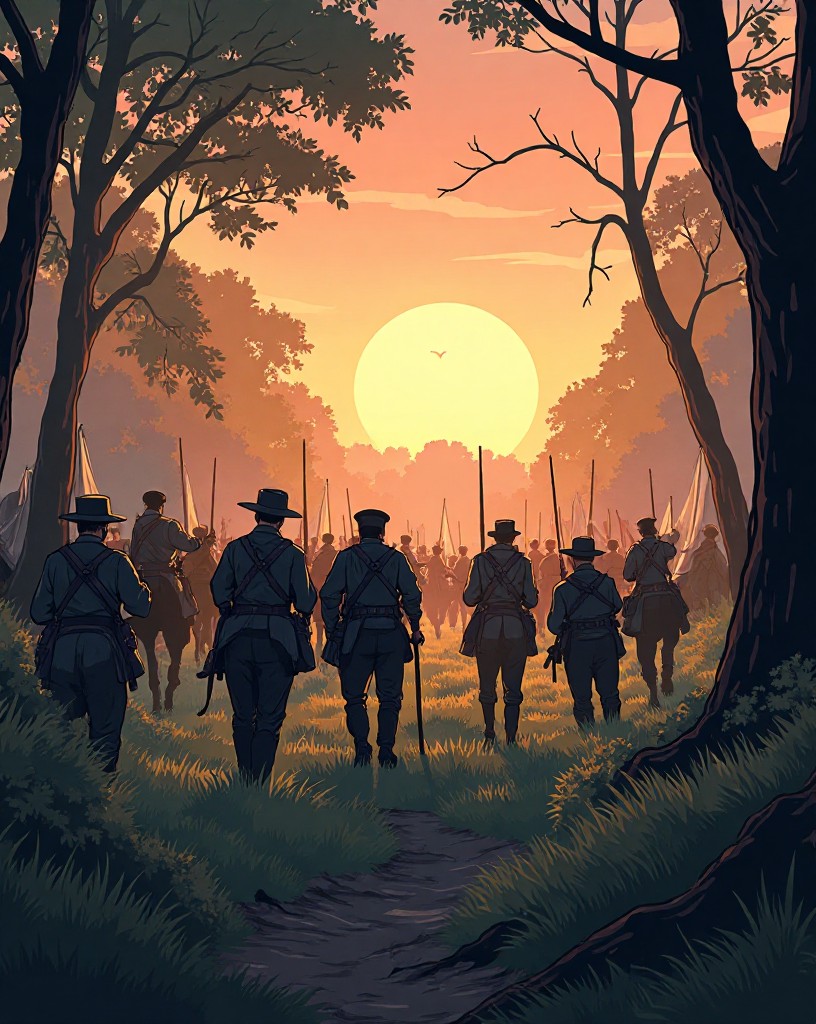
They are not as ready as they think. At dawn on April 6th, the Confederate army bursts out of the woods in a massive surprise attack, crashing into the half-awake Union camps.
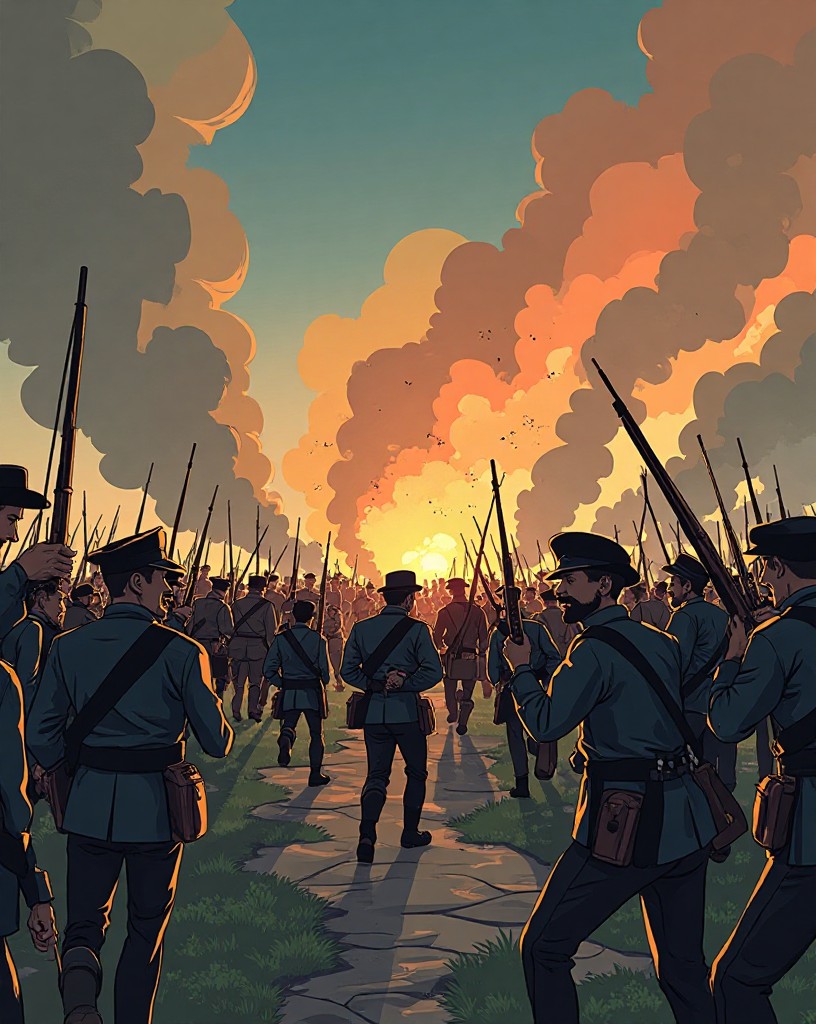
Stunned Union soldiers are driven back through their own tents. For a time it looks like a rout — the Confederates are winning.
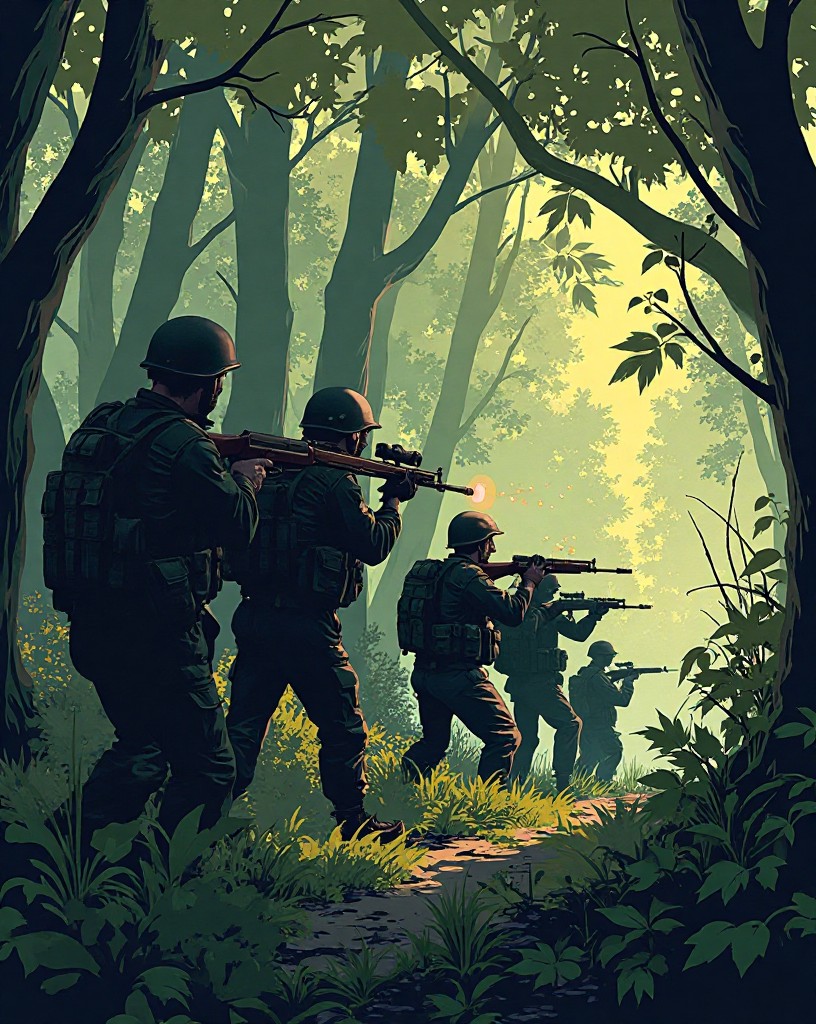
But pockets of Union troops dig in and refuse to break. In a dense thicket, a stubborn line holds for hours against charge after charge. The bullets fly so thick the men call it the Hornet's Nest.
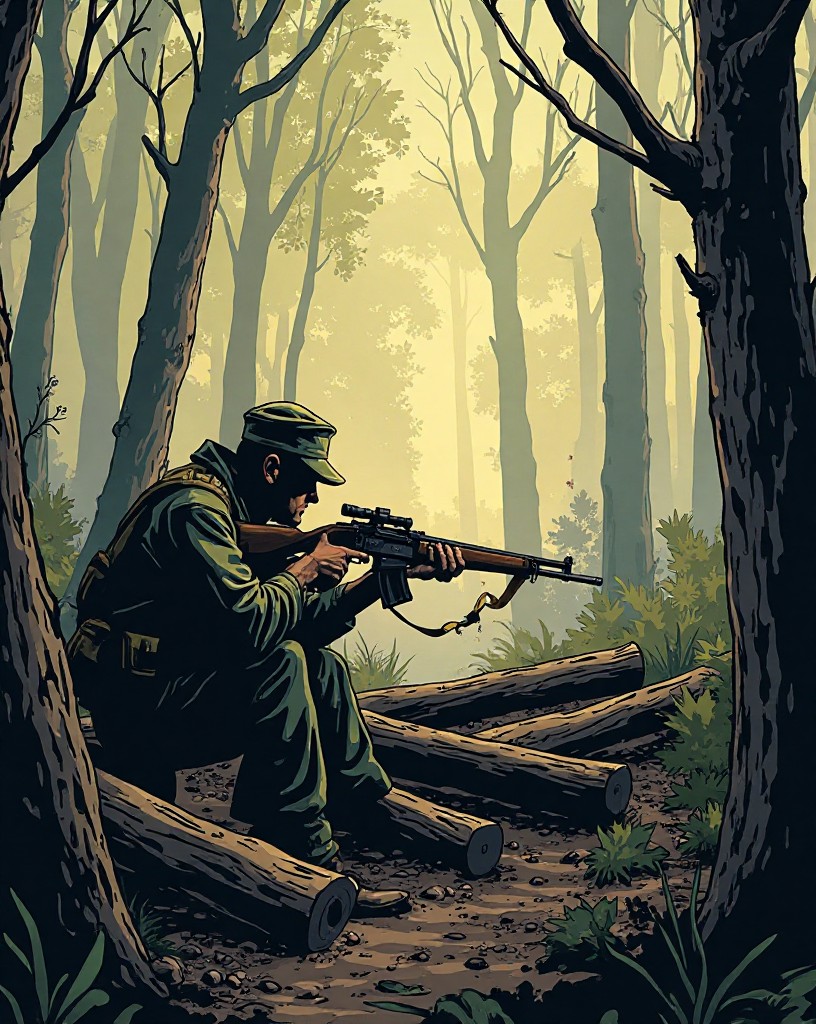
A Union officer
“Hold this line. Every minute we buy here is a minute Grant has to save the army.”
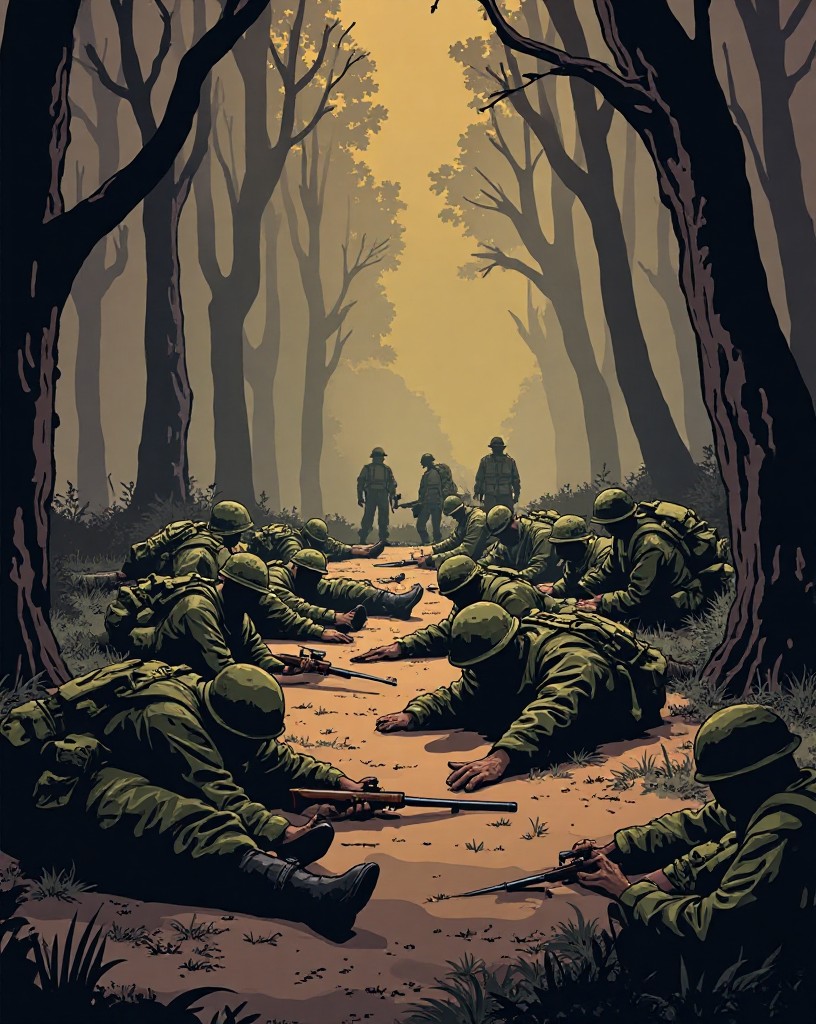
The defenders of the Hornet's Nest are finally surrounded and forced to surrender — but the hours they bought are priceless.
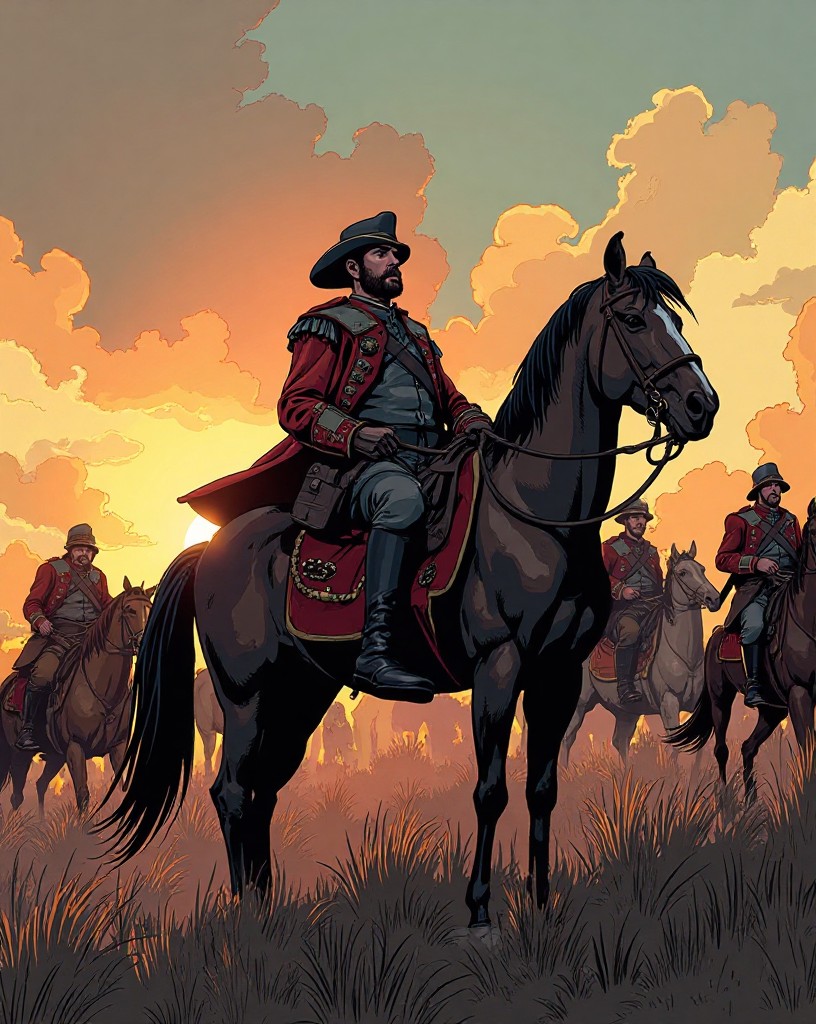
The Confederate commander, Albert Sidney Johnston, rides forward to press the attack — and is hit in the leg. He bleeds to death in the saddle, the highest-ranking American killed in the entire war.
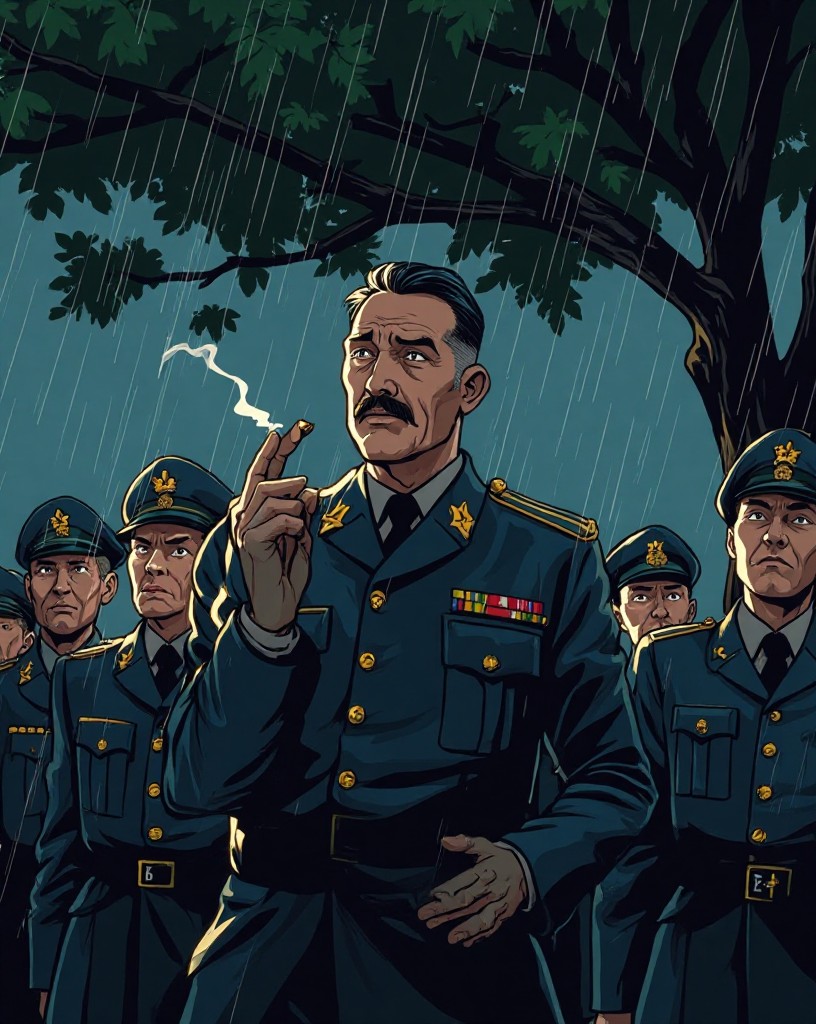
Gen. Grant
“Retreat? No. I propose to attack at daylight and whip them.”
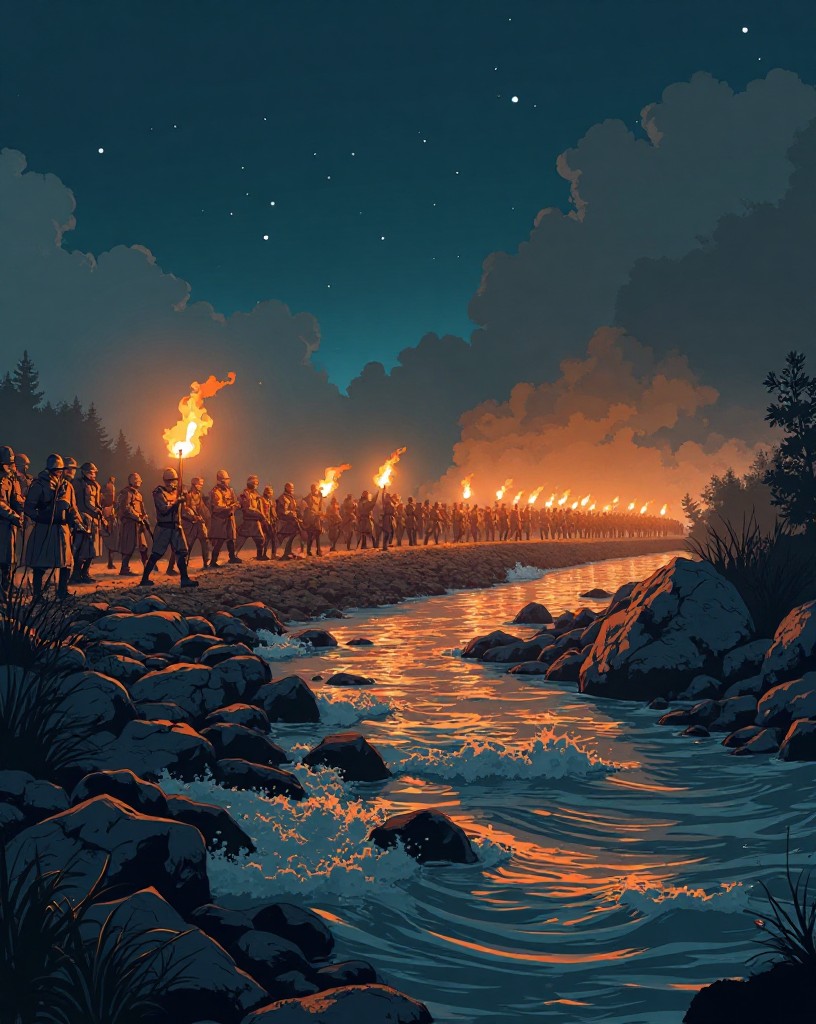
Overnight, fresh Union reinforcements arrive across the river. At dawn on the second day, Grant attacks.
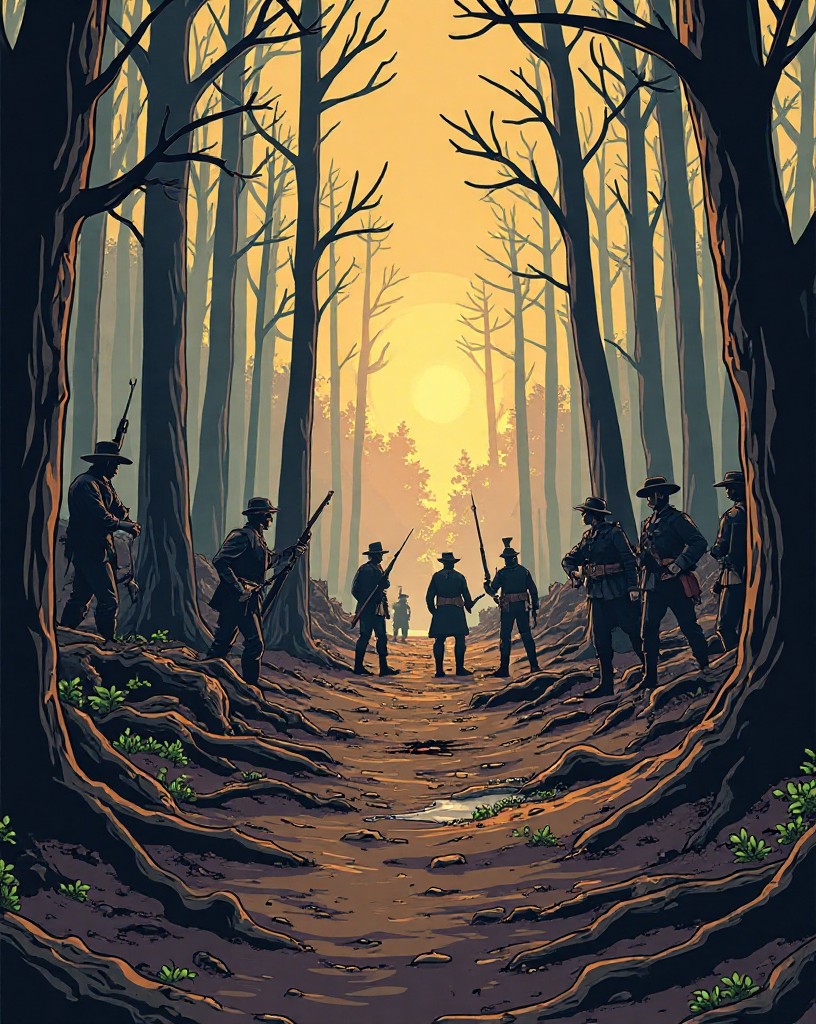
The exhausted Confederates, their commander dead, are slowly driven back over the same ground they had won, until they break off and retreat.
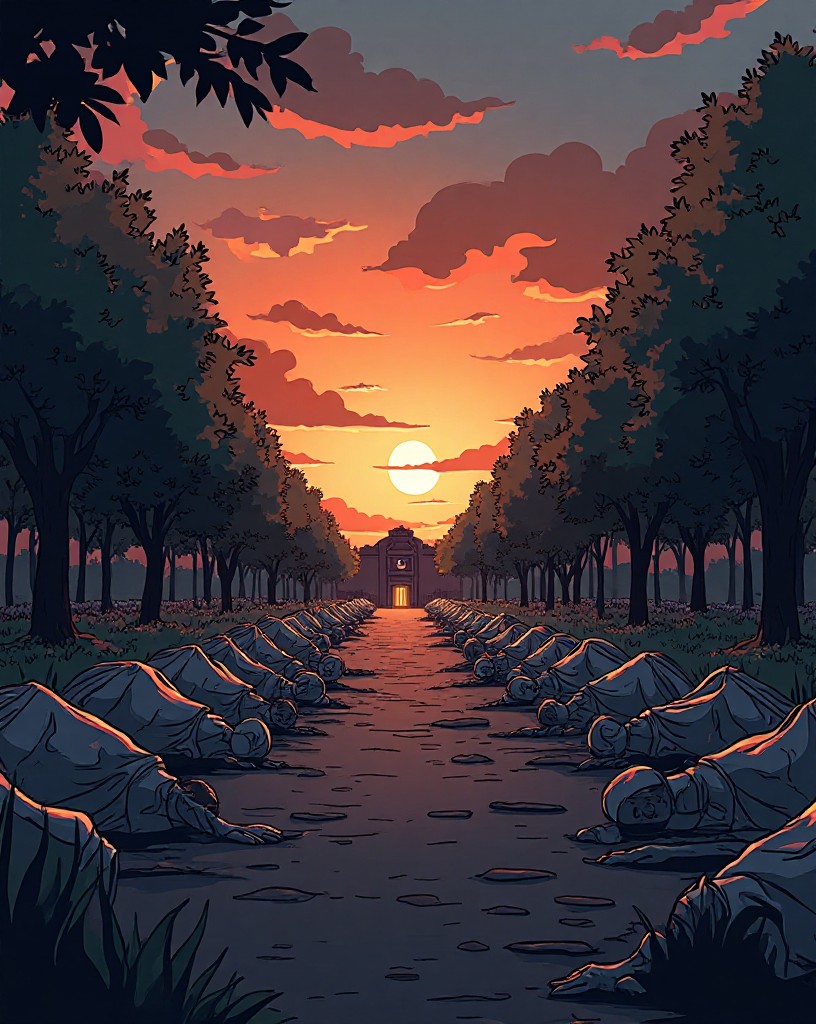
When the smoke cleared, the cost stunned the nation. In two days, more Americans were killed and wounded at Shiloh than in all the country's previous wars combined.
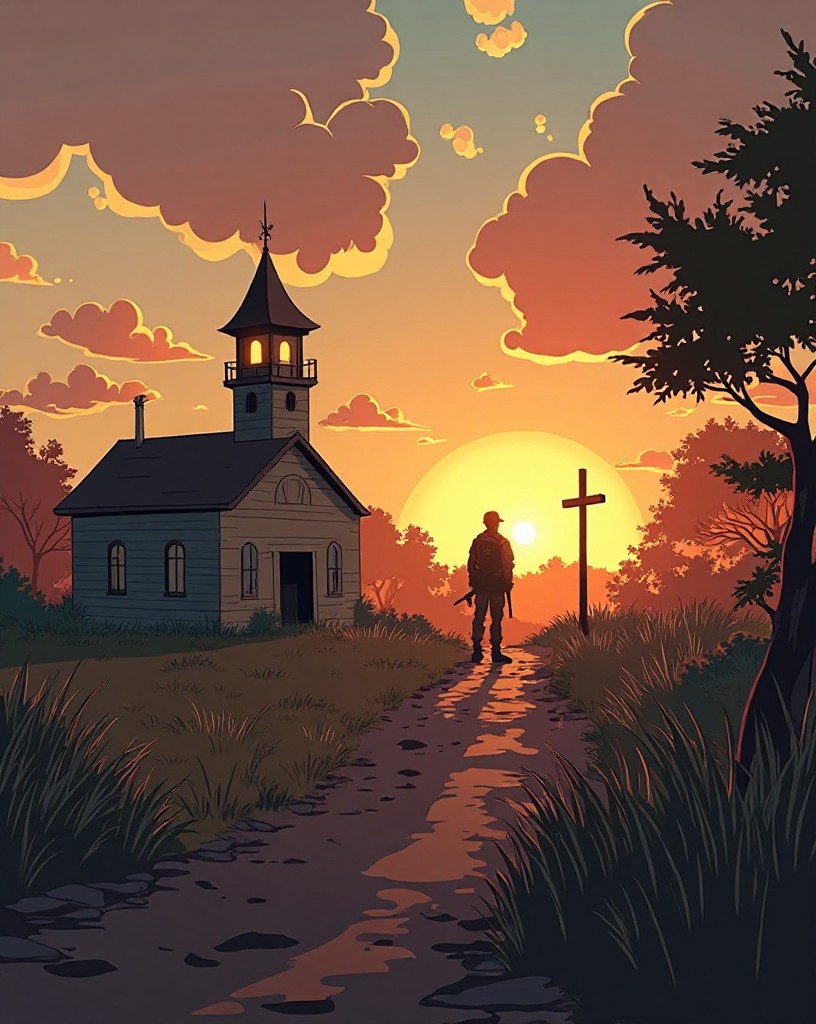
Shiloh ended the dream of a quick, gentlemanly war. Both sides now understood the truth: this would be a long, grinding, terrible struggle — and the rivers of the country would run red before it was done.
Sources
This story was adapted from the following. The illustrations are stylized depictions, not photographs of the events.
“Battle of Shiloh”, Wikipedia
Overview, the Hornet's Nest, Johnston's death, and casualties.
Shiloh, 1862, Winston Groom (2012)
Narrative history of the battle.
That’s the story.
More are in the studio. Head back to the collection to see what’s coming.