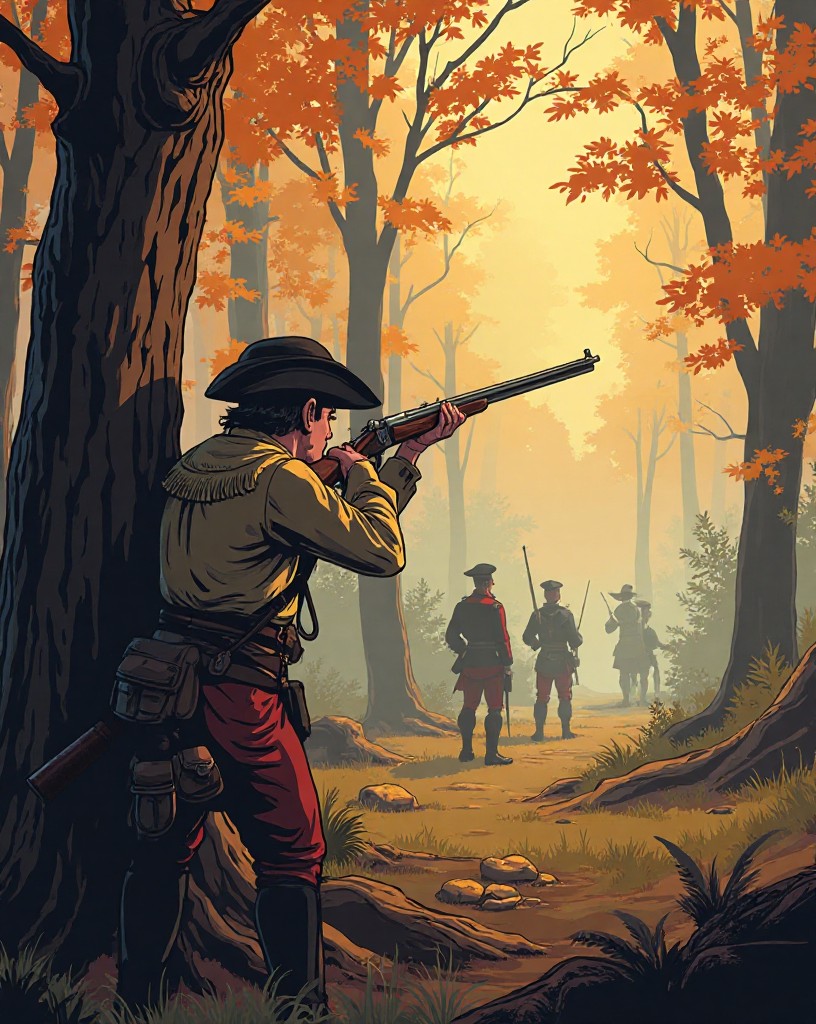
The Turning Point
A British army marched into the wilderness — and never marched out.
Saratoga · 1777
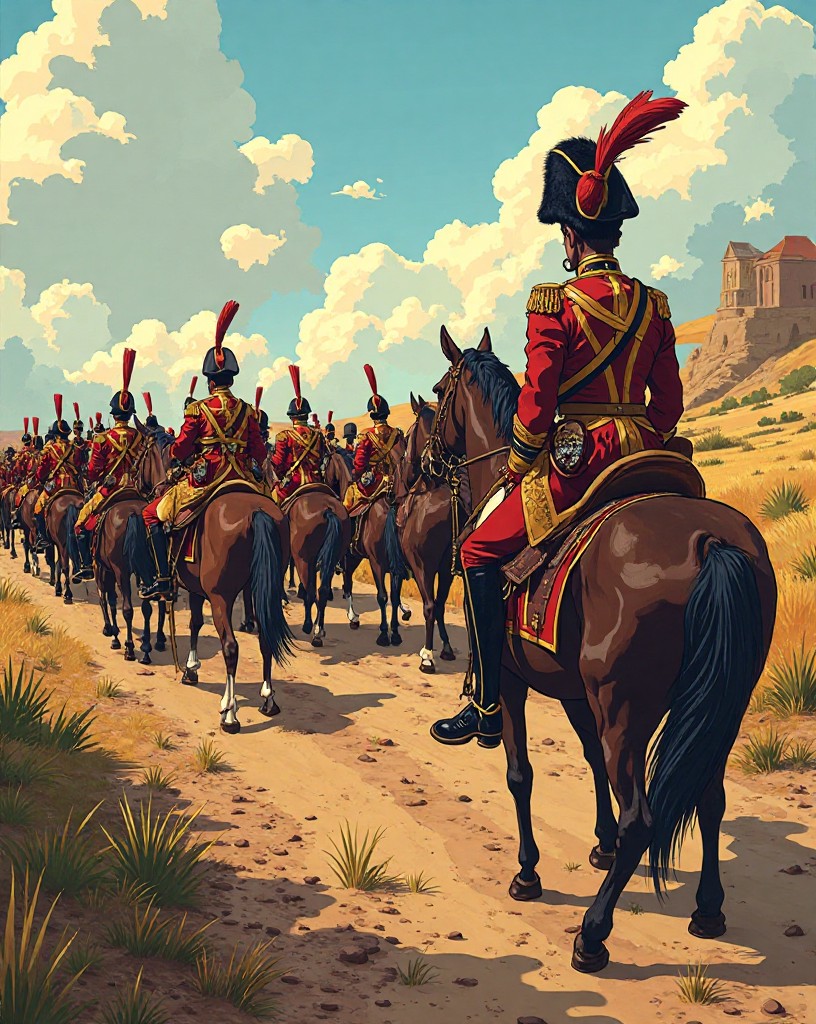
1777. Britain has a plan to crush the American rebellion: drive an army south from Canada down the Hudson valley, split rebellious New England from the rest, and end the war. Leading it is General John Burgoyne — confident, theatrical, nicknamed "Gentleman Johnny."
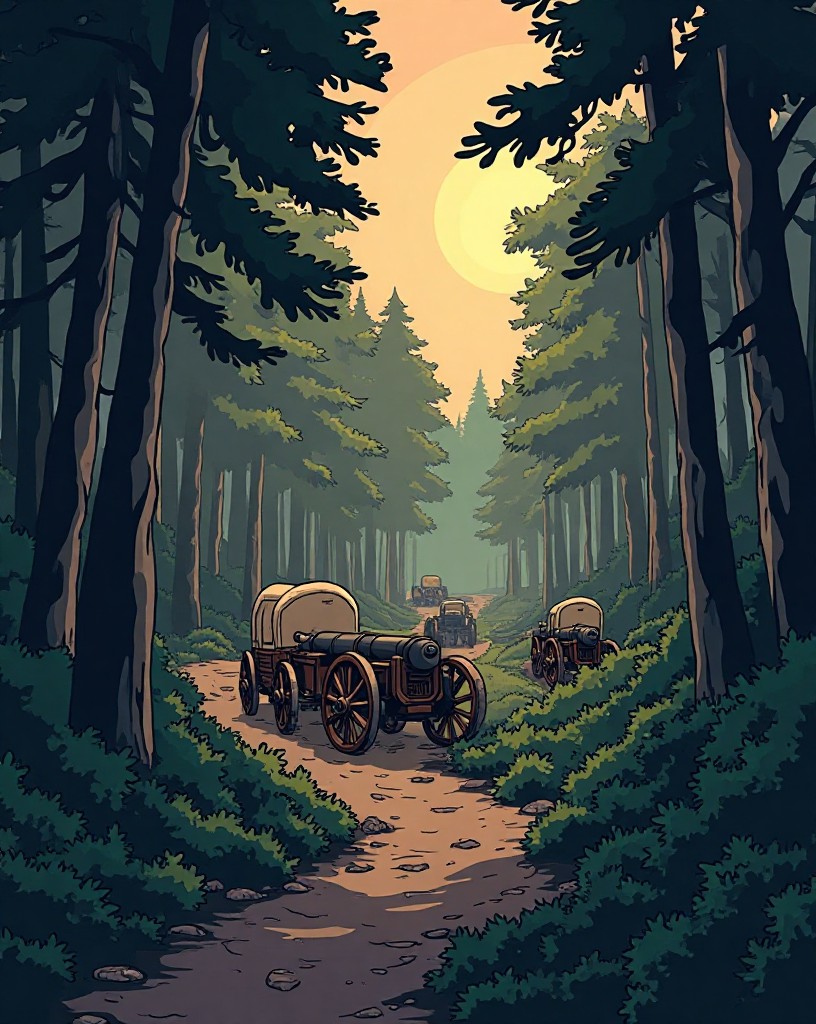
His army of redcoats, German mercenaries, and Native allies pushes south through dense forest, dragging a heavy baggage train and a long, fragile supply line behind it.
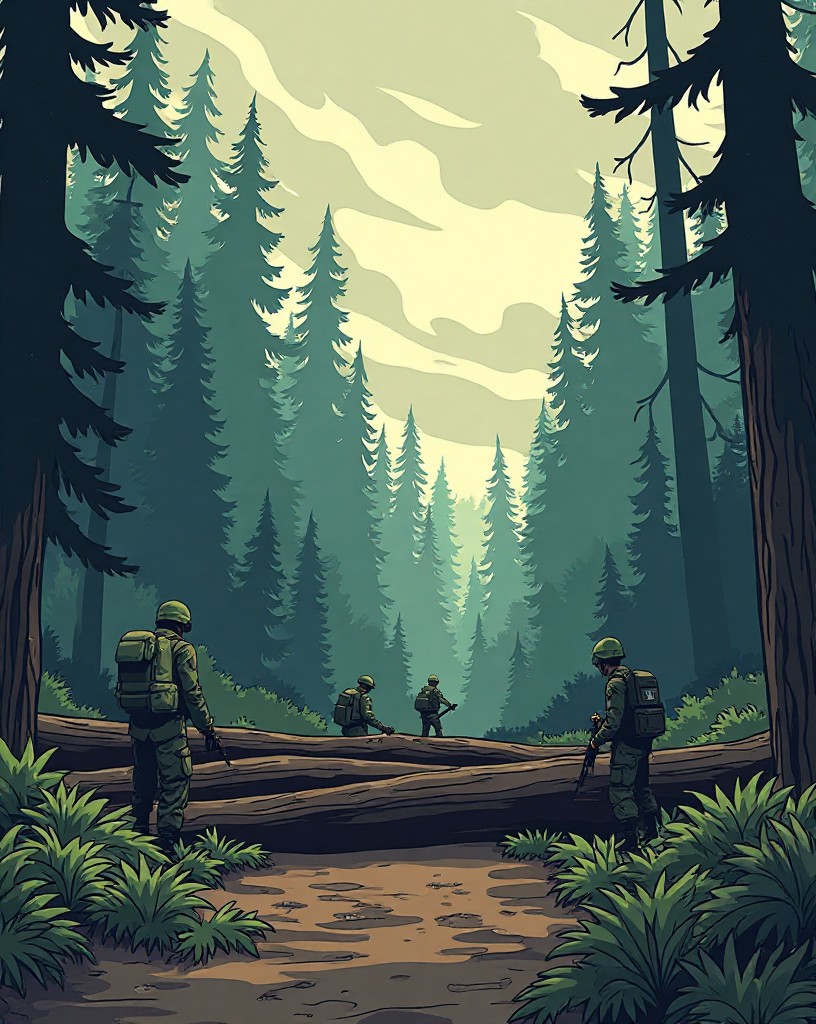
The wilderness fights back. Felled trees block the trails, the supply line stretches to breaking, and the support promised from other British armies never comes.
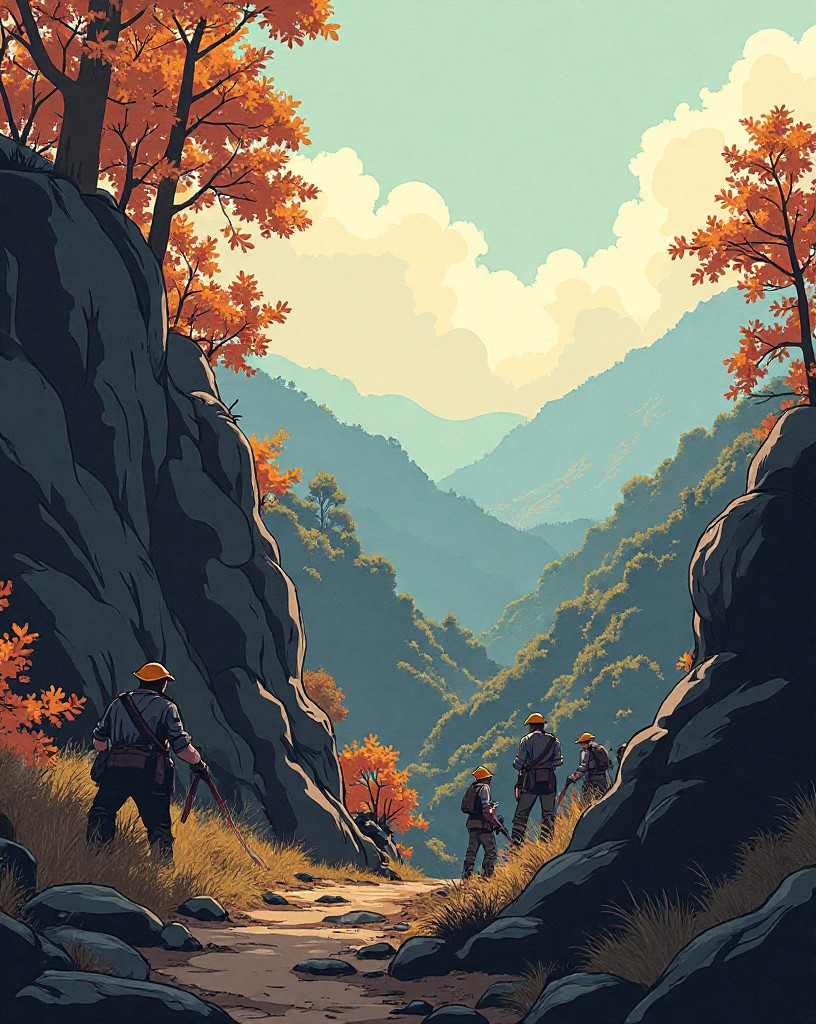
Blocking the road south, the Americans gather on the wooded bluffs above the Hudson at Bemis Heights, under General Horatio Gates.
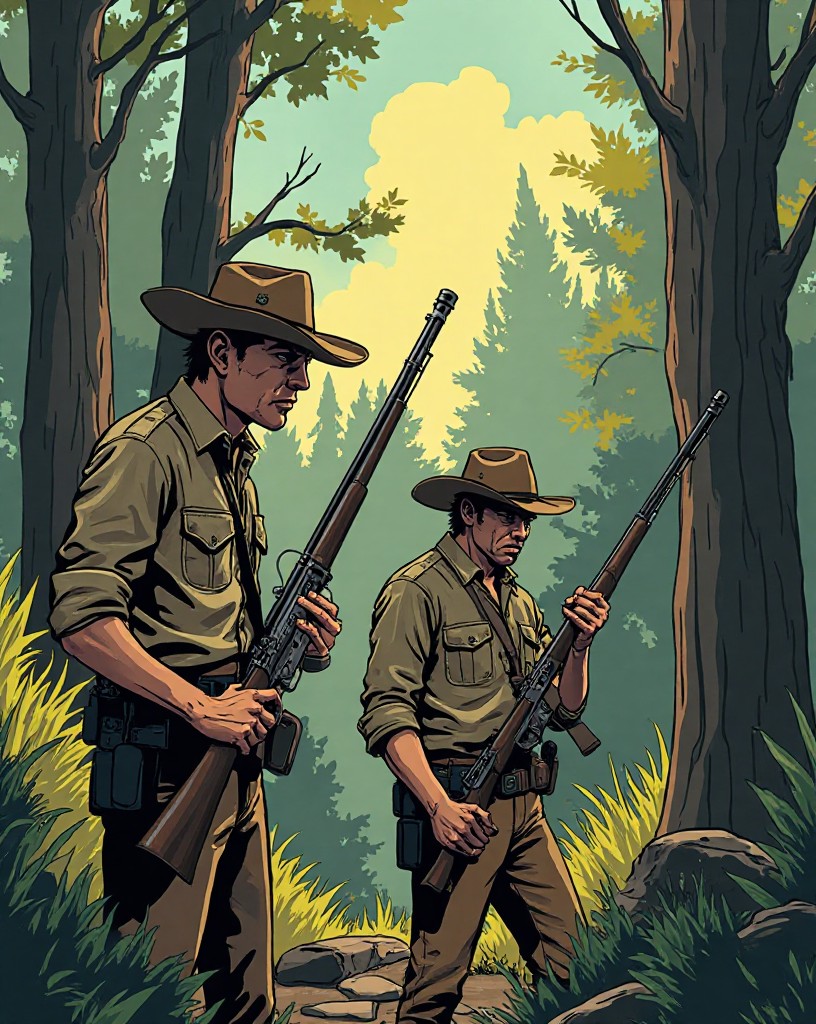
Among them are Daniel Morgan's riflemen — frontier marksmen who can hit a man at distances no smoothbore musket can reach.
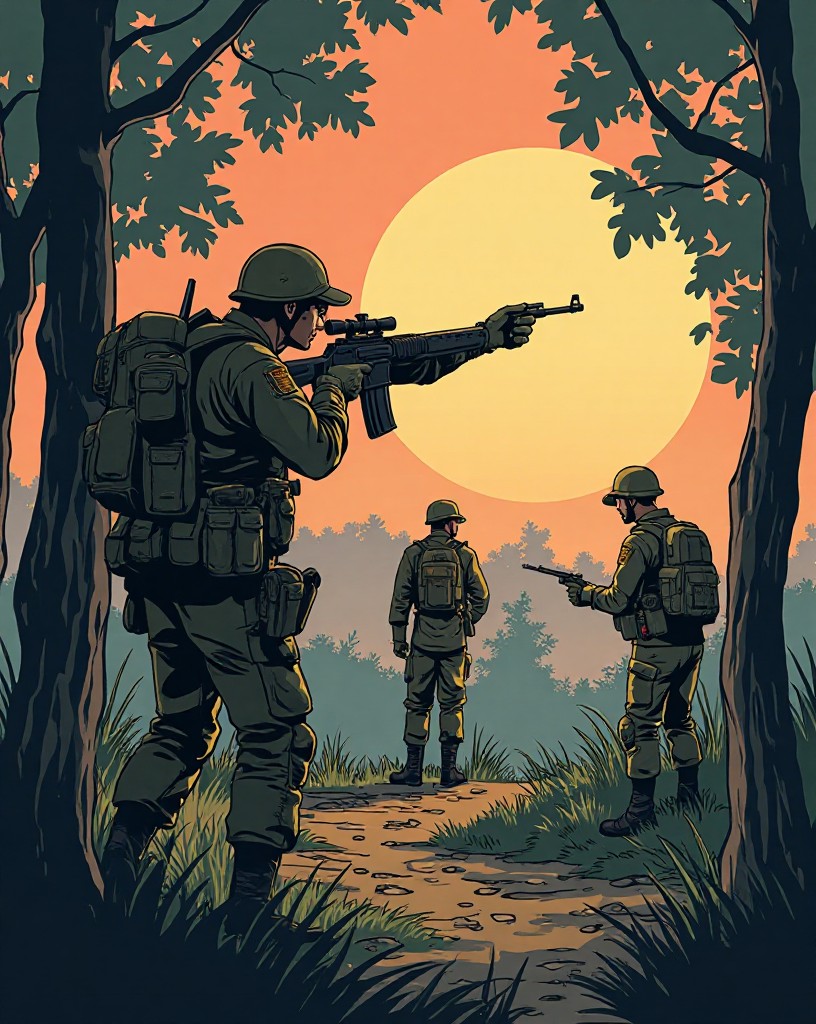
Daniel Morgan
“Aim for the officers and the gun crews. Cut off the head, and the body won't know where to go.”
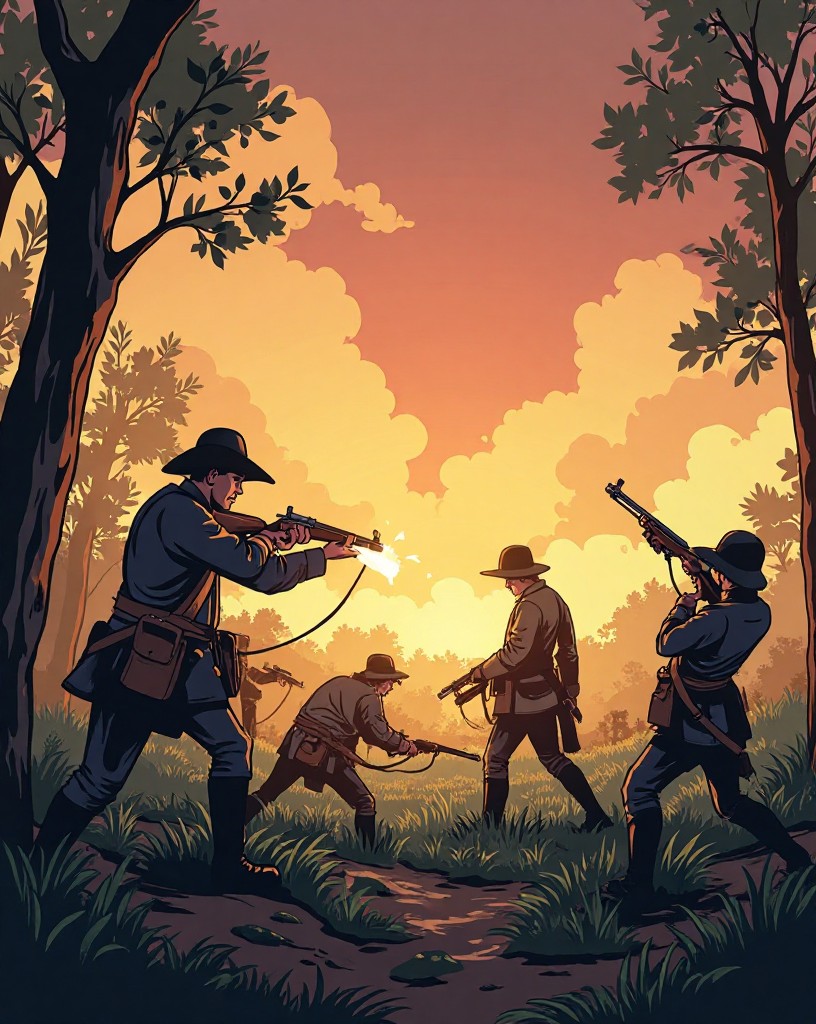
September. The armies collide at Freeman's Farm. Morgan's marksmen pick off British officers from the trees; the fighting is vicious and inconclusive, and every redcoat Burgoyne loses is one he cannot replace.
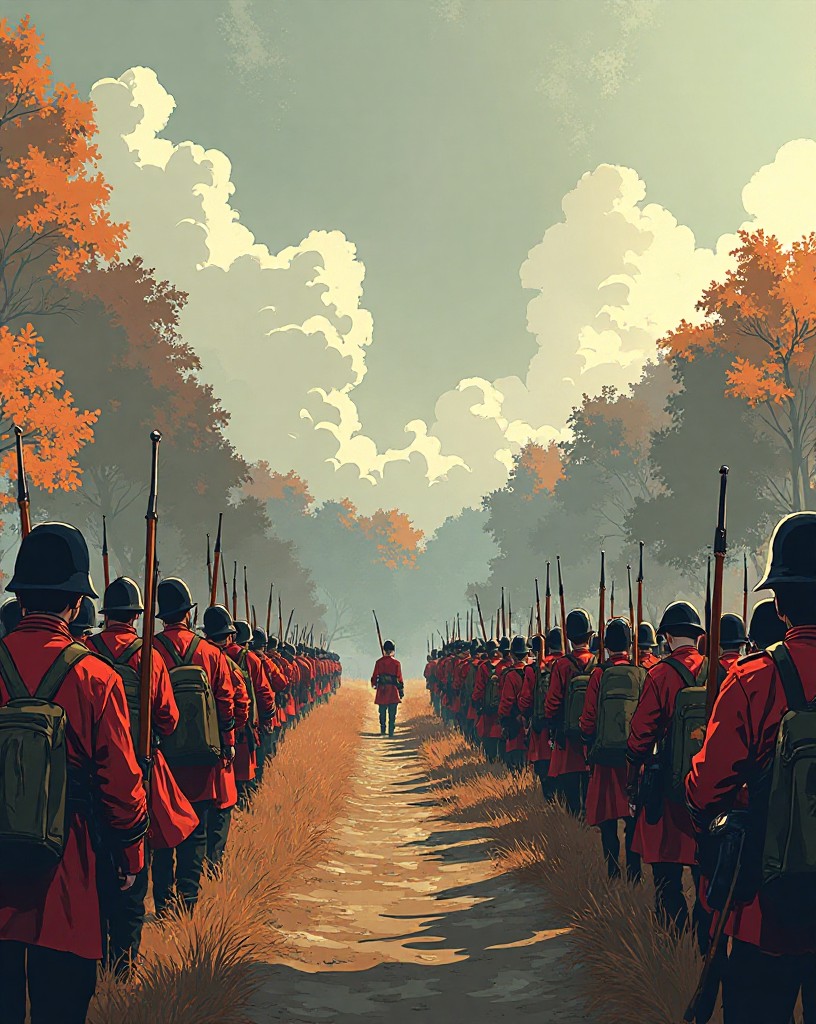
October 7th. Low on food and hope, Burgoyne probes the American line one more time at Bemis Heights.
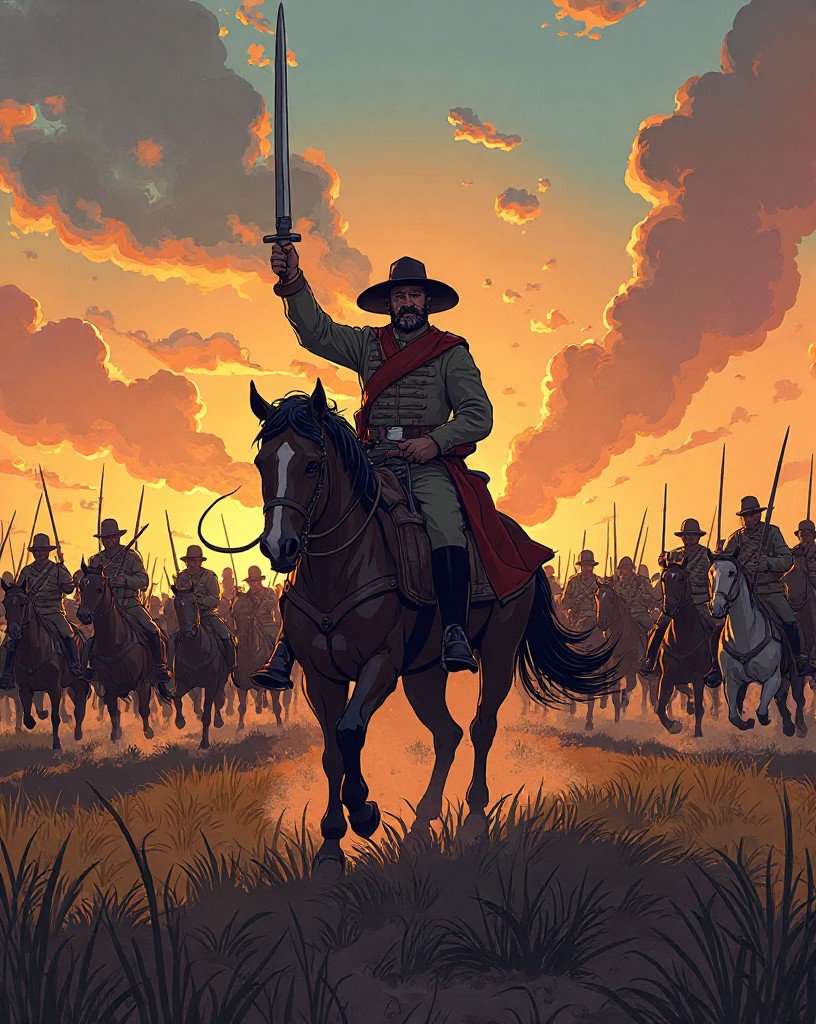
Then, against orders, the disgraced but brilliant General Benedict Arnold gallops onto the field and rallies the attack, leading charge after charge until the British line gives way.
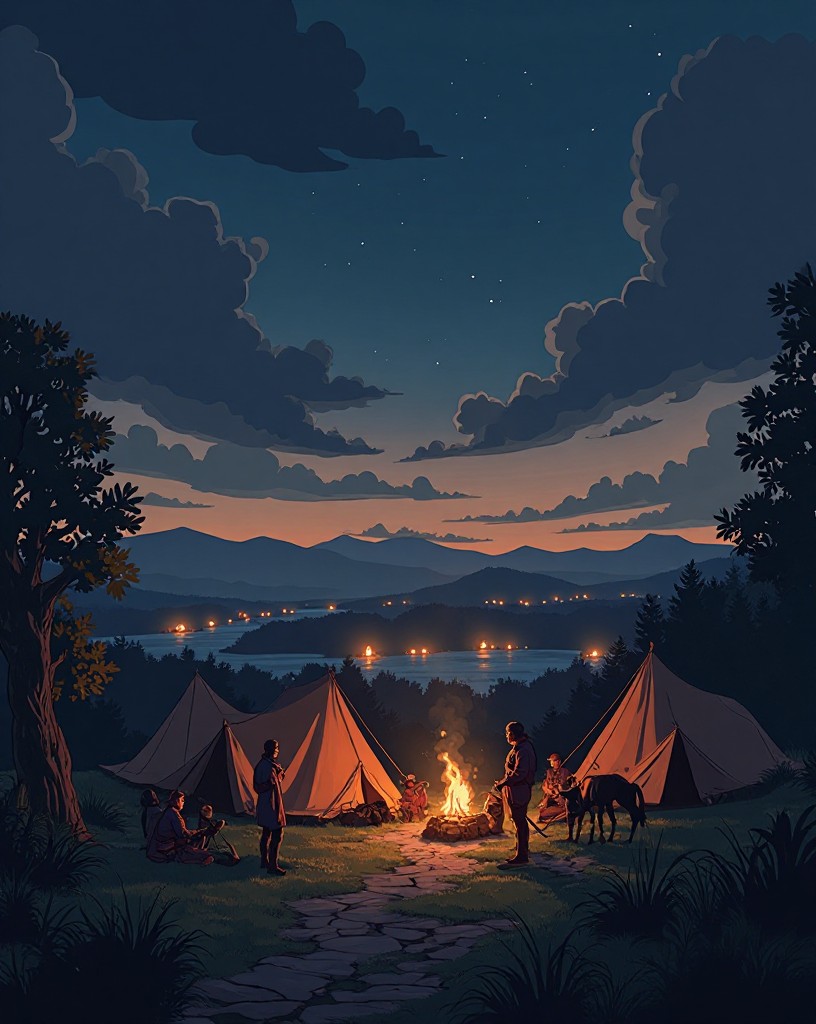
Burgoyne pulls back, but Morgan and the swelling militia have closed around him. He is surrounded, cut off, and out of options.
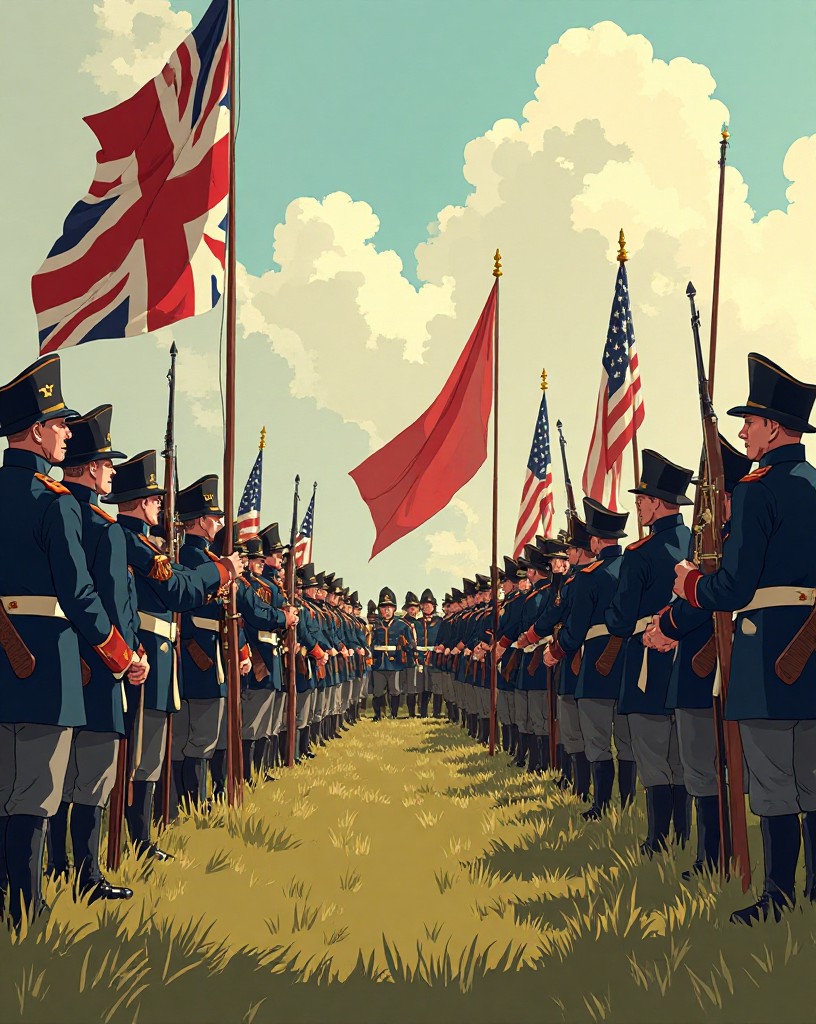
On October 17th, 1777, Burgoyne surrenders his entire army — a complete, almost unimaginable American victory.
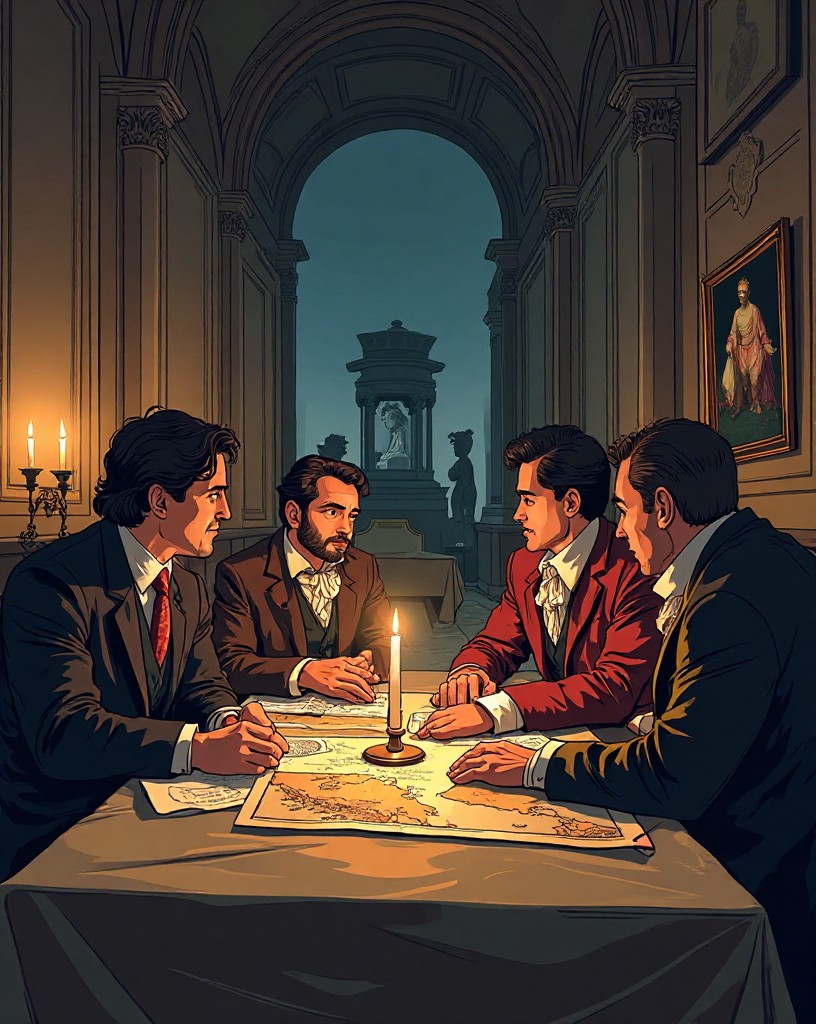
The news crosses the Atlantic and changes everything. France, now convinced the Americans can actually win, enters the war as their ally. Saratoga didn't just win a battle — it won the alliance that would win the Revolution.
Sources
This story was adapted from the following. The illustrations are stylized depictions, not photographs of the events.
“Battles of Saratoga”, Wikipedia
Overview, timeline, and the French alliance.
Saratoga: Turning Point of America's Revolutionary War, Richard M. Ketchum (1997)
Narrative history of the campaign.
That’s the story.
More are in the studio. Head back to the collection to see what’s coming.