Five Minutes at Midway
An ambush set by codebreakers, and five minutes that turned the Pacific.
Midway · June 1942
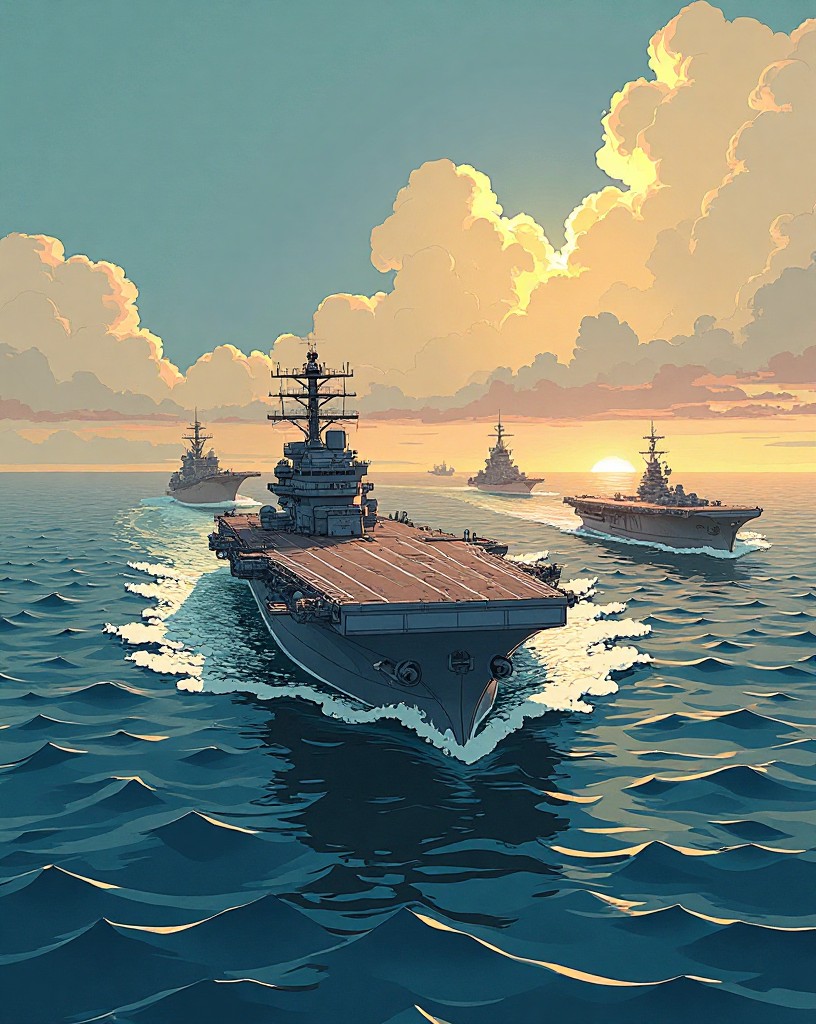
Spring 1942. Six months after Pearl Harbor, the Japanese navy rules the Pacific and has not lost a battle. Its next target is a tiny American outpost called Midway — the bait in a trap meant to destroy the last US carriers.
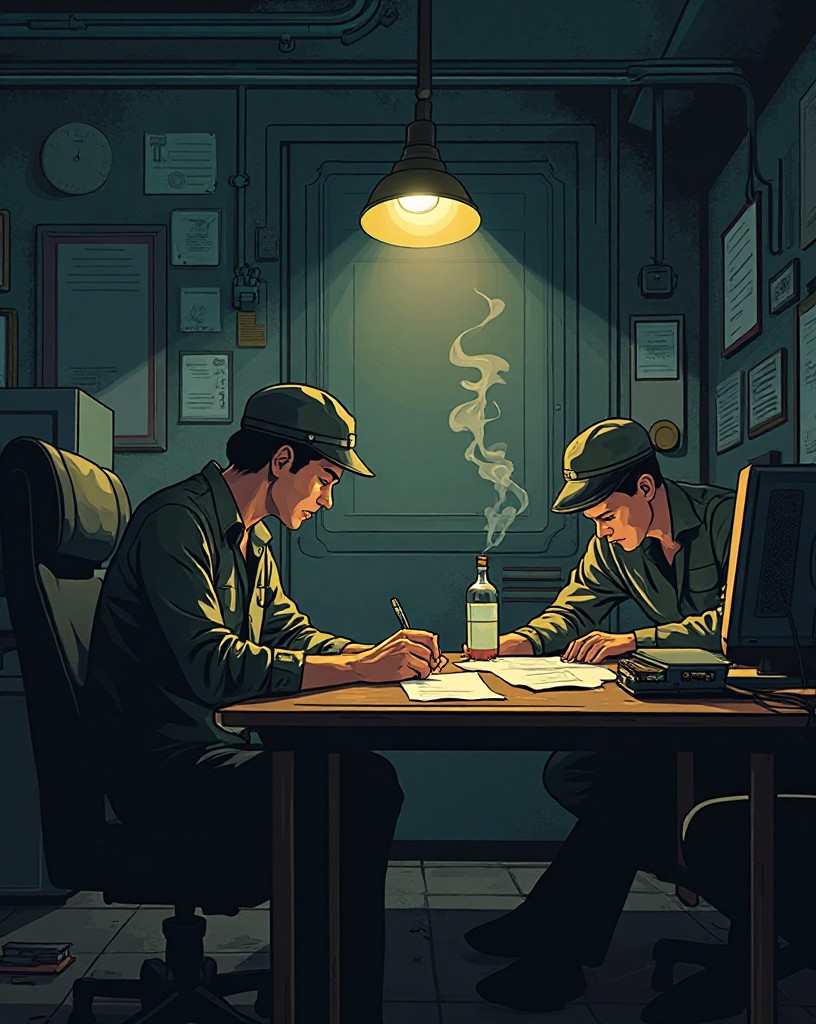
But the Americans have a secret weapon: a basement full of codebreakers in Hawaii who have been quietly reading pieces of the Japanese naval code.
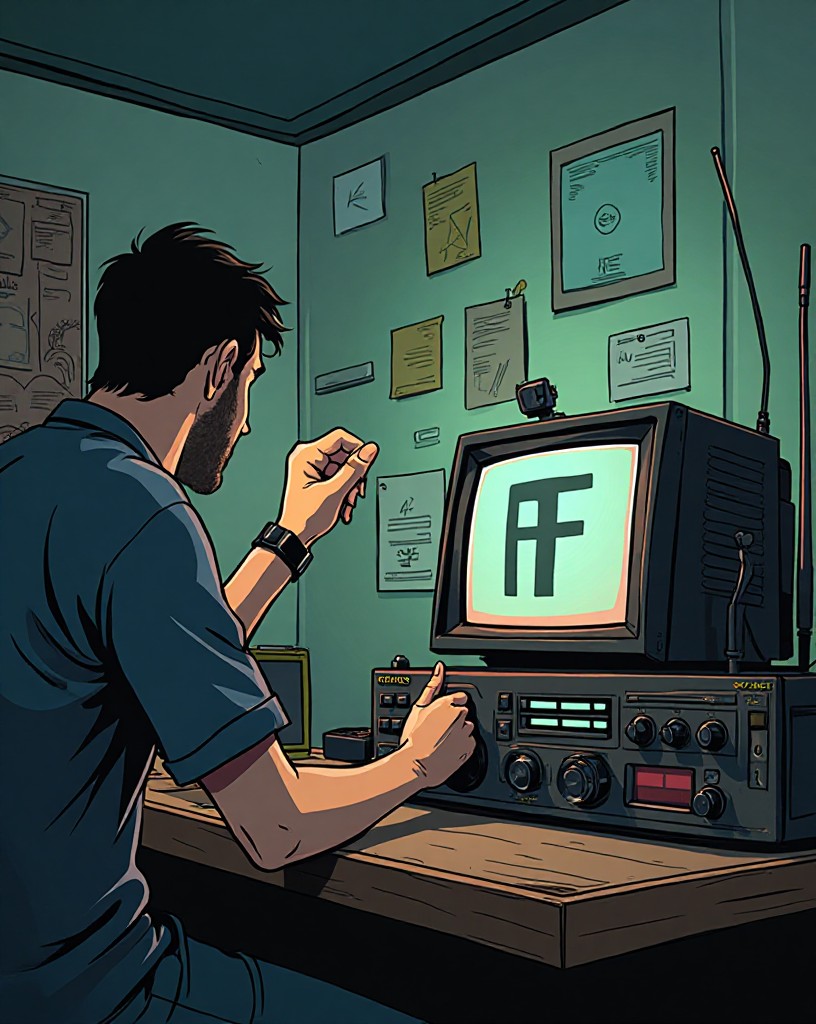
They suspect the target, code-named "AF," is Midway. To be sure, they have Midway radio a fake message about a broken water plant — and soon intercept a Japanese report that "AF is short of water."
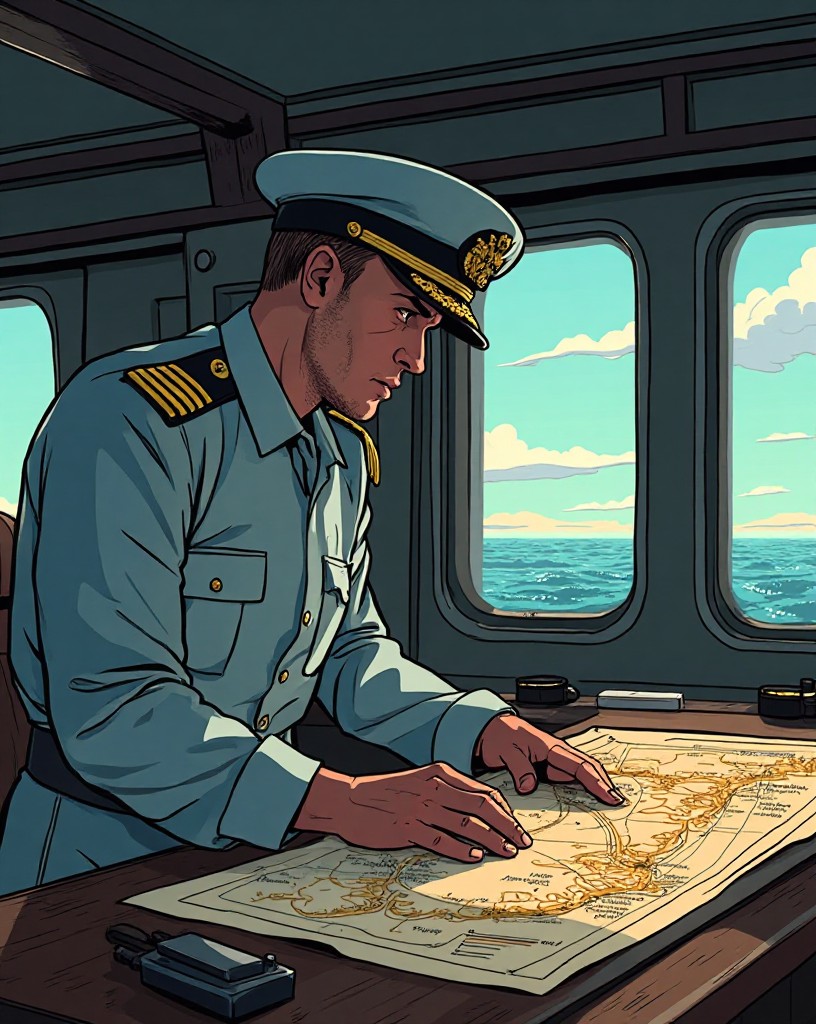
Adm. Nimitz
“Now we know where they're going, and when. We won't meet them head-on. We'll be waiting, off to the side, where they aren't looking.”
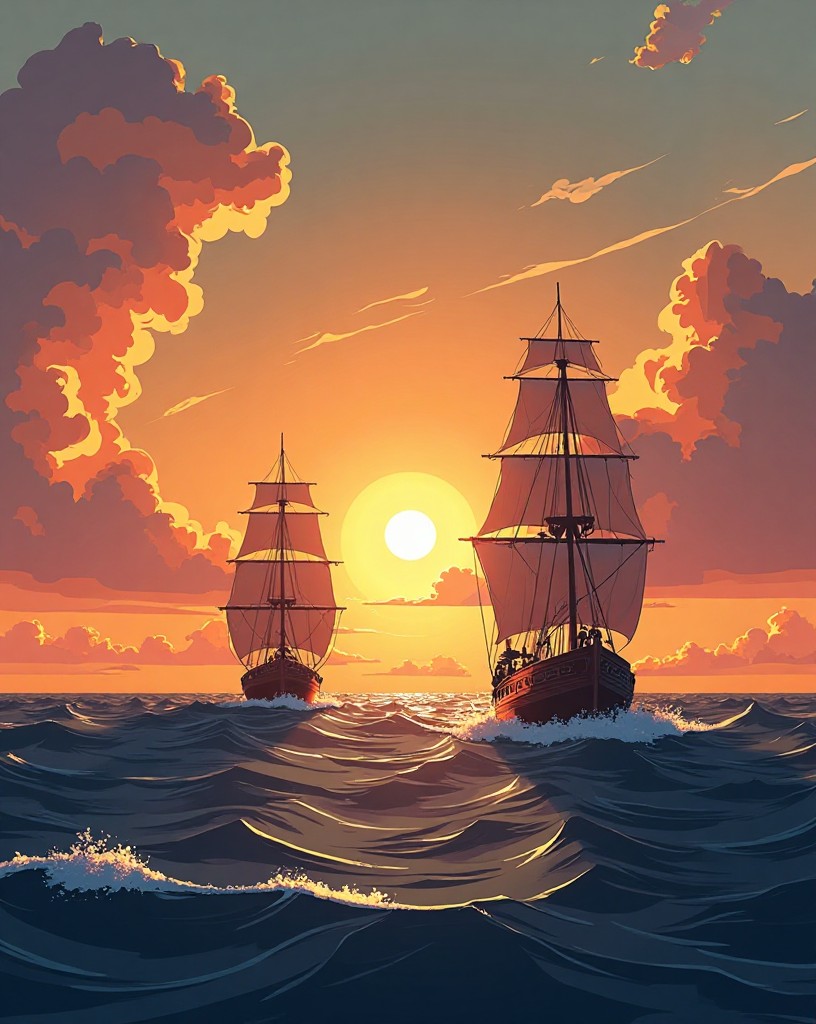
The Japanese strike force — four veteran carriers — sails toward Midway expecting surprise. Instead, three American carriers lie hidden in ambush to the northeast.
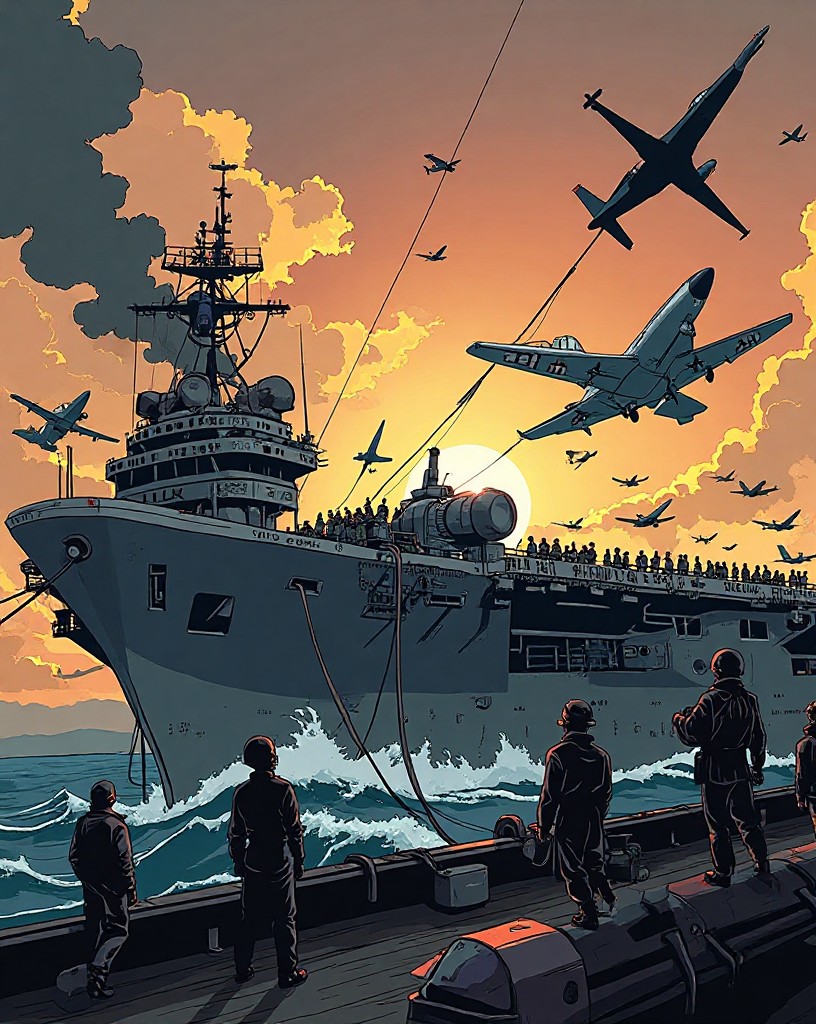
June 4th. Japanese planes batter Midway, then return to rearm. As they do, the Japanese admiral wavers between two kinds of attack — and his flight decks fill with fueled planes, bombs, and torpedoes.
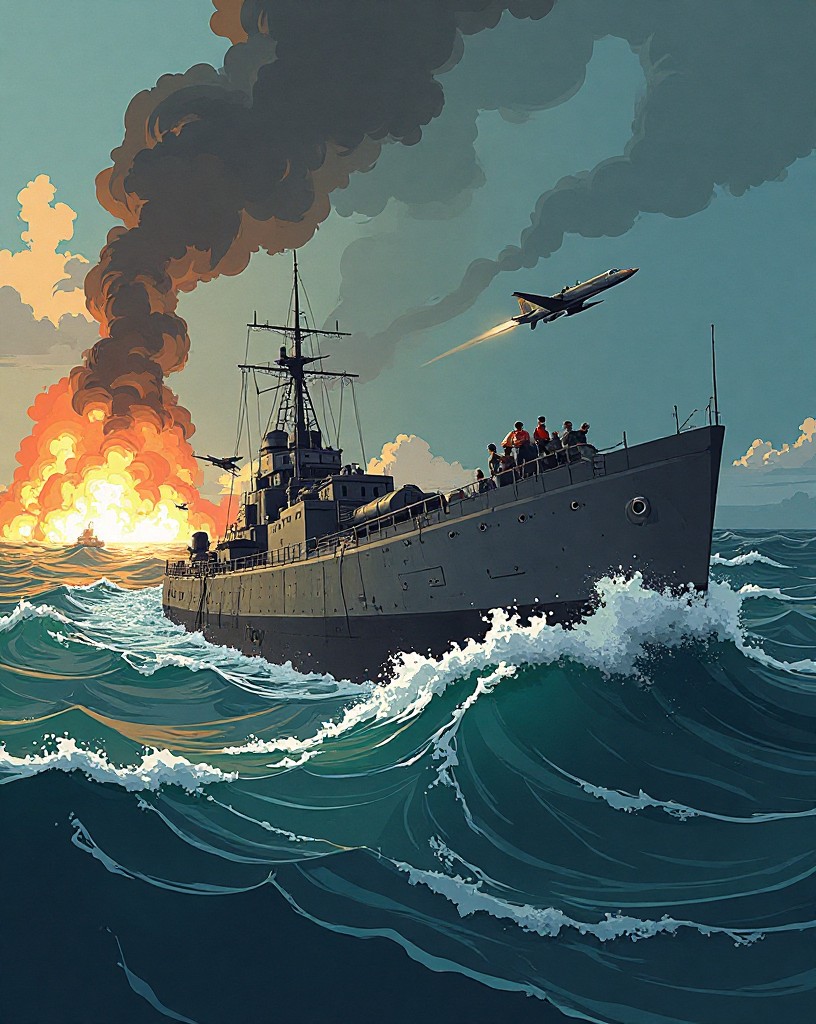
The first American attackers — slow torpedo bombers — come in low. They are massacred, almost none surviving. But they drag the Japanese fighters down to the waves to chase them.
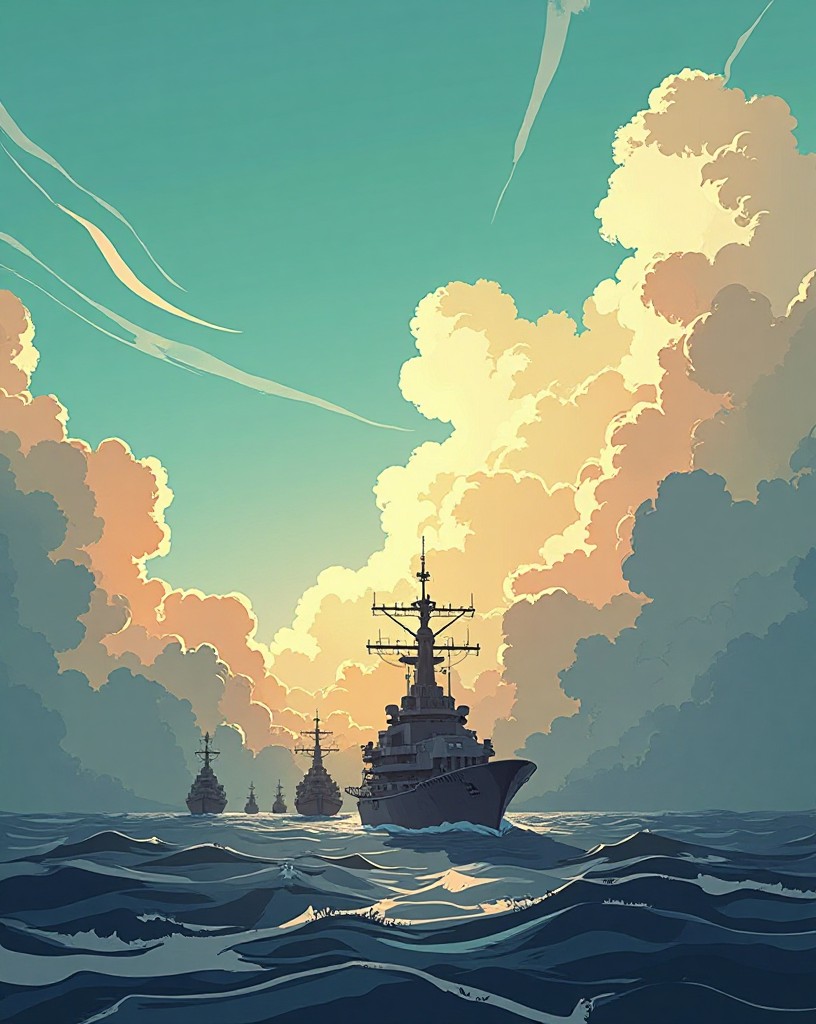
And that leaves the sky above wide open.
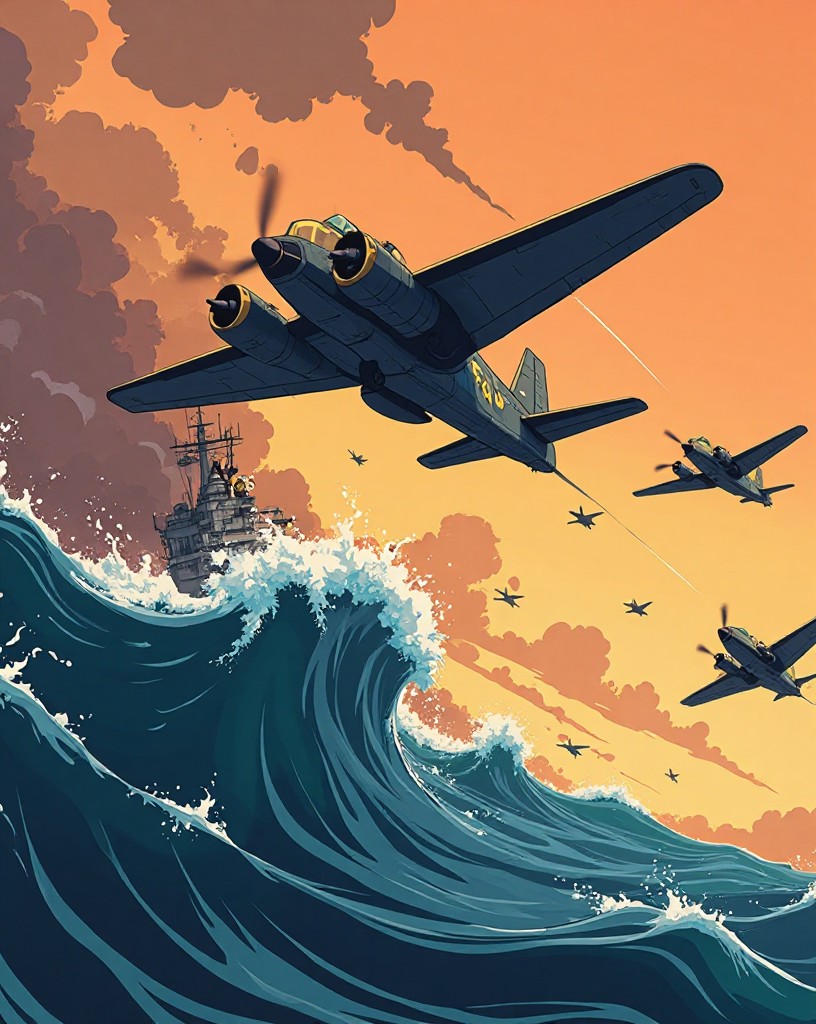
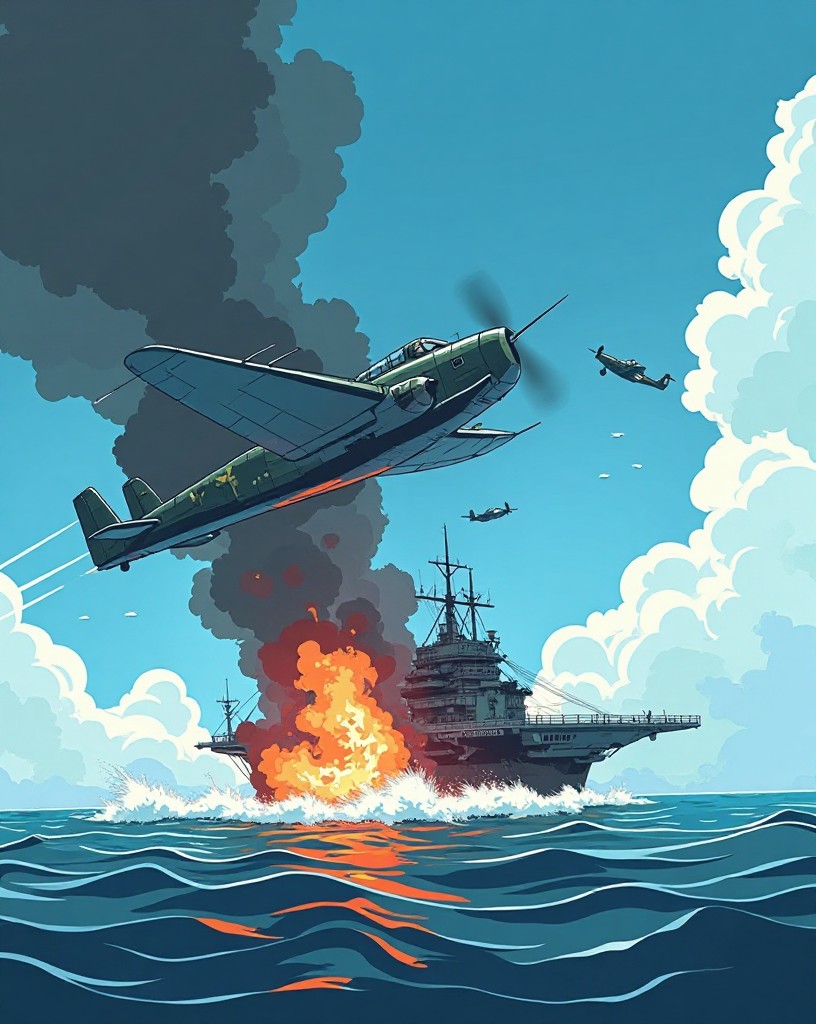
Out of the high sun fall the American dive bombers — unopposed — straight down onto the crowded, ready-to-burn carrier decks.
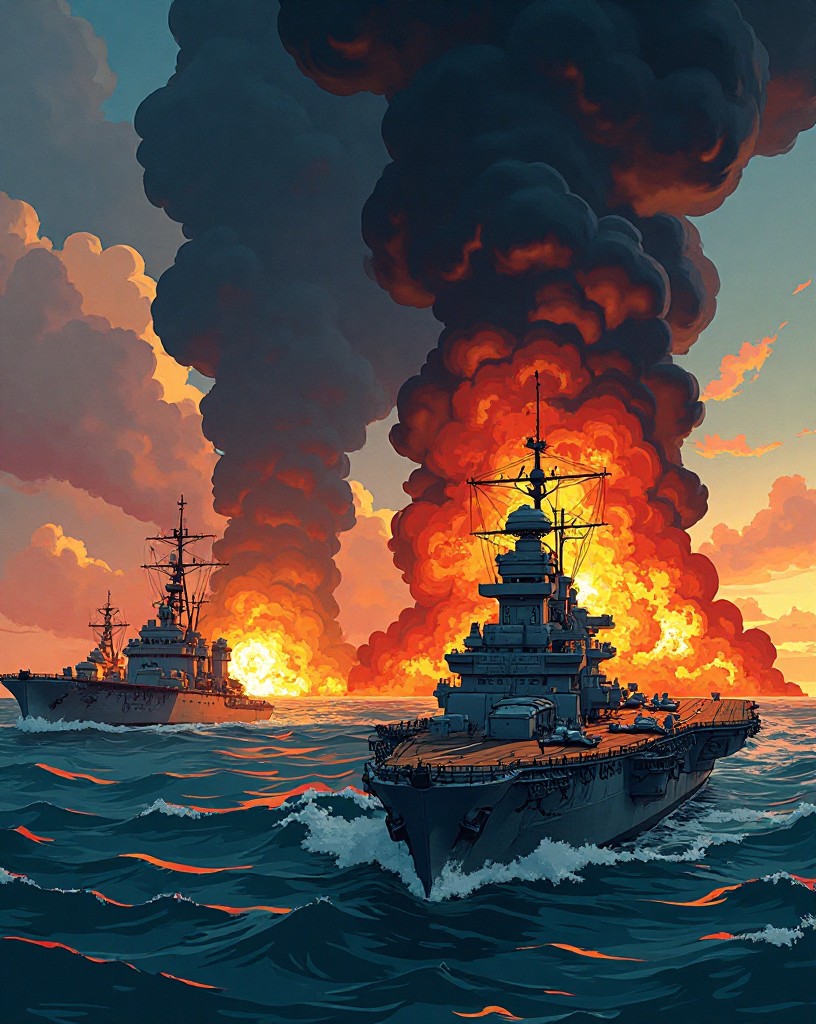
In about five minutes, three Japanese carriers become infernos. A fourth is hunted down and sunk by nightfall.
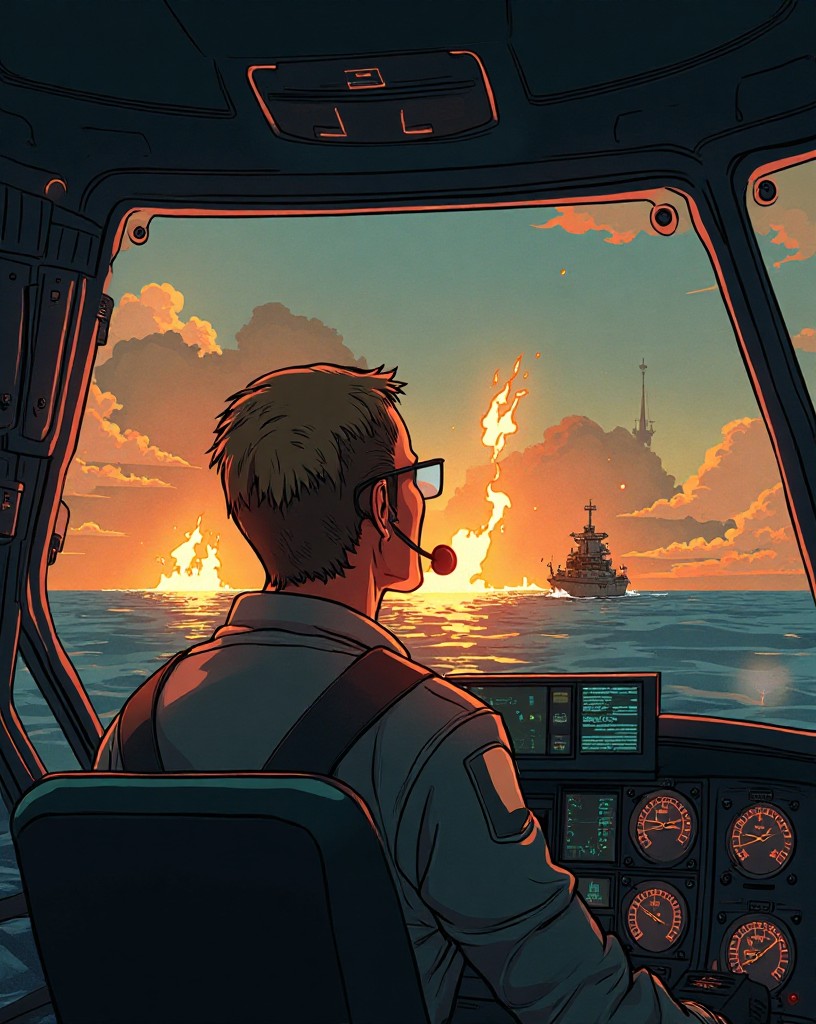
An American pilot
“The whole ocean was on fire. We'd changed the war in about the time it takes to boil an egg.”
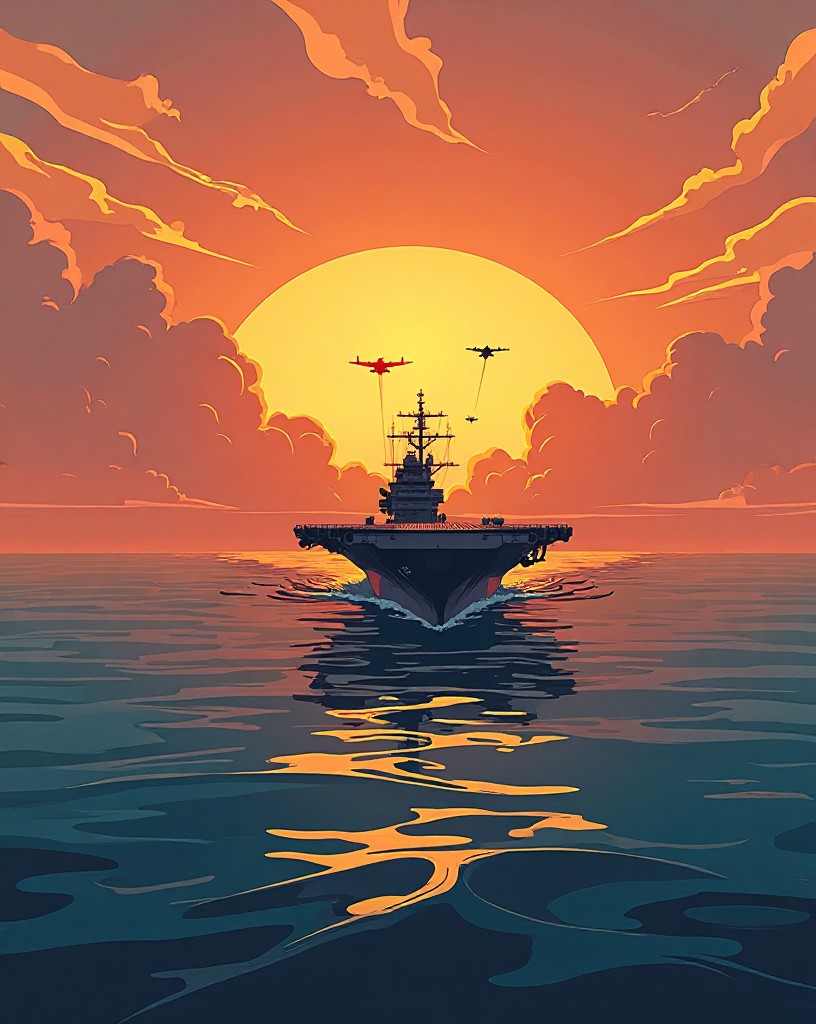
Midway broke the back of the Japanese carrier fleet and shattered its aura of invincibility. From that day, the tide in the Pacific began, slowly and bloodily, to turn the other way.
Sources
This story was adapted from the following. The illustrations are stylized depictions, not photographs of the events.
Incredible Victory, Walter Lord (1967)
Classic narrative of the battle.
Shattered Sword: The Untold Story of the Battle of Midway, Jonathan Parshall & Anthony Tully (2005)
Detailed analysis from Japanese sources; corrects several myths.
That’s the story.
More are in the studio. Head back to the collection to see what’s coming.