Marathon
The charge that saved Athens and gave the world a word.
Marathon · 490 BC
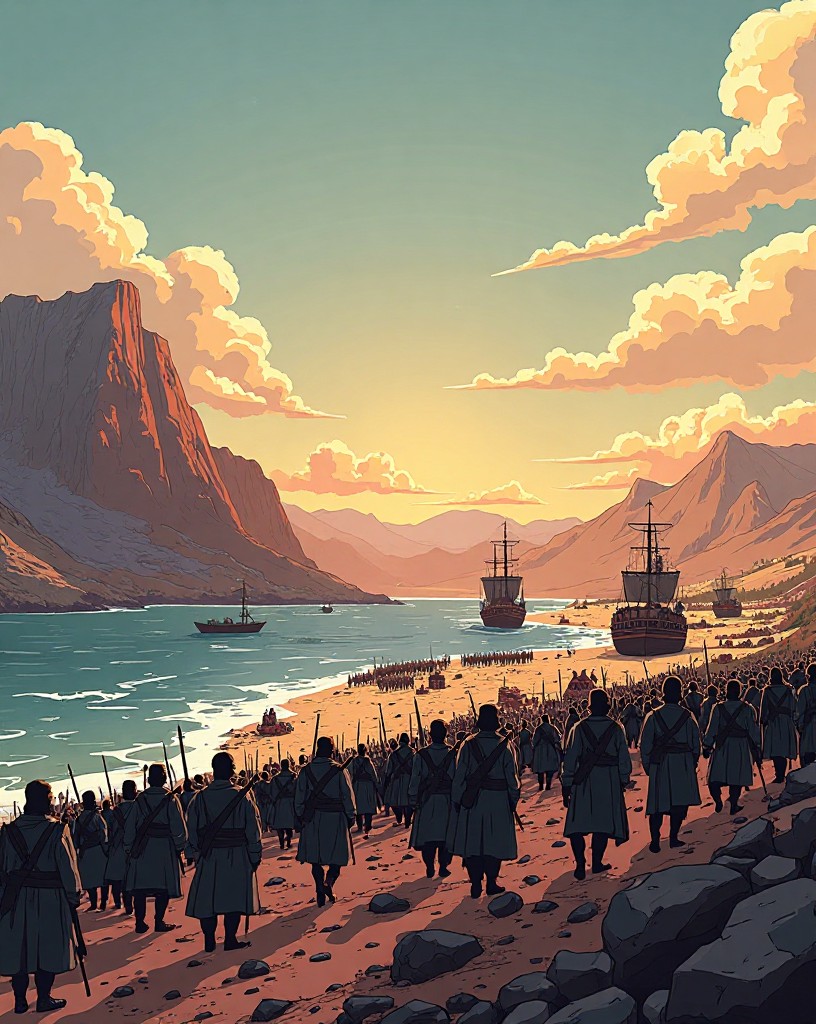
490 BC. The Persian Empire, the mightiest power on earth, sends a fleet and army across the sea to punish the small, upstart city of Athens for defying it. The Persians land on a plain north of the city, near a place called Marathon.
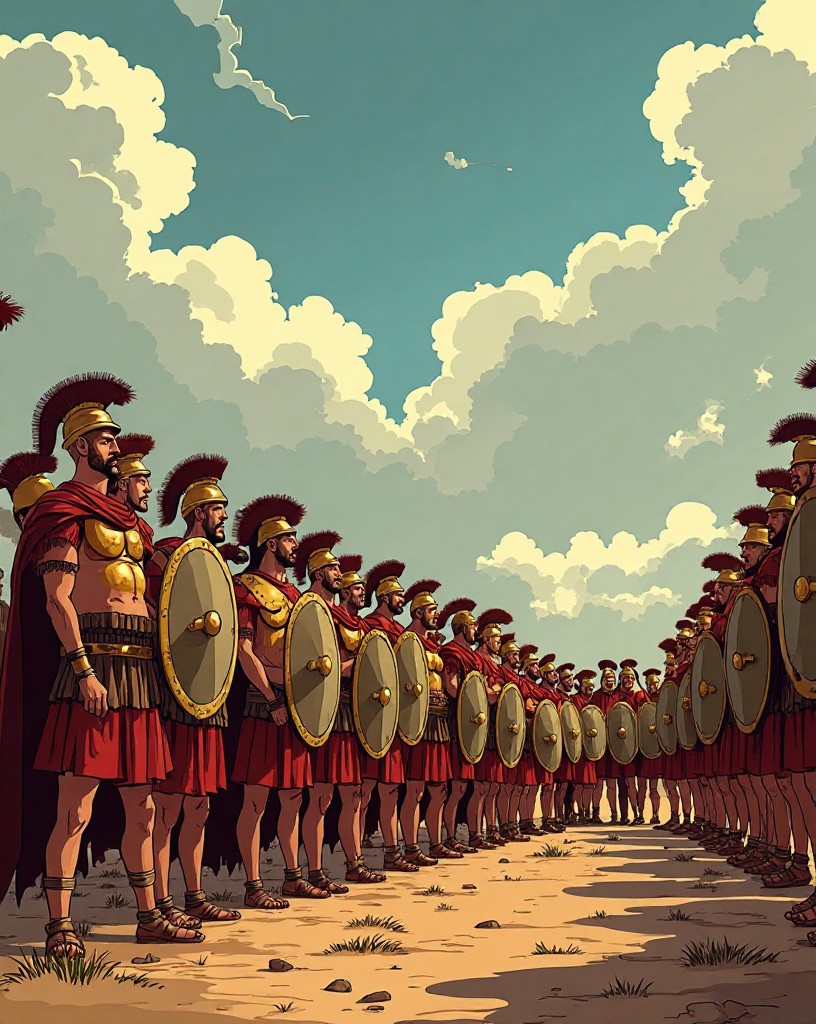
Athens stands almost alone. It can field perhaps ten thousand citizen-soldiers — farmers and tradesmen in bronze armor — against a far larger Persian host.
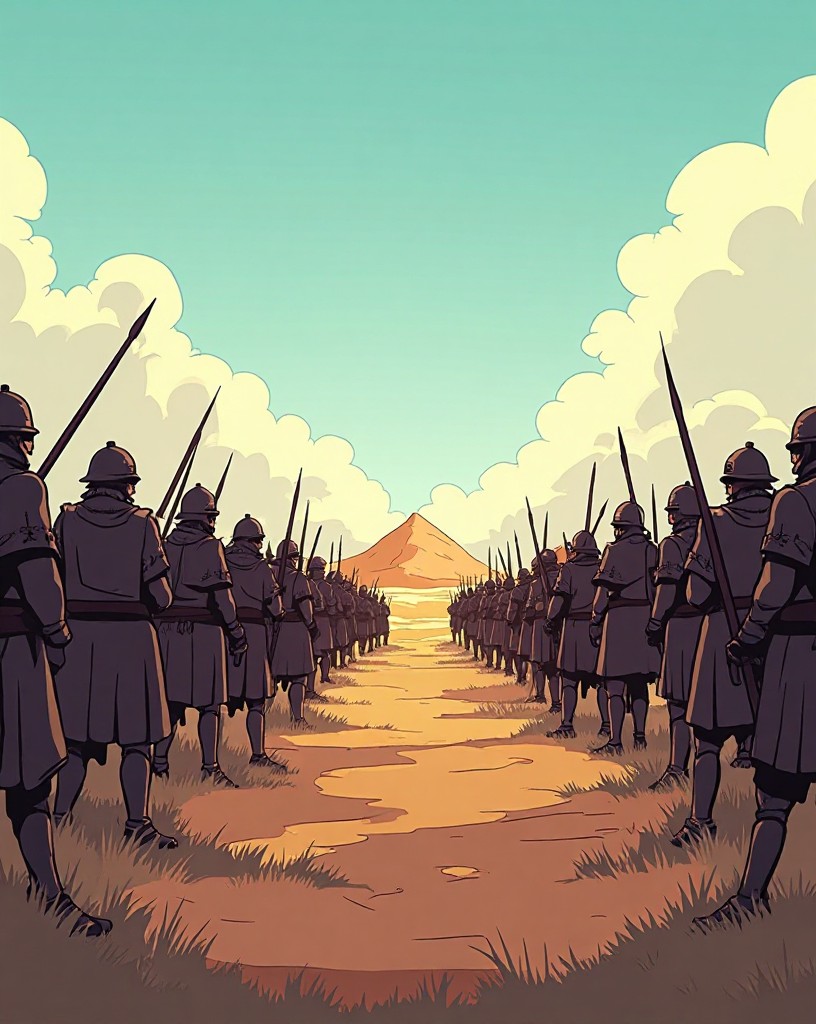
The Athenian hoplites march out and take the high ground at the edge of the plain. For days the two armies watch each other, neither willing to attack first.
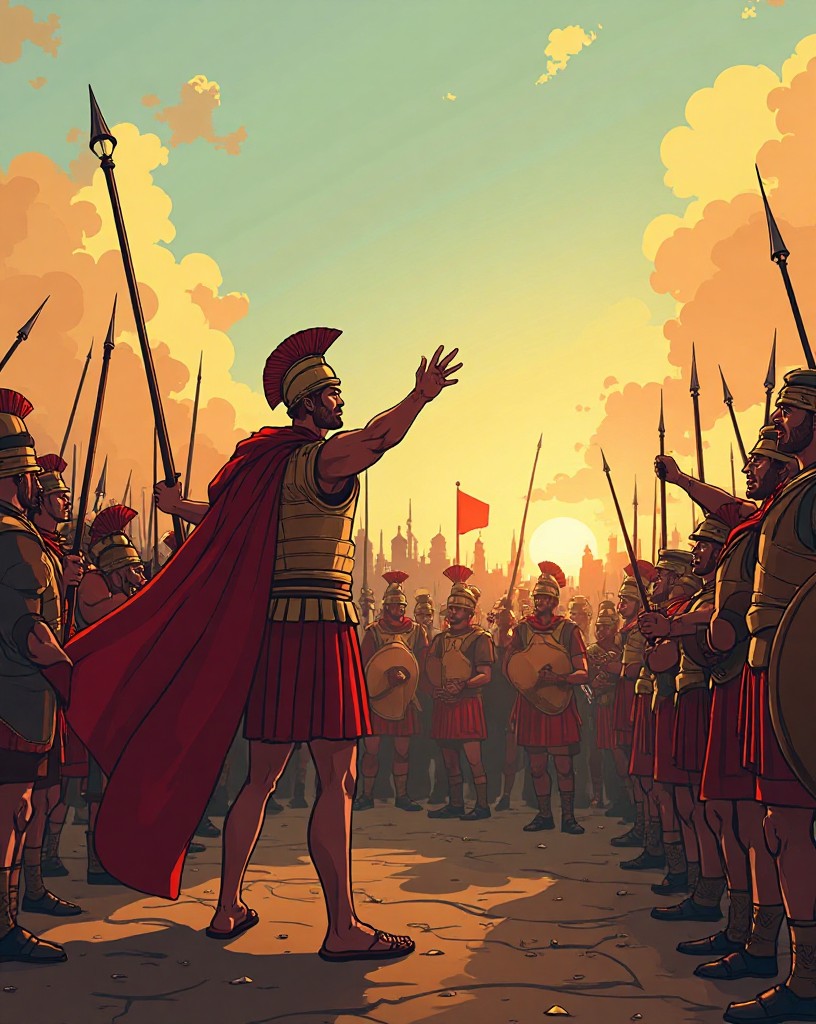
The Athenian general Miltiades sees his moment and makes a daring choice: to attack the larger army head-on — and to do it at a run.
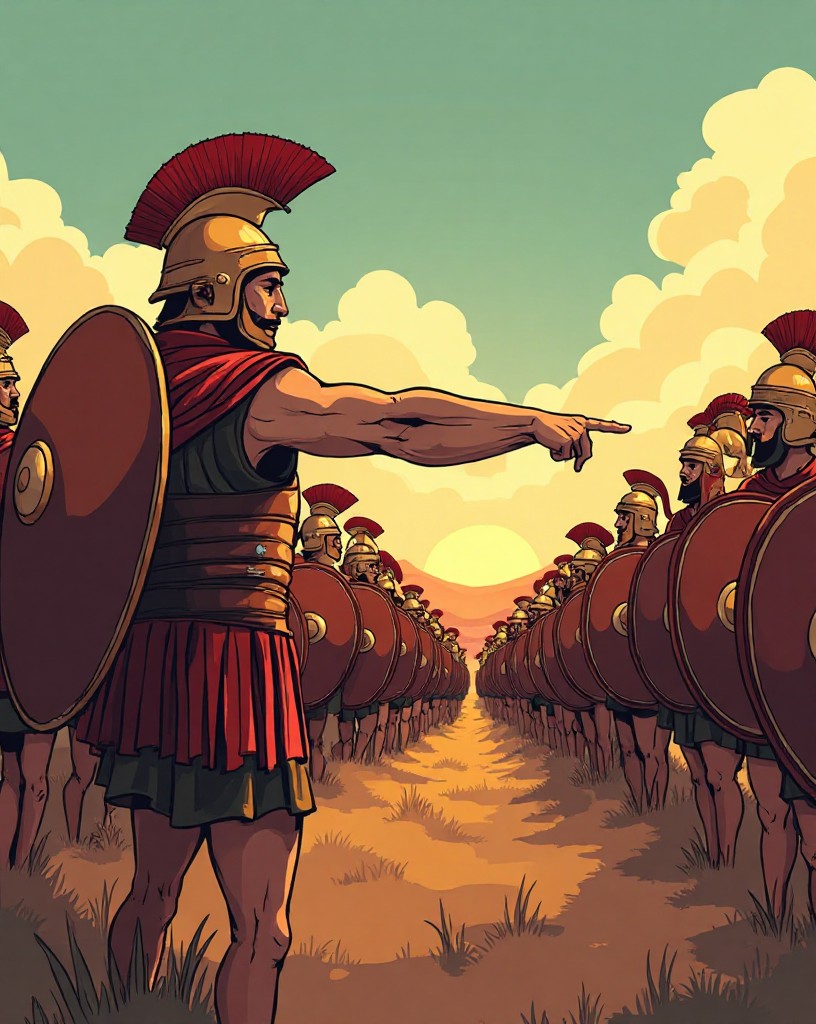
Miltiades
“We strip our center thin and load the wings. We close the distance fast — before their archers can break us. At the double!”
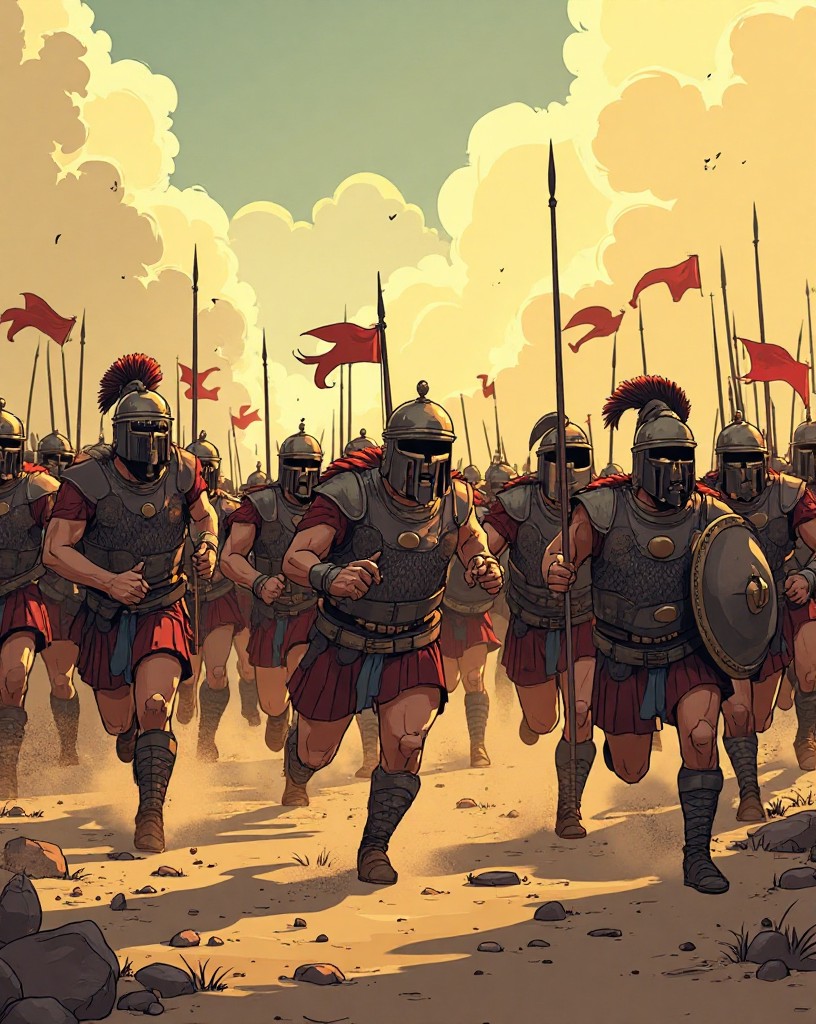
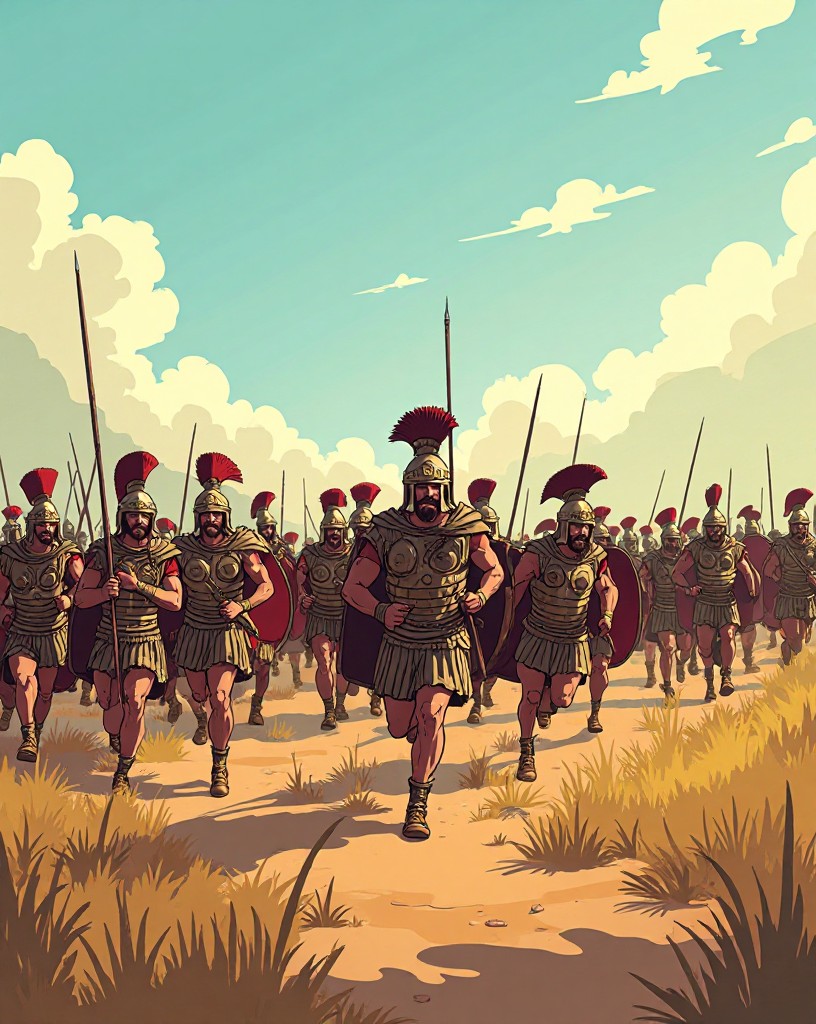
The Greeks advance across the plain, then charge — running the last stretch in full armor straight into the Persian line, something no Greek army has dared before.
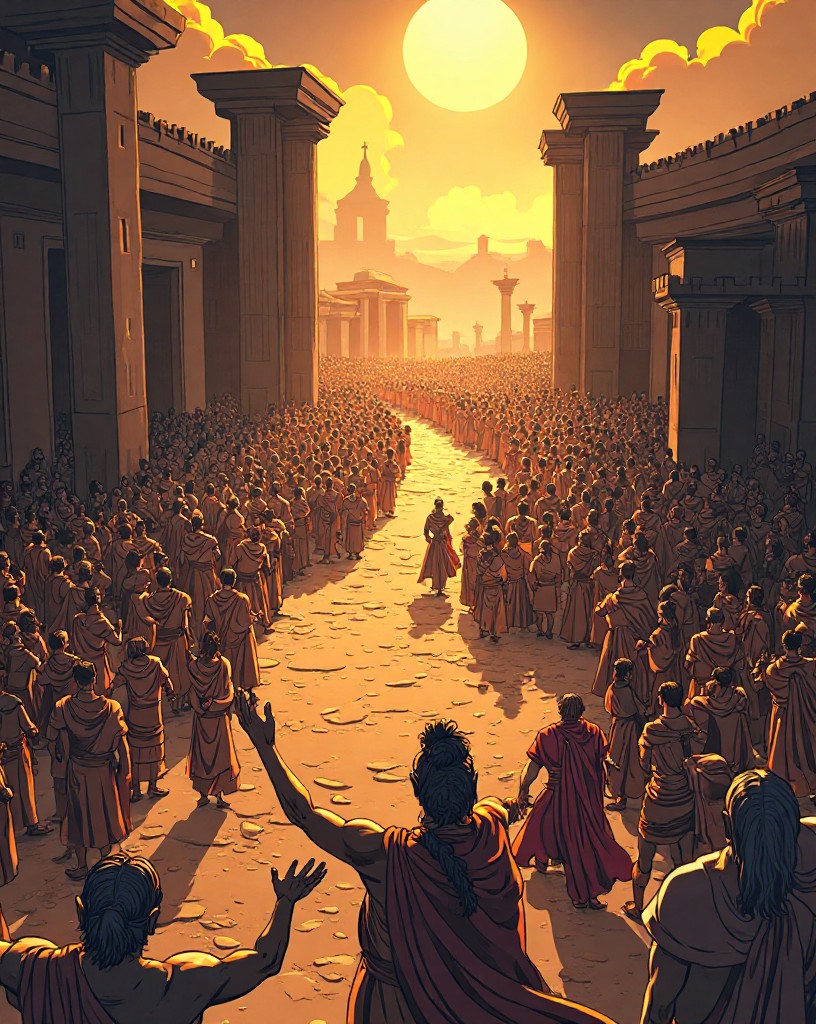
The Persians punch through the deliberately thinned Greek center — but that is the trap. The strong Greek wings wheel inward and envelop the Persians from both sides.
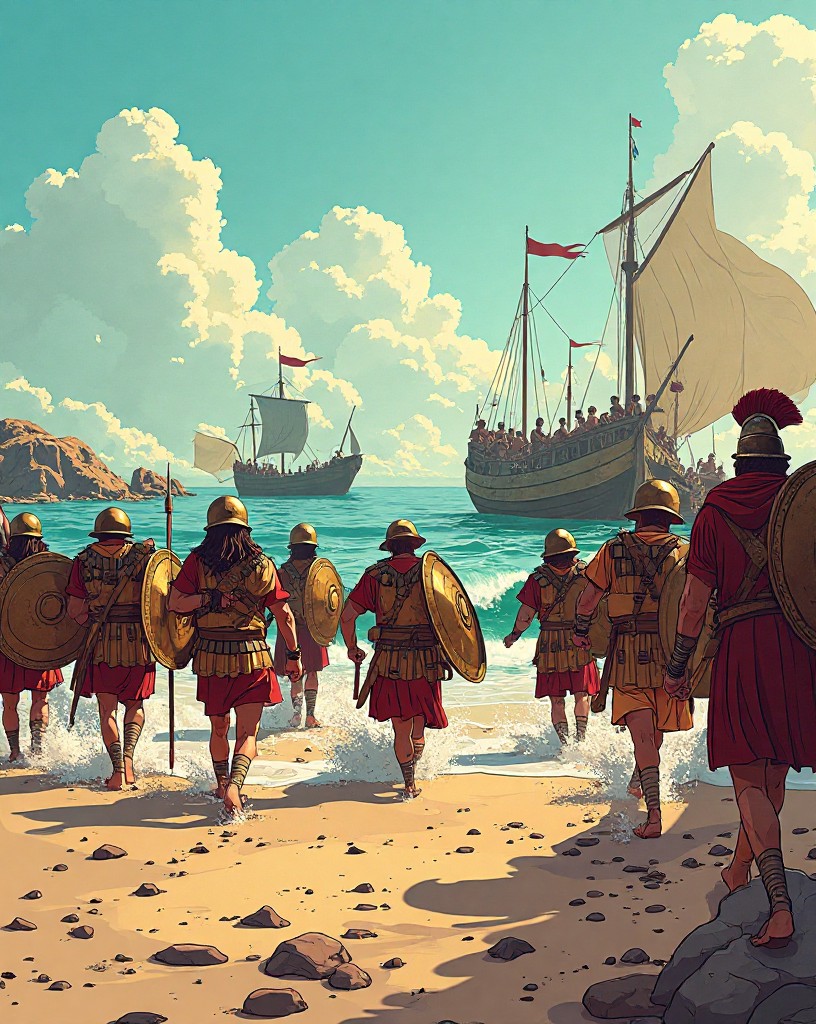
Caught and crushed against the marshes and the sea, the Persians break and flee for their ships in panic, cut down as they run.
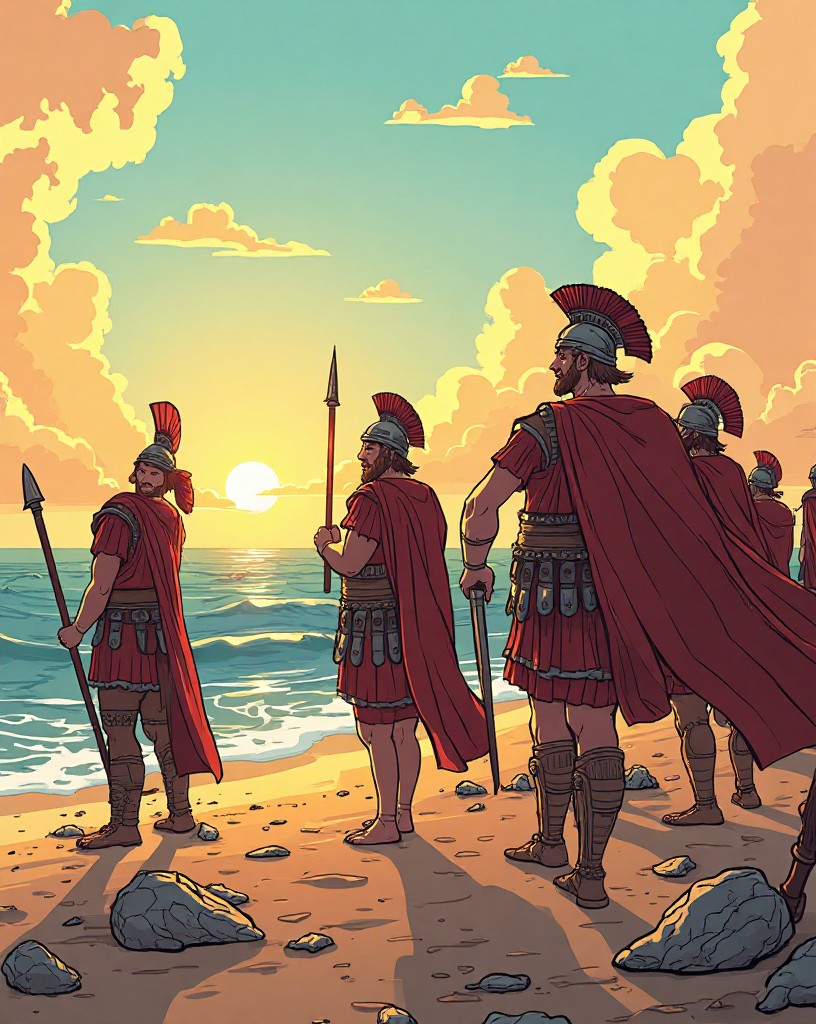
It is a stunning victory. Thousands of Persians fall; Athenian losses are astonishingly light.
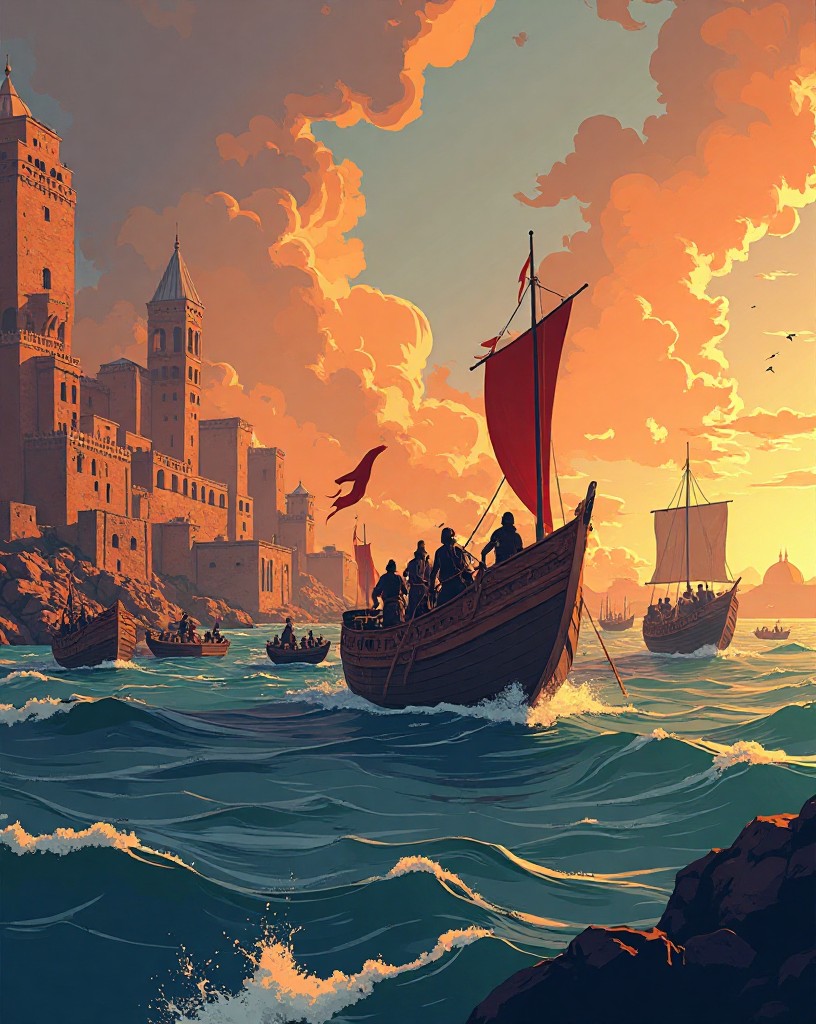
But the danger is not over. The Persian fleet sets sail to strike Athens itself while its army is away at Marathon.
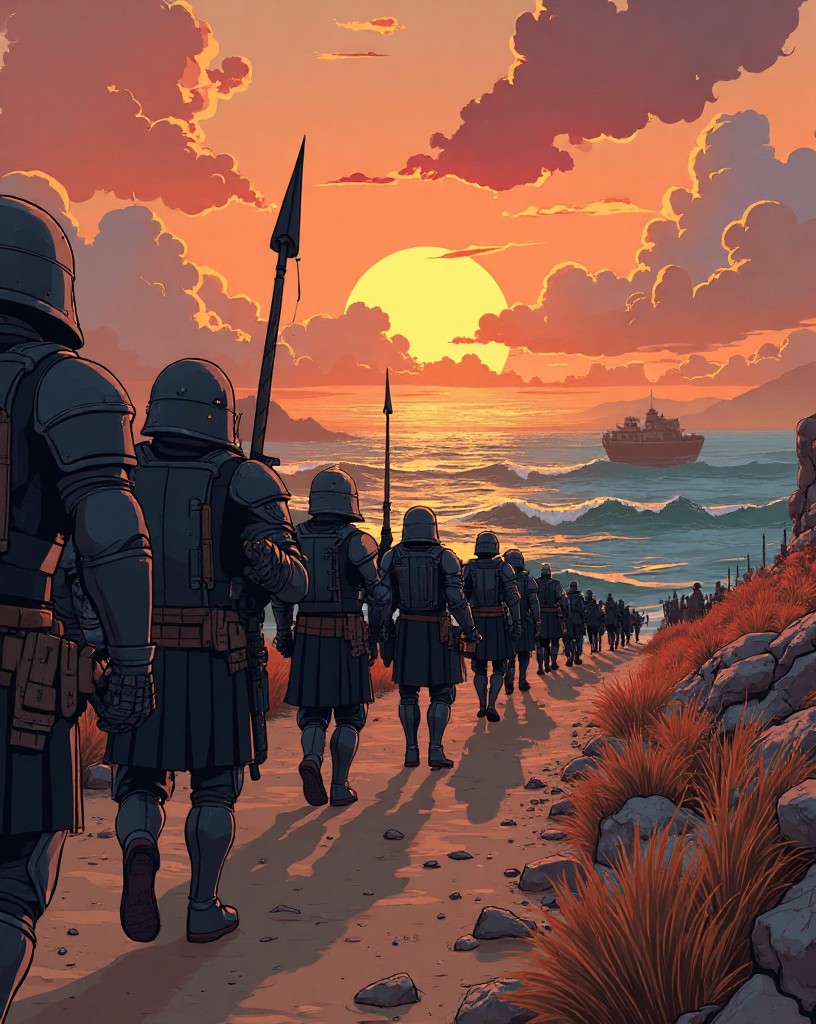
The exhausted Athenians march straight back, racing the fleet across land — and reach the city first. The Persian ships arrive to find Athens defended, and turn for home.

Marathon saved Athens, and with it the fragile new experiment of Greek freedom. From the legend of a runner carrying word of the victory to the city, the world took a word it still uses today — the marathon.
Sources
This story was adapted from the following. The illustrations are stylized depictions, not photographs of the events.
The Histories, Herodotus
The principal ancient account of the battle (Book VI).
“Battle of Marathon”, Wikipedia
Overview, the double envelopment, and the marathon legend.
That’s the story.
More are in the studio. Head back to the collection to see what’s coming.