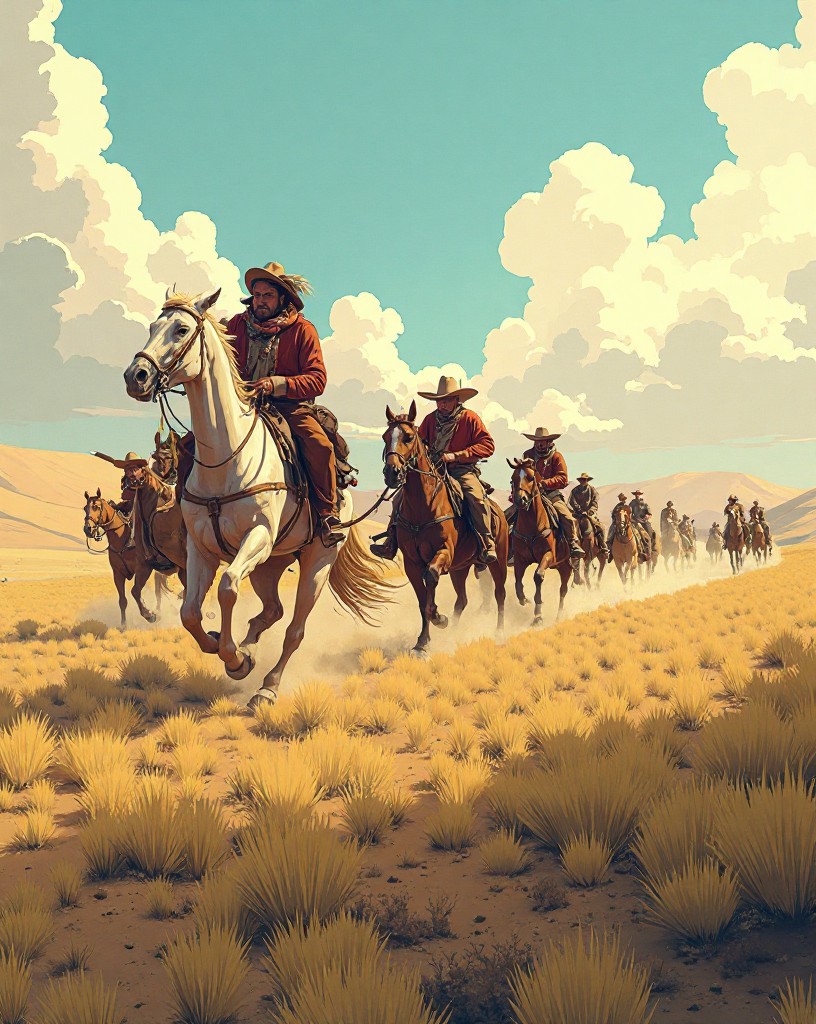
The Greasy Grass
The day the Plains nations won everything, and lost it.
Little Bighorn · 1876
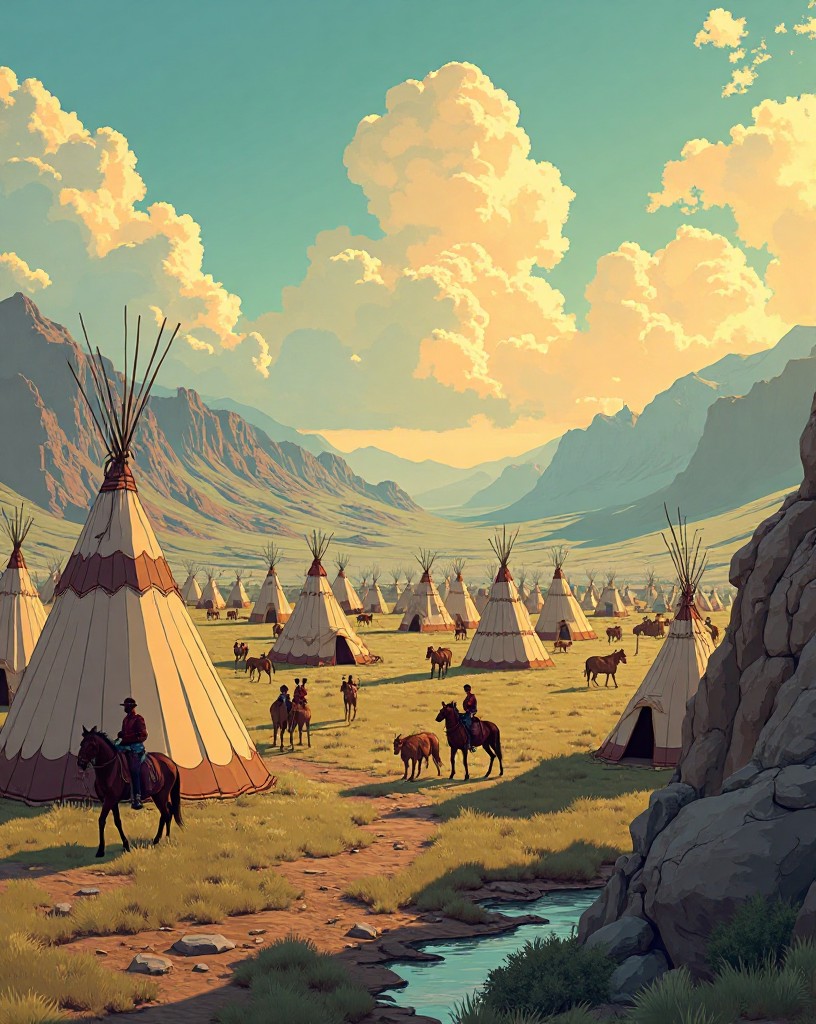
June 1876. The northern plains. The United States wants the Lakota and Cheyenne confined to reservations, off the lands they were promised — lands where gold has just been found. The people refuse, and gather in their thousands.
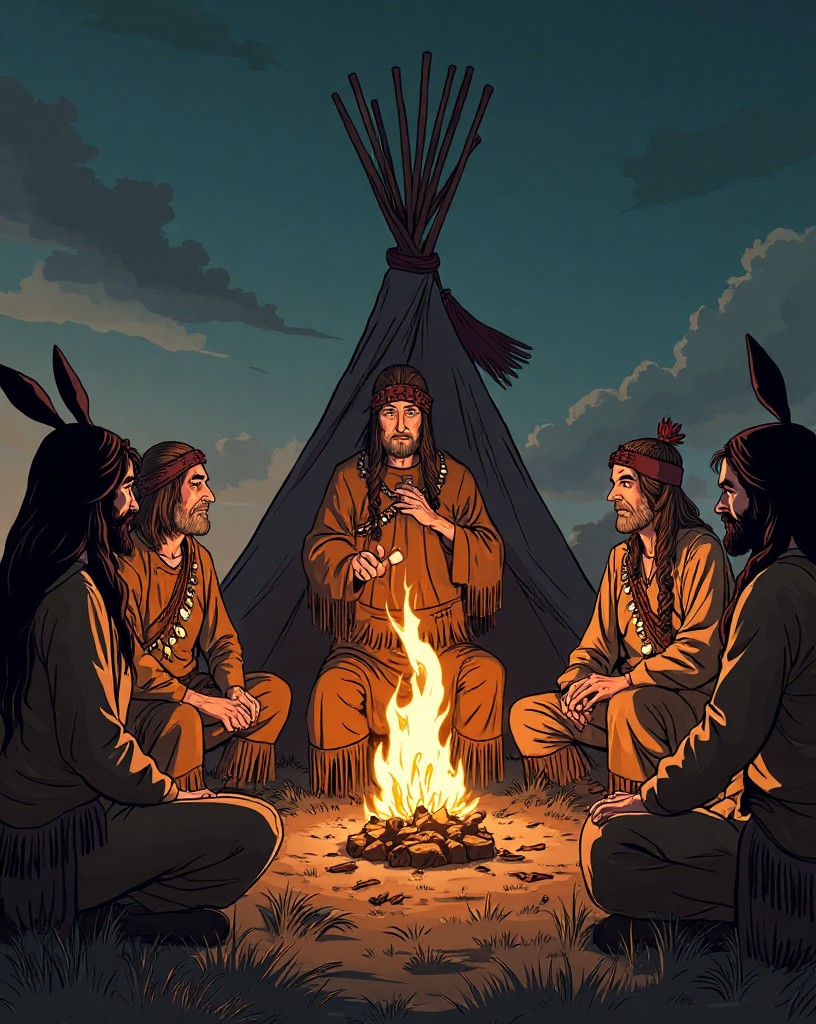
In the great camp along the river they call the Greasy Grass, leaders gather: the war chief Crazy Horse, and the revered holy man Sitting Bull, who has seen a vision of soldiers falling into camp.
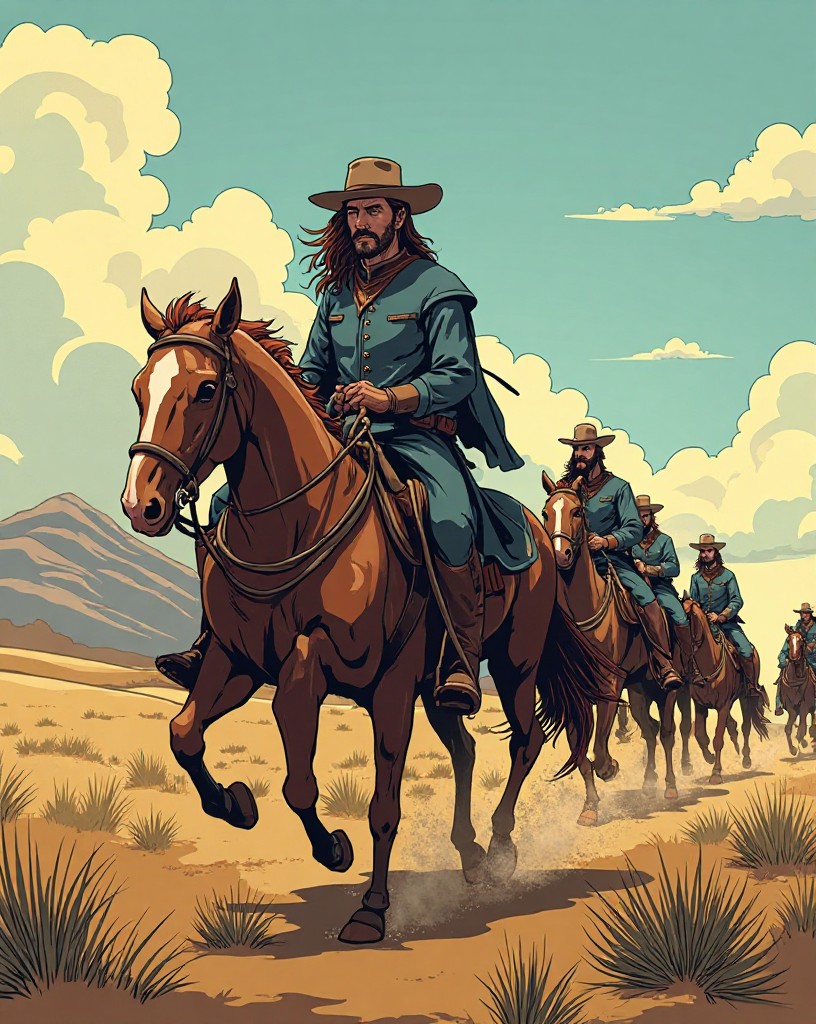
Sent to drive them back is the 7th US Cavalry, led by the bold, glory-hungry Lieutenant Colonel George Armstrong Custer.
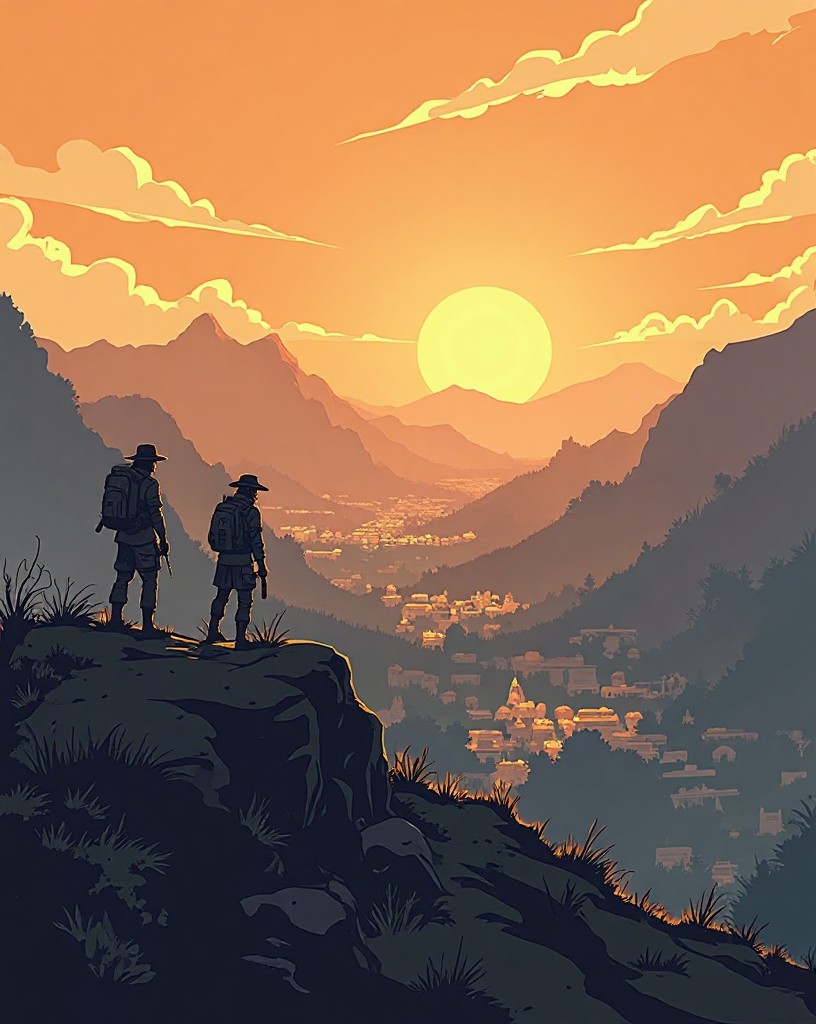
Custer finds the village — and badly misjudges it. He believes it small, and fears only one thing: that the people will scatter before he can attack.
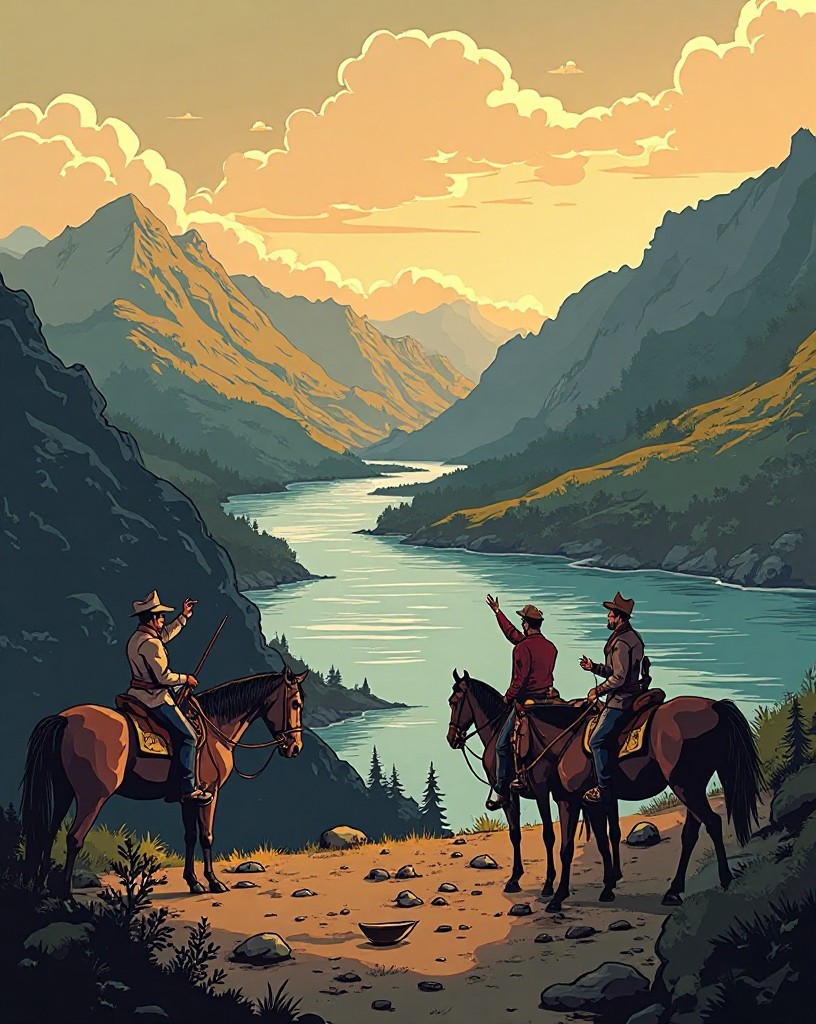
Lt. Col. Custer
“We strike before they can run. Reno crosses the river and hits the south end. I'll swing wide and take them from the other side.”
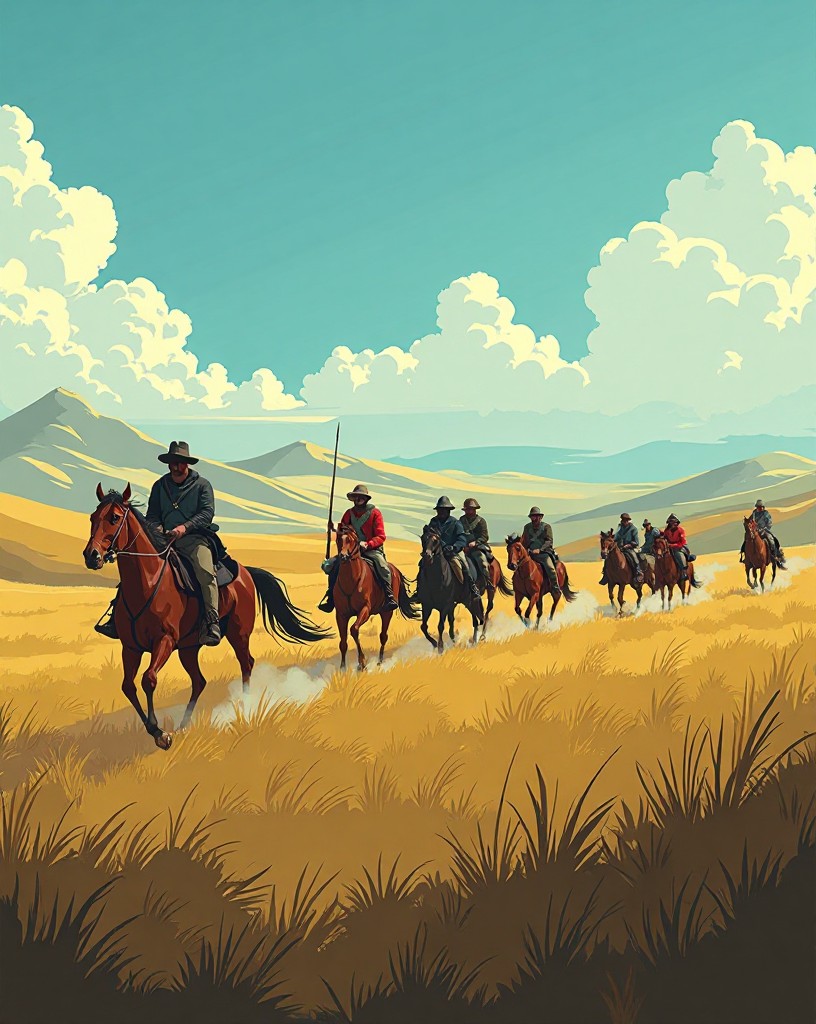
He splits his regiment into pieces, scattering his strength across miles of broken country — against a foe whose true numbers he never grasped.
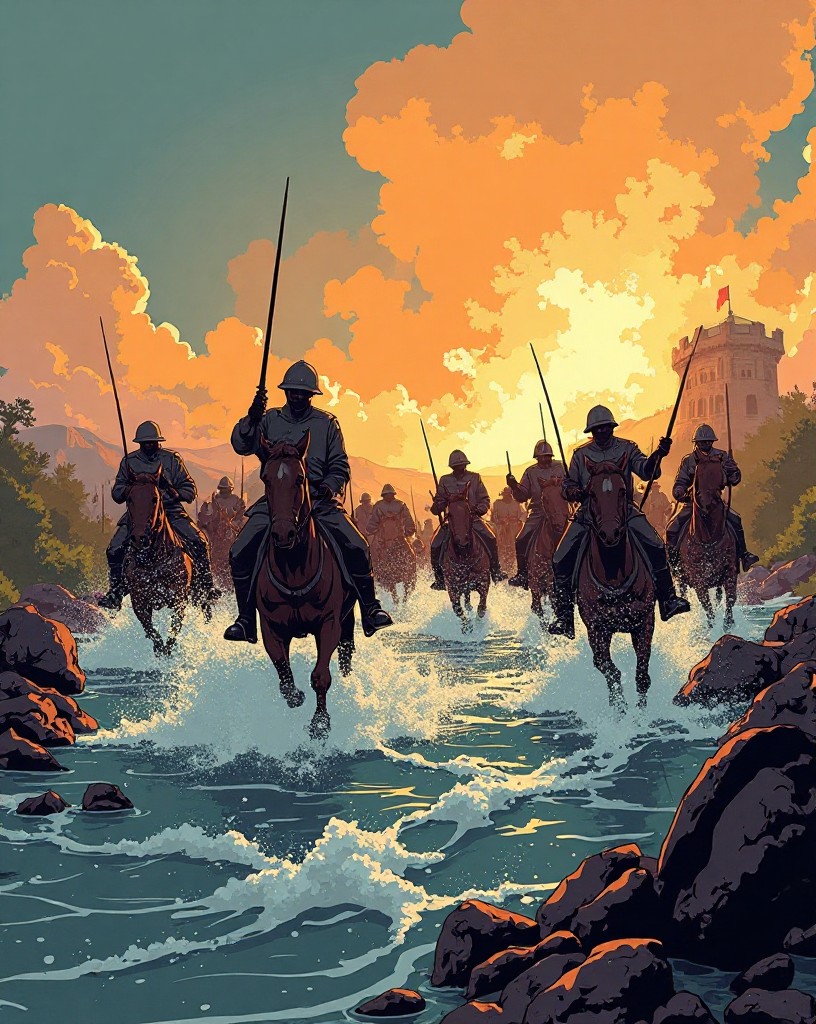
The attack on the south end stalls and is thrown back across the river with heavy loss. The warriors, far from scattering, turn and fight.
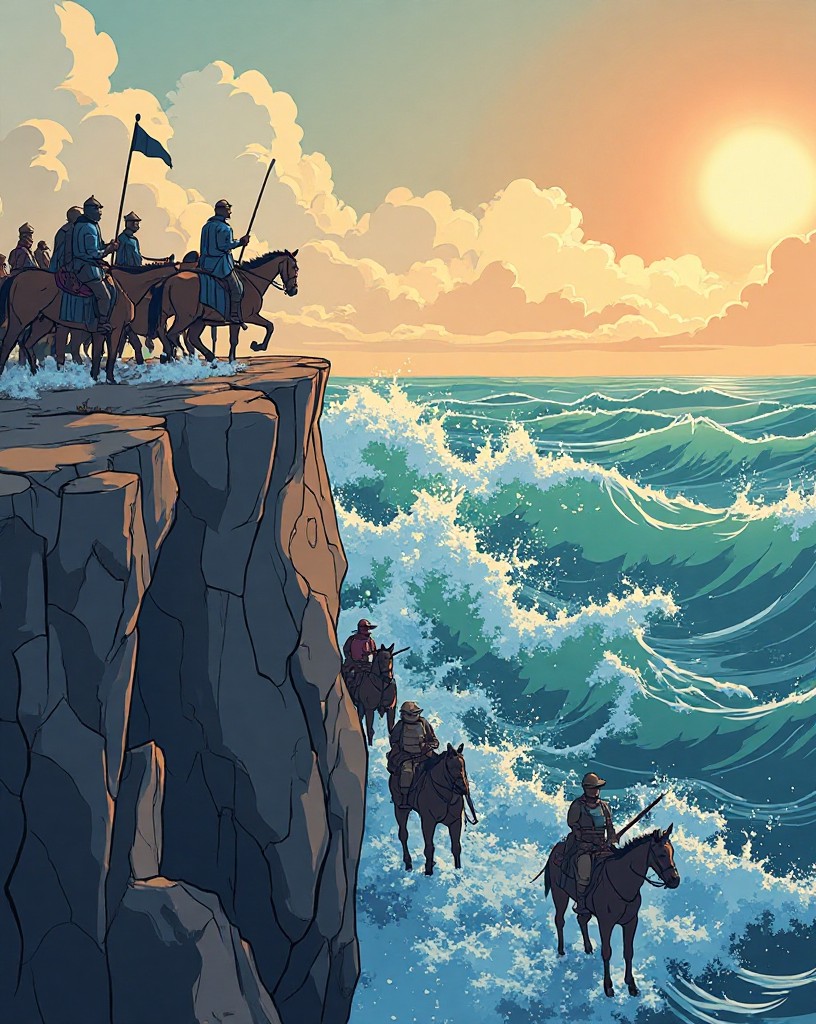
Custer and some two hundred men ride north along the bluffs — straight into the path of hundreds, then thousands, of mounted warriors led by Crazy Horse.
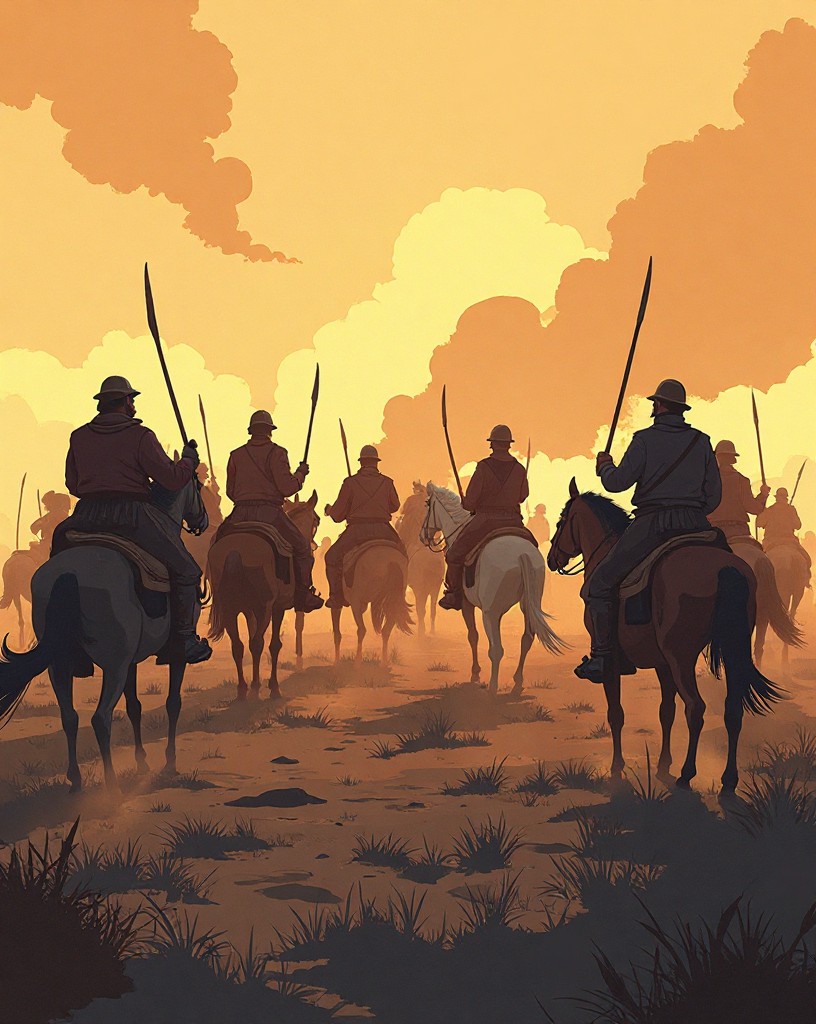
They never reach the village. Surrounded on the open ridges, Custer's command is cut off and overwhelmed.
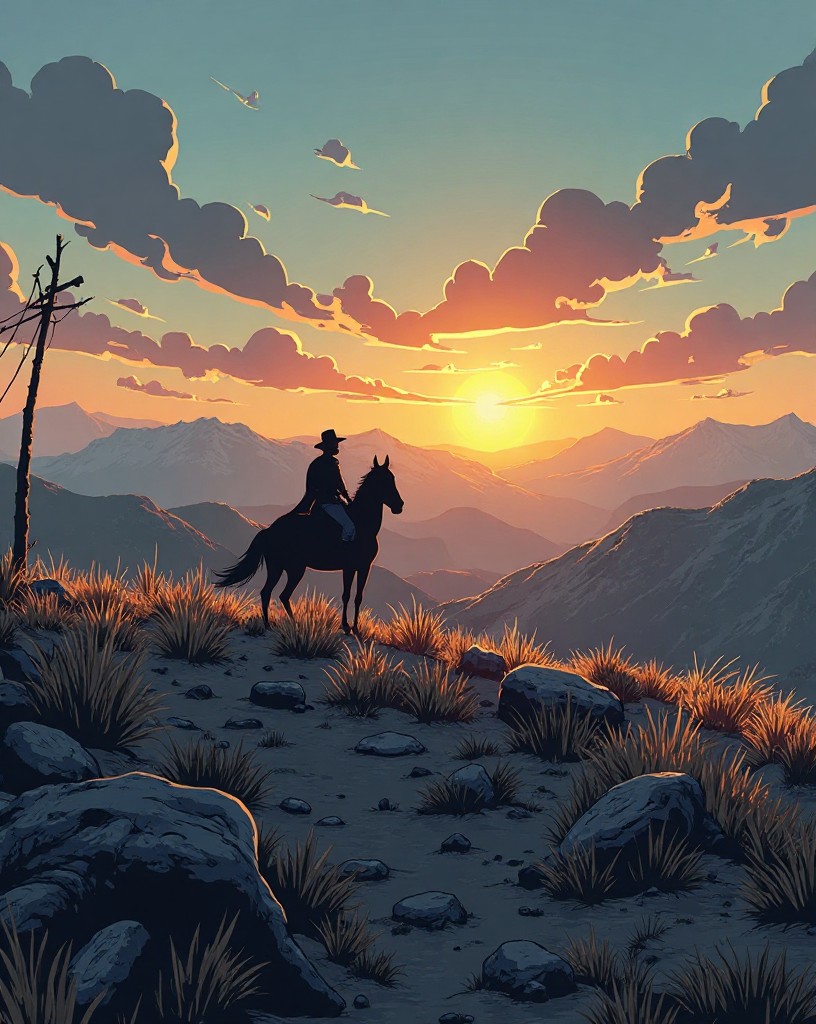
Within perhaps an hour, every man with Custer — more than two hundred of them — is dead. It becomes known as Custer's Last Stand.
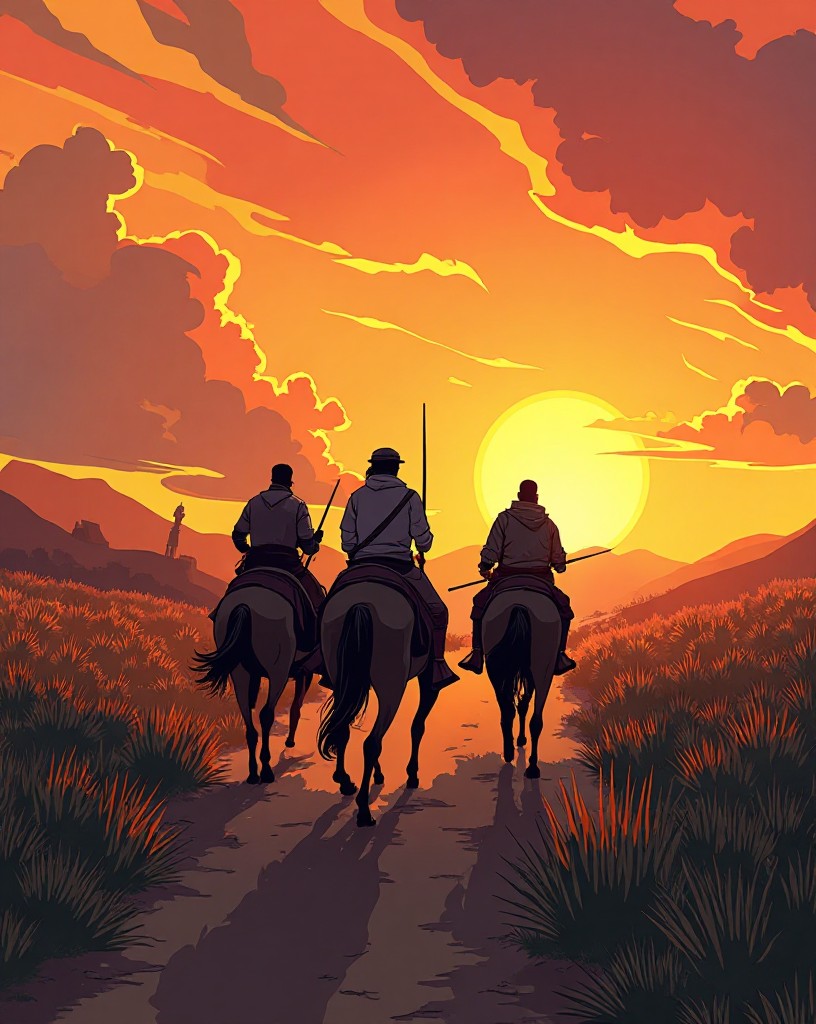
It was one of the greatest victories the Plains nations ever won. But it was also their last.
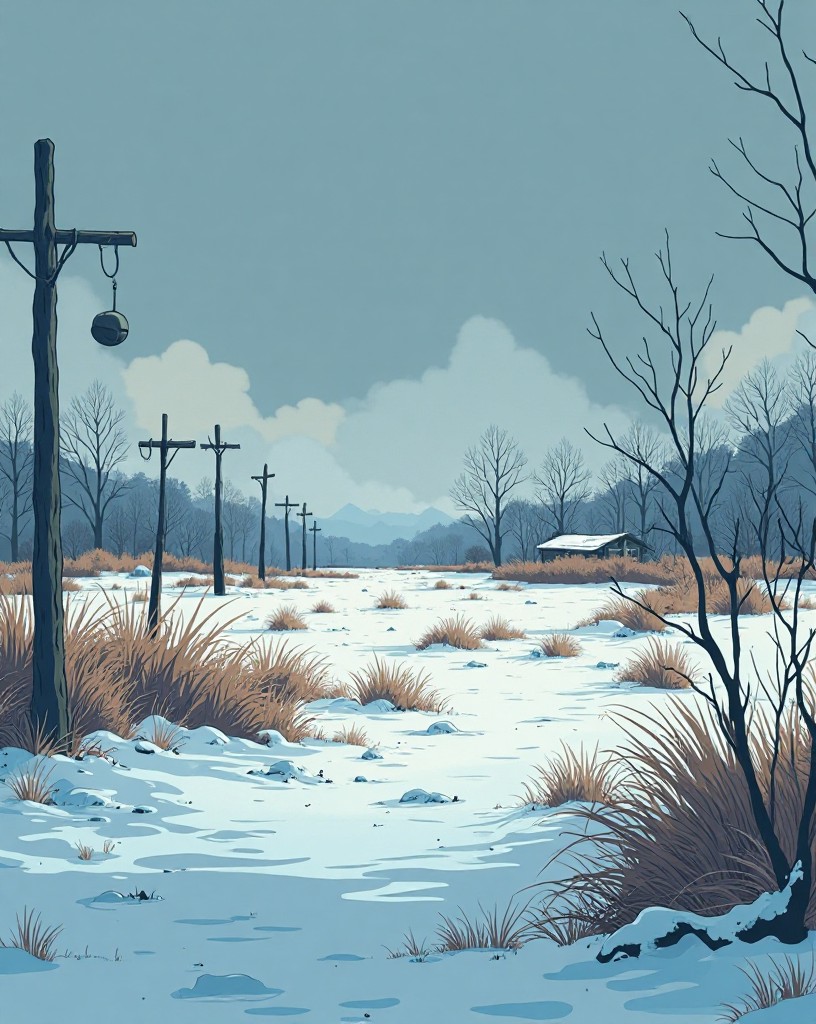
Outraged, the United States poured soldiers onto the plains. Within a few years the great encampments were gone, the people forced onto reservations, and a way of life brought to an end. The Greasy Grass was a triumph that could not be kept.
Sources
This story was adapted from the following. The illustrations are stylized depictions, not photographs of the events.
“Battle of the Little Bighorn”, Wikipedia
Overview, leaders, and aftermath.
The Last Stand: Custer, Sitting Bull, and the Battle of the Little Bighorn, Nathaniel Philbrick (2010)
Narrative history from multiple perspectives.
That’s the story.
More are in the studio. Head back to the collection to see what’s coming.