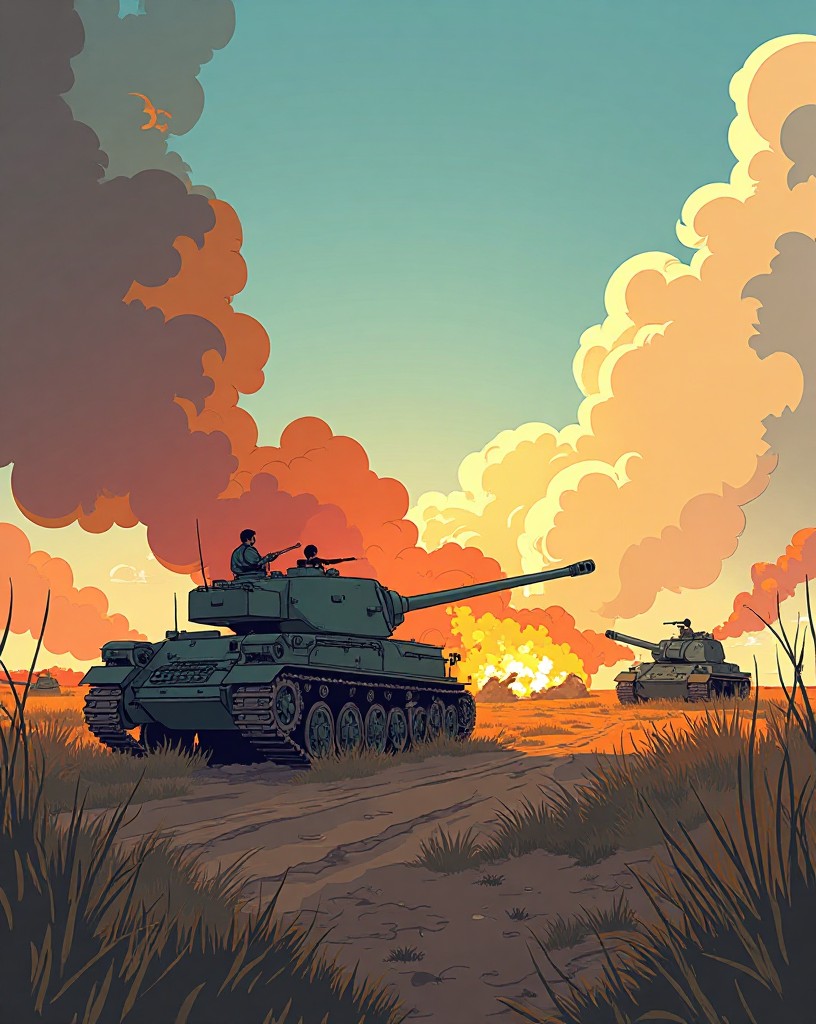
Kursk
The largest tank battle in history, and the end of Germany's war in the east.
Kursk · 1943
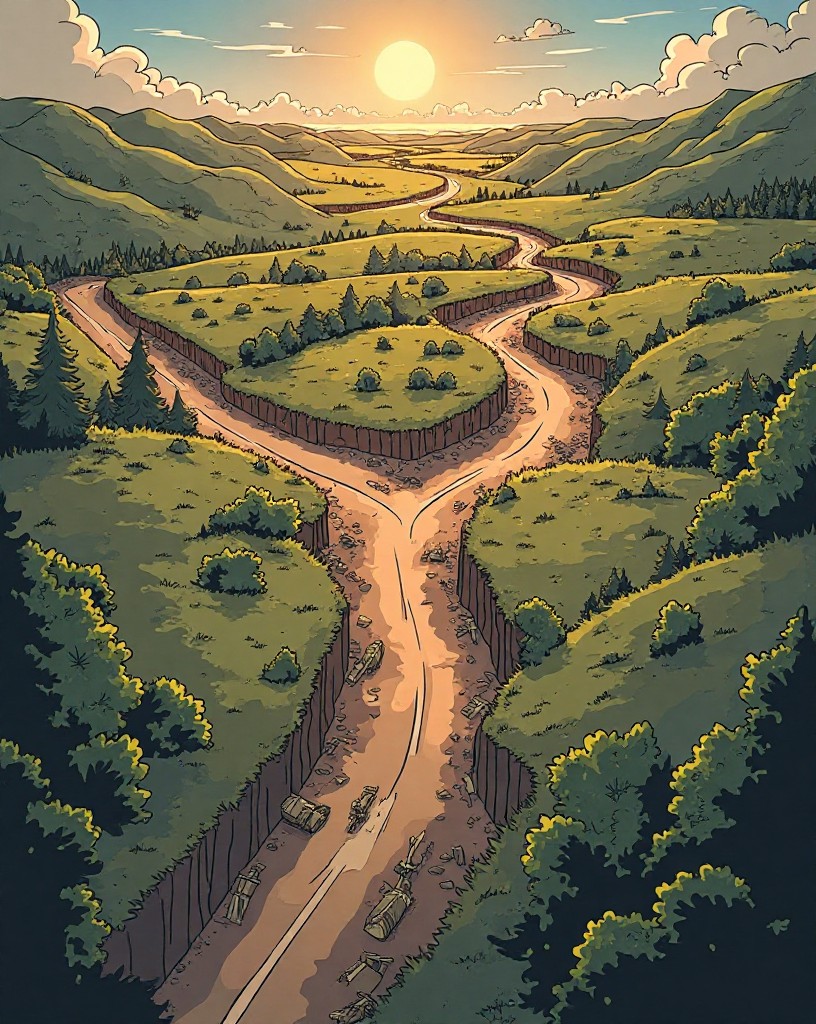
Summer 1943. After the catastrophe of Stalingrad, Germany needs a victory in the east to turn the tide back. They choose a target on the map: a great Soviet bulge in the line around the city of Kursk. They will pinch it off from north and south and trap the armies inside.
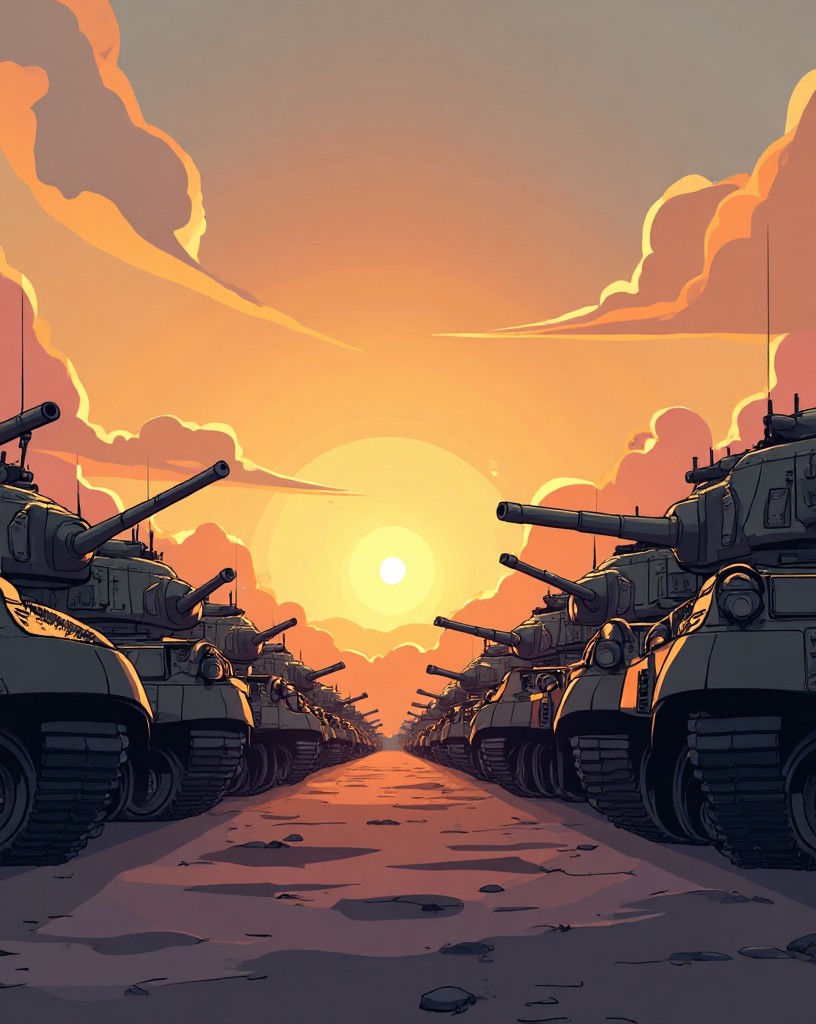
For this blow Germany gathers the mightiest armored force it has ever assembled — including its fearsome new heavy tanks, the Tigers and Panthers.
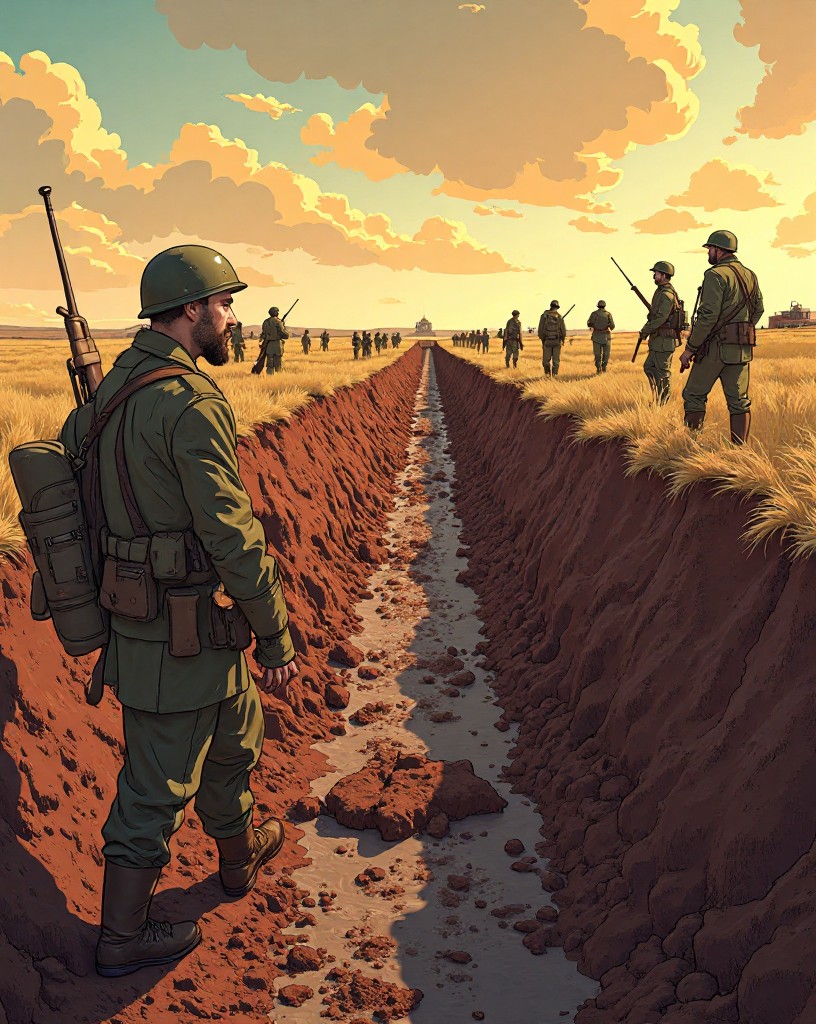
But the Soviets know it is coming. Their spies have warned them exactly where and when. Instead of attacking, they wait — and dig.
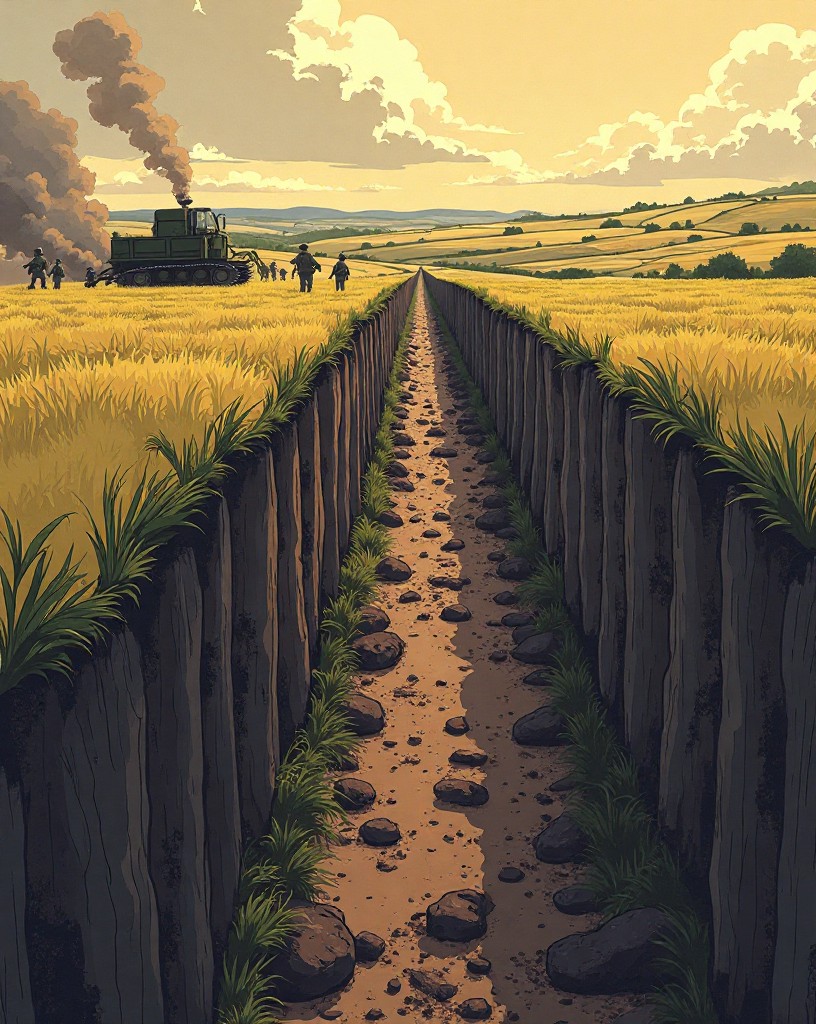
Behind the bulge the Soviets build the deepest defenses of the war: belt after belt of trenches, thousands of guns, and over a million mines, layered miles deep.
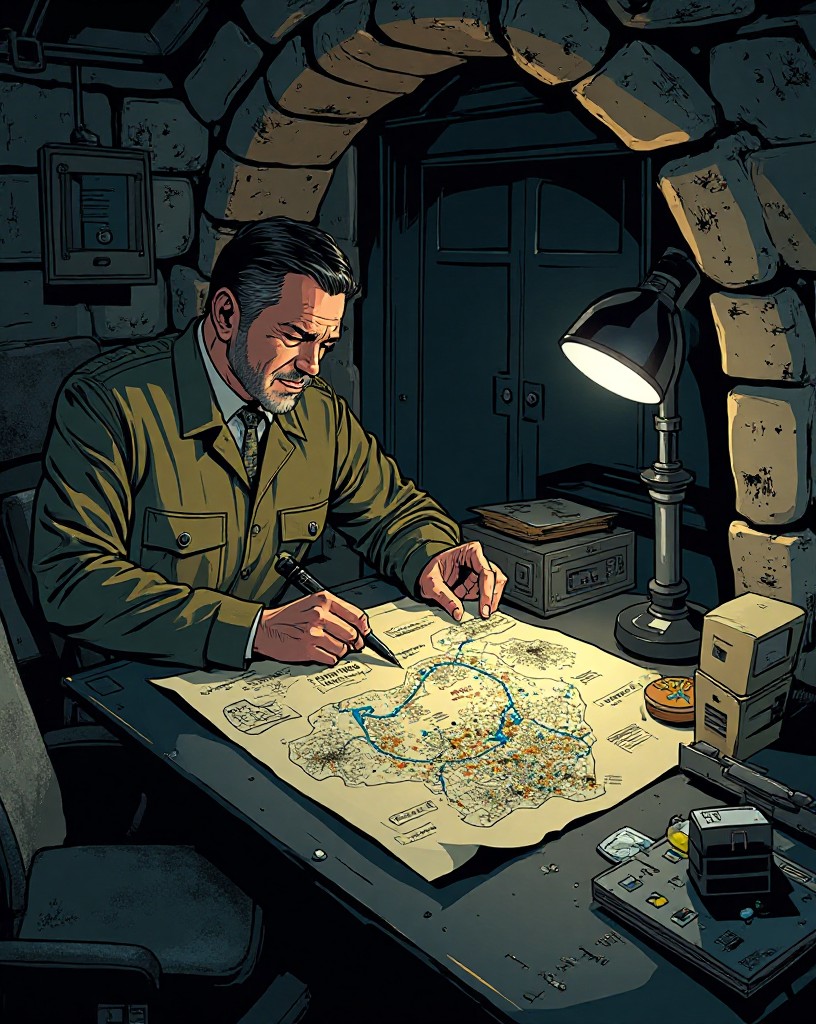
A Soviet commander
“We do not stop them at the front line. We let them in — and we bleed them in the minefields, every mile of the way.”
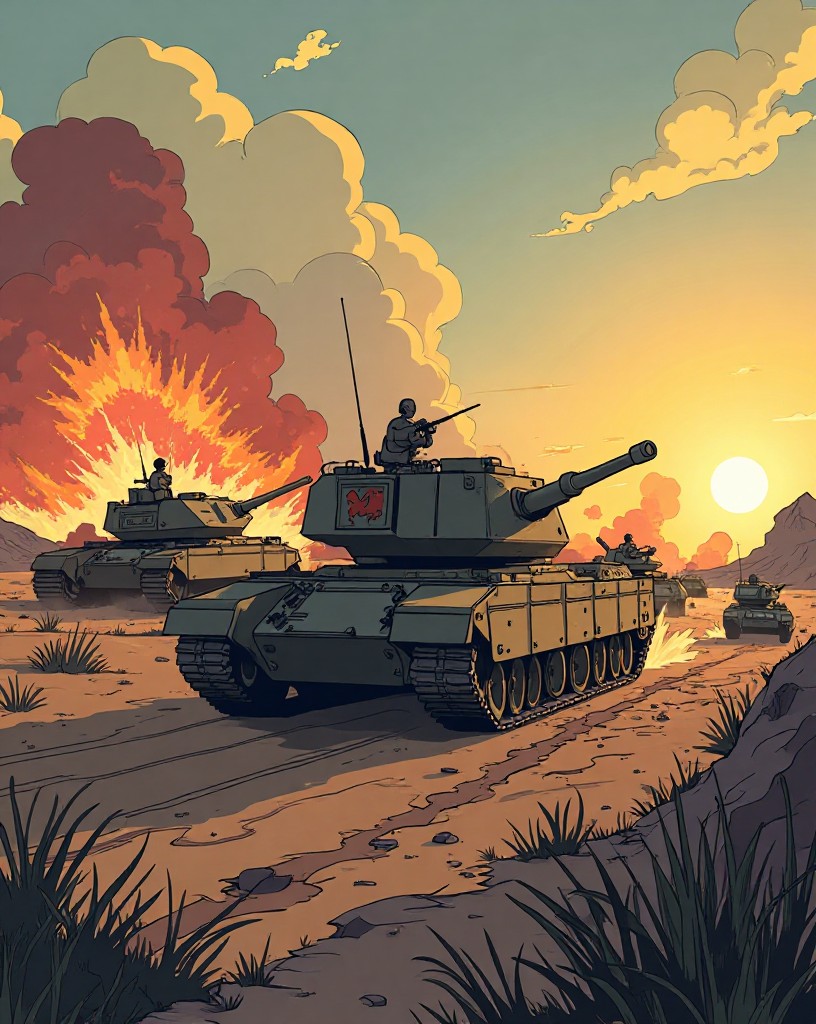
In July the Germans attack. The great tanks roll forward — and grind straight into the minefields and massed anti-tank guns, which tear at them from every side.
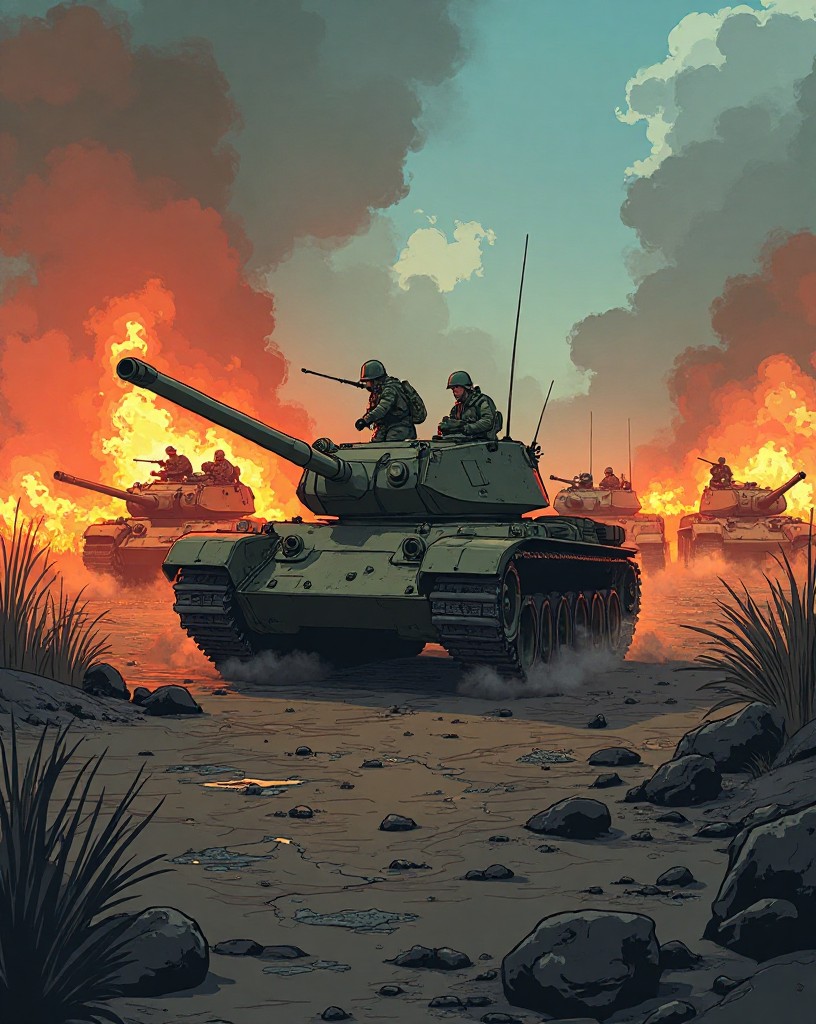
There is no clean breakthrough. The German spearheads claw forward yard by yard, paying in burning tanks for every belt of defenses they cross.
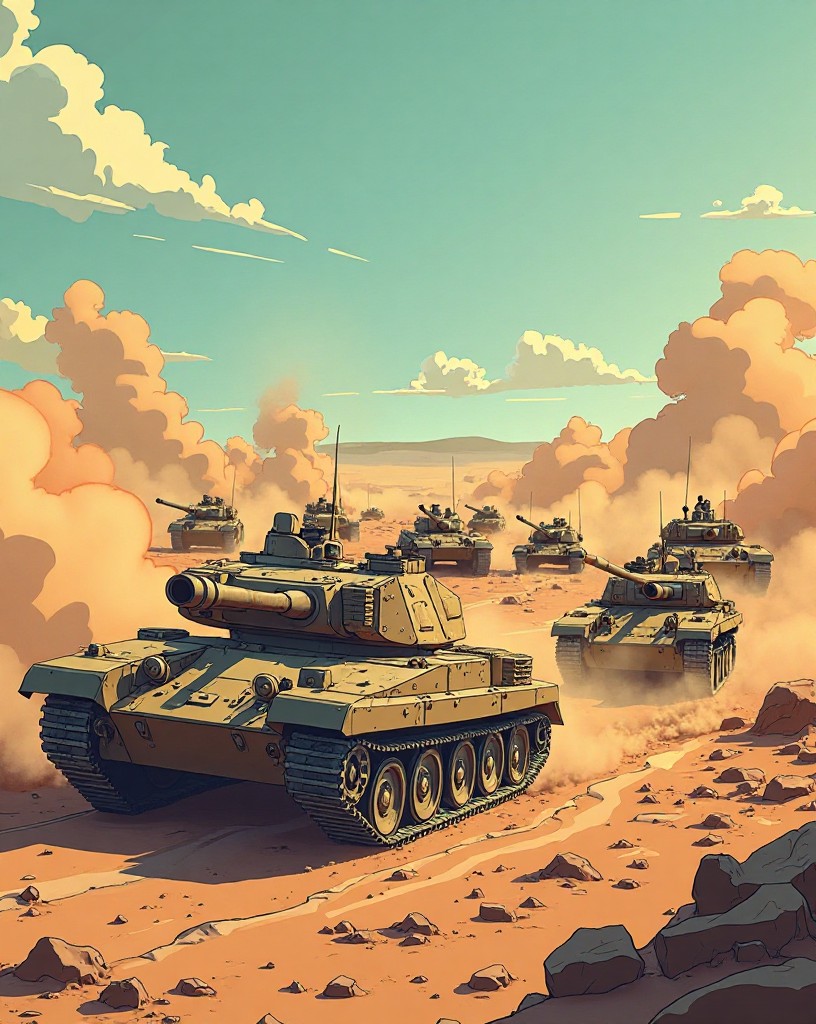
Near a town called Prokhorovka, hundreds of tanks collide in a single swirling battle — armor against armor at point-blank range, in dust and smoke so thick the crews can barely see.
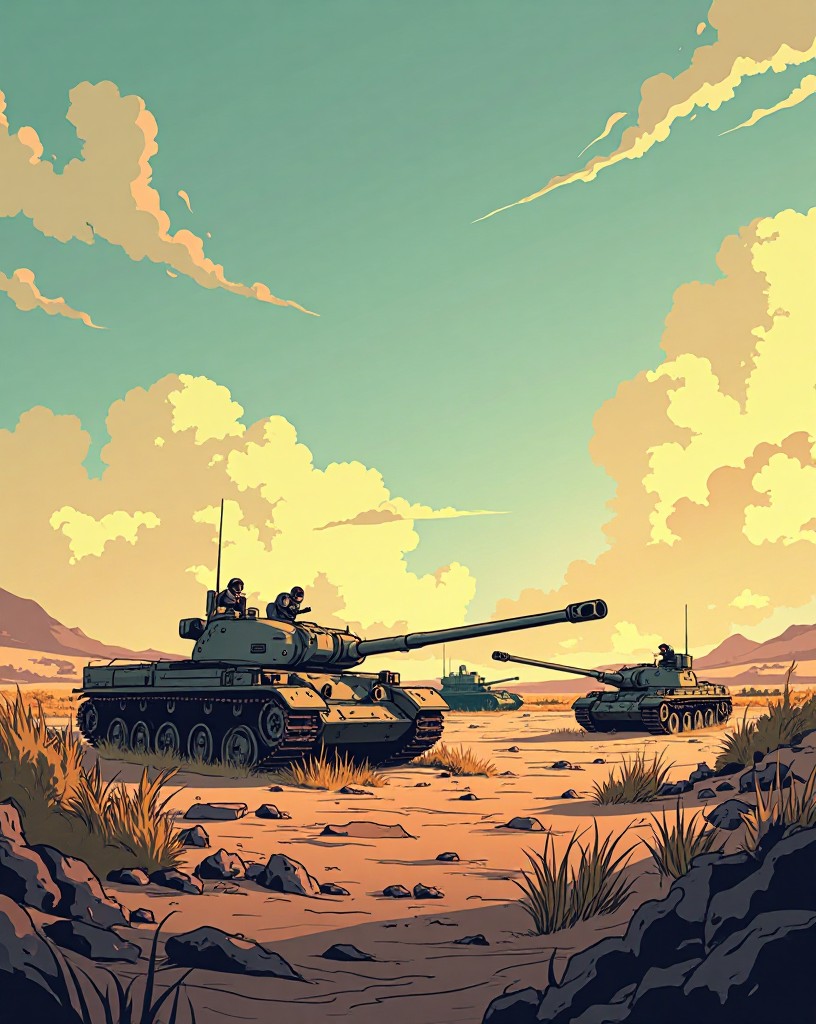
The fields fill with the hulks of burning tanks. The Germans gain ground, but nothing like the breakthrough they needed — and their precious armor is being bled white.
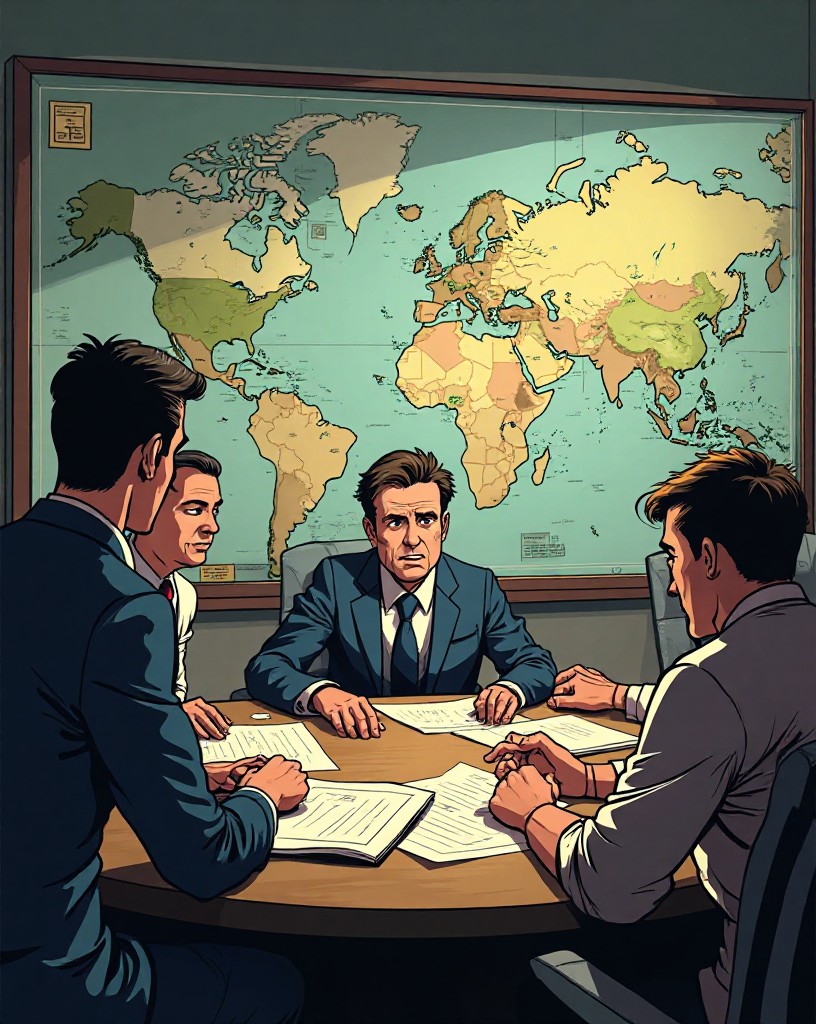
Then, far away, the Western Allies land in Sicily — and Hitler, needing troops elsewhere, calls off the offensive just as it stalls.
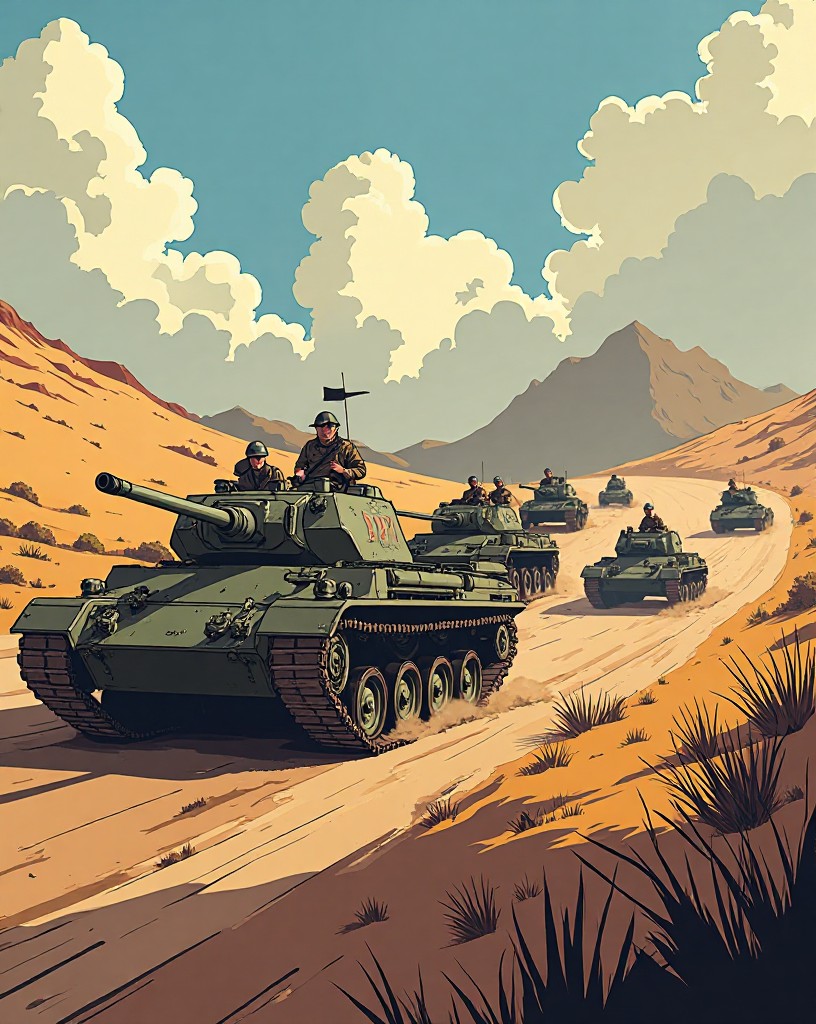
The moment the Germans halt, the Soviets unleash the counterattack they have been holding back, and begin to drive west.
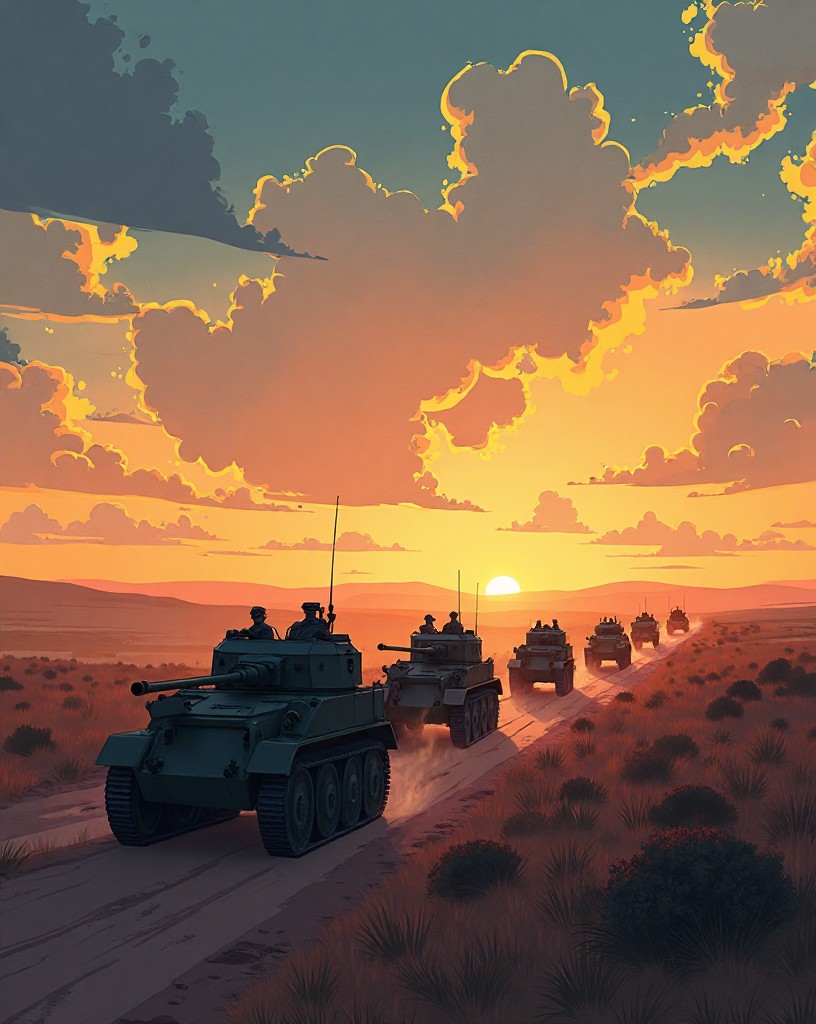
Kursk was the largest tank battle in history, and the last great offensive Germany would ever launch in the east. After it, the German army could only retreat — slowly, bitterly, all the way back to Berlin.
Sources
This story was adapted from the following. The illustrations are stylized depictions, not photographs of the events.
“Battle of Kursk”, Wikipedia
Overview, the defenses, Prokhorovka, and the aftermath.
Armor and Blood: The Battle of Kursk, Dennis E. Showalter (2013)
Narrative history of the battle.
That’s the story.
More are in the studio. Head back to the collection to see what’s coming.