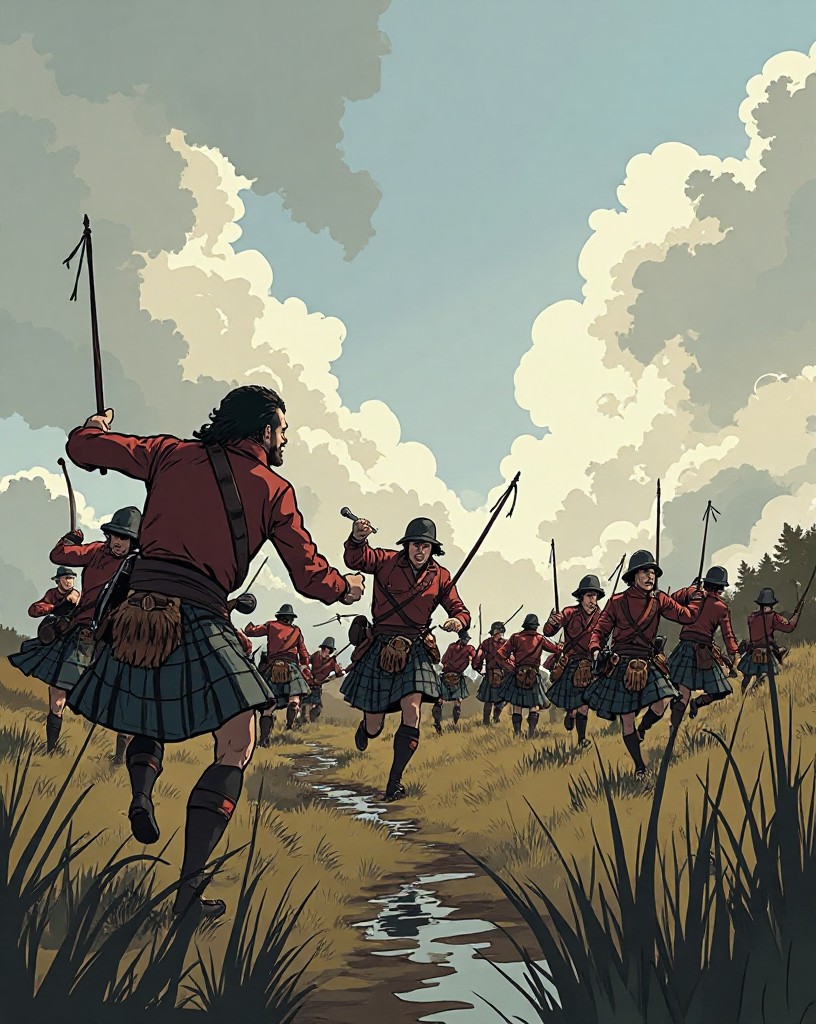
Culloden
The last battle on British soil, and the end of the Highland clans.
Scotland · 1746
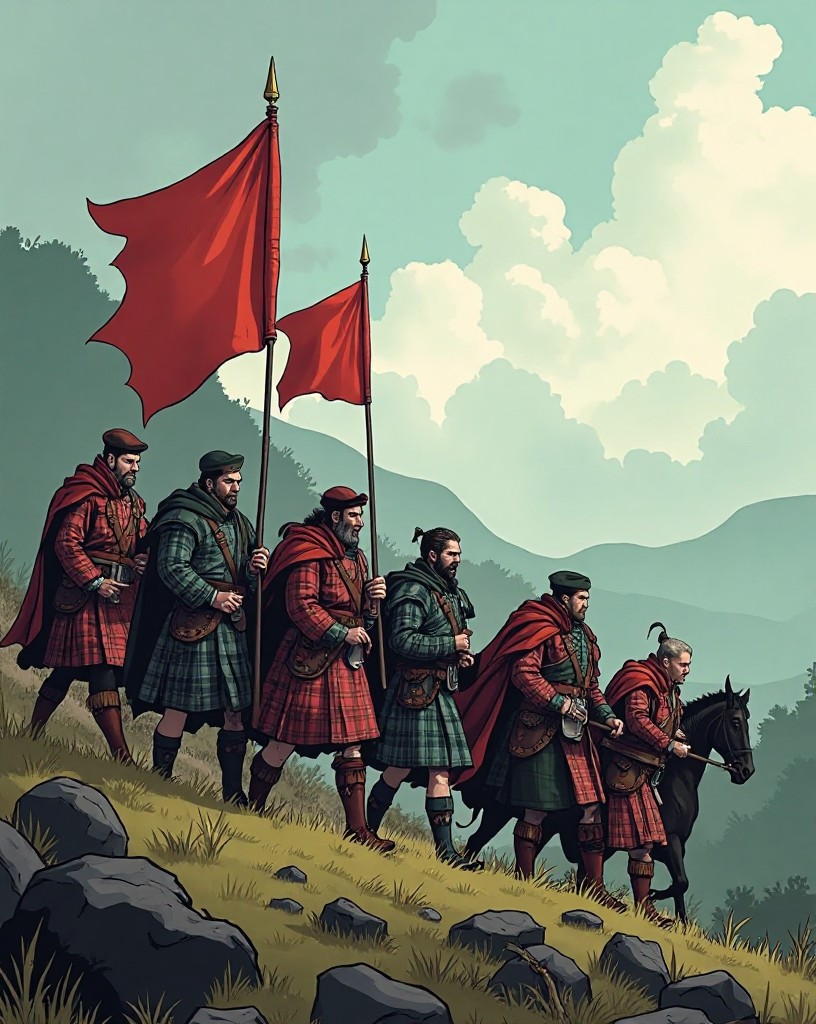
1746. A Stuart prince, Charles Edward Stuart — Bonnie Prince Charlie — has landed in Scotland to win back the British throne for his exiled family. Behind him rallies an army of Highland clansmen, and for a time they sweep all before them, even marching deep into England.
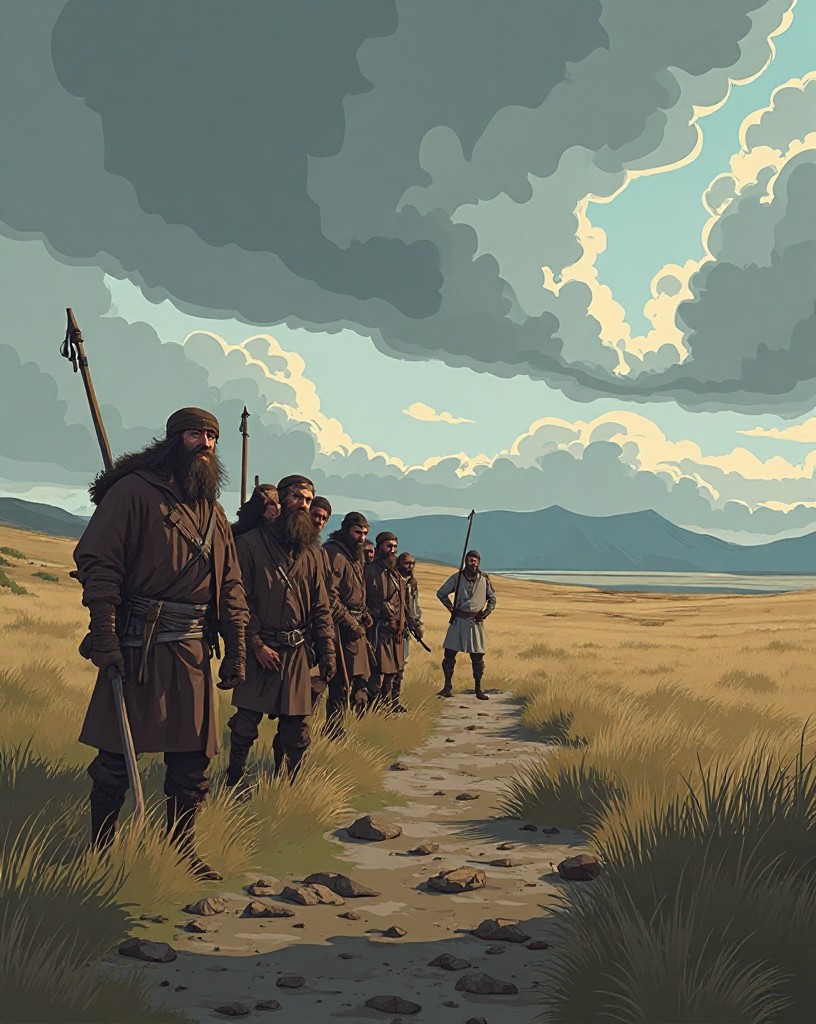
But the rising has stalled and turned back. Now, cold, hungry, and dwindling, the Jacobite army stands near Inverness, on a bleak stretch of open moor called Culloden, to face the pursuing government army.
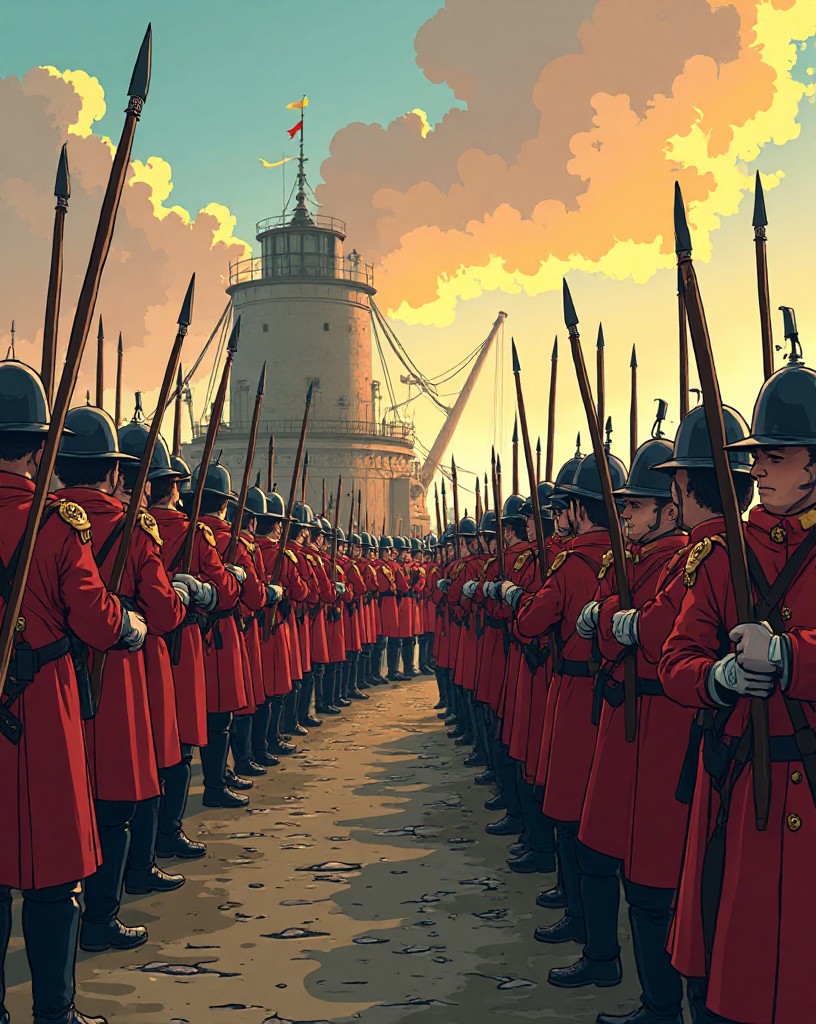
The government force is led by the Duke of Cumberland — well-fed, well-drilled, with heavy artillery and disciplined musket lines, and it outnumbers the exhausted Jacobites.
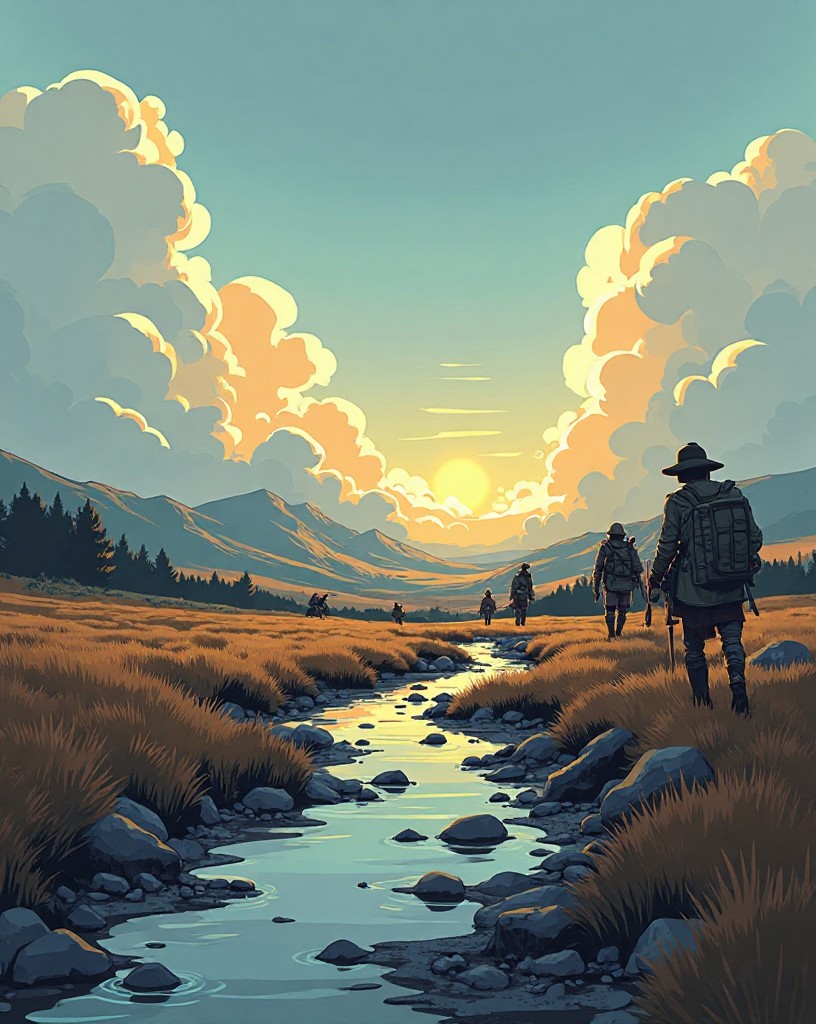
Worse, the prince's commanders have chosen terrible ground: flat, boggy moorland that robs the Highlanders of their one great weapon — the wild downhill charge.
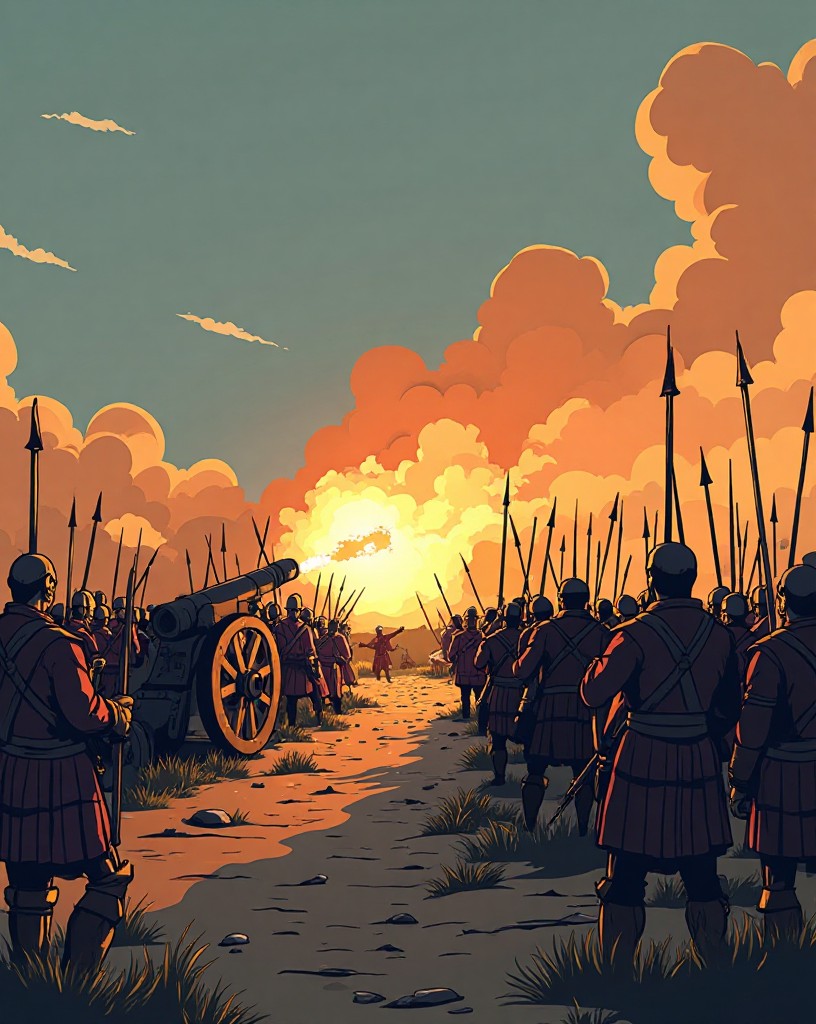
The battle opens with the government cannon. For long minutes they pound the standing Highland ranks with roundshot, tearing gaps in lines that cannot reach the enemy to reply.
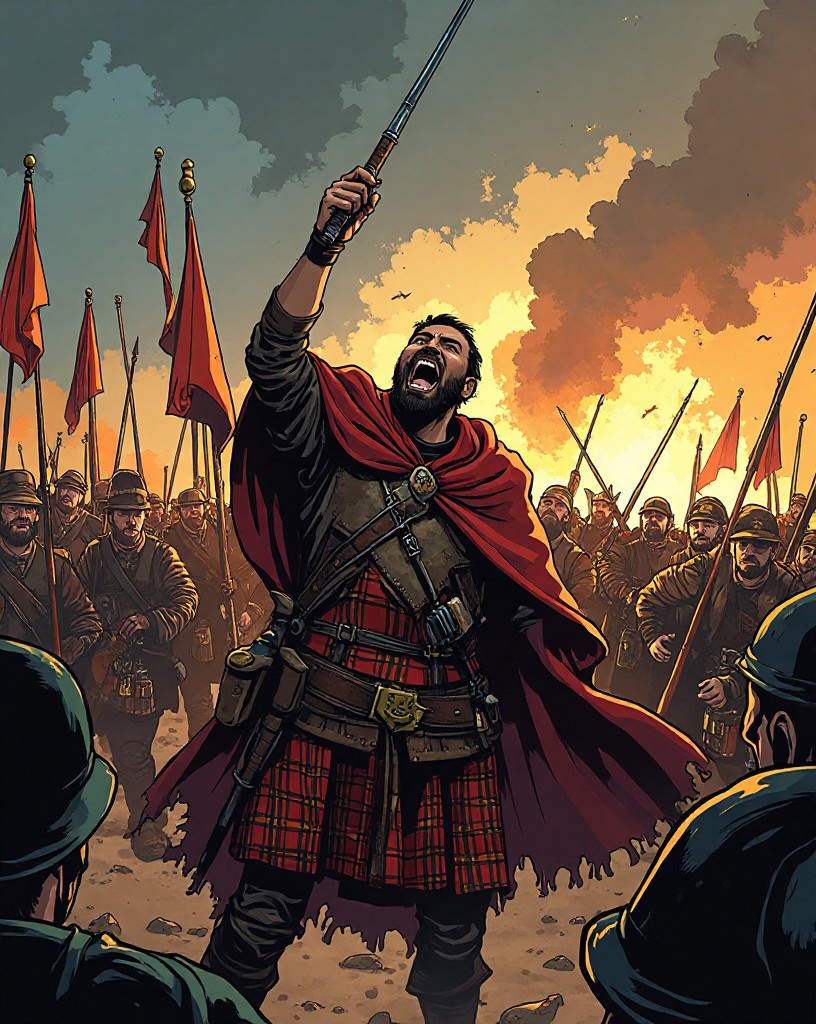
A Highland chief
“We're dying where we stand. Give the order to charge — for God's sake, let us at them!”
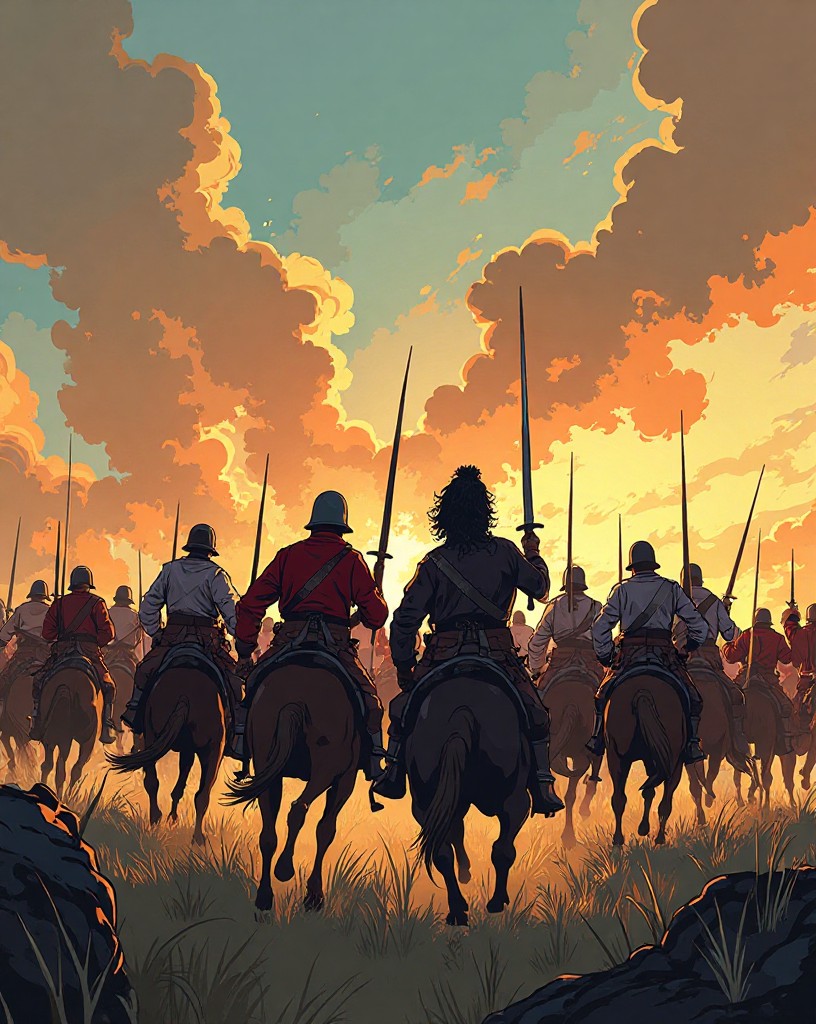
At last the Highlanders are loosed. They surge forward across the open moor in the famous charge — into the teeth of massed musket volleys and cannon firing grapeshot.
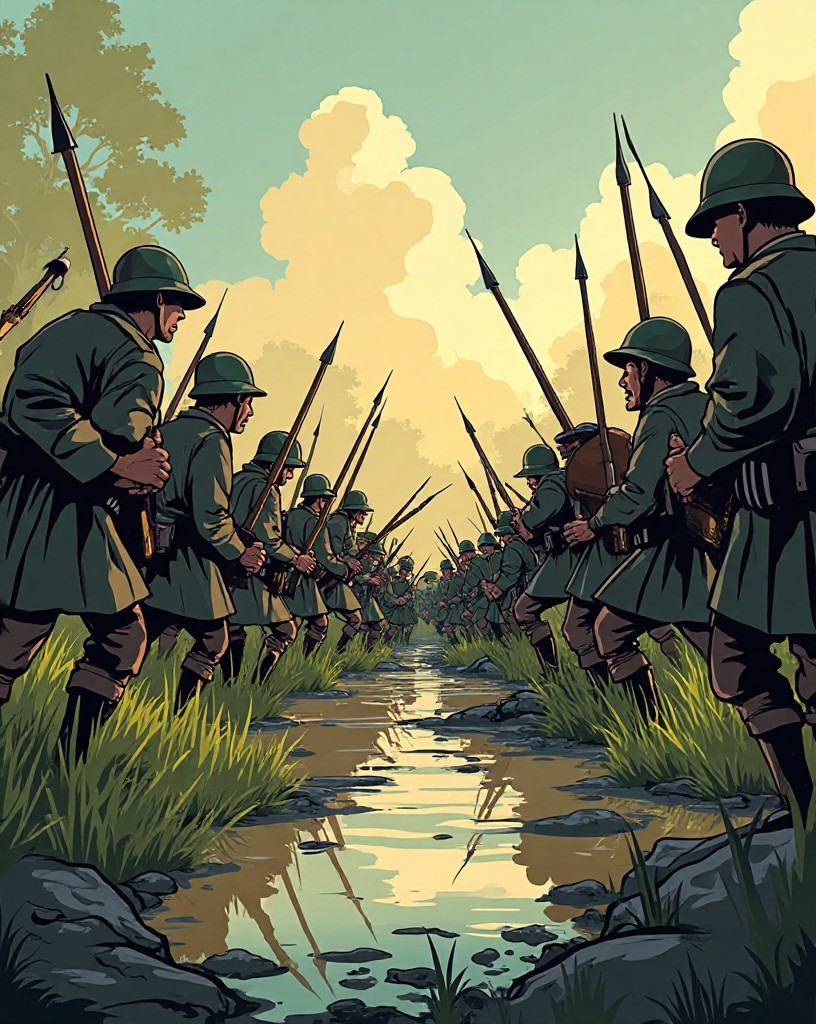
The boggy ground breaks their momentum. They are cut down in swathes before they reach the lines, and where they do strike home, the redcoats hold with a new bayonet drill made to beat the Highland charge.
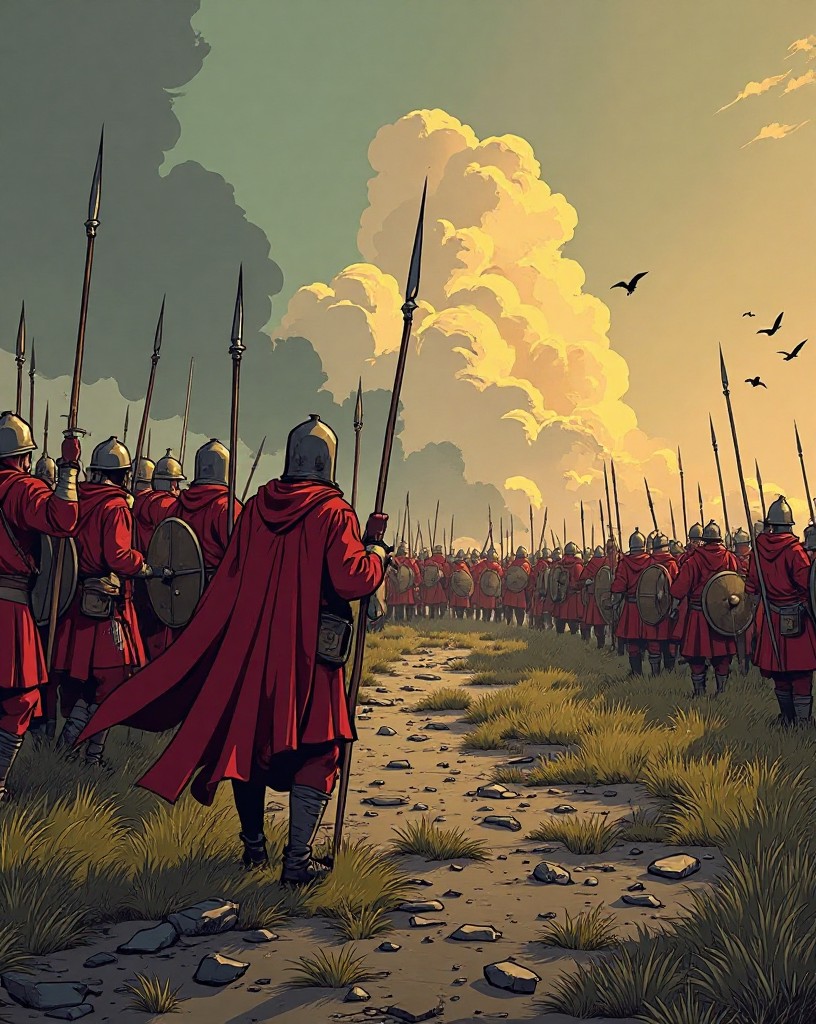
In under an hour, it is over. The Jacobite army is shattered and flees the field. Bonnie Prince Charlie escapes, to become a hunted fugitive, and eventually slips away into exile forever.
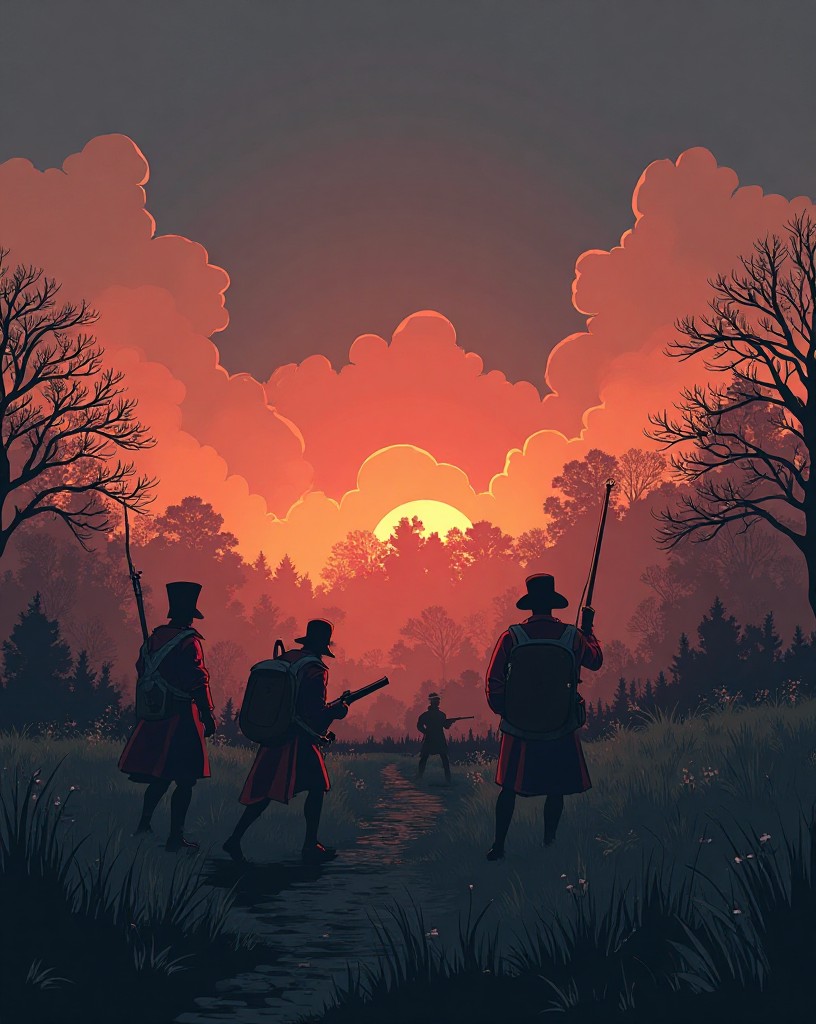
Then comes the worst of it. Cumberland's men give no quarter — killing the wounded on the field and hunting down fugitives, earning the duke the name 'Butcher.'
In the months that follow, the government sets out to break the Highlands for good: clan tartans and weapons banned, chiefs stripped of power, a whole way of life dismantled.
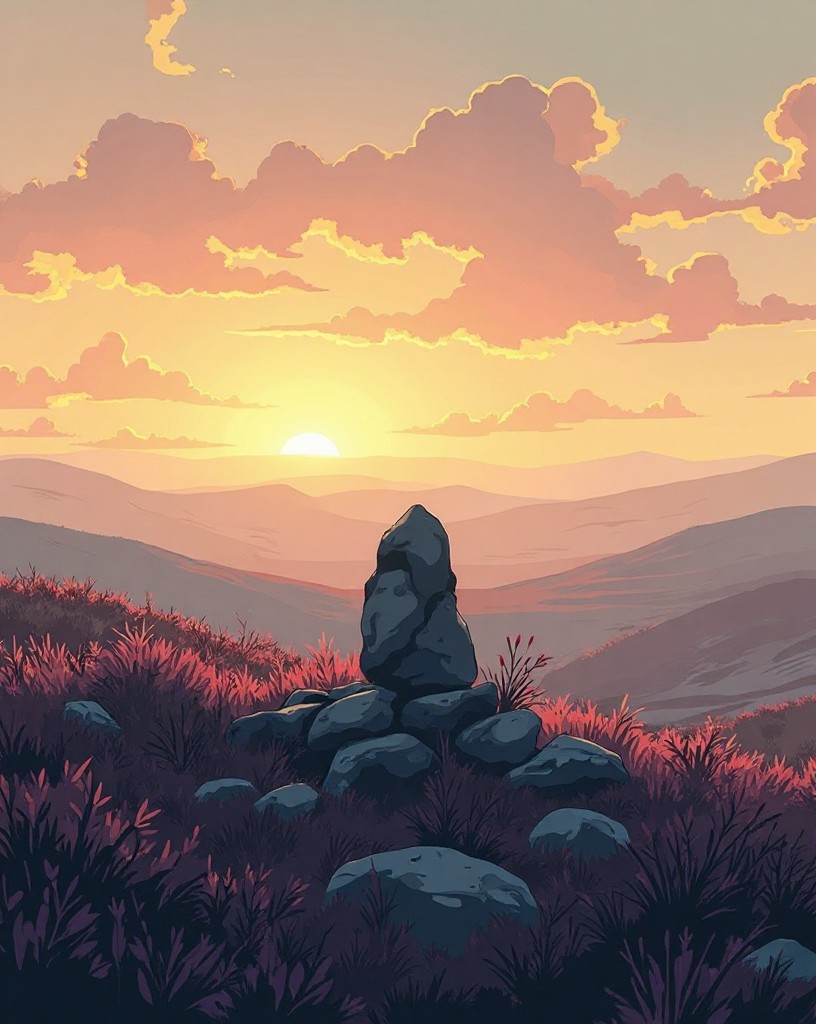
Culloden was the last pitched battle ever fought on British soil. It ended the Jacobite cause forever — and with it, the old world of the Highland clans began to vanish into history and legend.
Sources
This story was adapted from the following. The illustrations are stylized depictions, not photographs of the events.
“Battle of Culloden”, Wikipedia
Overview, the ground, the charge, and the aftermath.
Culloden: Scotland's Last Battle and the Forging of the British Empire, Trevor Royle (2016)
History of the battle and its consequences.
That’s the story.
More are in the studio. Head back to the collection to see what’s coming.