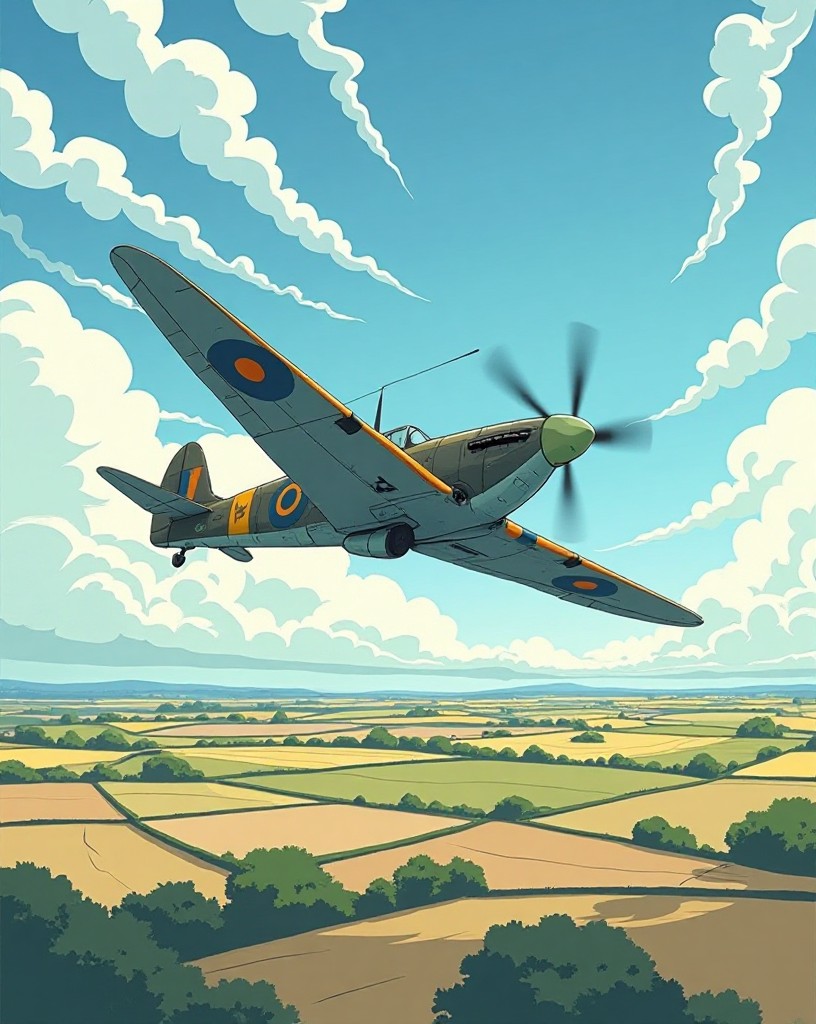
The Few
The summer a handful of young pilots held the sky over an island.
Britain · 1940
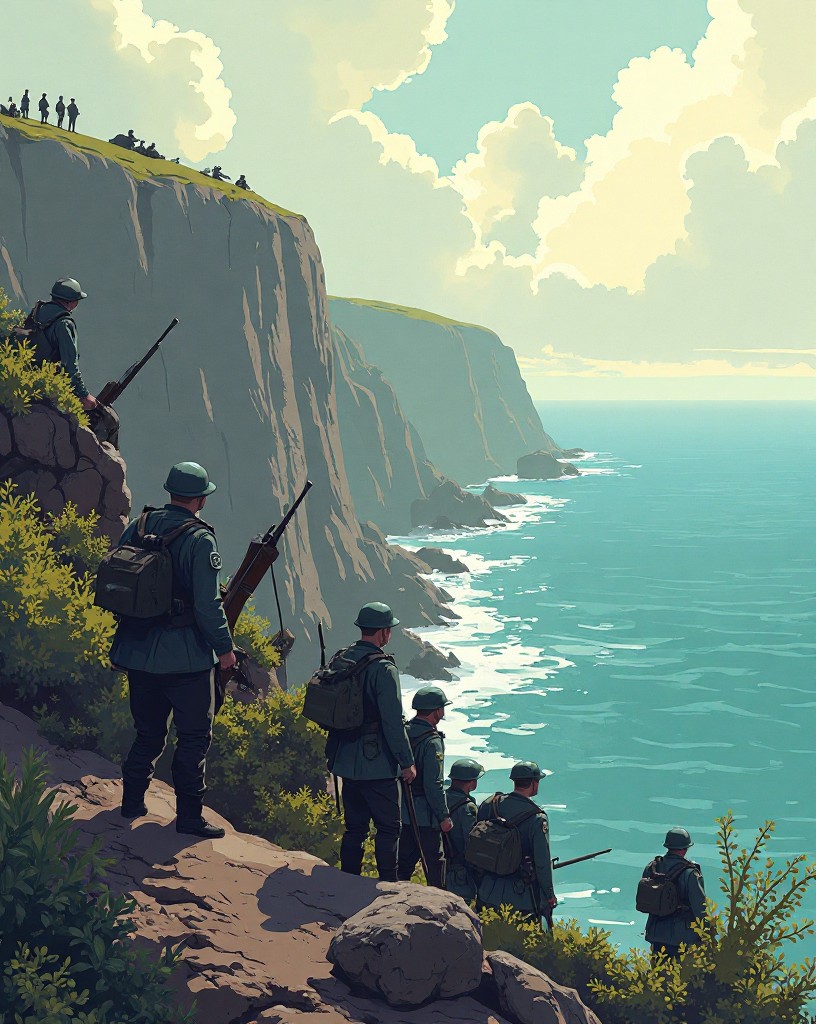
Summer 1940. France has fallen. Hitler's armies stand on the Channel coast, and only a thin strip of sea separates them from Britain — the last nation in Western Europe still fighting.
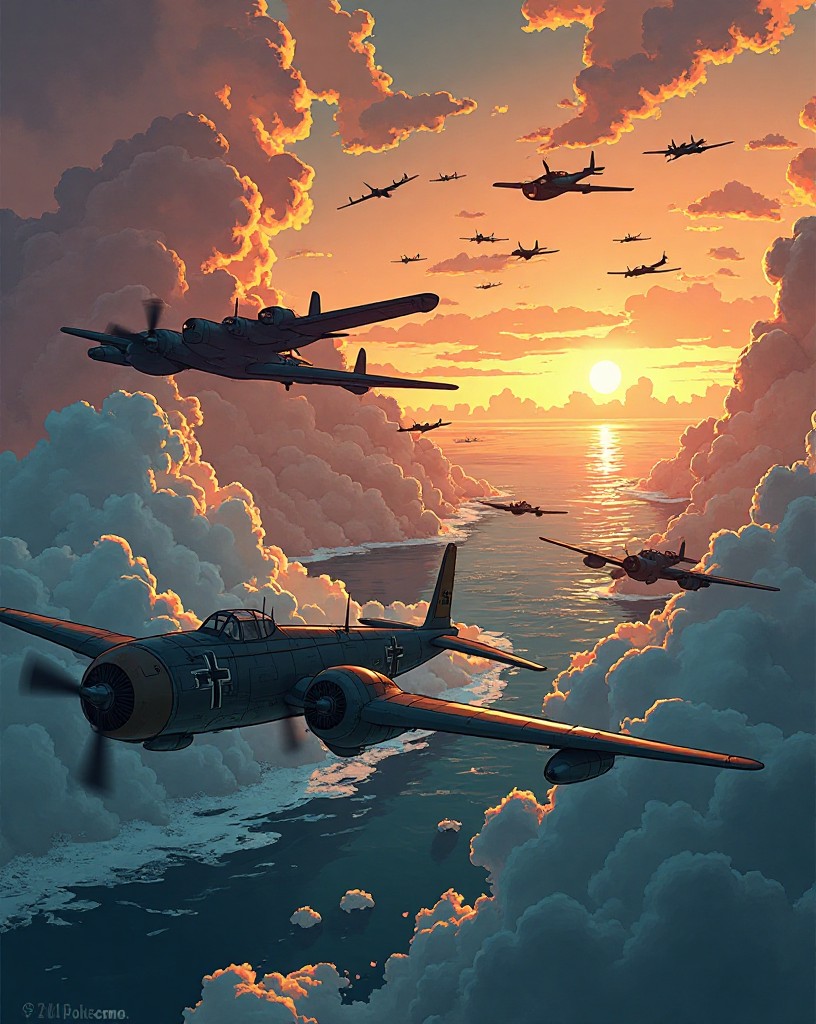
Before Germany can invade, it must own the skies. The task falls to the Luftwaffe, the largest air force in the world, ordered to sweep Britain's Royal Air Force from the air.
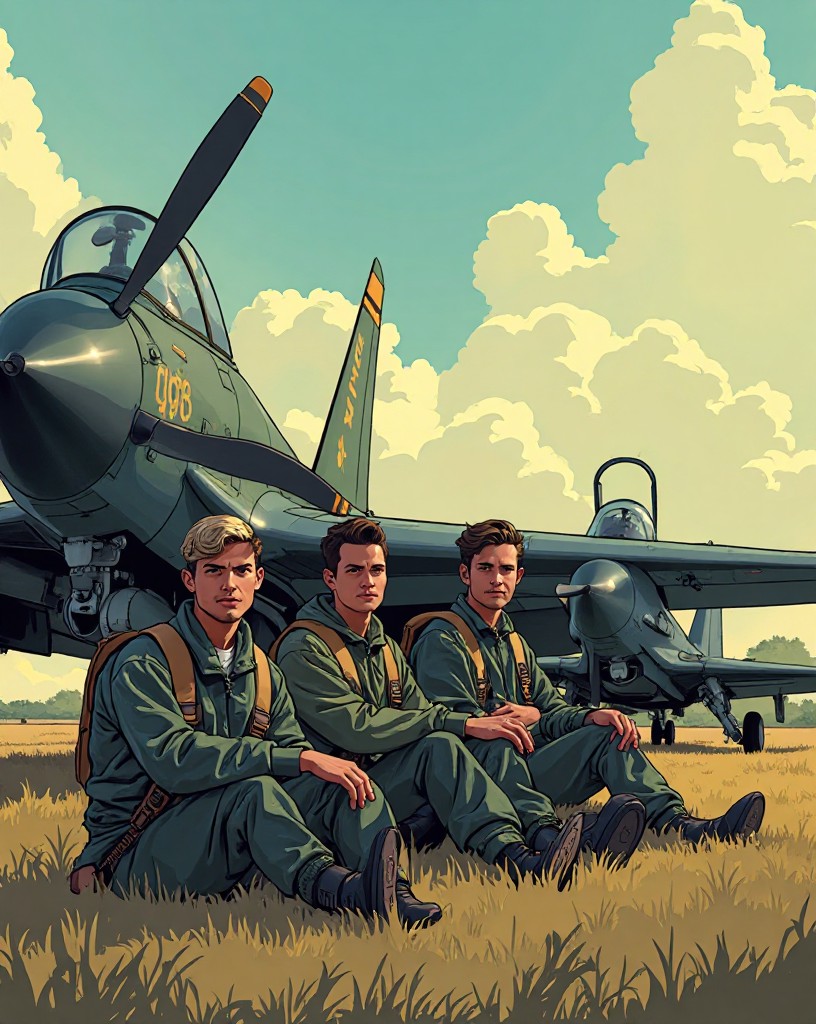
Against it stands RAF Fighter Command — outnumbered, its young pilots in Spitfires and Hurricanes, many barely out of school.
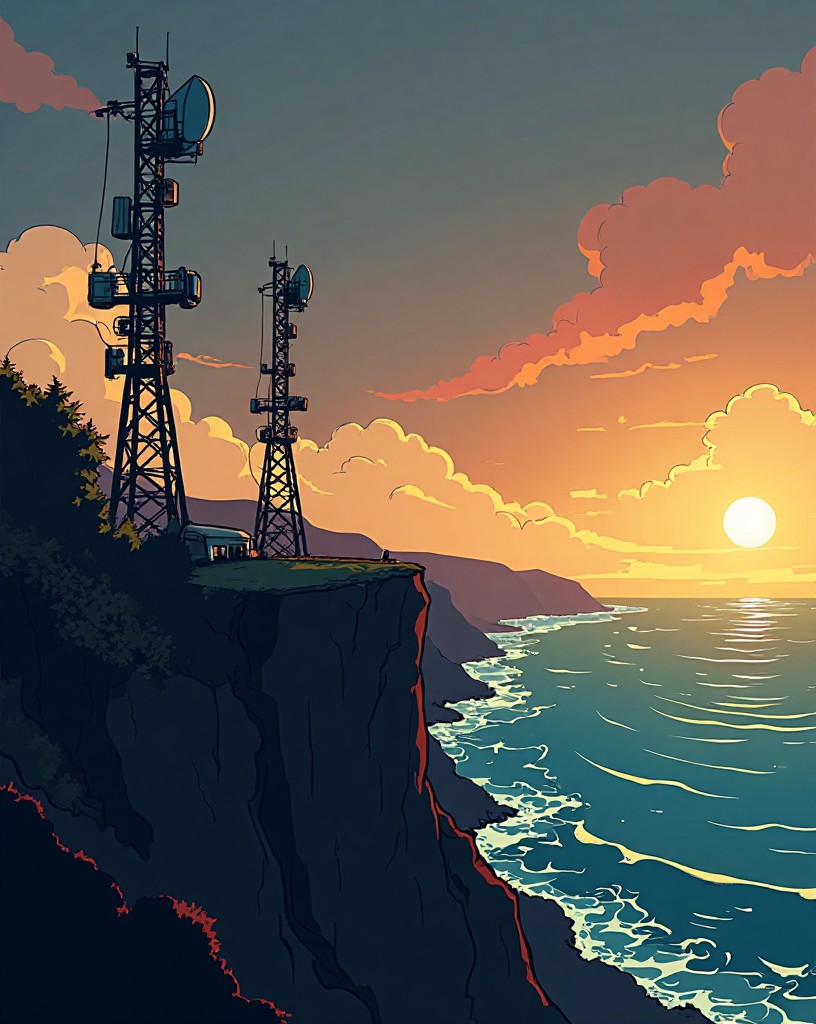
But Britain has a secret edge: a chain of radar towers along the coast that sees the German formations coming, giving the fighters precious minutes to climb and meet them.
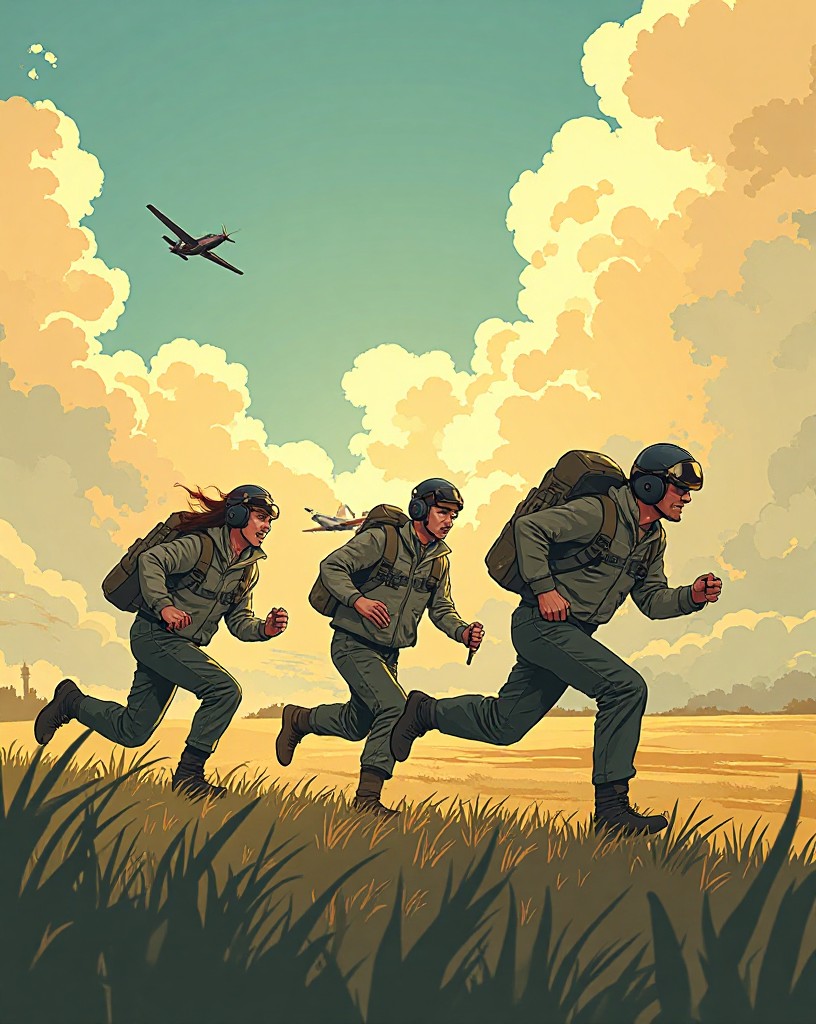
A sector controller
“Bandits, fifty-plus, angels twenty, crossing the coast. Squadron — scramble!”
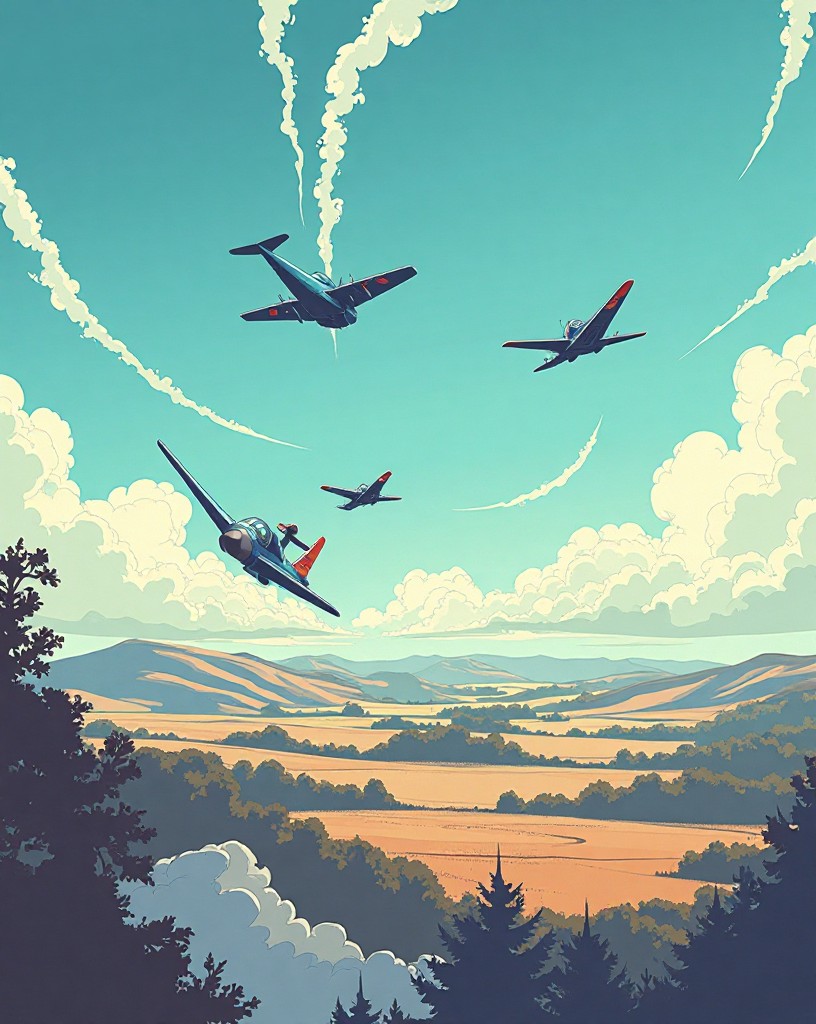
Day after day through high summer, the battles are fought in vapor trails miles above the fields of southern England. Pilots fly several sorties a day, doze in their cockpits, and watch friends not come back.
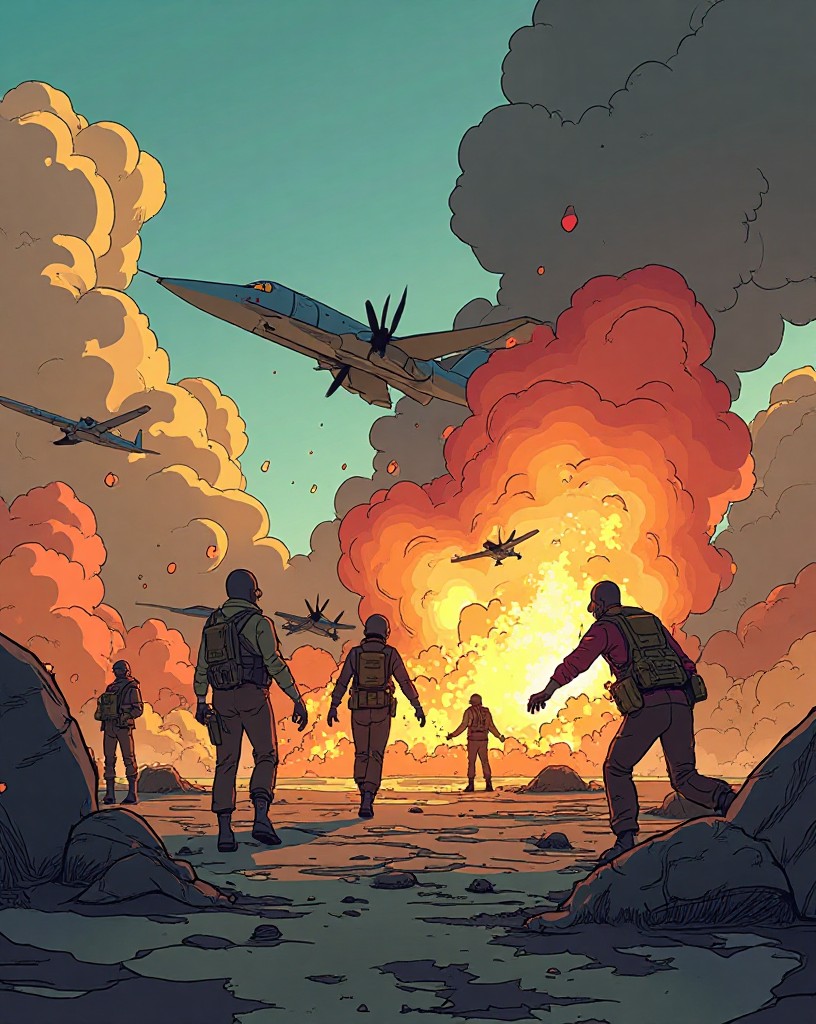
The Germans hammer the RAF's airfields and radar, trying to grind Fighter Command down. Slowly, dangerously, the defenders are being worn thin.
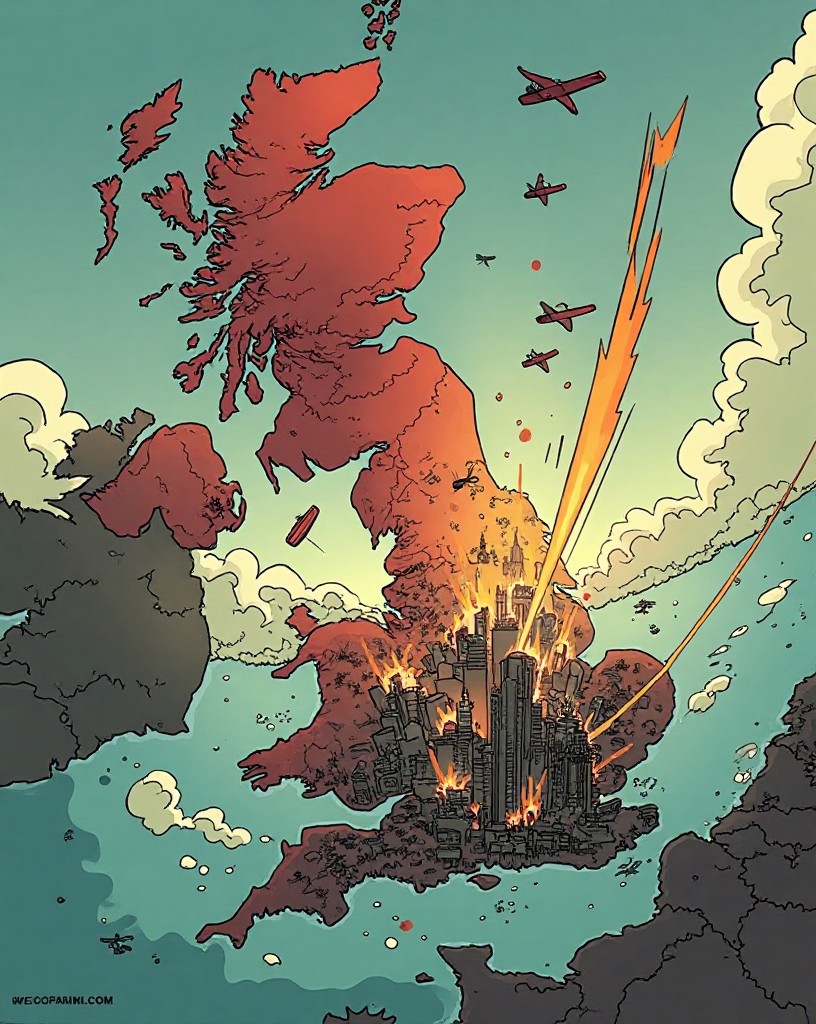
Then Germany makes a fateful error. In retaliation for a raid on Berlin, Hitler switches the assault from the airfields to the bombing of London.
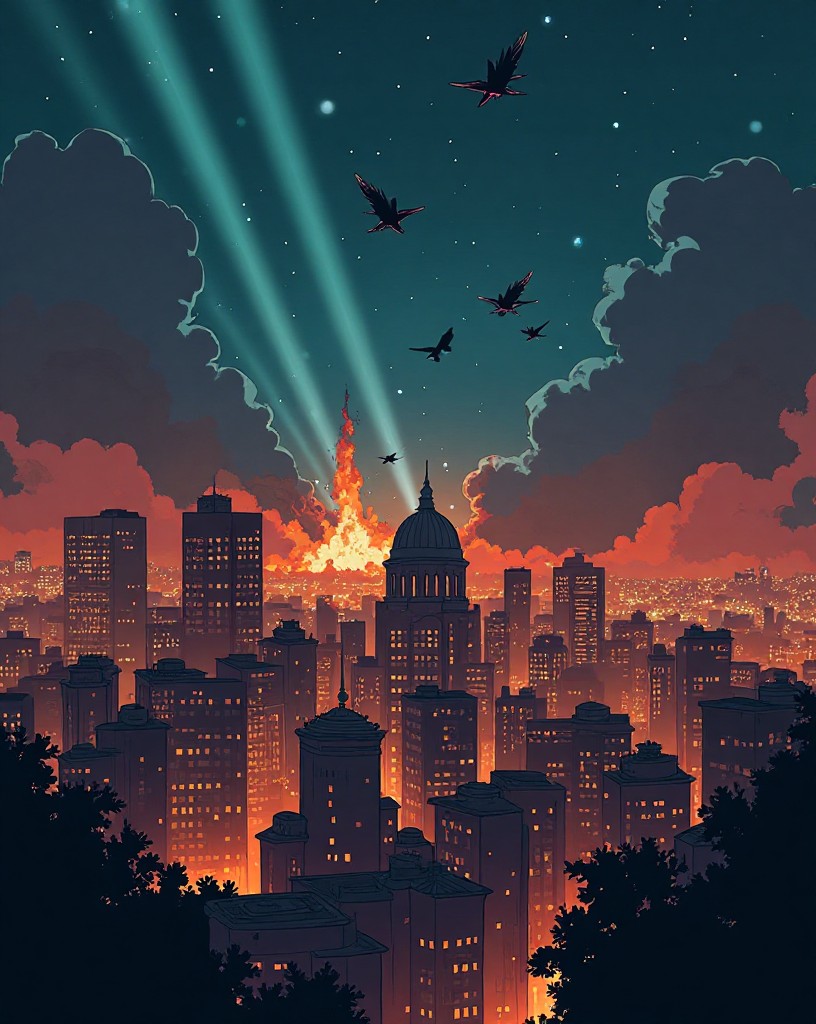
London burns night after night in what Britons call the Blitz — but the change of target gives the battered airfields a chance to recover, and the fighters rise again in strength.
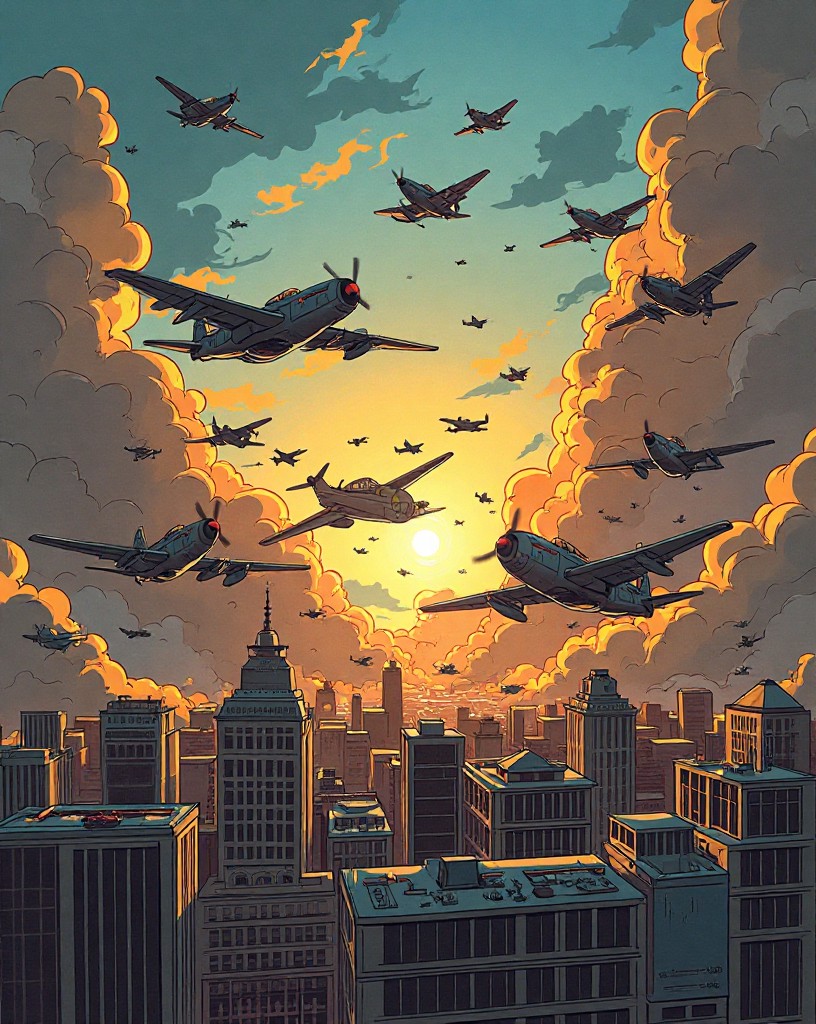
On one climactic day in September, the Luftwaffe throws everything at London — and is met and broken in the air above the city. The cost of the daylight raids has grown more than Germany can bear.
Unable to win command of the sky, Hitler quietly shelves the invasion of Britain. The island has held.
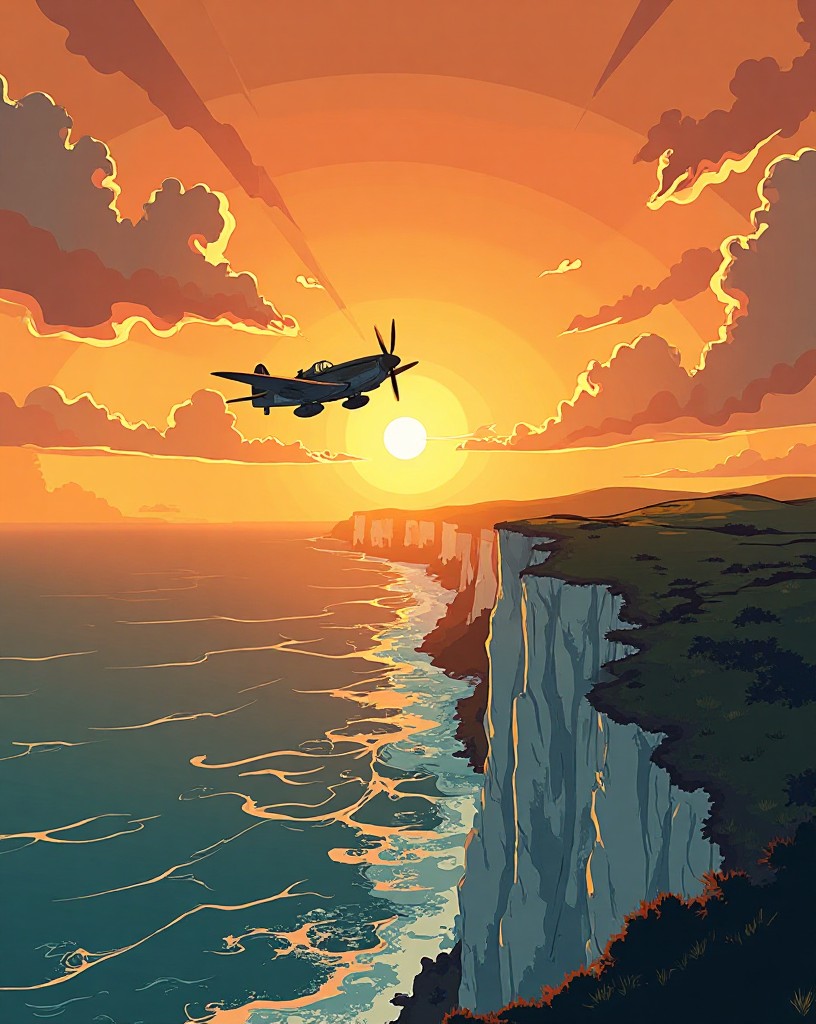
It was the first great defeat of the war for Germany — won not on land or sea but in the air, by a handful of exhausted young men. Of them, Churchill said: "Never in the field of human conflict was so much owed by so many to so few."
Sources
This story was adapted from the following. The illustrations are stylized depictions, not photographs of the events.
“Battle of Britain”, Wikipedia
Overview, radar, the airfield phase, and the Blitz.
The Most Dangerous Enemy: A History of the Battle of Britain, Stephen Bungay (2000)
Detailed history of the campaign.
That’s the story.
More are in the studio. Head back to the collection to see what’s coming.