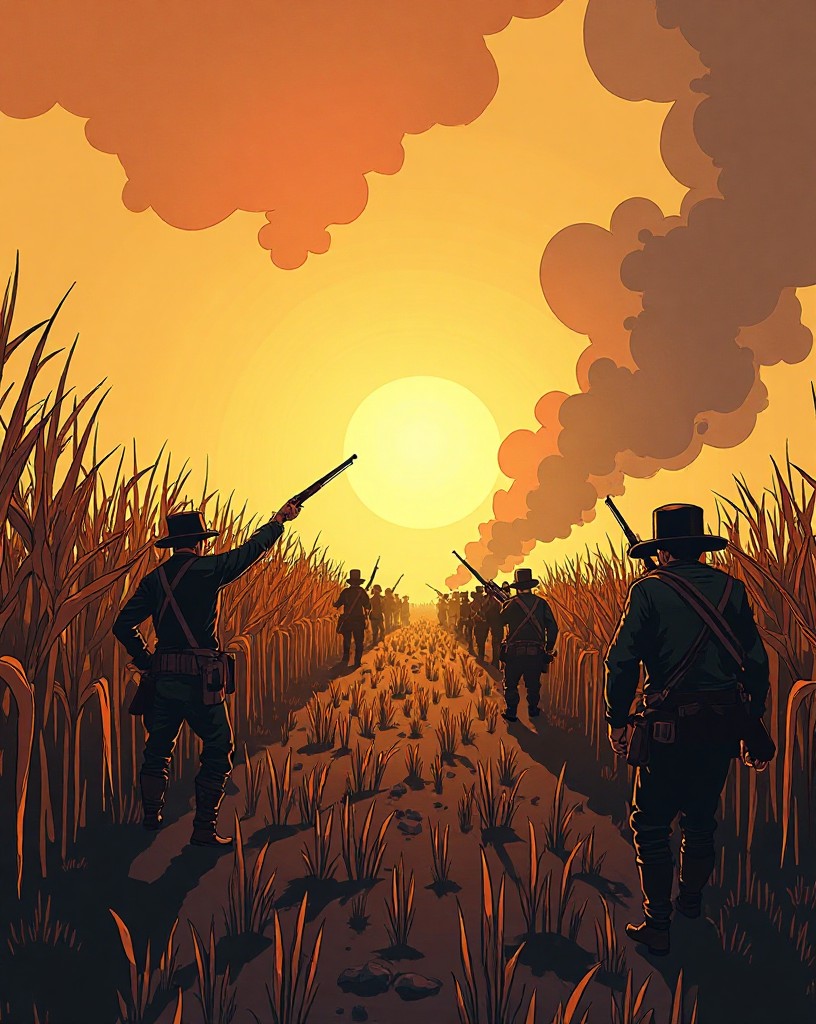
The Bloodiest Day
Twelve hours by a Maryland creek that changed what the war was for.
Antietam · 1862
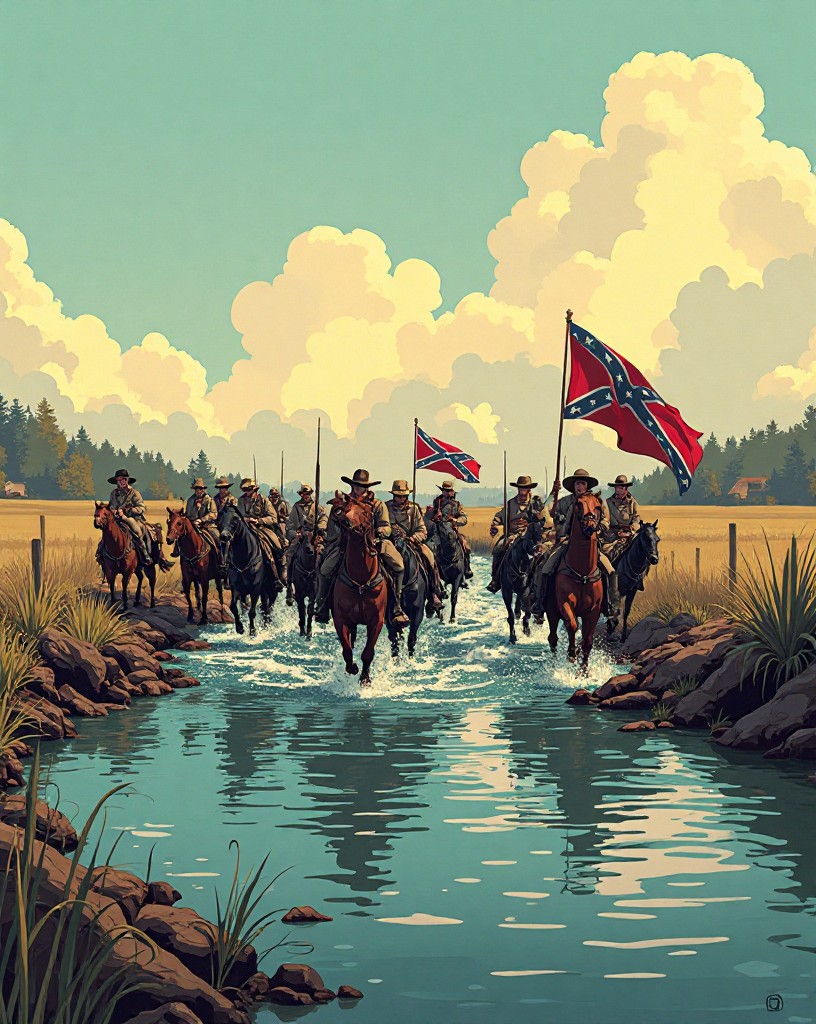
September 1862. The Civil War is going badly for the North. Emboldened, General Robert E. Lee leads his Confederate army across the Potomac into Maryland — carrying the war onto Northern soil for the first time.
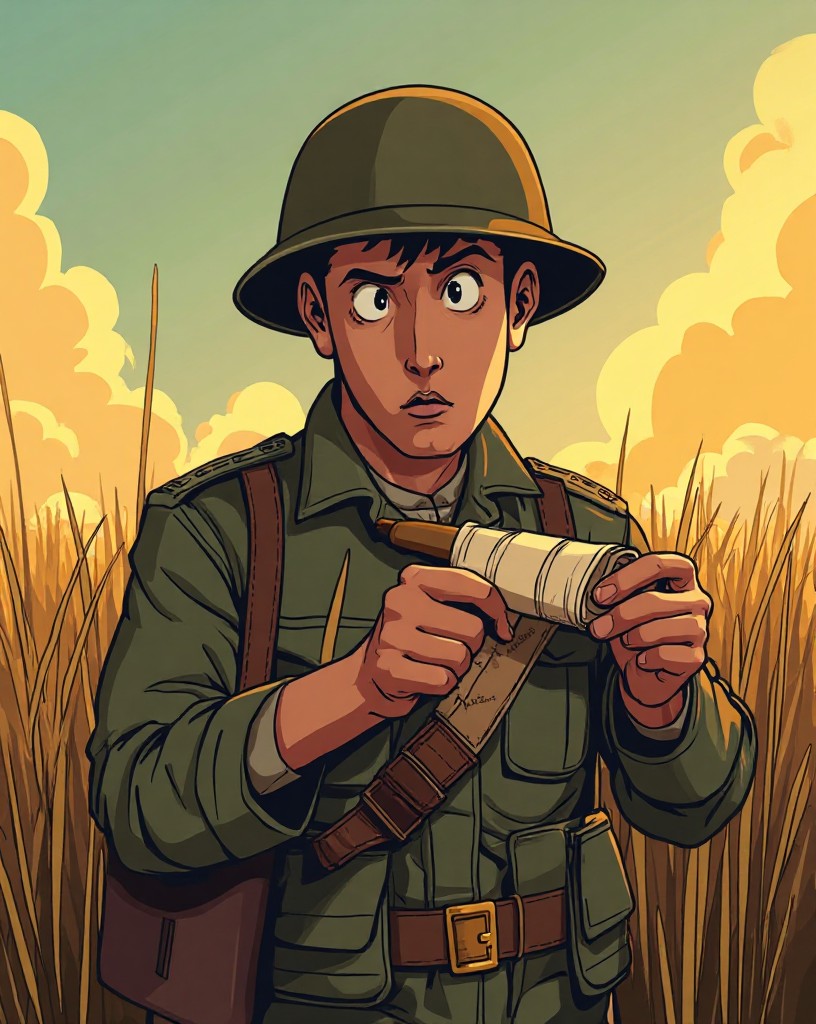
Then fortune hands the Union a gift. A Northern soldier finds a copy of Lee's secret battle plans, wrapped around three cigars, lying in a field.
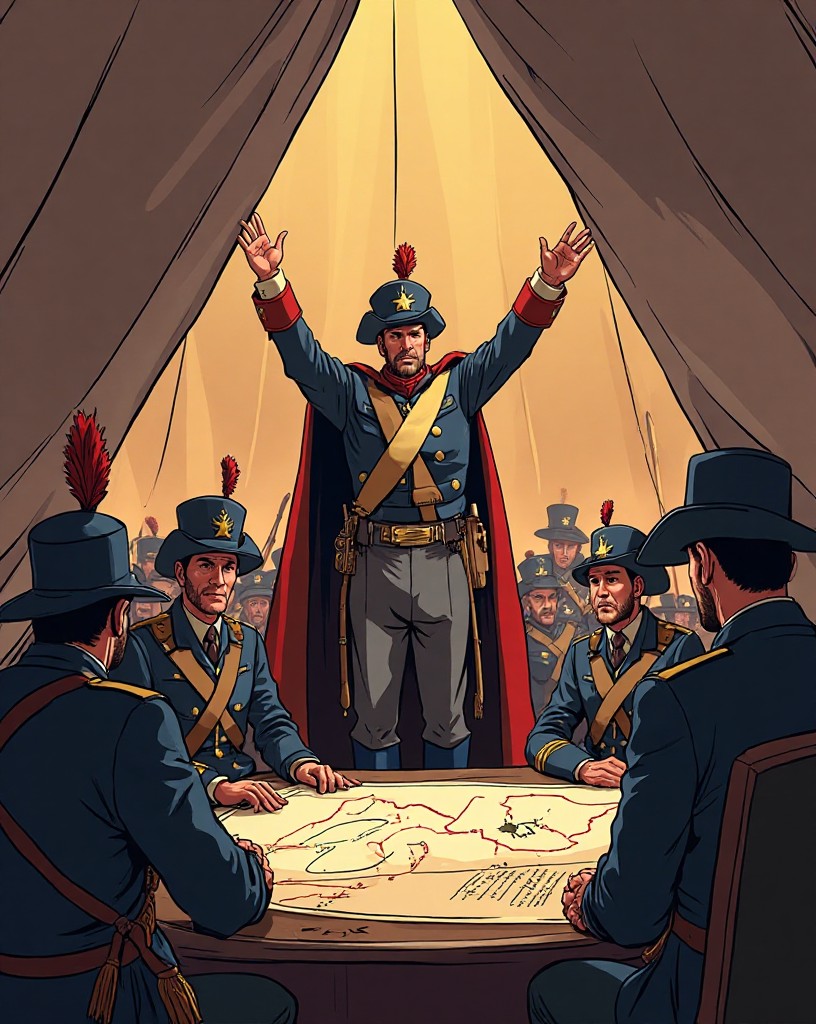
Gen. McClellan
“Here is a paper with which, if I cannot whip Bobby Lee, I will be willing to go home.”
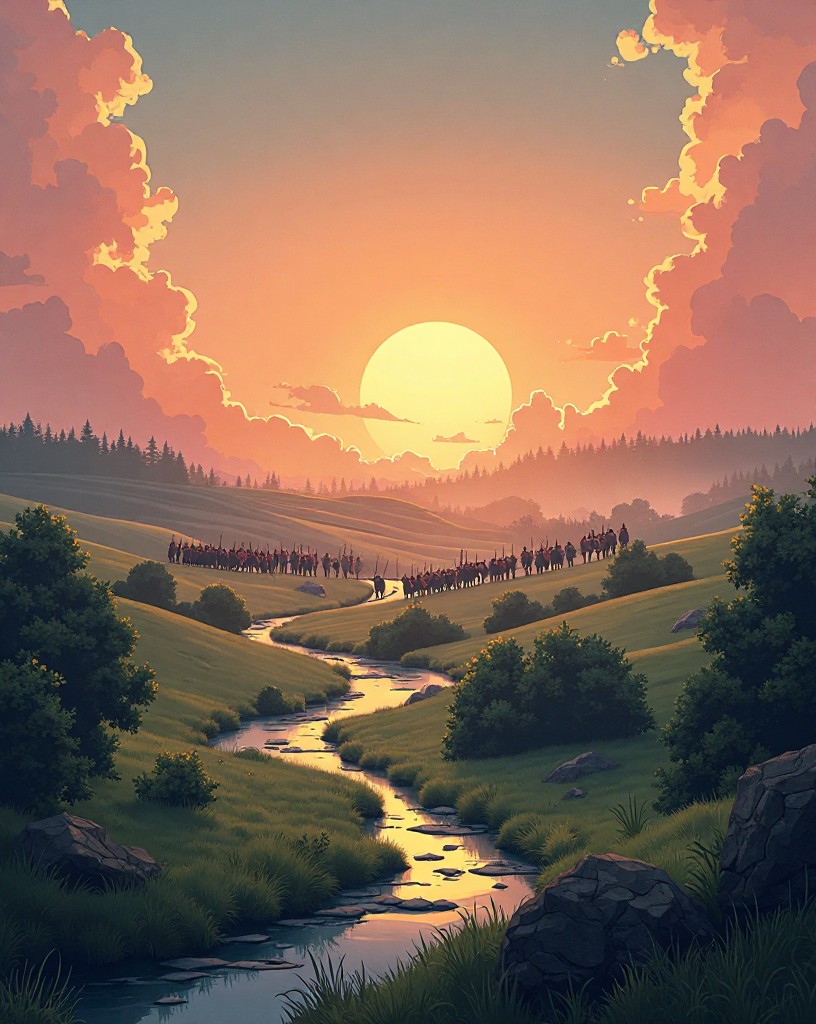
Knowing Lee's army is divided, the cautious Union commander still moves slowly — but the armies finally meet along a creek called the Antietam, near the town of Sharpsburg.
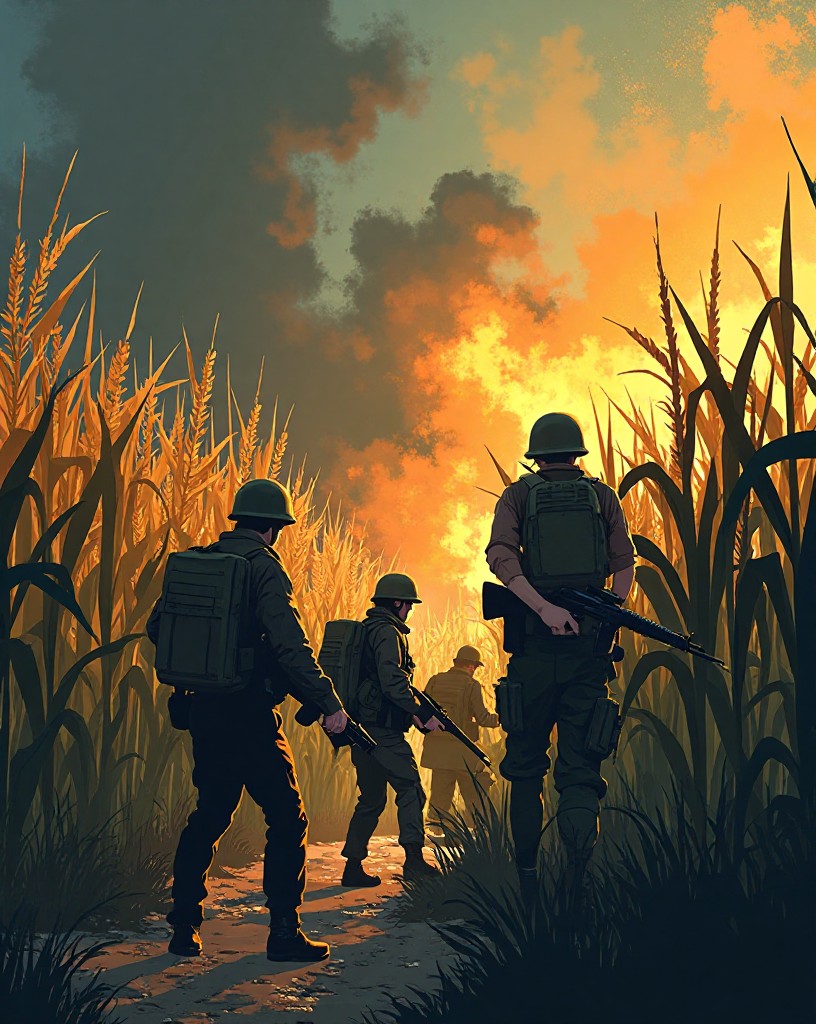
At dawn on September 17th the battle opens in a cornfield. The fighting there is so intense that, a general later wrote, the corn is cut down as if by a scythe, and the rows fill with the fallen.
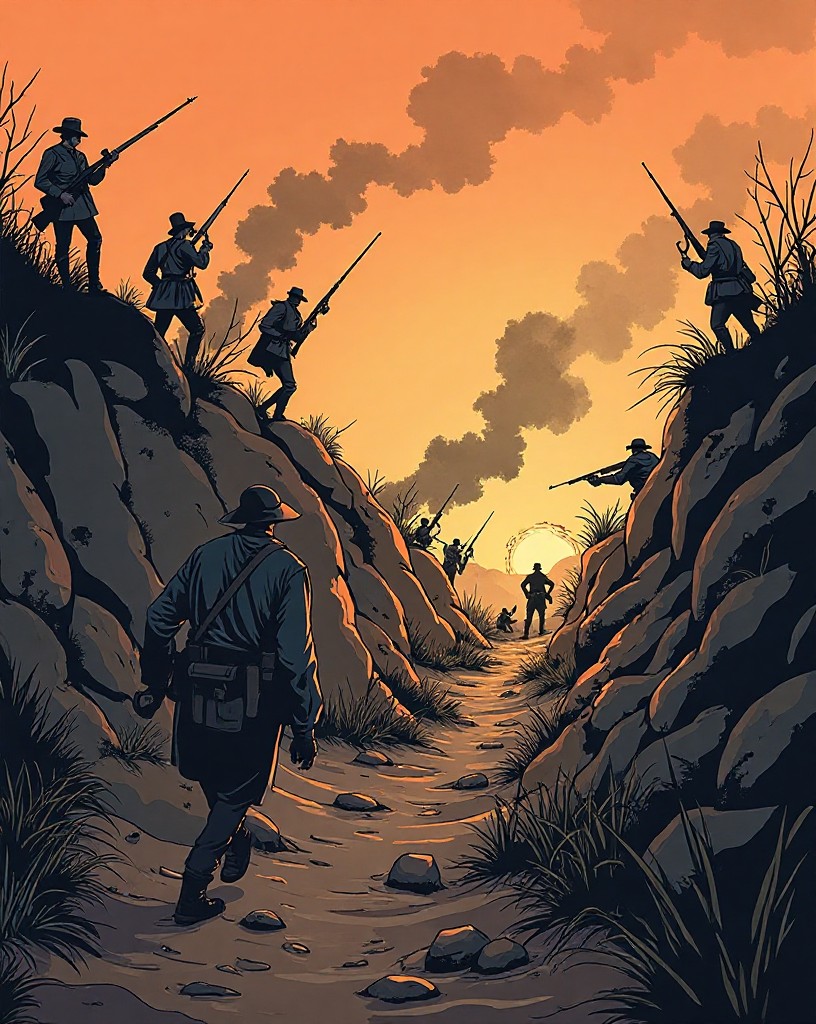
At a sunken farm road in the center, Confederates pour fire into charging Union ranks for hours. When the road finally falls, it is piled with the dead. Forever after it is called Bloody Lane.
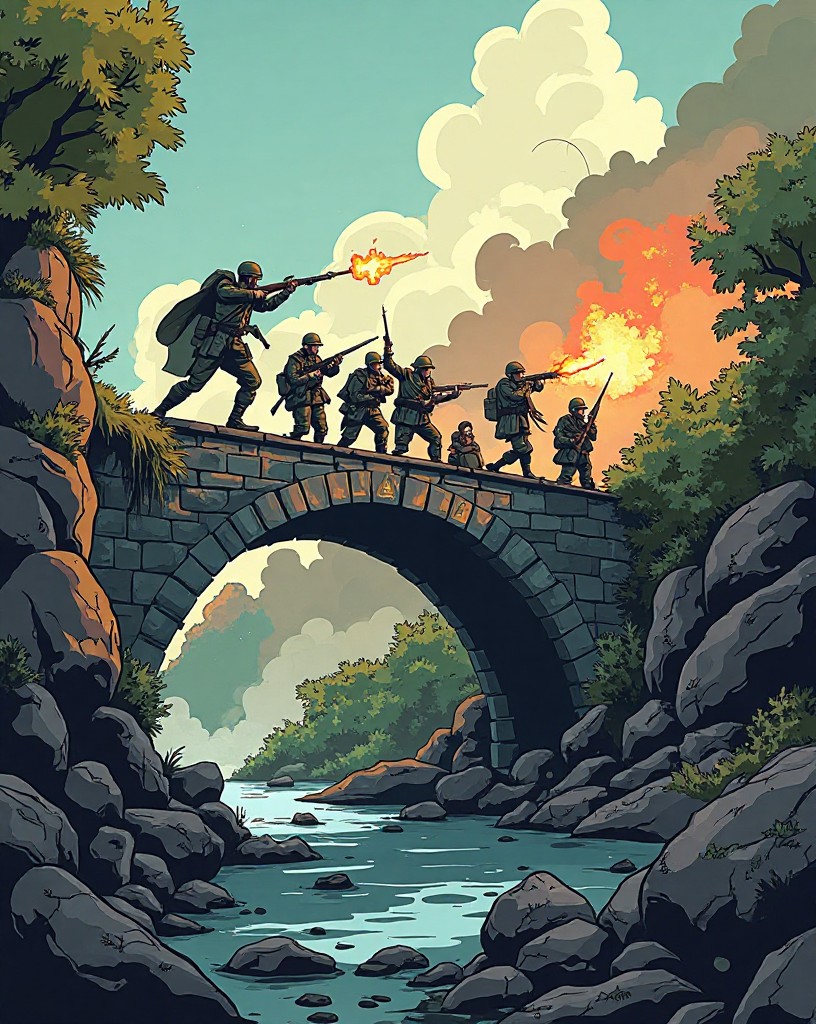
At a stone bridge over the creek, Union troops try again and again to cross under fire from the bluffs above, falling in heaps before they force their way over.
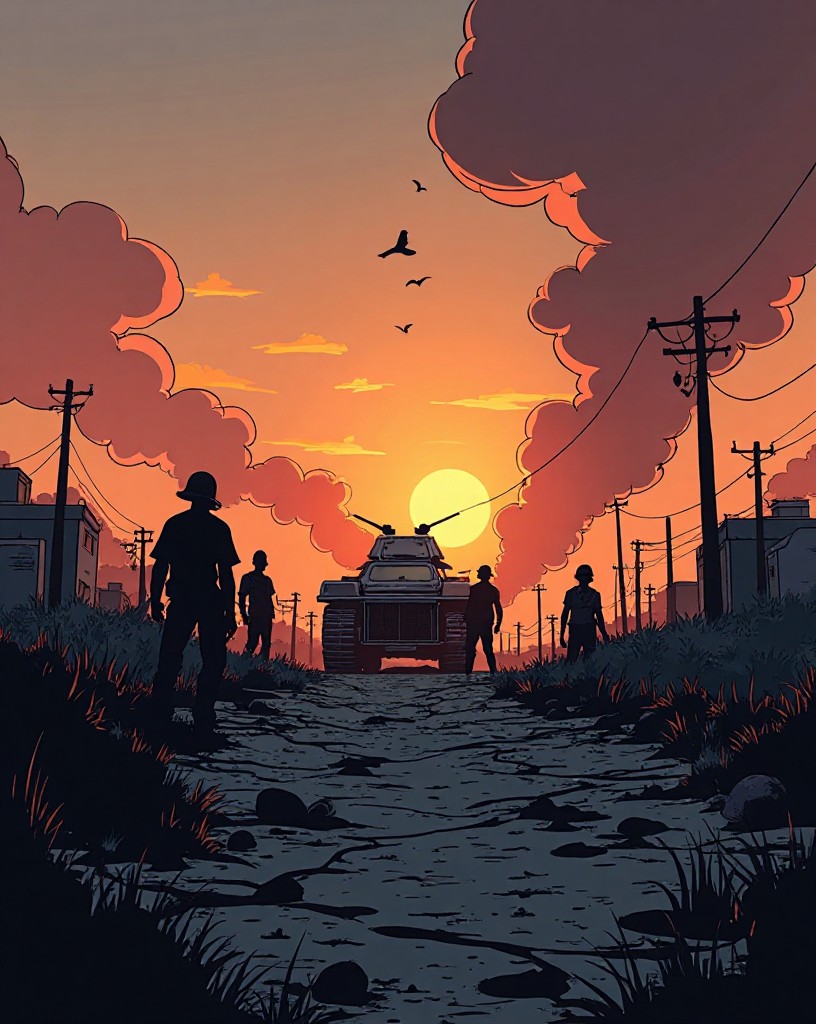
All day the battle rages across cornfield, road, and bridge. By nightfall neither side has broken — but the cost is beyond anything the continent has ever seen.
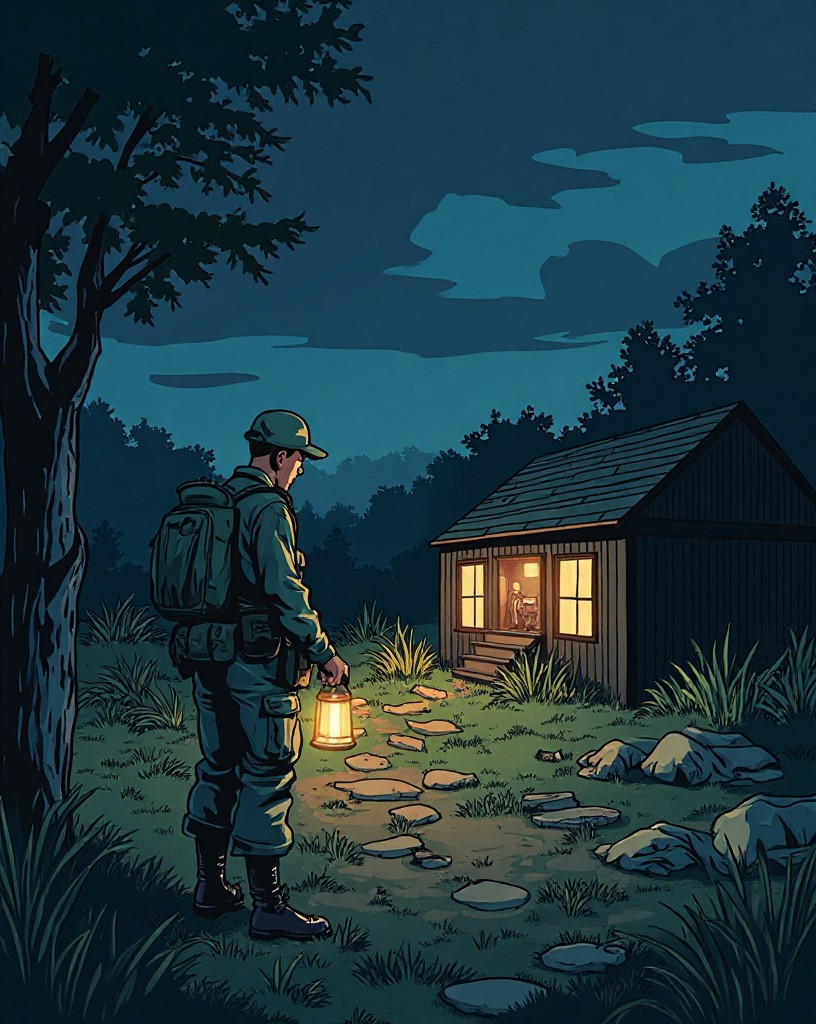
In one single day, more than twenty thousand Americans are killed or wounded. It remains the bloodiest day in the nation's history.
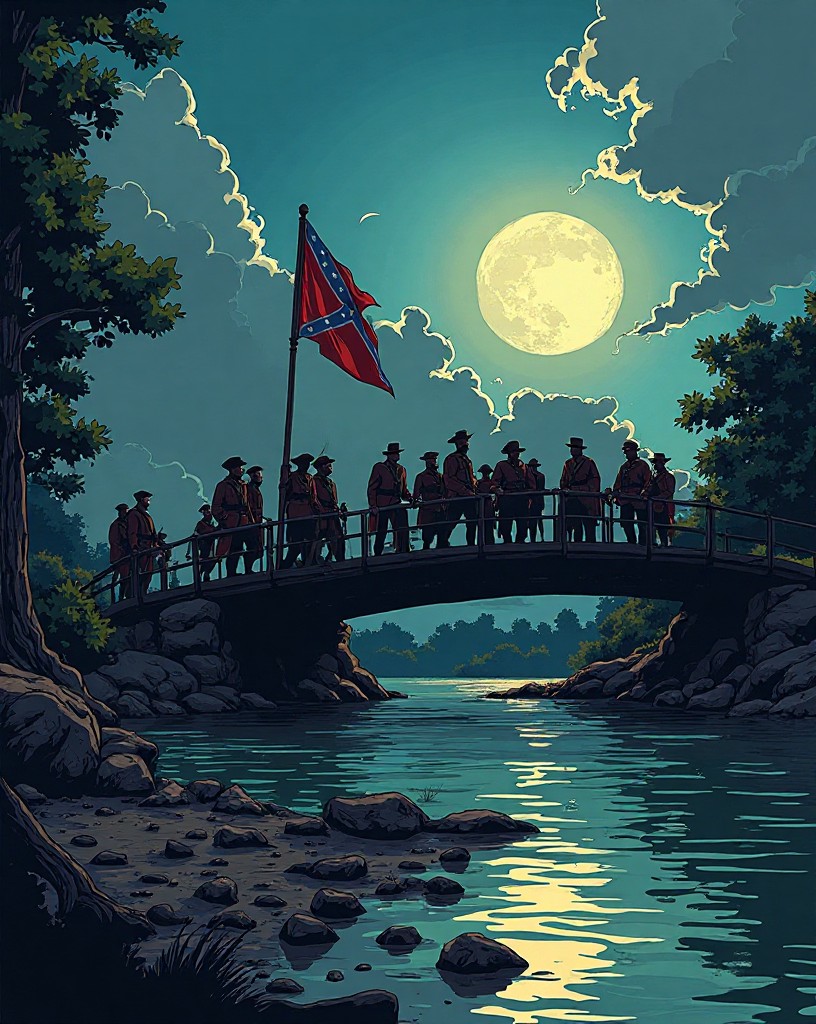
Battered, Lee holds his ground a single day, then slips back across the Potomac. The invasion of the North is over.
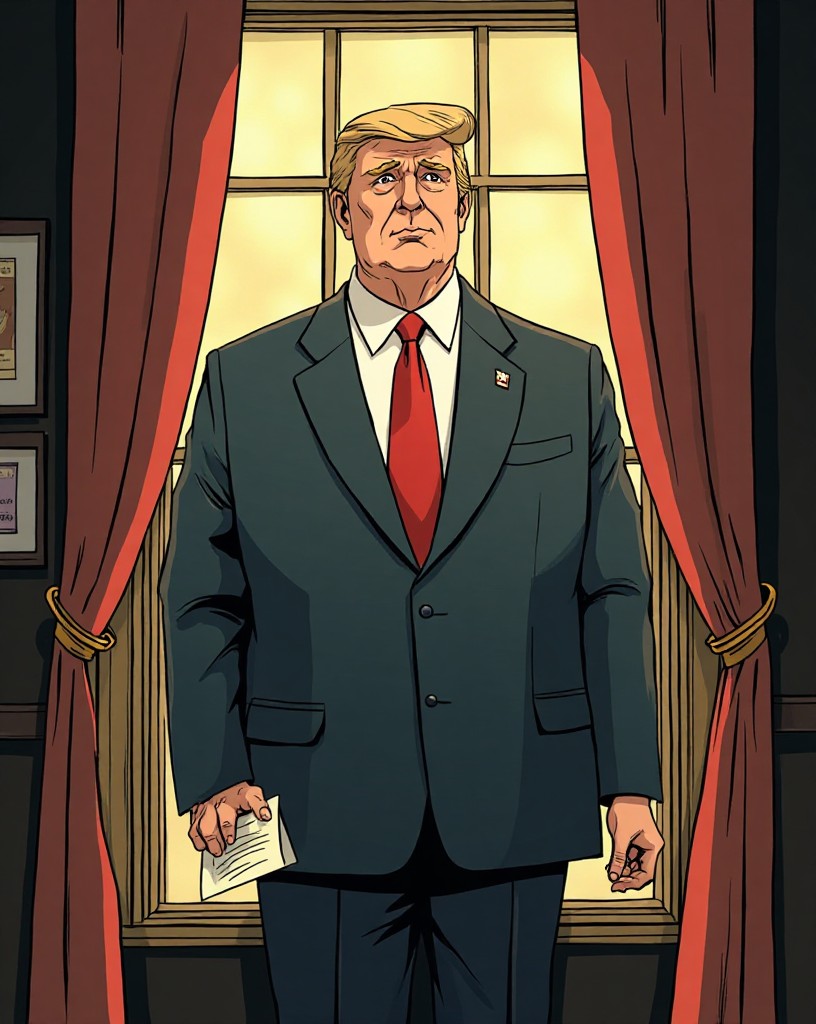
It was barely a victory — but it was enough. It gave President Lincoln the moment he had been waiting for.
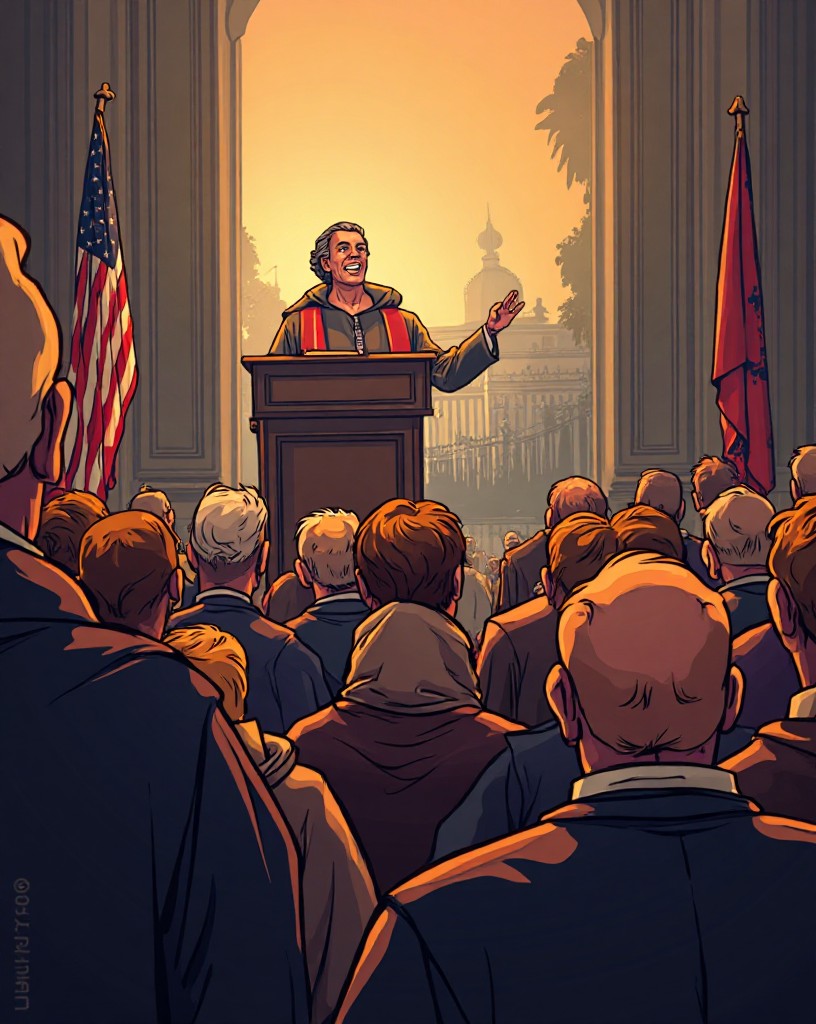
Five days later, Lincoln announced the Emancipation Proclamation: from the new year, the enemy's slaves would be declared free. The war to save the Union had become a war to end slavery — and Antietam, for all its horror, is what made it possible.
Sources
This story was adapted from the following. The illustrations are stylized depictions, not photographs of the events.
“Battle of Antietam”, Wikipedia
Overview, the Cornfield, Bloody Lane, and aftermath.
Crossroads of Freedom: Antietam, James M. McPherson (2002)
On the battle's link to emancipation.
That’s the story.
More are in the studio. Head back to the collection to see what’s coming.