Agincourt
A sick, starving English army, a sea of mud, and the longbow.
Agincourt · 1415
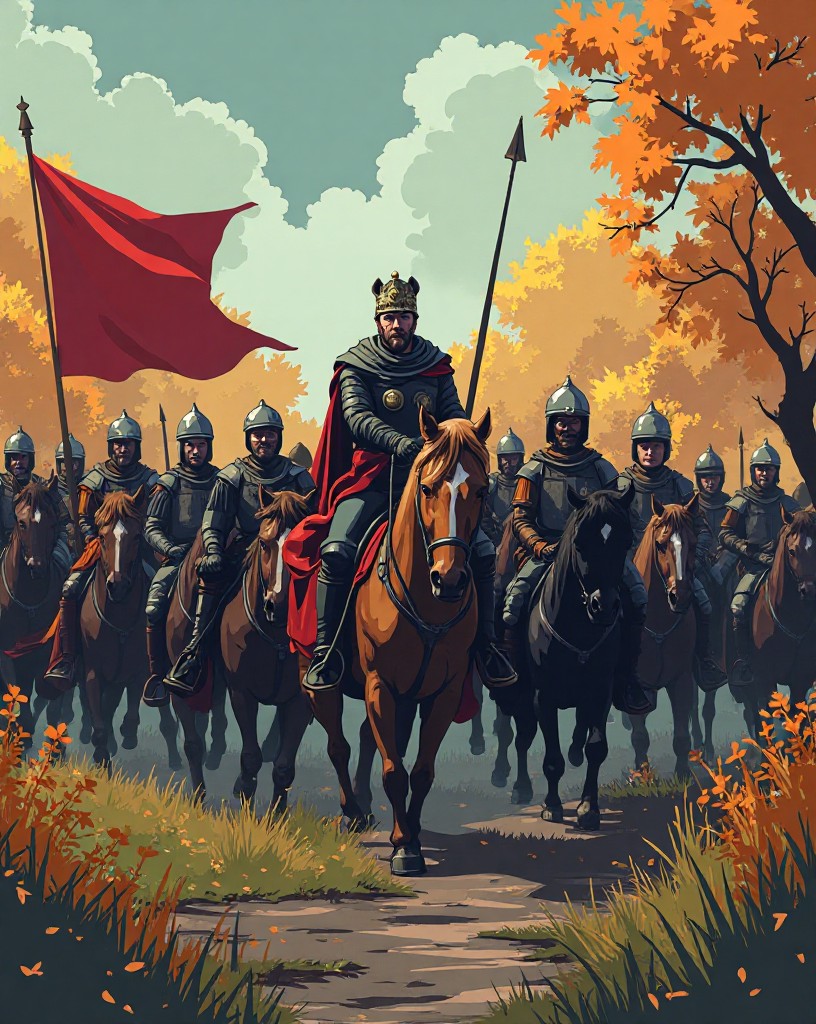
1415. The young English king Henry V has invaded France to press his claim to its throne. But his campaign has gone badly — a long siege, dwindling supplies, and disease have left his army sick, hungry, and far from home.
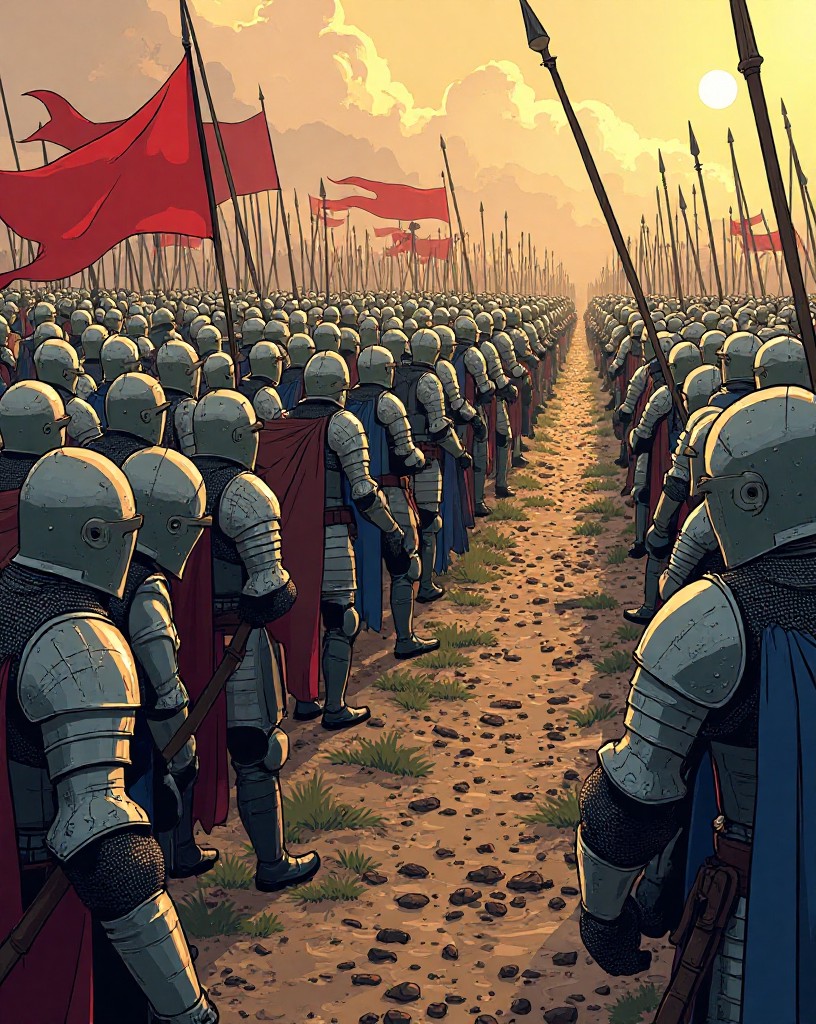
Trying to reach safety, Henry's exhausted men find their road blocked near a village called Agincourt by a French army many times their size — fresh, proud, and hungry for revenge.
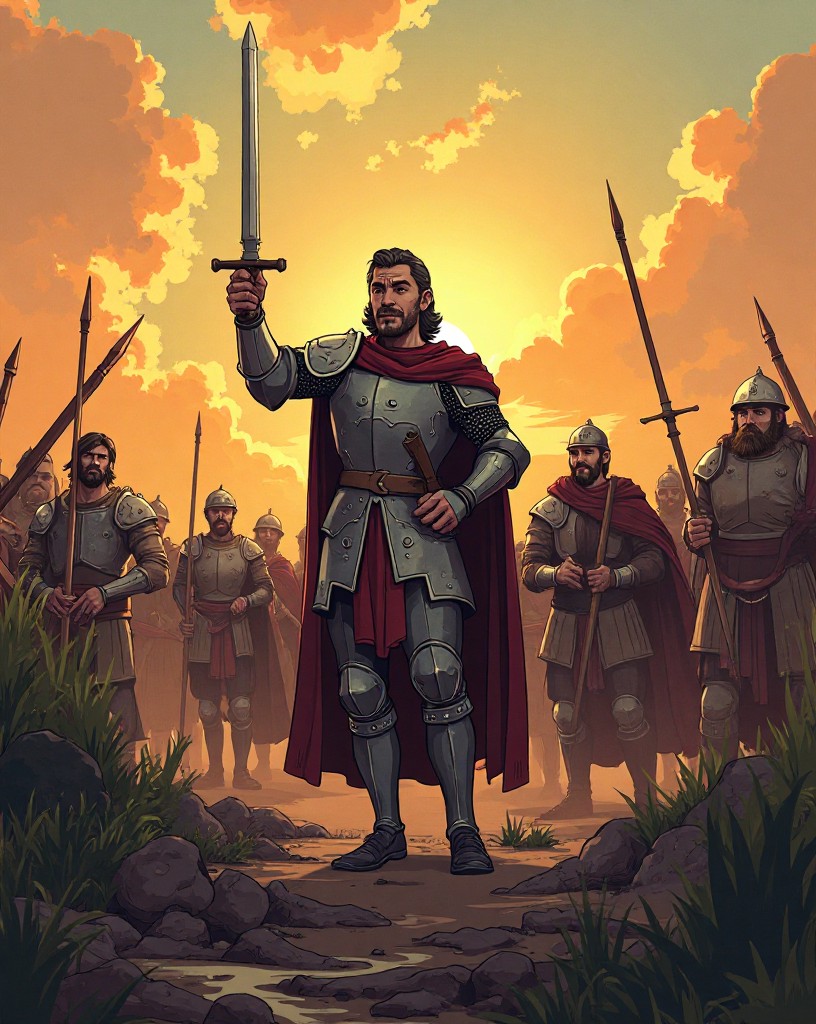
King Henry V
“We few, we happy few, we band of brothers — for he today that sheds his blood with me shall be my brother.”
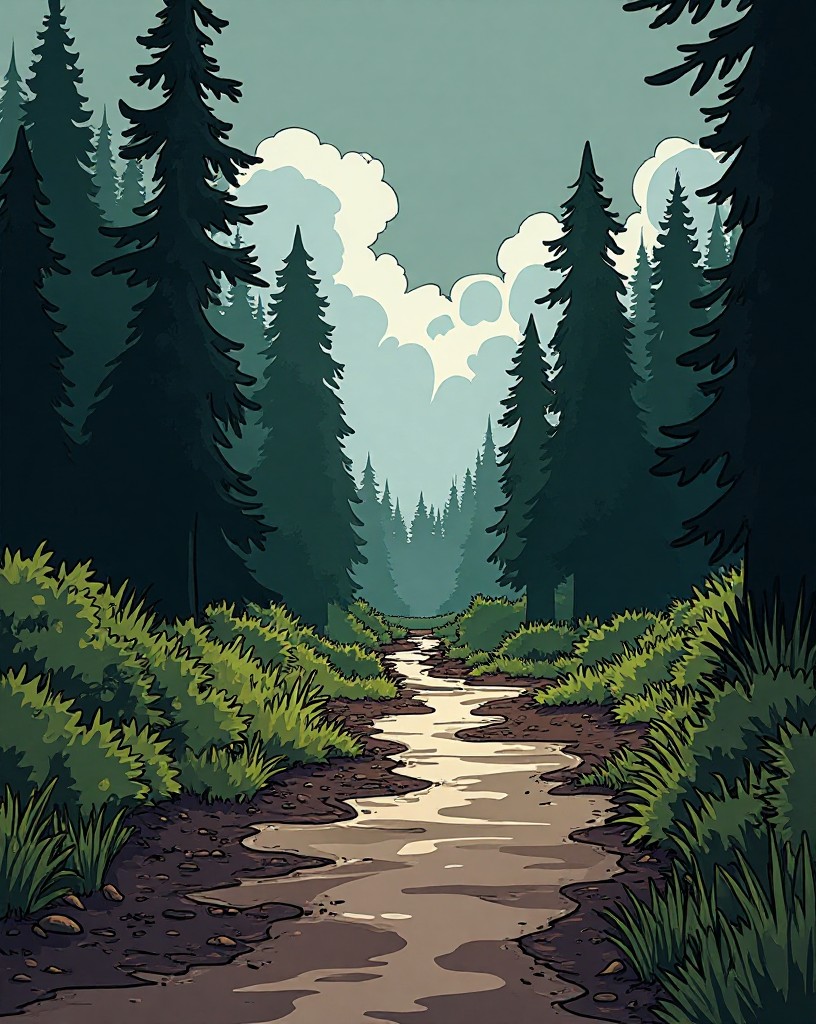
The battlefield is a narrow strip of freshly plowed land between two woods, and it has rained for days. The mud is deep, churned, and waiting.
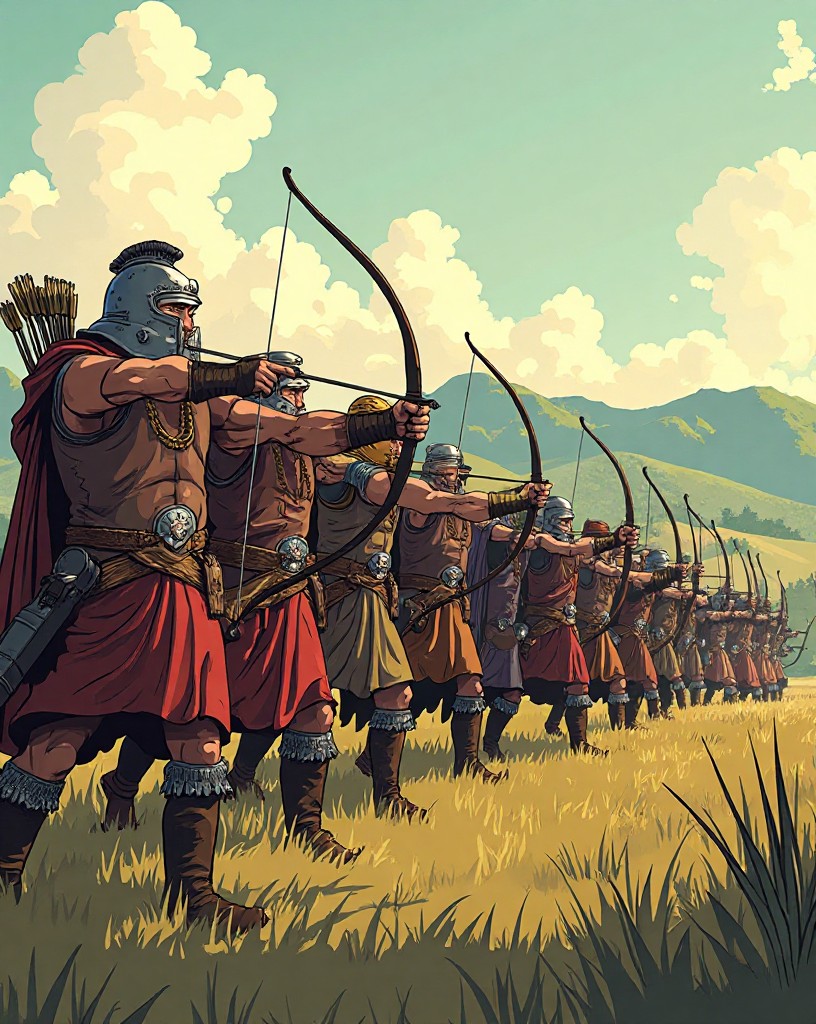
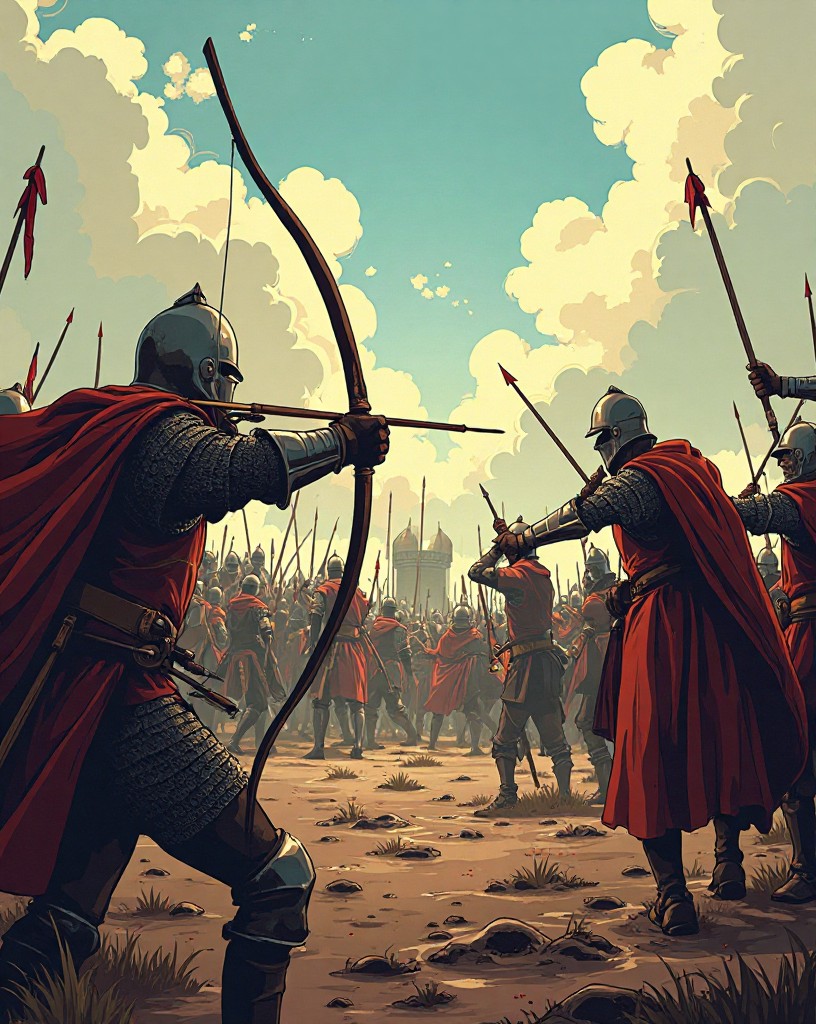
The heart of Henry's army is the longbowmen — thousands of them — who can loose arrows faster and farther than anything the French can answer.
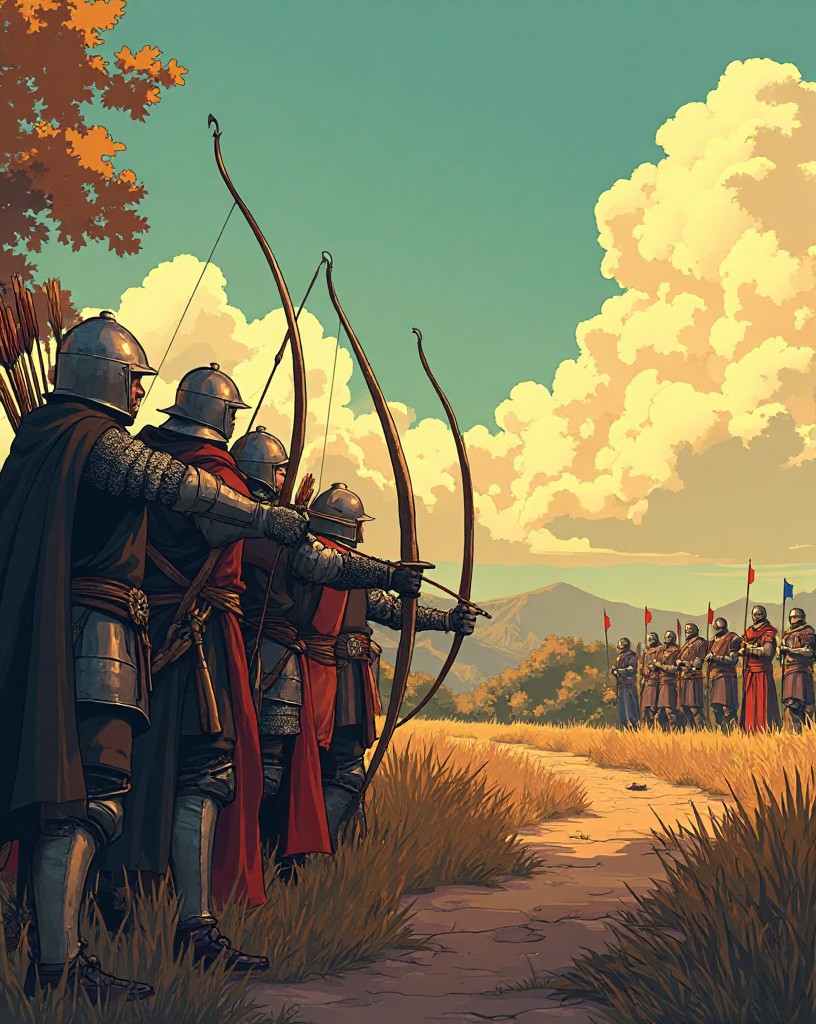
The English plant sharpened stakes before their lines and wait. When the French do not advance, Henry moves his army forward into bowshot — and the archers open fire.
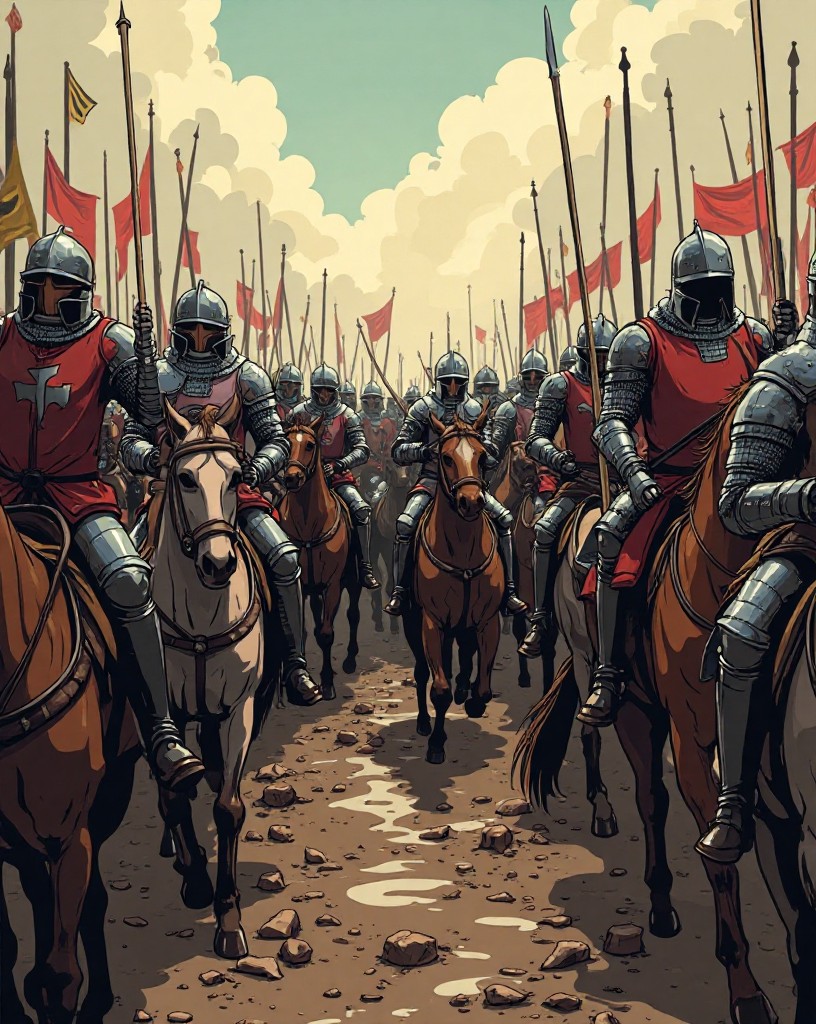
Stung by the arrows, the proud French knights charge — heavy cavalry and then masses of armored men on foot, funneled by the woods into a narrow, muddy front.
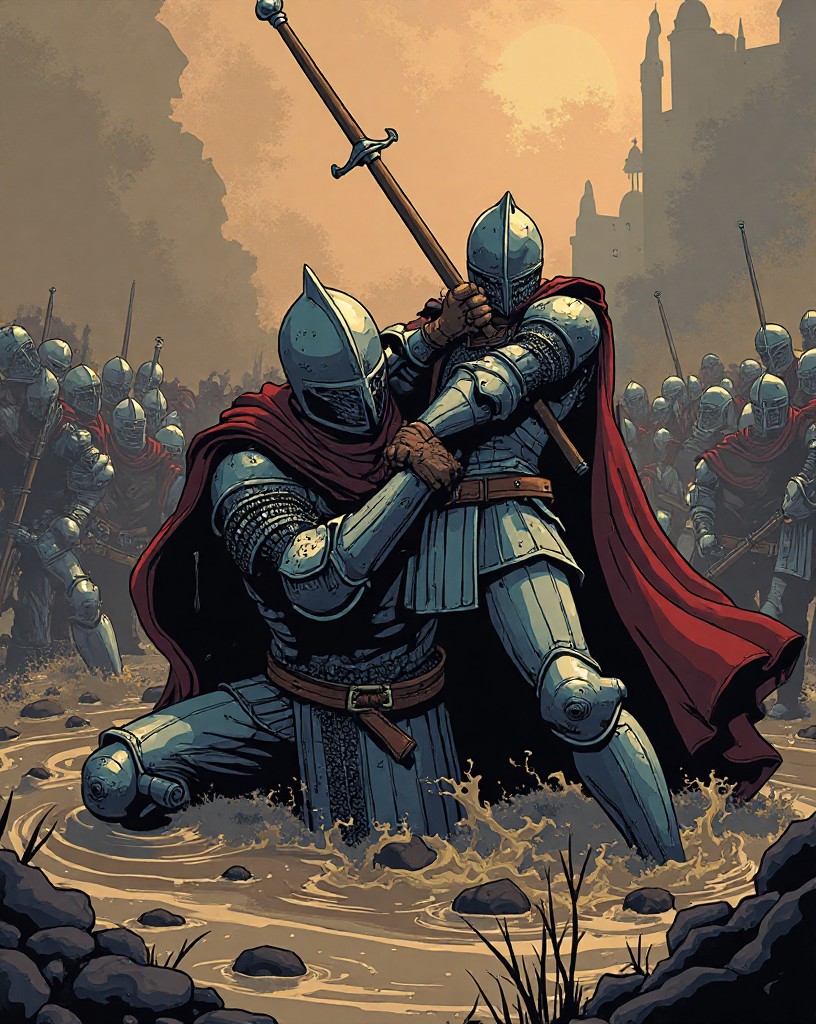
The mud becomes a death trap. Armored knights sink to their knees, exhausted before they reach the English line, packed too tightly to even swing their weapons.
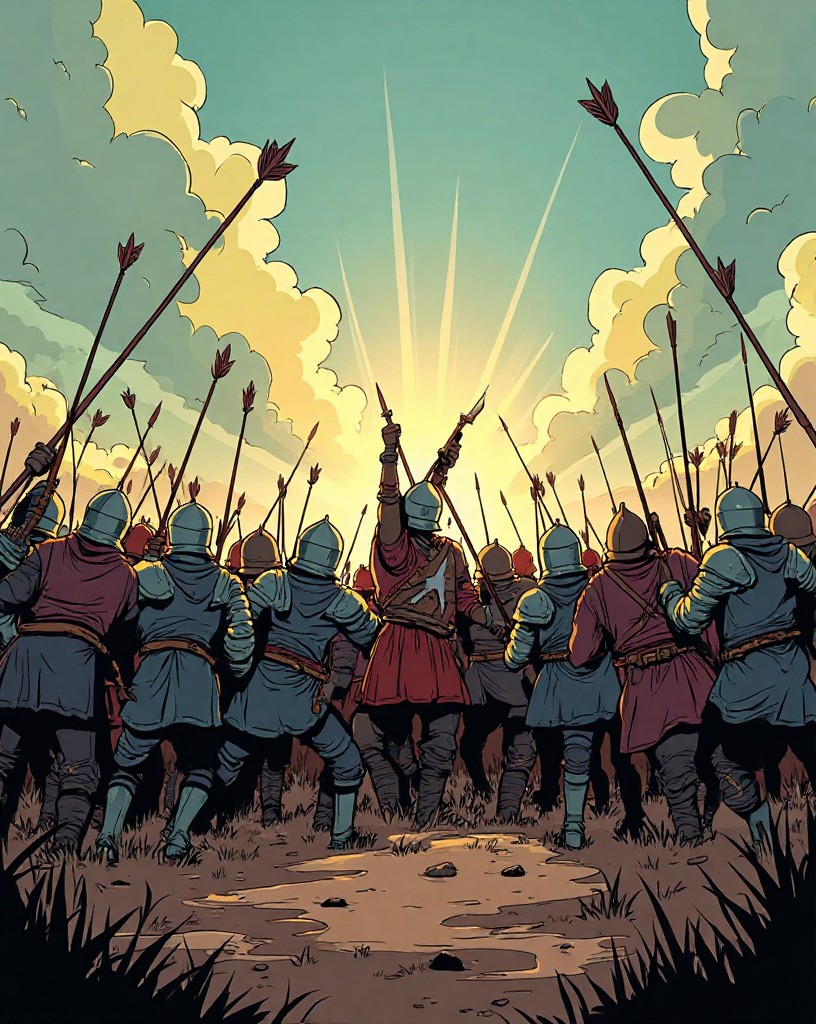
Arrows pour down by the tens of thousands. The first French ranks go down, and those behind stumble over them into the mire.
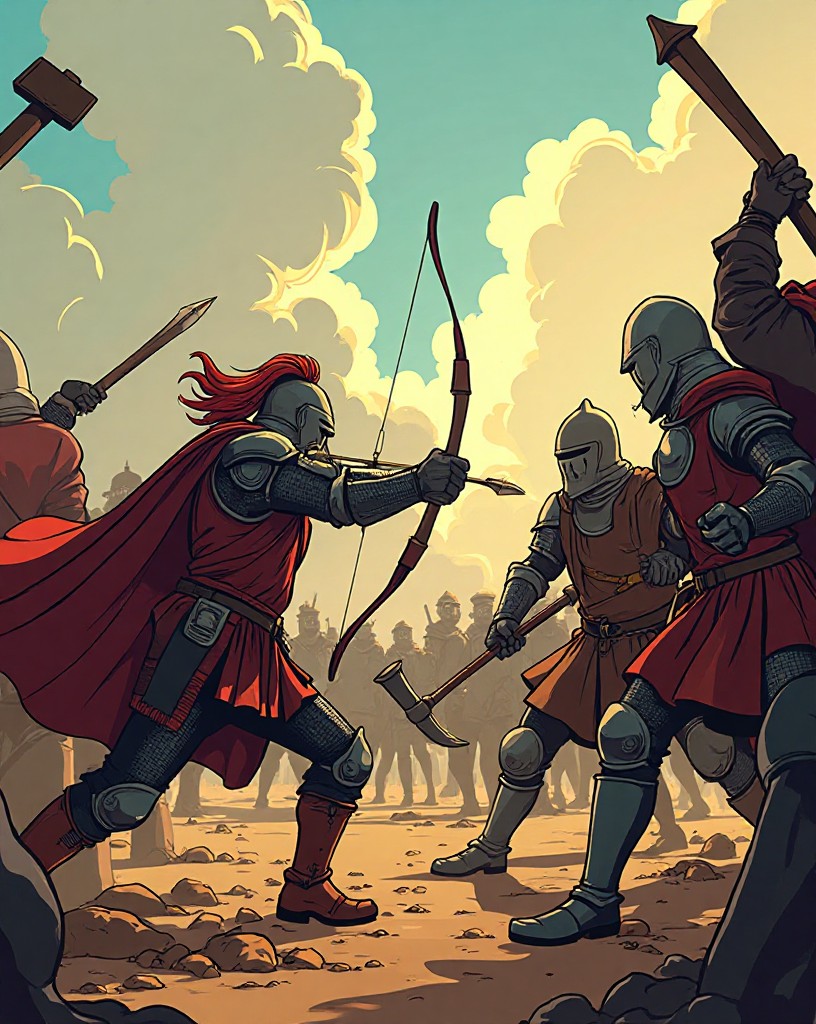
Then the lightly armored English archers drop their bows, take up axes, mallets, and daggers, and fall on the floundering knights.
It is a massacre. Thousands of Frenchmen — including much of the nobility of France — are killed or captured. English losses are astonishingly light.
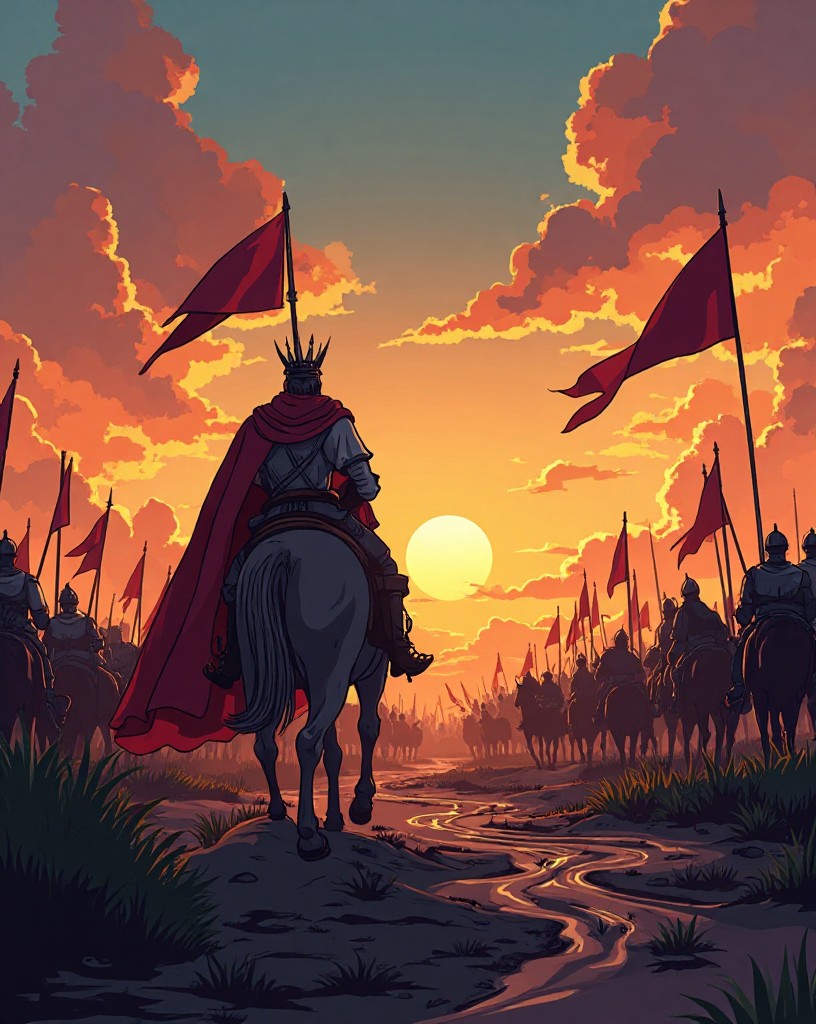
Against every expectation, the sick and starving English had destroyed the flower of French chivalry. Agincourt made Henry V a legend — and centuries later Shakespeare would put words in his mouth that still ring on St Crispin's Day.
Sources
This story was adapted from the following. The illustrations are stylized depictions, not photographs of the events.
“Battle of Agincourt”, Wikipedia
Overview, the longbow, the mud, and casualties.
Agincourt: The King, the Campaign, the Battle, Juliet Barker (2005)
Detailed history of the campaign and battle.
That’s the story.
More are in the studio. Head back to the collection to see what’s coming.